


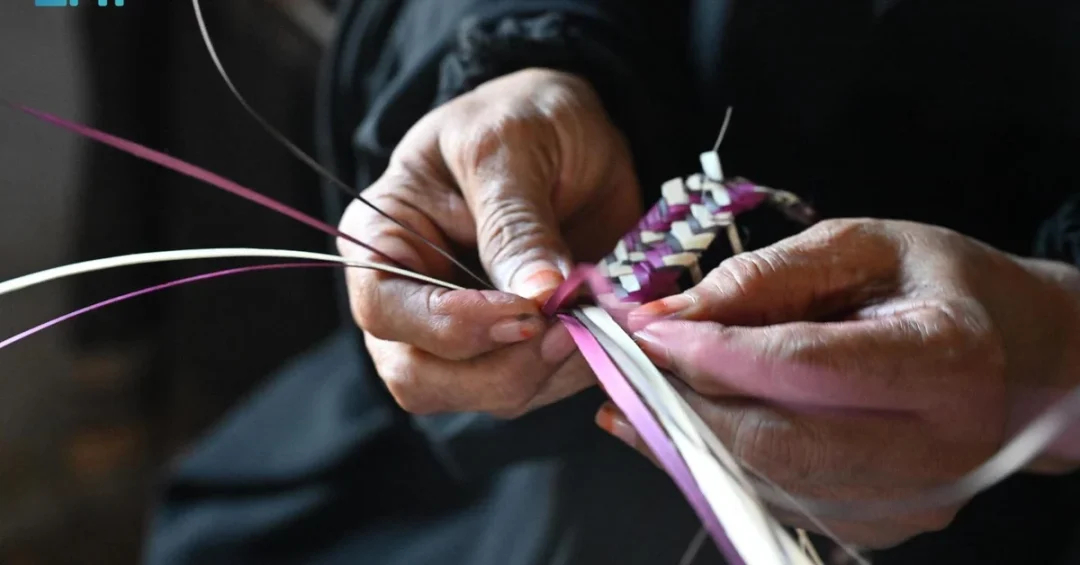
The craftswomen of the Farasan Islands are sustaining a living maritime heritage, transforming seashells, palm fronds, and traditional needlework into cultural treasures that now enrich festivals, tourism routes, and community life across the Red Sea archipelago. According to the Saudi Press Agency (SPA), these artisans are blending skills once essential for daily survival with the demands of a modern cultural economy, ensuring that the islands’ distinctive identity endures for future generations.
The Farasan Islands, located off the southwestern coast of Saudi Arabia, have long depended on the Red Sea for sustenance and trade. Today, the women of the islands are channeling that maritime inheritance into crafts that are finding new audiences among visitors and residents alike. From intricately woven skullcaps to jewelry fashioned from snails and seashells, their work reflects a deep connection to the sea and a commitment to passing on ancestral knowledge. As Saudi Arabia’s cultural sector expands under Vision 2030, these craftswomen stand at the intersection of tradition and opportunity, demonstrating how local heritage can thrive in a rapidly modernizing Kingdom.
Context and Background
How did the women of the Farasan Islands become custodians of a maritime heritage that stretches back generations? The answer lies in the islands’ history as a crossroads of Red Sea trade and fishing culture. For centuries, Farasan’s residents relied on the sea for their livelihoods, and women developed crafts that supported daily life. They transformed available natural materials, such as seashells, snails, and palm fronds, into practical and decorative items. These skills were not merely hobbies; they were essential for survival, providing tools, clothing, and goods for barter. Over time, the crafts evolved into expressions of identity, with each piece carrying the story of the islands’ marine environment.
The Saudi Press Agency reports that these crafts, once vital for daily survival, now enrich festivals, tourist routes, and the lives of locals and visitors alike. This shift reflects broader changes in Saudi Arabia, where cultural heritage is increasingly recognized as a driver of economic and social value. The Farasan Islands themselves have gained prominence as a destination for eco-tourism and heritage tourism, with visitors drawn to their pristine beaches, diverse wildlife, and unique traditions. The craftswomen’s work has become a central attraction, offering a tangible connection to the islands’ past while contributing to the local economy.
In recent years, Saudi Arabia has invested significantly in preserving and promoting its cultural heritage. The Ministry of Culture, established in 2018, has launched numerous initiatives to support traditional arts and crafts. The Farasan craftswomen benefit from this national momentum, which provides platforms for showcasing their work and encourages younger generations to learn these skills. The islands’ crafts are also featured in regional festivals, such as the Jazan Winter Festival, where they reach a wider audience. This support system ensures that the craftswomen can continue their work while adapting to contemporary tastes and market demands.
Key Details
What exactly do the Farasan craftswomen create, and how do they go about it? Drawing inspiration from their marine environment, these skilled artisans transform snails and seashells into exquisite jewelry, ornaments, bags, and sculptures. Each piece showcases the unique beauty of the Farasan coast, with its rich colors and textures. The shells are carefully collected, cleaned, and crafted into items that are both decorative and functional. The craftswomen also expertly utilize palm fronds and doum palm trees, weaving them into practical items like prayer rugs, fans, and baskets. This weaving tradition requires dexterity and patience, as the fronds must be harvested, dried, and treated before being woven into intricate patterns.
One of the island’s most celebrated crafts is the intricate weaving of men’s skullcaps, adorned with delicate patterns using needles and white thread. This skill, passed down through generations, exemplifies the Farasan women’s mastery. The skullcaps are not only functional headwear but also works of art, with each pattern telling a story or representing a family tradition. The process involves selecting fine threads, often cotton or silk, and using a needle to create geometric and floral motifs. The finished caps are highly prized and are often worn during religious festivals and family celebrations. The craftswomen take great pride in their work, viewing it as a way to honor their ancestors and maintain a link to their heritage.
Fatima bint Othman Salah, a craftswoman from the islands, spoke to the Saudi Press Agency about the importance of their work. “We, the craftswomen of Farasan, are dedicated to preserving our island’s heritage and maritime identity,” she said. “We teach young girls the secrets of these crafts, ensuring their continuity for generations to come.” Her words underscore the commitment of the Farasan women to intergenerational knowledge transfer. Through their dedication, they are not only sustaining traditional practices but also breathing new life into them, making them relevant and appreciated in the present day. The craftswomen have also adapted their designs to appeal to modern consumers, creating items that can be used as home decor, fashion accessories, and souvenirs.
International and Regional Impact
How do the Farasan craftswomen’s efforts resonate beyond the islands? Their work contributes to Saudi Arabia’s growing reputation as a destination for cultural tourism. International visitors to the Red Sea region often seek authentic experiences, and the Farasan crafts offer a window into a way of life that has endured for centuries. The islands are part of the Jazan Province, which has been developed as a tourism hub under Vision 2030. The craftswomen’s products are sold at local markets, festivals, and through online platforms, reaching customers in the Gulf region and beyond. This exposure helps to promote Saudi Arabia’s cultural diversity and counter stereotypes, presenting the Kingdom as a land of rich traditions and skilled artisans.
Regionally, the Farasan Islands are part of a broader Red Sea cultural landscape that includes Yemen, Eritrea, and Sudan. The craftswomen’s maritime-inspired designs reflect a shared heritage that transcends national borders. By preserving their crafts, they contribute to the preservation of a regional identity that is increasingly threatened by globalization. Moreover, their success serves as a model for other communities in Saudi Arabia and the wider Arab world, demonstrating how traditional skills can be leveraged for economic empowerment. The Saudi government’s support for such initiatives aligns with its goal of promoting cultural diplomacy and strengthening ties with neighboring countries.
Economic and Strategic Significance
What economic opportunities do these crafts create for the Farasan community? The production and sale of handicrafts provide income for many families, particularly women who may have limited access to formal employment. The craftswomen often work from home, allowing them to balance their craft with household responsibilities. As demand for authentic, handmade goods grows, their products command premium prices, both locally and internationally. The Saudi Press Agency notes that the crafts now enrich festivals and tourist routes, indicating a direct link between cultural preservation and economic development. The islands’ handicrafts are also featured in national campaigns to promote Saudi heritage, such as the Ministry of Culture’s “Year of Handicrafts” initiative, which aims to support artisans and raise awareness of their contributions.
Strategically, the Farasan crafts support Saudi Arabia’s Vision 2030 goals of diversifying the economy and fostering a vibrant society. By creating jobs and generating income in a remote region, they help to reduce regional disparities and promote inclusive growth. The craftswomen also serve as ambassadors for Saudi culture, showcasing the Kingdom’s commitment to preserving its heritage while embracing modernity. Their work aligns with the National Transformation Program, which emphasizes the development of cultural and creative industries. As Saudi Arabia continues to open up to international tourism, the Farasan craftswomen are well-positioned to benefit from increased visitor numbers and global interest in authentic Saudi experiences.
Vision 2030 Alignment
How does the work of the Farasan craftswomen connect to Saudi Arabia’s long-term vision? Vision 2030, launched by Crown Prince Mohammed bin Salman in 2016, seeks to transform the Kingdom into a diversified economy and a global hub for culture and tourism. The preservation of traditional crafts is a key component of this vision, as it supports the goal of showcasing Saudi Arabia’s rich cultural heritage to the world. The Farasan craftswomen embody the spirit of Vision 2030 by blending tradition with innovation, creating products that are both rooted in the past and relevant to the present. Their efforts contribute to the Quality of Life Program, which aims to enhance the living standards of Saudi citizens and residents by promoting cultural activities and community engagement.
Through their dedication, the women of Farasan are not only sustaining traditional practices but also breathing new life into them, making them relevant and appreciated in the present day. As Saudi Arabia continues to invest in its cultural sector, the craftswomen of the Farasan Islands will remain a shining example of how heritage can be a source of pride, economic opportunity, and international connection. Their story is one of resilience, creativity, and a deep love for the sea that has shaped their identity. In a rapidly changing world, they stand as guardians of a maritime legacy that enriches the Kingdom and inspires the next generation.
20 Questions
Q1. What is the main focus of the Farasan craftswomen’s work?
A1. The Farasan craftswomen focus on preserving and promoting the islands’ maritime heritage through traditional crafts such as shell jewelry, palm frond weaving, and intricately patterned skullcaps. Their work blends ancient skills with modern demand, enriching festivals, tourism, and community life.
Q2. Where are the Farasan Islands located?
A2. The Farasan Islands are an archipelago in the Red Sea, located off the southwestern coast of Saudi Arabia. They are part of the Jazan Province and are known for their rich biodiversity, pristine beaches, and unique cultural heritage.
Q3. What materials do the craftswomen use?
A3. The craftswomen use natural materials from their environment, including snails, seashells, palm fronds, and doum palm trees. These materials are transformed into jewelry, ornaments, bags, sculptures, prayer rugs, fans, and baskets.
Q4. What is one of the most celebrated crafts of the Farasan Islands?
A4. One of the most celebrated crafts is the intricate weaving of men’s skullcaps, adorned with delicate patterns using needles and white thread. This skill has been passed down through generations and exemplifies the mastery of Farasan women.
Q5. Who is Fatima bint Othman Salah?
A5. Fatima bint Othman Salah is a craftswoman from the Farasan Islands who spoke to the Saudi Press Agency about the importance of preserving the islands’ heritage and maritime identity. She emphasized teaching young girls the secrets of these crafts.
Q6. How are the crafts passed down through generations?
A6. The crafts are passed down through generations by teaching young girls the techniques and secrets of the trade. This intergenerational knowledge transfer ensures the continuity of the islands’ heritage for future generations.
Q7. What role do the crafts play in the local economy?
A7. The crafts provide income for families, particularly women, and support the local economy by attracting tourists and enriching festivals. They are sold at markets, festivals, and online, contributing to the economic development of the region.
Q8. How do the crafts reflect the maritime environment?
A8. The crafts reflect the maritime environment through the use of seashells, snails, and other marine materials. The designs often incorporate motifs inspired by the sea, such as waves, fish, and coral, showcasing the unique beauty of the Farasan coast.
Q9. What is the significance of the skullcaps?
A9. The skullcaps are significant as a traditional form of headwear for men, often worn during religious festivals and family celebrations. They are intricately woven with delicate patterns and represent a high level of craftsmanship and cultural pride.
Q10. How has the demand for these crafts changed over time?
A10. Once essential for daily survival, the crafts now cater to modern demand from tourists and collectors. They have evolved from utilitarian items to decorative and fashion accessories, finding new markets while retaining their cultural authenticity.
Q11. What support does the Saudi government provide to the craftswomen?
A11. The Saudi government, through the Ministry of Culture and other agencies, supports the craftswomen by providing platforms for showcasing their work, offering training, and promoting cultural heritage as part of Vision 2030. This includes festivals and national initiatives.
Q12. How do the crafts contribute to tourism in the Farasan Islands?
A12. The crafts contribute to tourism by offering visitors authentic cultural experiences and unique souvenirs. They are featured in tourist routes and festivals, drawing visitors interested in heritage and eco-tourism to the islands.
Q13. What is the Vision 2030 connection to these crafts?
A13. Vision 2030 aims to diversify the economy and promote cultural heritage. The crafts support this by creating economic opportunities, preserving traditions, and enhancing Saudi Arabia’s cultural tourism offerings, aligning with the Quality of Life Program.
Q14. Are there any environmental considerations in the crafts?
A14. The craftswomen use natural materials sustainably, collecting shells and palm fronds in a way that respects the environment. Their work promotes eco-friendly practices and highlights the importance of preserving the Red Sea’s natural resources.
Q15. How can international audiences purchase these crafts?
A15. International audiences can purchase the crafts through online platforms, at cultural festivals, and via retailers that specialize in Saudi handicrafts. The Saudi Press Agency and Ministry of Culture often promote such avenues.
Q16. What challenges do the craftswomen face?
A16. Challenges include competition from mass-produced goods, the need to adapt designs to modern tastes, and limited access to broader markets. However, government support and growing interest in authentic handicrafts are helping to overcome these obstacles.
Q17. How do the crafts empower women in the Farasan Islands?
A17. The crafts empower women by providing them with income, a sense of pride, and a platform to preserve their heritage. They can work from home, balancing economic activity with family responsibilities, and gain recognition for their skills.
Q18. What is the significance of the doum palm in the crafts?
A18. The doum palm is significant as a source of material for weaving. Its fronds are durable and flexible, ideal for making prayer rugs, fans, and baskets. The use of doum palm reflects the islands’ botanical diversity and resourcefulness.
Q19. How do the crafts preserve maritime identity?
A19. The crafts preserve maritime identity by incorporating marine materials and designs that reflect the islands’ connection to the sea. They tell the story of a community whose lives have been shaped by the Red Sea for generations.
Q20. What is the future outlook for Farasan crafts?
A20. The future outlook is positive, with growing demand for authentic cultural products and strong government support. As Vision 2030 progresses, the crafts are expected to reach wider audiences, ensuring their survival and continued relevance.
Reader Feedback
We value your thoughts. Please share your feedback on this article.
Your feedback helps us improve our coverage.
Related articles
 Kaaba Kiswa Creation Showcased at Islamic Arts Biennale
 Mihrabs of the Prophet’s Mosque: Islamic Architectural Gems
 Al-Jum’ah Mosque: A Significant Islamic Site in Madinah
 Shadawi Coffee: A Ramadan Staple in Al-Baha
 Iftar: A Cherished Tradition in Turaif, Saudi Arabia
 Jazan’s Century-Old Ramadan Traditions Endure