


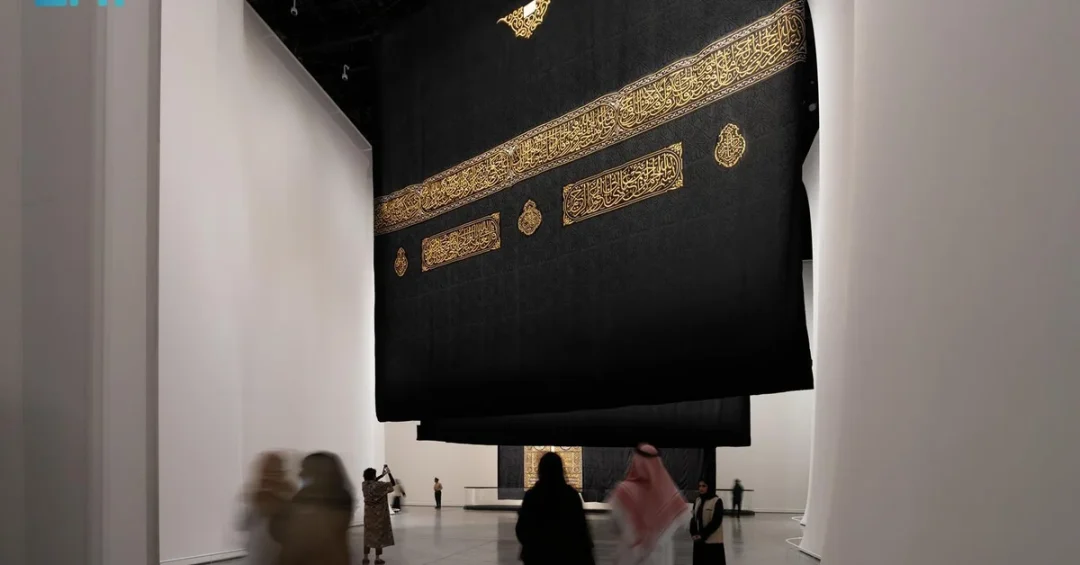
The cultural program accompanying the second edition of the Islamic Arts Biennale, held at King Abdulaziz International Airport in Jeddah, has unveiled a unique interactive exhibition that offers visitors an immersive look at the stages of creating and preserving the Holy Kaaba’s Kiswa, according to the Saudi Press Agency (SPA). The 30-minute educational experience, one of the most notable Ramadan cultural activities associated with the biennale, invites attendees to explore the intricate processes behind the sacred covering, from calligraphy printing and sewing to gilding and perfuming. The exhibition also showcases the tools used for Kaaba cleansing and provides a historical overview spanning from 1927 to modern manufacturing techniques. Have you ever wondered how one of the world’s most revered religious artifacts is crafted with such precision and devotion?
The Islamic Arts Biennale, organized by the Diriyah Biennale Foundation, has established itself as a premier global platform for celebrating Islamic artistic heritage. This year’s edition, taking place during the holy month of Ramadan, holds special significance for Muslims worldwide. The interactive Kiswa exhibition not only highlights the craftsmanship involved but also deepens understanding of the spiritual and cultural dimensions of the Kaaba. By blending education with engagement, the biennale reinforces Saudi Arabia’s commitment to preserving Islamic heritage while embracing modern methods of storytelling. Isn’t it remarkable how tradition and innovation can converge to illuminate such a sacred tradition?
Context and Background
The Holy Kaaba’s Kiswa is a black silk and gold-embroidered cloth that covers the Kaaba in Mecca, one of the most sacred sites in Islam. Historically, the Kiswa was produced in various locations, including Egypt, before King Abdulaziz Al Saud established a dedicated factory in Mecca in 1927. This move centralized and standardized production, ensuring the highest quality and spiritual integrity. The exhibition at the Islamic Arts Biennale traces this evolution, offering a rare glimpse into a tradition that has been meticulously maintained for nearly a century. How does such a storied practice adapt to the demands of the modern world while preserving its sacred essence?
The second edition of the Islamic Arts Biennale, held at the Western Hajj Terminal of King Abdulaziz International Airport, features contributions from over 30 institutions and numerous artists from around the globe. The cultural program includes performances, workshops, and exhibitions that explore the intersection of faith, art, and culture. The Kiswa exhibition stands out as a highlight, drawing visitors eager to learn about the craftsmanship and spiritual significance of the covering. By situating this exhibition within a broader artistic context, the biennale underscores the interconnectedness of Islamic traditions and contemporary creative expression. Could there be a more fitting setting than Ramadan to reflect on the profound meanings embedded in this sacred cloth?
The exhibition’s timing during Ramadan adds a layer of spiritual resonance. Ramadan is a month of reflection, devotion, and community, making it an ideal period for visitors to engage with the Kiswa’s story. The 30-minute experience is designed to be both educational and contemplative, allowing attendees to appreciate the dedication required to produce the Kiswa annually. This alignment with the holy month enhances the overall impact of the biennale, inviting participants to connect with their faith through art and history. How often do we get the chance to witness the meticulous care behind a tradition that millions hold dear?
Key Details
The interactive exhibition guides visitors through each stage of the Kiswa’s creation. It begins with calligraphy printing, where verses from the Quran are meticulously inscribed onto the fabric. Skilled artisans then proceed to sewing, gilding with gold and silver threads, and perfuming the cloth with precious oils. The exhibition also displays the tools used for cleansing the Kaaba, offering a behind-the-scenes look at the rituals that maintain the sanctity of the site. A historical timeline from 1927 to the present illustrates how techniques have evolved while remaining true to traditional methods. Isn’t it fascinating to see how ancient skills are kept alive through modern educational platforms?
Two documentary films, “I Am Unique” and “Kiswa (Cover) of the Kaaba,” are featured as part of the experience. These films provide additional depth, showcasing the spiritual and cultural significance of the Kiswa through personal stories and expert insights. Visitors can watch the intricate processes unfold on screen, gaining a deeper appreciation for the artisans’ dedication. The films also highlight the role of the King Abdulaziz Complex for the Holy Kaaba’s Kiswa, which oversees production and ensures that the covering meets the highest standards. What better way to understand the soul of this tradition than through the voices of those who create it?
The exhibition is part of the biennale’s cultural program, which includes a variety of activities designed to engage diverse audiences. From guided tours to hands-on workshops, the program aims to make Islamic art accessible to all. The Kiswa exhibition, in particular, has attracted significant attention for its unique blend of education and interactivity. By offering a multisensory experience, it allows visitors to connect with the material and spiritual aspects of the Kiswa. Could this be the most engaging way to learn about a tradition that has endured for generations?
International and Regional Impact
The Islamic Arts Biennale has drawn participants and visitors from across the globe, reinforcing Saudi Arabia’s position as a cultural hub. The Kiswa exhibition contributes to this international appeal by presenting a facet of Islamic heritage that resonates with Muslims and non-Muslims alike. It fosters cross-cultural dialogue and understanding, showcasing the Kingdom’s efforts to preserve and share its rich history. Regional visitors, particularly from the Gulf and wider Middle East, have praised the exhibition for its authenticity and educational value. How does such an exhibition help bridge cultural divides and foster mutual respect?
Moreover, the biennale aligns with Saudi Arabia’s broader cultural diplomacy initiatives, which aim to promote tolerance and intercultural exchange. By highlighting the Kiswa’s significance, the exhibition underscores the Kingdom’s role as the custodian of Islam’s holiest sites. This soft power approach enhances Saudi Arabia’s global image and strengthens ties with nations around the world. The positive reception of the exhibition reflects a growing appreciation for Islamic art and culture on the international stage. Isn’t it inspiring to see how art can serve as a bridge between different peoples and traditions?
Economic and Strategic Significance
The Islamic Arts Biennale, including the Kiswa exhibition, contributes to Saudi Arabia’s economic diversification efforts under Vision 2030. By attracting tourists and art enthusiasts, the event stimulates local businesses, from hotels to restaurants, and creates opportunities for cultural entrepreneurs. The biennale also supports the growth of the creative economy, a key pillar of the Kingdom’s strategic plan. The exhibition’s focus on traditional crafts highlights the potential for heritage-based industries to thrive in a modern economy. How can the preservation of cultural heritage drive economic growth and innovation?
Strategically, the biennale reinforces Saudi Arabia’s commitment to showcasing its cultural leadership. It aligns with the goals of the National Culture Strategy and the Quality of Life Program, which aim to enrich the lives of citizens and residents while attracting international visitors. The Kiswa exhibition, by educating the public about a sacred tradition, also promotes religious tourism, a growing sector. This integration of culture, education, and tourism exemplifies the holistic approach of Vision 2030. Could this be a model for how nations can leverage their heritage for sustainable development?
Vision 2030 Alignment
The interactive Kiswa exhibition at the Islamic Arts Biennale exemplifies Saudi Arabia’s Vision 2030 by preserving and promoting Islamic heritage while embracing modernity. It reflects the Kingdom’s dedication to cultural enrichment, education, and global engagement. Through such initiatives, Saudi Arabia demonstrates that tradition and progress can coexist harmoniously, offering a blueprint for other nations. The exhibition not only honors the past but also inspires future generations to value and continue these timeless crafts. How will such endeavors shape the next chapter of Saudi Arabia’s cultural journey?
As the biennale continues to welcome visitors, the Kiswa exhibition stands as a testament to the Kingdom’s unwavering commitment to its faith and its people. By sharing this sacred tradition with the world, Saudi Arabia fosters understanding and appreciation, strengthening its role as a global leader in cultural diplomacy. The exhibition is a reminder that Vision 2030 is not just about economic transformation but also about nurturing the soul of a nation. Isn’t it fitting that a cloth covering the holiest site serves as a symbol of Saudi Arabia’s enduring heritage and its bright future?
20 Questions
Q1. What is the Kiswa?
A1. The Kiswa is the black silk and gold-embroidered cloth that covers the Holy Kaaba in Mecca. It is a sacred tradition maintained by Saudi Arabia, with production centralized at the King Abdulaziz Complex for the Holy Kaaba’s Kiswa.
Q2. Where is the Islamic Arts Biennale held?
A2. The second edition of the Islamic Arts Biennale is held at King Abdulaziz International Airport in Jeddah, specifically at the Western Hajj Terminal, a site rich in cultural and historical significance.
Q3. What does the interactive exhibition feature?
A3. The exhibition features a 30-minute educational experience covering calligraphy printing, sewing, gilding, and perfuming of the Kiswa, along with tools for Kaaba cleansing and a historical overview from 1927 to modern techniques.
Q4. Who organizes the Islamic Arts Biennale?
A4. The biennale is organized by the Diriyah Biennale Foundation, which aims to promote Islamic art and culture globally through exhibitions, workshops, and cultural programs.
Q5. Why is the exhibition significant during Ramadan?
A5. Ramadan is a holy month of reflection and devotion, making it an ideal time to engage with the spiritual and cultural significance of the Kiswa, enhancing the visitor experience.
Q6. What are the documentary films shown?
A6. The films “I Am Unique” and “Kiswa (Cover) of the Kaaba” are featured, providing deeper insights into the creation and spiritual meaning of the Kiswa through expert narratives.
Q7. How does the exhibition support Vision 2030?
A7. It aligns with Vision 2030 by preserving Islamic heritage, promoting cultural education, and contributing to economic diversification through tourism and the creative economy.
Q8. What is the historical timeline covered?
A8. The exhibition traces the Kiswa’s production from 1927, when King Abdulaziz established a dedicated factory, to contemporary manufacturing methods used today.
Q9. Who oversees the Kiswa’s production?
A9. The King Abdulaziz Complex for the Holy Kaaba’s Kiswa oversees production, ensuring the highest quality and adherence to traditional craftsmanship.
Q10. How does the exhibition engage visitors?
A10. Through interactive displays, documentary films, and detailed explanations of each stage, visitors gain a multisensory understanding of the Kiswa’s creation and preservation.
Q11. What is the role of calligraphy in the Kiswa?
A11. Calligraphy printing involves inscribing Quranic verses onto the fabric, a meticulous process that reflects the spiritual significance and artistic excellence of the Kiswa.
Q12. What tools are displayed for Kaaba cleansing?
A12. The exhibition showcases the traditional tools and methods used to cleanse the Kaaba, highlighting the rituals that maintain its sanctity and purity.
Q13. How does the biennale attract international visitors?
A13. By featuring diverse Islamic art and cultural programs, including the Kiswa exhibition, the biennale draws global audiences interested in heritage, art, and spirituality.
Q14. What is the economic impact of the biennale?
A14. The biennale stimulates local businesses, supports the creative economy, and promotes religious tourism, contributing to Saudi Arabia’s economic diversification goals.
Q15. How does the exhibition promote cultural diplomacy?
A15. It fosters cross-cultural understanding by sharing Islamic heritage with a global audience, enhancing Saudi Arabia’s image as a custodian of Islamic culture.
Q16. What are the stages of Kiswa creation?
A16. The stages include calligraphy printing, sewing, gilding with gold and silver threads, and perfuming with precious oils, each performed with precision and devotion.
Q17. Why is the Kiswa perfumed?
A17. Perfuming the Kiswa with precious oils is a traditional practice that adds a sensory dimension to the sacred covering, symbolizing purity and reverence.
Q18. How long does the interactive experience last?
A18. The educational experience lasts 30 minutes, offering a concise yet comprehensive overview of the Kiswa’s creation and preservation.
Q19. What is the significance of the Western Hajj Terminal?
A19. The Western Hajj Terminal is a historic gateway for pilgrims and a fitting venue for the biennale, symbolizing the intersection of faith, art, and culture.
Q20. How can visitors learn more about the Kiswa?
A20. Visitors can explore the exhibition at the Islamic Arts Biennale, watch the documentary films, and engage with the detailed displays and historical timeline provided.
Reader Feedback
We value your thoughts. Please share your feedback on this article.
Your feedback helps us improve our coverage.
Related articles
 Mihrabs of the Prophet’s Mosque: Islamic Architectural Gems
 Al-Jum’ah Mosque: A Significant Islamic Site in Madinah
 Shadawi Coffee: A Ramadan Staple in Al-Baha
 Iftar: A Cherished Tradition in Turaif, Saudi Arabia
 Jazan’s Century-Old Ramadan Traditions Endure
 Alitham Mosque Restoration in AlUla Preserves Centuries of History