


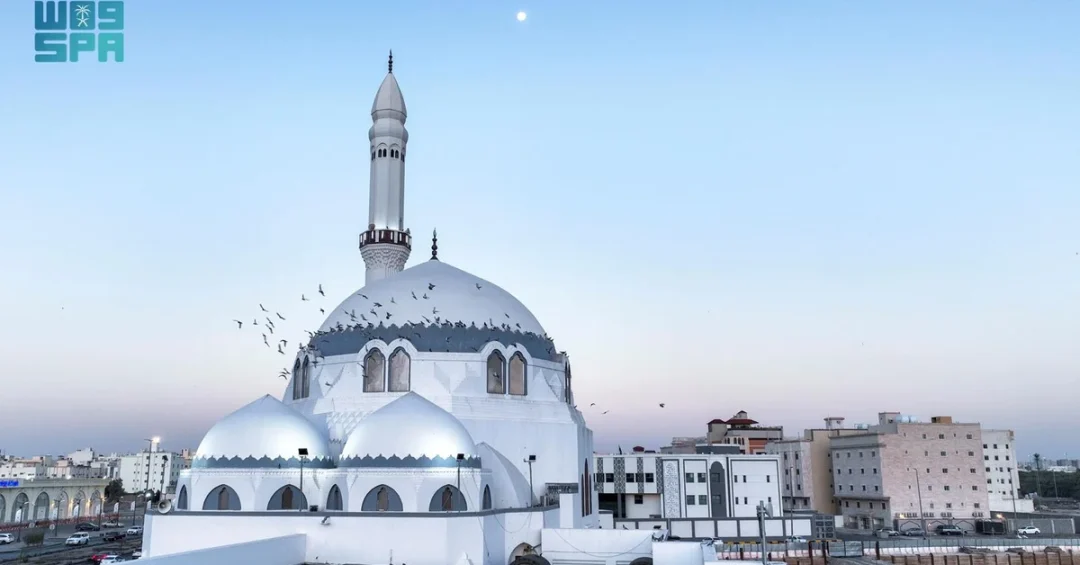
Al-Jum’ah Mosque in Madinah, a significant Islamic landmark named after the first Friday prayer led by Prophet Mohammed following his Hijrah from Makkah, stands as a testament to the early history of Islam and the enduring architectural heritage of the region. Located in the Quba area, approximately 900 meters north of the Quba Mosque, the mosque holds a unique status due to its historical significance and the various developments it has undergone, reflecting the evolution of Islamic architecture in Madinah. According to official Saudi sources, including the Saudi Press Agency (SPA), the mosque remains an important destination for visitors seeking to connect with the Prophet’s biography.
Context and Background
The Al-Jum’ah Mosque, also known as Al-Wadi Mosque or Atikah Mosque, derives its name from a pivotal event in Islamic history. Historical sources indicate that Prophet Mohammed stayed in Quba for four days after emigrating from Makkah to Madinah. On Friday, as he was heading towards Madinah, he arrived at the home of the Bani Salem bin Auf, where he prayed with them. This prayer, the first Friday prayer held after the Hijrah, is how the mosque received its name. The mosque’s proximity to several renowned Islamic landmarks, including the Quba Mosque, makes it an important destination for visitors to Madinah, particularly those interested in the life of the Prophet and the early days of Islam.
Key Details
The mosque is situated in the Quba area, approximately 900 meters north of the Quba Mosque. It is also known as Al-Wadi Mosque or Atikah Mosque, reflecting the location of its construction. Over the years, the mosque has undergone various developments, reflecting the evolution of Islamic architecture in Madinah. These developments have been documented by historical sources and are part of the rich tapestry of Islamic heritage in the region. The mosque’s unique status is further enhanced by its connection to the Prophet’s biography, making it a site of profound spiritual and historical significance.
Implications and Impact
The Al-Jum’ah Mosque serves as a reminder of the early Islamic community and the importance of Friday prayers. Its location in the Quba area, near other significant landmarks, contributes to the spiritual experience of visitors and pilgrims. The mosque’s historical and architectural value also plays a role in Saudi Arabia’s efforts to preserve and promote Islamic heritage. As part of the Kingdom’s broader initiatives to enhance religious tourism, sites like Al-Jum’ah Mosque attract visitors from around the world, fostering a deeper understanding of Islam’s history and the Prophet’s journey.
Vision 2030 Alignment
The preservation and promotion of Al-Jum’ah Mosque align with Saudi Arabia’s Vision 2030, which aims to enrich the Hajj and Umrah experience and showcase the Kingdom’s rich Islamic heritage. By maintaining such sites, Saudi Arabia demonstrates its commitment to serving Islam and Muslims globally, while also enhancing cultural tourism. The mosque stands as a symbol of the Kingdom’s dedication to preserving its historical and religious legacy for future generations, contributing to the success of Vision 2030 through responsible stewardship of Islamic landmarks.
20 Questions
Q1. What is Al-Jum’ah Mosque?
A1. Al-Jum’ah Mosque is a significant Islamic landmark in Madinah, named after the first Friday prayer led by Prophet Mohammed after his Hijrah from Makkah. It holds historical importance and reflects the evolution of Islamic architecture in the region.
Q2. Where is Al-Jum’ah Mosque located?
A2. It is situated in the Quba area of Madinah, approximately 900 meters north of the Quba Mosque. Its proximity to other renowned Islamic landmarks makes it an important destination for visitors.
Q3. Why is the mosque called Al-Jum’ah Mosque?
A3. The mosque is named after the first Friday prayer (Jum’ah) held after the Hijrah. Prophet Mohammed prayed with the Bani Salem bin Auf at this location, marking a significant moment in Islamic history.
Q4. What are the alternative names of Al-Jum’ah Mosque?
A4. The mosque is also known as Al-Wadi Mosque or Atikah Mosque, reflecting the location of its construction. These names are derived from the area’s historical and geographical context.
Q5. What historical event is associated with Al-Jum’ah Mosque?
A5. The first Friday prayer after the Hijrah, led by Prophet Mohammed, took place at this site. This event is central to the mosque’s significance and its name.
Q6. How long did Prophet Mohammed stay in Quba before moving to Madinah?
A6. Historical sources indicate that Prophet Mohammed stayed in Quba for four days after emigrating from Makkah. During this time, he established the first mosque in Islam, the Quba Mosque.
Q7. What developments has Al-Jum’ah Mosque undergone?
A7. The mosque has undergone various developments over the years, reflecting the evolution of Islamic architecture in Madinah. These changes have been documented and contribute to its historical and architectural value.
Q8. Why is Al-Jum’ah Mosque important for visitors to Madinah?
A8. Its proximity to other Islamic landmarks and its connection to the Prophet’s biography make it a significant destination. Visitors can learn about early Islamic history and the importance of Friday prayers.
Q9. What is the significance of the first Friday prayer after the Hijrah?
A9. The first Friday prayer after the Hijrah marked the establishment of the weekly congregational prayer in Islam. It was a unifying event for the early Muslim community in Madinah.
Q10. How does Al-Jum’ah Mosque reflect Islamic architecture?
A10. The mosque’s developments over time showcase the evolution of Islamic architectural styles in Madinah, incorporating traditional elements and adaptations to the local environment.
Q11. What role does Al-Jum’ah Mosque play in Saudi Arabia’s religious tourism?
A11. It attracts visitors and pilgrims interested in Islamic history, contributing to the Kingdom’s efforts to enhance religious tourism and showcase its rich heritage.
Q12. How is Al-Jum’ah Mosque connected to the Prophet’s biography?
A12. The mosque is directly linked to the Prophet’s Hijrah and his first Friday prayer in Madinah, making it a tangible connection to his life and teachings.
Q13. What is the distance between Al-Jum’ah Mosque and Quba Mosque?
A13. Al-Jum’ah Mosque is approximately 900 meters north of the Quba Mosque, placing it within the same historic area of Quba.
Q14. Who was present at the first Friday prayer at Al-Jum’ah Mosque?
A14. Prophet Mohammed prayed with the Bani Salem bin Auf at the location. This community was among the first to host the Prophet after his arrival in Madinah.
Q15. How does Al-Jum’ah Mosque contribute to understanding early Islam?
A15. It provides physical and historical context for key events in early Islam, such as the Hijrah and the establishment of Friday prayers, helping visitors and scholars alike.
Q16. What efforts are made to preserve Al-Jum’ah Mosque?
A16. Saudi authorities oversee the preservation and maintenance of the mosque, ensuring its historical and architectural integrity for future generations, in line with Vision 2030 goals.
Q17. Why is Al-Jum’ah Mosque considered a significant Islamic site?
A17. Its association with the first Friday prayer after the Hijrah and the Prophet’s journey gives it a unique status in Islamic history, making it a site of spiritual and historical importance.
Q18. How does Al-Jum’ah Mosque support Vision 2030?
A18. By preserving and promoting such heritage sites, Saudi Arabia enhances cultural tourism and religious experiences, aligning with Vision 2030’s objectives to enrich Hajj and Umrah journeys.
Q19. What can visitors learn at Al-Jum’ah Mosque?
A19. Visitors can learn about the early Islamic community, the significance of Friday prayers, and the Prophet’s biography, gaining a deeper understanding of Islamic history and traditions.
Q20. What makes Al-Jum’ah Mosque a unique destination in Madinah?
A20. Its direct connection to a pivotal event in Islamic history, combined with its architectural evolution and proximity to other landmarks, makes it a unique and spiritually enriching destination for visitors.
Reader Feedback
We value your thoughts. Please share your feedback on this article.
Your feedback helps us improve our coverage.
Related articles
 Shadawi Coffee: A Ramadan Staple in Al-Baha
 Iftar: A Cherished Tradition in Turaif, Saudi Arabia
 Jazan’s Century-Old Ramadan Traditions Endure
 Alitham Mosque Restoration in AlUla Preserves Centuries of History
 Al-Baha’s Ramadan Nights Festival Lights Up with Heritage and Commerce
 Madinah’s Ramadan Market: A Cultural and Commercial Hub