


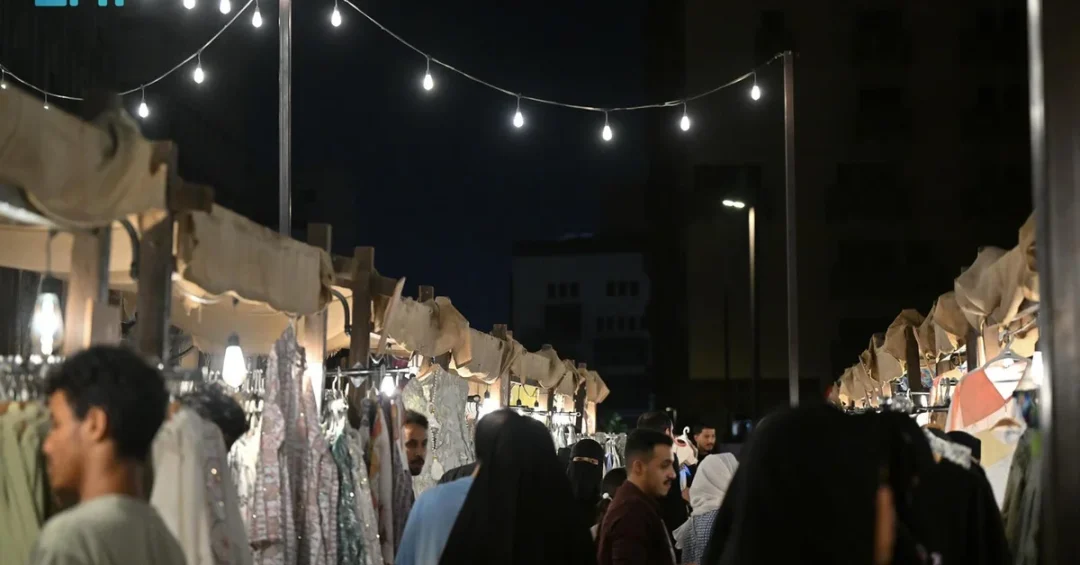
Al-Balad Bazaars, located along the historic Gold Street in Jeddah’s UNESCO-listed Historic District, are drawing international attention as a living showcase of Saudi Arabia’s cultural diversity, according to information released by the Saudi Press Agency (SPA). The bazaars, which occupy stalls within the district’s ancient coral-stone buildings and narrow alleys, present handicrafts, art, and traditional clothing that preserve local heritage while offering visitors a direct encounter with the daily life of past residents. The SPA report, dated March 12, 2025, highlights how these markets serve as more than retail spaces: they are platforms for cultural storytelling and economic empowerment.
For international audiences, Al-Balad Bazaars represent a tangible expression of the Kingdom’s broader efforts to celebrate its diverse regional traditions under the framework of Saudi Vision 2030. The bazaars bring together artisans, entrepreneurs, and families engaged in cottage industries, providing them with sales outlets inside one of the Kingdom’s most historically significant neighborhoods. As Saudi Arabia continues to open its doors to global travelers and investors, sites like Al-Balad offer a counterpoint to modern mega-projects, grounding the national narrative in centuries of trade, pilgrimage, and cultural exchange. How often does a marketplace double as a museum of living heritage? In Jeddah, that question finds a daily answer.
Context and Background
What makes Al-Balad unique among Saudi Arabia’s many heritage sites? The Jeddah Historic District, known locally as Al-Balad, was founded in the 7th century and served for centuries as the gateway to Mecca for pilgrims and traders arriving by sea. Its coral-stone houses, wooden rawashin balconies, and labyrinthine souqs earned it recognition as a UNESCO World Heritage Site in 2014. The district’s Gold Street, historically a center for commerce, now hosts the Al-Balad Bazaars, which the SPA describes as an experience that reveals the stories and daily life of past residents. These bazaars are not static exhibits; they are active markets where heritage products are bought and sold, keeping traditional crafts alive.
The bazaars’ stalls reflect the area’s rich heritage, showcasing handicrafts, art, and traditional clothing that preserve local culture and attract visitors. This aligns with the Saudi Ministry of Culture’s mandate to safeguard intangible cultural heritage while promoting cultural tourism. The Jeddah Historic District Program, overseen by the Ministry of Culture, has invested in restoring buildings and infrastructure, creating a suitable environment for these markets to thrive. For international readers, it is important to understand that Al-Balad is not a theme park but a working neighborhood where residents, merchants, and visitors interact daily. The bazaars thus embody a model of heritage-led regeneration that balances preservation with economic opportunity.
Why do these bazaars matter now? As Saudi Arabia accelerates its tourism and cultural strategies, Al-Balad serves as a flagship destination that complements other Vision 2030 projects. The SPA report underscores that the bazaars empower entrepreneurs and families engaged in the cottage industry by providing sales outlets within the district’s ancient buildings and alleys, expanding the market for heritage products. This economic dimension is crucial: it transforms cultural preservation from a cost center into a source of livelihood, ensuring that heritage remains relevant to contemporary Saudi society.
Key Details of the Al-Balad Bazaars
What exactly can visitors find in the Al-Balad Bazaars? According to the SPA, the stalls offer a wide array of items: handmade textiles, pottery, jewelry, incense, traditional clothing such as the hijab and thobe, and artwork inspired by Hejazi motifs. Many of these products are crafted by local artisans who have inherited techniques from previous generations. The bazaars are arranged along Gold Street, a historic thoroughfare that has been revitalized as part of the Jeddah Historic District Program. The setting itself—ancient buildings with intricate wooden latticework—adds to the authenticity of the shopping experience.
The bazaars also function as a platform for cultural exchange. Visitors can interact with vendors, learn about the origins of products, and sometimes watch craftspeople at work. This interactive element distinguishes Al-Balad Bazaars from conventional retail. The SPA notes that the bazaars reveal the stories and daily life of past residents, meaning that each stall carries a narrative. For example, a vendor selling traditional Hejazi dresses might explain how the embroidery patterns vary by region, reflecting the cultural diversity within Saudi Arabia itself. Such details enrich the visitor experience and foster a deeper appreciation for the Kingdom’s heritage.
Who benefits from these bazaars? The SPA explicitly states that they empower entrepreneurs and families engaged in the cottage industry. By providing sales outlets within the district’s ancient buildings and alleys, the bazaars expand the market for heritage products. This support is particularly important for women and young Saudis who may operate small businesses from home. The bazaars give them a physical storefront without the high costs of commercial rents, enabling them to reach both local and international customers. In this way, Al-Balad Bazaars contribute to job creation and small-business growth, key objectives of Vision 2030.
International and Regional Impact
How do Al-Balad Bazaars influence Saudi Arabia’s image abroad? For international visitors, the bazaars offer a nuanced portrayal of the Kingdom that goes beyond oil and mega-projects. They showcase a society that values its past while embracing modernity. This aligns with the Saudi Tourism Authority’s efforts to attract 100 million visitors annually by 2030. Al-Balad, with its UNESCO status and authentic atmosphere, is a key asset in that campaign. Regional travelers from the Gulf and wider Middle East also find common cultural ground in the bazaars, as many of the crafts and foods resonate across the region. The bazaars thus serve as a bridge between Saudi Arabia and the world, promoting people-to-people connections.
Moreover, the bazaars reflect the cultural diversity within Saudi Arabia itself. The Kingdom is home to distinct regional identities—Hejazi, Najdi, Asiri, and others—each with its own crafts and traditions. By bringing these products together in one market, Al-Balad Bazaars celebrate this internal diversity, countering the stereotype of a monolithic culture. International media and travel influencers have begun to highlight Al-Balad as a must-visit destination, further amplifying its reach. The SPA report is part of a broader official communication strategy to present Saudi heritage as dynamic and inclusive.
Economic and Strategic Significance
What economic role do the bazaars play in Jeddah and beyond? The cottage industry supported by Al-Balad Bazaars generates income for families and small producers, contributing to local economic resilience. Unlike mass-produced souvenirs, heritage products often carry higher margins and unique value, attracting discerning buyers. The bazaars also stimulate ancillary businesses such as cafes, restaurants, and tour guides in the surrounding district. This multiplier effect is vital for the regeneration of Al-Balad, which had suffered from neglect before the Jeddah Historic District Program began its restoration work. By driving foot traffic, the bazaars help sustain the broader revitalization effort.
Strategically, Al-Balad Bazaars support Saudi Arabia’s goal of diversifying its economy away from hydrocarbons. Cultural tourism is a pillar of Vision 2030, and heritage sites like Al-Balad are central to that strategy. The bazaars also align with the Public Investment Fund’s investments in tourism and entertainment. By creating a vibrant market that appeals to both locals and foreigners, they demonstrate that heritage can be a viable economic sector. The SPA’s emphasis on empowering entrepreneurs and families underscores the social dimension of this economic activity, ensuring that growth is inclusive.
Vision 2030 Alignment
How do the Al-Balad Bazaars connect to Saudi Vision 2030? Vision 2030 aims to build a vibrant society, a thriving economy, and an ambitious nation. The bazaars contribute to all three. They enrich society by preserving and promoting cultural heritage; they boost the economy by supporting small businesses and tourism; and they embody ambition by transforming a historic district into a dynamic hub. The Jeddah Historic District Program, a key initiative under Vision 2030, has been instrumental in restoring Al-Balad’s infrastructure and attracting investment. The bazaars are a direct outcome of this program, showing how government-led regeneration can create opportunities for citizens.
Looking ahead, the continued success of Al-Balad Bazaars will depend on sustained support for artisans, effective marketing to international audiences, and careful management of visitor flows to protect the district’s heritage. The SPA report signals that official channels recognize the bazaars’ value and are committed to their growth. As Saudi Arabia prepares to host major global events, including Expo 2030 in Riyadh and the 2034 FIFA World Cup, cultural destinations like Al-Balad will play a crucial role in welcoming the world. The bazaars are not just a marketplace; they are a statement of Saudi Arabia’s identity and its openness to the world. In a rapidly changing Kingdom, Al-Balad Bazaars remain a constant reminder of the past’s enduring value.
20 Questions
Q1. What are the Al-Balad Bazaars?
A1. The Al-Balad Bazaars are markets located on Gold Street in Jeddah’s Historic District, offering handicrafts, art, and traditional clothing that reflect the area’s heritage and attract visitors from around the world.
Q2. Where exactly are the Al-Balad Bazaars situated?
A2. They are nestled in Jeddah’s vibrant Gold Street, within the Jeddah Historic District, also known as Al-Balad, which is a UNESCO World Heritage Site on the Red Sea coast.
Q3. What kinds of products are sold at the bazaars?
A3. The stalls showcase handicrafts, art, traditional clothing, pottery, jewelry, incense, and other heritage items that preserve local culture and appeal to both residents and international tourists.
Q4. Who organizes or supports the Al-Balad Bazaars?
A4. The bazaars operate under the umbrella of the Jeddah Historic District Program, which is overseen by the Saudi Ministry of Culture as part of broader heritage preservation and tourism development efforts.
Q5. How do the bazaars empower entrepreneurs and families?
A5. They provide sales outlets within the district’s ancient buildings and alleys, allowing small businesses and cottage industries to reach customers without the high costs of commercial rents, thus expanding the market for heritage products.
Q6. What is the significance of Gold Street in Jeddah?
A6. Gold Street is a historic thoroughfare in Al-Balad that has long been a center of commerce. Today, it hosts the bazaars and has been revitalized as part of the district’s restoration.
Q7. Why is Al-Balad considered important to Saudi heritage?
A7. Al-Balad was founded in the 7th century and served as the gateway to Mecca for pilgrims and traders. Its coral-stone buildings and traditional souqs earned it UNESCO World Heritage status in 2014.
Q8. How do the bazaars reflect cultural diversity within Saudi Arabia?
A8. They bring together crafts and traditions from various regions of the Kingdom, such as Hejazi, Najdi, and Asiri, showcasing the rich internal diversity of Saudi culture in one vibrant market.
Q9. What role do the bazaars play in Saudi tourism?
A9. They are a key cultural attraction that supports the Saudi Tourism Authority’s goal of attracting 100 million visitors annually by 2030, offering an authentic heritage experience in Jeddah.
Q10. How does the SPA describe the bazaars?
A10. The Saudi Press Agency describes them as a captivating experience that reveals the stories and daily life of past residents, with stalls reflecting the area’s rich heritage and preserving local culture.
Q11. Are the bazaars only for tourists, or do locals shop there too?
A11. Both locals and tourists frequent the bazaars. They serve as a working market for residents while also attracting international visitors interested in authentic Saudi crafts and culture.
Q12. What economic impact do the bazaars have on Jeddah?
A12. They generate income for families and small producers, stimulate ancillary businesses like cafes and tour guides, and contribute to the regeneration of the historic district, supporting economic diversification.
Q13. How do the bazaars align with Vision 2030?
A13. They support Vision 2030 by preserving heritage, empowering small businesses, boosting cultural tourism, and contributing to the goal of a vibrant society and thriving economy.
Q14. What is the Jeddah Historic District Program?
A14. It is a government-led initiative under the Ministry of Culture to restore and revitalize Al-Balad, including infrastructure improvements, building restoration, and support for cultural activities like the bazaars.
Q15. Can visitors interact with artisans at the bazaars?
A15. Yes, many stalls allow visitors to interact with vendors and sometimes watch craftspeople at work, providing an educational and immersive experience that deepens appreciation for traditional crafts.
Q16. What types of traditional clothing are sold?
A16. Visitors can find traditional Saudi clothing such as thobes, hijabs, and Hejazi dresses with regional embroidery patterns, reflecting the diverse cultural heritage of the Kingdom.
Q17. How do the bazaars help preserve intangible heritage?
A17. By providing a market for handmade crafts, the bazaars keep traditional techniques alive and pass them to new generations, ensuring that intangible cultural heritage remains relevant and economically viable.
Q18. Are there plans to expand the bazaars?
A18. While specific expansion plans are not detailed in the SPA report, the ongoing revitalization of Al-Balad and growing tourist interest suggest that the bazaars will continue to develop as a key heritage destination.
Q19. What makes Al-Balad Bazaars different from modern shopping malls?
A19. Unlike modern malls, the bazaars are set in ancient buildings and alleys, offering an authentic atmosphere where each stall tells a story of local history and culture, creating a unique shopping experience.
Q20. How can international visitors learn more about the bazaars?
A20. International visitors can follow official Saudi tourism and culture channels, including the Saudi Press Agency and the Ministry of Culture, for updates and travel information about Al-Balad and its bazaars.
Reader Feedback
We value your thoughts. Please share your feedback on this article.
Your feedback helps us improve our coverage.
Related articles
 Domes of the Prophet’s Mosque: A Masterpiece of Islamic Architecture
 Ramadan Iftar in Al-Baha’s Heritage Homes: A Tapestry of Tradition and Taste
 Farasan Craftswomen Preserve Maritime Heritage
 Kaaba Kiswa Creation Showcased at Islamic Arts Biennale
 Mihrabs of the Prophet’s Mosque: Islamic Architectural Gems
 Al-Jum’ah Mosque: A Significant Islamic Site in Madinah