


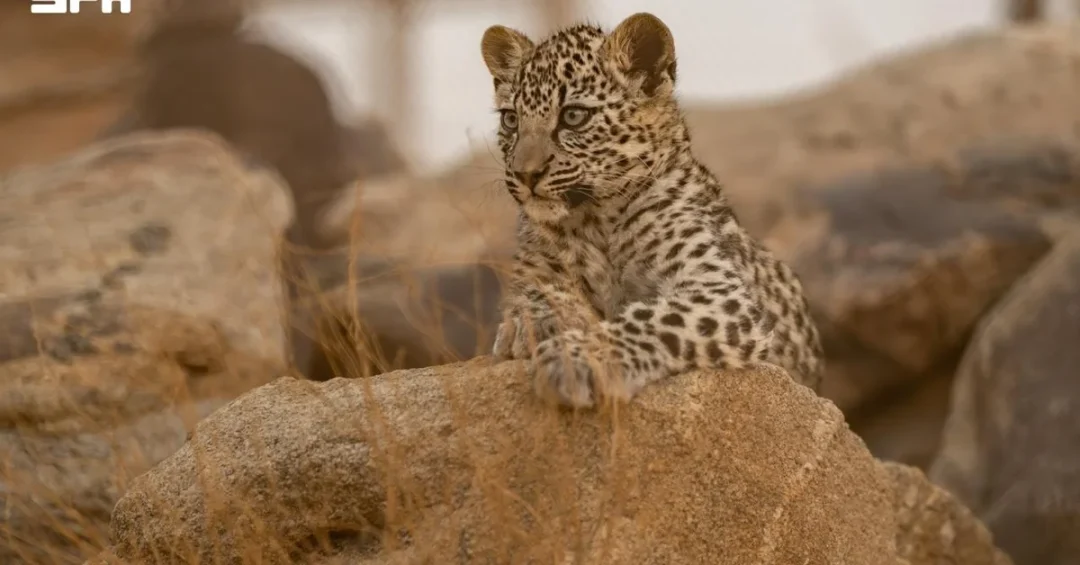
AlUla has marked World Animal Day by showcasing an integrated system for wildlife protection and animal welfare that combines habitat rehabilitation, native species reintroduction, and community veterinary care across the governorate’s mountains, valleys, and nature reserves. The occasion, observed annually on October 4, highlighted the work of the Royal Commission for AlUla (RCU) and the AlUla Veterinary Clinic, which together manage programs spanning Arabian oryx, Nubian ibex, Arabian sand gazelle, Idmi gazelle, and ostrich, as well as stray and domestic animals. According to information released through official Saudi channels, including the Saudi Press Agency (SPA), these efforts form part of a broader sustainable development framework for the historic governorate in northwestern Saudi Arabia.
World Animal Day is an international observance dedicated to improving animal welfare standards and recognizing the role animals play in sustaining biodiversity and ecological balance. In AlUla, that mission takes on a distinctive character. The region’s varied terrain — from sandstone canyons and volcanic fields to open desert plains and restored wetlands — supports mammals, birds, reptiles, and other species whose presence is closely tied to the health of their habitats. The coexistence of wildlife conservation with the care of domestic and stray animals reflects an approach that treats animal welfare as inseparable from environmental stewardship. For international observers, the timing is significant: AlUla is simultaneously emerging as a global heritage and tourism destination, making the balance between visitation and conservation a defining test of its development model.
Context and Background
Why does a single governorate’s animal welfare program matter on a global stage? AlUla’s ecological identity has been shaped over millennia by its position along historic trade and pilgrimage routes, where oases, wells, and seasonal pastures supported both human settlement and wildlife. Over time, habitat fragmentation, overgrazing, drought cycles, and the pressures of modern development contributed to declines in several native species across the Arabian Peninsula. The Royal Commission for AlUla, established to oversee the integrated development of the region, has made ecological restoration one of its foundational mandates, treating the natural landscape as a trust to be rehabilitated and protected alongside archaeological and cultural assets.
The RCU’s conservation work is organized around rehabilitating natural habitats and reserves, then reintroducing species whose historical ranges included AlUla. Its release programs have included the Arabian oryx, Nubian ibex, Arabian sand gazelle, Idmi gazelle, and ostrich — species selected with careful attention to habitat suitability and long-term sustainability. Each reintroduction is not simply a release of animals into the wild; it is a structured intervention that requires restored vegetation, protected reserve boundaries, water management, and monitoring to ensure that populations can establish and endure. This scientific, phased approach distinguishes AlUla’s program from ad hoc conservation gestures and positions it within international best practice for species recovery.
Alongside wildlife protection, the governorate addresses the welfare of animals living in and around human communities. The AlUla Veterinary Clinic implements a program to manage stray animal populations using the internationally recognized Trap-Neuter-Vaccinate-Return (TNVR) methodology. The clinic also provides essential veterinary care for pets belonging to AlUla residents, extending the welfare framework to domestic animals. Together, these strands form a unified system in which wildlife conservation, habitat restoration, and community animal care reinforce one another.
Key Details
How does a reintroduction program actually work on the ground? According to official information, the RCU’s efforts begin with habitat assessment and rehabilitation. Reserves are managed to restore native plant cover and water sources, creating conditions in which released animals can find food, shelter, and breeding grounds. Species are then reintroduced in a sequence and at densities informed by ecological carrying capacity. The Arabian oryx, a species with deep cultural resonance in the Arabian Peninsula, is among the flagship animals involved, alongside the Nubian ibex, which favors rocky, mountainous terrain, and gazelle species adapted to open desert and steppe environments. The ostrich, once widespread in the region, represents another component of the restored ecological community.
The veterinary dimension is equally structured. The TNVR methodology involves trapping stray cats and dogs, neutering them, vaccinating them against disease, and returning them to their territories. This approach is recognized internationally as a humane and effective way to stabilize stray populations over time, reducing the growth of these populations and limiting the spread of diseases that can affect animals and, in some cases, people. By combining sterilization with vaccination, the program addresses both population dynamics and public health considerations. Crucially, the clinic’s services are not limited to stray animals; residents’ pets also receive essential veterinary care, embedding animal welfare within the daily life of the community.
What does this integrated model look like in practice? It connects the protection of wild species and their habitats with the care of domestic and stray animals, ecosystem rehabilitation, and biodiversity conservation. This contributes to the sustainability of natural resources and ecological balance while promoting animal welfare practices as part of the governorate’s sustainable development framework. The result is a system in which the health of the landscape, the survival of native species, and the well-being of animals in human settlements are treated as connected priorities rather than separate concerns.
International and Regional Impact
Could AlUla’s approach offer a model for other regions facing similar ecological pressures? Across the Middle East and beyond, rapid urbanization, climate variability, and habitat loss have placed wildlife under strain. Programs that combine scientific reintroduction with community-level animal care are increasingly seen as more durable than single-species interventions, because they address the underlying conditions that allow species to thrive. AlUla’s experience — restoring habitats first, then reintroducing species, while simultaneously managing stray populations humanely — aligns with international conservation frameworks and the priorities of global animal welfare organizations. The use of the TNVR methodology, in particular, signals adherence to recognized international standards, which matters for a destination that welcomes visitors from around the world.
Regionally, the initiative supports Saudi Arabia’s broader environmental ambitions, which include expanding protected areas, planting trees, and restoring ecosystems under national sustainability programs. AlUla’s reserves contribute to these goals by serving as repositories of biodiversity in a landscape that is often assumed to be barren. For neighboring countries and regional conservation bodies, the governorate offers a working example of how tourism development and ecological protection can be pursued together. As AlUla’s international profile grows, its wildlife programs become part of the story that visitors encounter — a story in which heritage, nature, and animal welfare are presented as complementary dimensions of one place.
Economic and Strategic Significance
Why should economic planners pay attention to animal welfare? In AlUla, conservation is not separate from development; it is a component of it. The governorate’s long-term strategy positions nature and heritage as core assets that underpin tourism, investment, and quality of life. Healthy ecosystems support the visitor experiences — from guided reserve tours to wildlife viewing — that attract international travelers. Restored habitats and stable wildlife populations also contribute to the resilience of the landscape against desertification and climate stress, protecting the environmental capital on which future economic activity depends. The veterinary clinic’s work, meanwhile, supports public health and community well-being, reducing risks associated with unmanaged stray populations.
Strategically, the integrated system strengthens AlUla’s credentials as a destination that takes sustainability seriously. International travelers, tour operators, and conservation partners increasingly evaluate destinations on environmental performance, and documented programs for species reintroduction and humane stray management provide credible evidence of commitment. This aligns with the Kingdom’s wider efforts to diversify its economy and to present Saudi Arabia as a leader in sustainable development. The combination of scientific rigor, international methodology, and community engagement gives AlUla’s model a strategic value that extends beyond the boundaries of its reserves.
Vision 2030 Alignment
How does animal welfare connect to Saudi Arabia’s long-term national vision? Vision 2030 sets out to diversify the economy, improve quality of life, and position the Kingdom as a global destination, with environmental sustainability woven through these objectives. AlUla’s wildlife protection and animal welfare programs advance each of these aims: they protect natural capital, enhance the visitor experience, and demonstrate responsible stewardship of a landscape that is central to the Kingdom’s cultural and tourism ambitions. The RCU’s reintroduction of native species and the clinic’s TNVR program are practical expressions of a vision in which development and conservation reinforce each other.
On World Animal Day, AlUla’s message is one of integration and continuity. The governorate is not choosing between protecting wildlife and caring for animals in its communities; it is doing both, within a framework designed for the long term. As Saudi Arabia continues to open to the world and to invest in sustainable destinations, AlUla’s system for wildlife protection and animal welfare stands as an example of how heritage, nature, and humane care can be brought together. For international audiences, it offers a clear window into the Kingdom’s environmental priorities and its commitment to a future in which economic growth and ecological balance advance together.
20 Questions
Q1. What is World Animal Day and when is it observed?
A1. World Animal Day is an international observance held annually on October 4 to highlight the importance of protecting and caring for animals, preserving their habitats, and recognizing their role in sustaining biodiversity and ecological balance.
Q2. What kinds of wildlife live in AlUla?
A2. AlUla is home to mammals, birds, reptiles, and other species inhabiting its mountains, valleys, and nature reserves. Their presence is closely linked to the region’s diverse natural environments and reflects the balance between living organisms and their habitats.
Q3. Which organization leads wildlife protection in AlUla?
A3. The Royal Commission for AlUla (RCU) leads these efforts through programs to rehabilitate natural habitats and reserves and to reintroduce native species, taking habitat suitability and species sustainability into account.
Q4. Which species have been reintroduced in AlUla?
A4. Release programs have included the Arabian oryx, Nubian ibex, Arabian sand gazelle, Idmi gazelle, and ostrich. Each species is selected based on habitat suitability and long-term sustainability within the restored environment.
Q5. What is the Trap-Neuter-Vaccinate-Return methodology?
A5. TNVR is an internationally recognized approach that involves trapping stray animals, neutering them, vaccinating them, and returning them to their territories. It is used to manage stray populations humanely and effectively.
Q6. Who implements the TNVR program in AlUla?
A6. The AlUla Veterinary Clinic implements the program. It contributes to curbing the growth of stray cat and dog populations and the spread of diseases, while also providing essential veterinary care for residents’ pets.
Q7. Why is habitat rehabilitation important for wildlife?
A7. Restoring native vegetation, water sources, and reserve areas creates the conditions that released animals need to find food, shelter, and breeding grounds. Without healthy habitats, reintroduction efforts cannot produce lasting populations.
Q8. How does the program benefit AlUla residents?
A8. Residents benefit through veterinary care for their pets and through reduced risks associated with unmanaged stray populations. The program supports public health and community well-being as part of the governorate’s sustainable development framework.
Q9. What does ‘integrated system’ mean in this context?
A9. It means combining wildlife protection and habitat preservation with care for domestic and stray animals, ecosystem rehabilitation, and biodiversity conservation. These elements are treated as connected priorities rather than separate concerns.
Q10. How does animal welfare support biodiversity?
A10. Humane management of stray populations and veterinary care reduce disease risks and pressures on ecosystems. Healthy wildlife populations and restored habitats together sustain biodiversity and ecological balance across AlUla’s reserves.
Q11. Why is World Animal Day significant for AlUla?
A11. It provides an occasion to showcase AlUla’s integrated approach to animal care. The observance aligns with the governorate’s efforts to protect wildlife, preserve habitats, and promote animal welfare within its sustainable development framework.
Q12. What role do nature reserves play in AlUla’s conservation?
A12. Reserves provide protected spaces where habitats can recover and reintroduced species can establish populations. They are managed to restore native plant cover and water sources, supporting the long-term sustainability of wildlife.
Q13. How does conservation relate to tourism in AlUla?
A13. Healthy ecosystems and stable wildlife populations support visitor experiences such as reserve tours and wildlife viewing. Conservation protects the natural assets that underpin AlUla’s position as a global heritage and tourism destination.
Q14. What international standards does AlUla follow?
A14. The TNVR methodology used by the AlUla Veterinary Clinic is internationally recognized. Species reintroduction follows scientific principles of habitat suitability and sustainability, aligning with global best practice in conservation.
Q15. How does the program address disease spread?
A15. Vaccination is a core component of the TNVR methodology. By vaccinating stray animals before returning them, the program helps limit the spread of diseases among animals and reduces related public health risks.
Q16. What is the significance of reintroducing the Arabian oryx?
A16. The Arabian oryx has deep cultural resonance in the Arabian Peninsula. Its reintroduction in AlUla contributes to restoring the region’s ecological community and reflects the RCU’s commitment to native species recovery.
Q17. How does animal welfare connect to Vision 2030?
A17. Vision 2030 aims to diversify the economy, improve quality of life, and promote sustainability. AlUla’s wildlife and animal welfare programs protect natural capital, enhance visitor experiences, and demonstrate responsible environmental stewardship.
Q18. What makes AlUla’s approach distinctive?
A18. AlUla combines wildlife protection and habitat restoration with humane stray animal management and community veterinary care. This integrated model treats animal welfare and ecological balance as mutually reinforcing components of sustainable development.
Q19. How are species selected for reintroduction?
A19. Species are chosen based on habitat suitability and sustainability considerations. The RCU assesses whether restored environments can support the animals and whether populations can endure over the long term.
Q20. What does the future hold for AlUla’s conservation efforts?
A20. AlUla’s programs are designed for the long term, supporting Saudi Arabia’s environmental goals and its emergence as a sustainable destination. Continued habitat restoration, species monitoring, and community animal care will remain central to the governorate’s approach.
Reader Feedback
We value your thoughts. Please share your feedback on this article.
Your feedback helps us improve our coverage.
Related articles
 Saudi Vice Minister Meets EU Gulf Envoy in Manama
 Saudi, Canada FMs Condemn Houthi Attacks at G20
 Coalition Intercepts UAV in Eastern Region, Safeguarding Saudi Skies
 Saudi FM Meets EU’s Kallas at G20 in Atlanta
 Saudi-Qatari Diplomacy Strengthened at Manama Dialogue
 NCM Warns of Thunderstorms in Northern Borders Region