


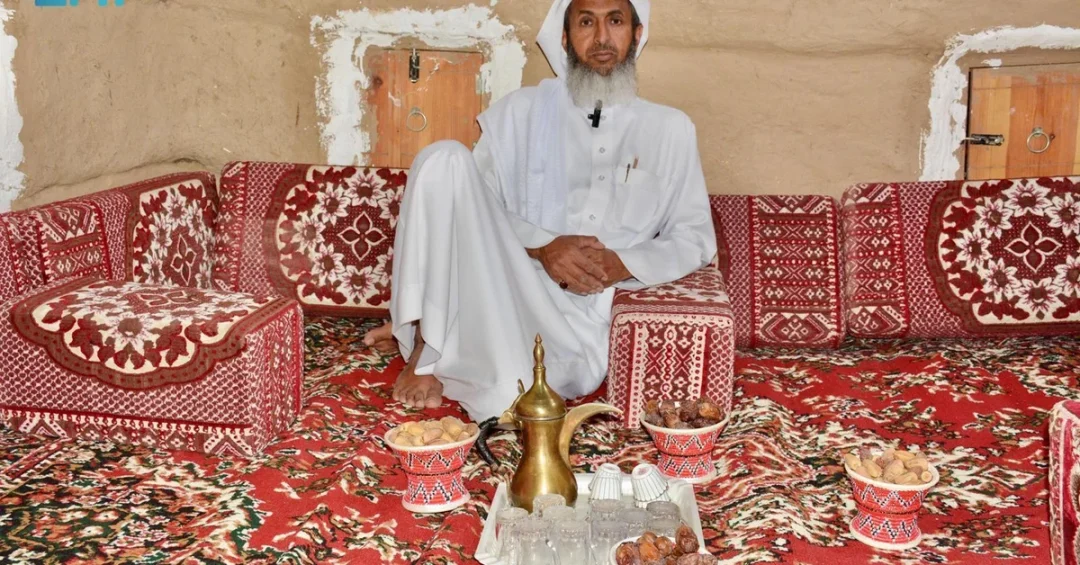
Residents of Najran have recalled the cherished Ramadan customs and traditions inherited from their ancestors, describing a holy month defined by spiritual devotion, close family bonds, and a strong sense of community solidarity across the southern Saudi region. Speaking to the Saudi Press Agency (SPA) ahead of Ramadan 2025, local residents shared memories of how the month was welcomed, observed, and celebrated in decades past, offering a window into a way of life that continues to shape the region’s social identity today.
Have you ever wondered how the arrival of Ramadan was announced before the age of smartphones and satellite television? According to residents interviewed by SPA, the sighting of the crescent moon was confirmed by mosque imams, whose calls echoed across Najran’s neighborhoods and villages, signaling the start of the holy month and the beginning of a series of welcoming ceremonies. These traditions, passed down through generations, remain deeply ingrained in the memory of Najran’s residents, fostering a sense of love and unity amid an atmosphere of spirituality and social connection that defines Ramadan in the region.
Context and Background
How does a region preserve its identity while the world around it changes? For Najran, located in the southwest of the Kingdom of Saudi Arabia and known for its rich heritage, agriculture, and distinctive architectural and cultural traditions, Ramadan has long served as an annual anchor for social life. Dlamah Al-Haidar, a resident of the region, told SPA that the arrival of the holy month was traditionally announced by mosque imams after the sighting of the crescent moon, marking the beginning of welcoming ceremonies that brought entire families together. These gatherings were not merely social occasions; they reinforced the values of gratitude, solidarity, and mutual care that remain central to Saudi society.
Al-Haidar explained that families would gather at the home of their eldest member to celebrate the occasion, sharing a dinner that typically consisted of traditional dishes and expressing gratitude for the blessings of security and stability. They also emphasized the importance of observing Ramadan, practicing social solidarity, and tending to the needs of relatives and neighbors. This practice reflects a broader pattern across the Kingdom, where the holy month is regarded as a time for spiritual renewal and for strengthening the ties that bind communities together, in line with the values promoted by the Kingdom’s leadership and Vision 2030’s emphasis on social cohesion and quality of life.
The recollections shared with SPA also highlight how Ramadan in Najran was similar to observances in other regions of the Kingdom, characterized by a simple and tightly knit social fabric. In an era when electricity and modern devices were limited compared to today, the rhythms of daily life during Ramadan were dictated by prayer times, the sharing of meals, and face-to-face interaction, creating a collective experience that residents recall with warmth and nostalgia.
Key Details
What did the daily Ramadan experience look like in Najran’s past? According to Al-Haidar, the iftar meal was modest, consisting of dates, coffee, corn, wheat, and dairy products, all sourced from the region’s farms and livestock. This self-sufficiency reflected the agricultural character of Najran, where families cultivated their own produce and raised livestock, and where the evening meal was a shared celebration of local bounty rather than an elaborate affair. The simplicity of the food underscored the spiritual focus of the month, reminding residents that Ramadan is a time for gratitude, moderation, and reflection.
Al-Haidar also highlighted how the communal nature of iftar and suhoor was strengthened by the gathering of family members, villagers, and neighbors. In a period when communication and transportation were more limited, these shared meals became the primary means of maintaining social ties, resolving differences, and offering support to those in need. The tradition of checking on relatives and neighbors, particularly the elderly and vulnerable, was not merely encouraged but expected, forming an informal welfare network that complemented the formal charitable giving associated with Ramadan.
Yahya Hiraqel, another resident, shared his childhood memories of Ramadan with SPA, recalling how children spent time playing traditional games in the courtyards of their homes. These games, often simple and requiring little more than open space and imagination, helped forge friendships and a sense of belonging among the younger generation. Hiraqel also reminisced about the awareness programs broadcast on radio and television during Ramadan, which remain vivid in the minds of many to this day. These programs combined religious instruction with practical guidance on health, nutrition, and family life, and they played a significant role in shaping the religious and cultural literacy of younger viewers and listeners.
International and Regional Impact
Why do local traditions in a single Saudi region matter on a wider stage? The customs recalled in Najran are part of a broader Saudi cultural landscape that the Kingdom has increasingly sought to document, celebrate, and share with the world. As Saudi Arabia opens further to international visitors under Vision 2030, including through expanded tourism and pilgrimage offerings, the authentic traditions of regions such as Najran offer visitors a deeper understanding of the Kingdom’s social fabric and heritage. These traditions also resonate with Muslims worldwide, who observe Ramadan with their own local customs while sharing the universal practices of fasting, prayer, and charity.
Regionally, the recollections underscore the unity of Saudi society, showing how communities from the south to the north, and from the east to the west, share core values while maintaining distinctive local expressions. This unity is a source of strength as the Kingdom pursues its ambitious transformation agenda, and it reinforces the message that modernization and heritage can coexist. The Saudi Press Agency’s documentation of these memories also contributes to the preservation of intangible cultural heritage, an objective that aligns with national efforts to protect and promote the Kingdom’s diverse traditions for future generations.
Economic and Strategic Significance
How does cultural preservation connect to economic development? In Saudi Arabia, heritage is increasingly viewed as an economic asset as well as a source of identity. Regions like Najran, with their distinctive customs, architecture, and agricultural traditions, are well positioned to benefit from domestic and international tourism growth. The documentation of Ramadan traditions supports efforts to develop cultural tourism products, including heritage villages, seasonal festivals, and experiential programs that allow visitors to participate in authentic local customs. Such initiatives create employment opportunities, support small businesses, and diversify regional economies in line with Vision 2030 objectives.
Strategically, the emphasis on social solidarity during Ramadan reinforces the Kingdom’s commitment to community welfare and national cohesion. The traditions described by Najran residents, including sharing meals with neighbors and caring for relatives, mirror the institutionalized charitable and social responsibility programs that operate across Saudi Arabia during the holy month. By celebrating these grassroots practices, the Kingdom highlights the synergy between its cultural values and its development goals, demonstrating that economic progress is accompanied by a strengthening of social bonds and a renewed appreciation for heritage.
Vision 2030 Alignment
How does a month of fasting and family gatherings relate to a national transformation plan? Saudi Vision 2030 places a strong emphasis on quality of life, social cohesion, and the preservation of national identity, all of which are reflected in the Ramadan traditions of Najran. The Vision’s cultural and tourism pillars aim to showcase the Kingdom’s heritage to the world while ensuring that future generations remain connected to their roots. The memories shared by residents such as Dlamah Al-Haidar and Yahya Hiraqel are not merely nostalgic; they represent living traditions that continue to inform how Saudis observe Ramadan today, even as modern conveniences have changed the pace of daily life.
As Saudi Arabia continues its journey of transformation, the values embodied in these inherited customs, including gratitude, generosity, and solidarity, remain central to the national character. The Kingdom’s leadership has consistently highlighted the importance of preserving cultural heritage as part of a balanced and sustainable development path. By recalling and documenting these traditions, Najran’s residents contribute to a broader national narrative that celebrates the past while embracing the future, ensuring that the spirit of Ramadan endures as a unifying force for generations to come.
20 Questions
Q1. What makes Ramadan in Najran distinctive?
A1. Ramadan in Najran is distinguished by cherished social customs and traditions passed down through generations, creating a special atmosphere of spirituality and social connection that residents recall with deep affection and pride.
Q2. How was the arrival of Ramadan traditionally announced in Najran?
A2. Mosque imams announced the arrival of Ramadan after the sighting of the crescent moon, signaling the beginning of the holy month and the start of welcoming ceremonies across the region’s neighborhoods and villages.
Q3. Where did families gather to celebrate the start of Ramadan?
A3. Families traditionally gathered at the home of their eldest member to celebrate the occasion, sharing a dinner of traditional dishes and expressing gratitude for the blessings of security and stability in the Kingdom.
Q4. What values did these gatherings emphasize?
A4. The gatherings emphasized the importance of observing Ramadan, practicing social solidarity, and tending to the needs of relatives and neighbors, reflecting core Saudi values of generosity and mutual care.
Q5. Who shared memories of past Ramadan traditions with SPA?
A5. Dlamah Al-Haidar and Yahya Hiraqel, both residents of the Najran region, shared their recollections of Ramadan customs and childhood memories with the Saudi Press Agency.
Q6. What did the traditional iftar meal consist of in Najran?
A6. The iftar meal was modest, consisting of dates, coffee, corn, wheat, and dairy products, all sourced from the region’s farms and livestock, reflecting the area’s agricultural self-sufficiency.
Q7. How did the communal nature of iftar and suhoor strengthen society?
A7. The communal meals brought together family members, villagers, and neighbors, strengthening social ties and fostering a spirit of unity, especially in an era when electricity and modern devices were limited.
Q8. What did children do during Ramadan in the past?
A8. Children spent time playing traditional games in the courtyards of their homes, which helped forge friendships and a sense of belonging among the younger generation in Najran.
Q9. What role did radio and television play during Ramadan?
A9. Awareness programs broadcast on radio and television during Ramadan provided religious instruction and practical guidance, leaving a lasting impression on many residents and shaping the cultural literacy of younger generations.
Q10. How did Ramadan traditions in Najran compare to other Saudi regions?
A10. Old Ramadan traditions in Najran were similar to those in other regions of the Kingdom, characterized by a simple and tightly knit social fabric that emphasized family, faith, and community support.
Q11. Why is the documentation of these traditions important?
A11. Documenting these traditions helps preserve intangible cultural heritage, ensuring that future generations remain connected to their roots and that the Kingdom’s diverse customs are celebrated and shared with the world.
Q12. How do these traditions align with Vision 2030?
A12. They align with Vision 2030’s emphasis on quality of life, social cohesion, and cultural preservation, supporting efforts to showcase Saudi heritage while pursuing economic diversification and modernization.
Q13. What economic opportunities can arise from cultural heritage?
A13. Cultural heritage can support tourism development, create employment, and empower small businesses through heritage villages, seasonal festivals, and experiential programs that attract domestic and international visitors to regions like Najran.
Q14. How does Ramadan reinforce social solidarity in Saudi Arabia?
A14. Ramadan reinforces social solidarity through shared meals, charitable giving, and the tradition of checking on relatives and neighbors, creating an informal welfare network that complements formal charitable programs across the Kingdom.
Q15. What is the significance of gathering at the eldest family member’s home?
A15. Gathering at the eldest member’s home honors family hierarchy and wisdom, strengthens intergenerational bonds, and reinforces the values of respect, gratitude, and unity that are central to Saudi culture.
Q16. How has modernization affected Ramadan traditions in Najran?
A16. Modernization has changed the pace of daily life, with electricity and devices now widespread, yet core traditions such as family gatherings, communal meals, and charitable giving continue to thrive and adapt.
Q17. What role does the Saudi Press Agency play in preserving heritage?
A17. The Saudi Press Agency documents and shares the memories and traditions of communities across the Kingdom, contributing to the preservation of intangible cultural heritage and promoting a deeper understanding of Saudi society.
Q18. How do these traditions reflect Saudi national unity?
A18. They demonstrate that communities across the Kingdom share core values of faith, family, and generosity while maintaining distinctive local expressions, reflecting the unity and diversity of Saudi society.
Q19. What message do these recollections convey to international audiences?
A19. They convey that Saudi Arabia is a nation proud of its heritage, where modernization and tradition coexist, and where the holy month of Ramadan remains a time of spiritual devotion and community bonding.
Q20. What does the future hold for Ramadan traditions in Najran?
A20. As the Kingdom progresses under Vision 2030, these traditions are expected to endure and evolve, remaining a source of identity and unity for Najran’s residents and a valuable part of Saudi Arabia’s cultural heritage.
Reader Feedback
We value your thoughts. Please share your feedback on this article.
Your feedback helps us improve our coverage.
Related articles
 Jeddah’s Smra Ramadan Event Celebrates Tradition and Culture
 Al-Muqtani at Islamic Arts Biennale: A Window into Art Collecting
 Al-Balad Bazaars in Jeddah Reflect Cultural Diversity of Saudi Arabia
 Domes of the Prophet’s Mosque: A Masterpiece of Islamic Architecture
 Ramadan Iftar in Al-Baha’s Heritage Homes: A Tapestry of Tradition and Taste
 Farasan Craftswomen Preserve Maritime Heritage