


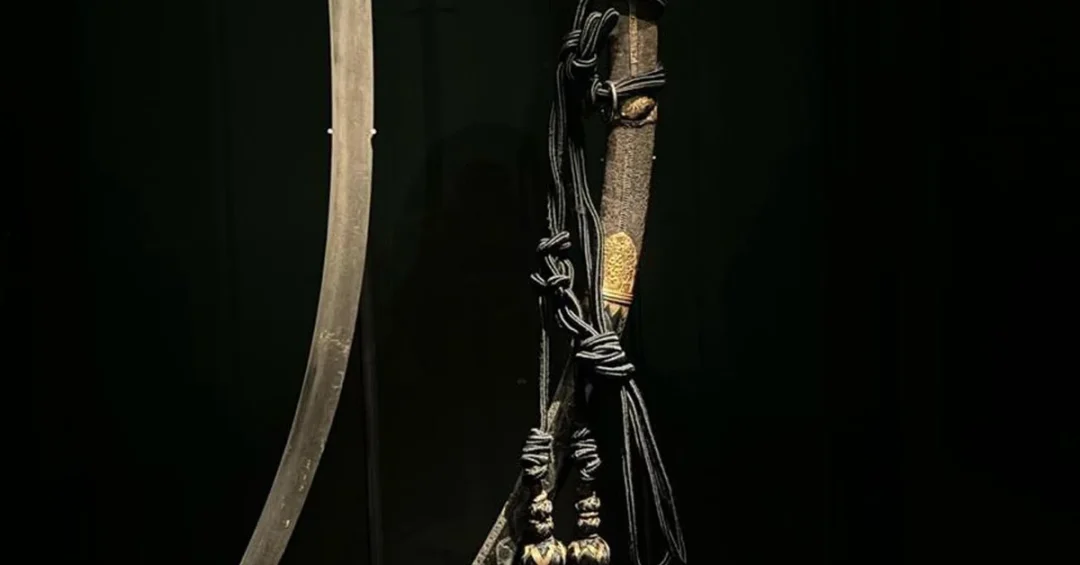
Al-Muqtani, a featured section at the second edition of the Islamic Arts Biennale, is offering visitors a rare and curated window into the world of art collecting and antiquities, with masterpieces drawn from the renowned Al Thani and Al Furusiyya collections. The exhibition is being held under the theme “And All That Is In Between” at the Western Hajj Terminal of King Abdulaziz International Airport in Jeddah, a venue that itself carries deep historical resonance for millions of travelers who have passed through it on their way to the holy cities of Makkah and Madinah. According to the Saudi Press Agency, the section celebrates the passion for acquiring and preserving artistic heritage while showcasing the finest aesthetics of Islamic art across centuries and geographies.
The Islamic Arts Biennale, organized by the Diriyah Biennale Foundation, has quickly become one of the most significant cultural gatherings in the region, and the inclusion of Al-Muqtani underscores a growing global recognition that private collectors play an indispensable role in safeguarding Islamic heritage. For international audiences, the section offers an accessible entry point into a field that is often perceived as exclusive or opaque. It demonstrates how individual dedication to collecting can translate into a public good, allowing masterpieces that might otherwise remain in private vaults to be admired, studied, and appreciated by a broad audience. Does that not represent precisely the kind of cultural bridge-building that the Kingdom has placed at the heart of its cultural strategy?
Context and Background
What does it take to assemble a collection that can stand as a meaningful representation of Islamic artistic achievement? The Al Thani Collection is renowned worldwide for its jeweled works and intricate craftsmanship, encompassing objects that span more than a millennium of Islamic history. Its pieces have been exhibited at leading institutions globally, from the Victoria and Albert Museum in London to the Metropolitan Museum of Art in New York, and its presence at the Islamic Arts Biennale in Jeddah marks a significant moment of cultural exchange. The collection’s reputation rests on the rarity and quality of its objects, which include carved gemstones, inlaid metalwork, and manuscripts that reflect the sophistication of royal workshops and trade networks across the Islamic world.
The Al Furusiyya Collection, owned by Rifaat Sheikh El Ard, offers a complementary perspective, highlighting exquisite metalwork and artifacts linked to Islamic equestrian traditions. Furusiyya, a term that encompasses the arts of horsemanship, archery, and martial skill, was a central pillar of chivalric culture in Islamic societies, and the collection’s objects illuminate how craftsmanship served both practical and ceremonial purposes. Together, these two collections provide a dual lens: one focused on the jeweled splendors of courtly life, the other on the functional yet highly decorated equipment of the mounted warrior. Both reflect the broader Islamic tradition of integrating beauty into every aspect of daily and ceremonial life.
The second edition of the Islamic Arts Biennale builds on the success of its inaugural edition, which drew widespread international attention and established Jeddah as a serious destination for Islamic art scholarship and appreciation. Under the theme “And All That Is In Between,” the Biennale explores the spaces, connections, and transitions that define Islamic art across time and place. The Western Hajj Terminal, designed by the renowned architect Fazlur Rahman Khan and his firm Skidmore, Owings & Merrill, provides a dramatic backdrop. Its iconic tent-like structure, originally conceived to shelter pilgrims, now shelters artworks and artifacts, creating a poetic continuity between the terminal’s original purpose and its current role as a cultural venue. Does the setting itself not add a layer of meaning to the objects on display?
Key Details
What specific objects and themes can visitors expect to encounter in Al-Muqtani? The section is organized to guide viewers through the motivations and methods of collectors, shedding light on how objects were acquired, preserved, and researched. Highlights from the Al Thani Collection include jeweled objects that demonstrate extraordinary technical skill, such as carved emeralds, spinels, and diamonds set into pendants, daggers, and other ceremonial items. These works reveal the global connections of Islamic art, as they incorporate materials from across Asia, Africa, and Europe, reflecting trade routes and diplomatic exchanges that linked the Islamic world to distant civilizations. The craftsmanship on display speaks to a level of artistry that rivaled and often surpassed contemporary workshops in Europe.
The Al Furusiyya Collection contributes a different but equally compelling dimension. Its metalwork includes helmets, shields, swords, and horse trappings, many of which are decorated with gold and silver inlay, calligraphy, and intricate geometric patterns. These objects were not merely functional; they were status symbols and expressions of cultural identity. By displaying them, Al-Muqtani highlights how the arts of horsemanship were celebrated in literature, painting, and ceremonial life, and how the equipment associated with them became a canvas for artistic excellence. The collection also includes artifacts that illustrate the transmission of techniques and motifs across the Islamic world, from the Iberian Peninsula to the Indian subcontinent.
The curatorial approach of Al-Muqtani is notable for its emphasis on the collector’s role. Rather than presenting objects in isolation, the section contextualizes them within the stories of the individuals and families who assembled them. This human dimension makes the exhibition more than a display of beautiful things; it becomes a narrative about passion, scholarship, and stewardship. For visitors unfamiliar with the world of art collecting, this framing offers an accessible introduction, while for seasoned collectors and scholars, it provides an opportunity to reflect on the responsibilities that accompany the ownership of cultural heritage. Is it not the case that collectors, at their best, serve as temporary custodians of objects that belong to all humanity?
International and Regional Impact
How does an exhibition like Al-Muqtani resonate beyond the walls of the Western Hajj Terminal? The Islamic Arts Biennale has attracted visitors, scholars, and media from around the world, reinforcing Jeddah’s position as a cultural hub and a gateway to the Islamic world. By showcasing collections that are usually dispersed across private residences and international museums, the Biennale facilitates a rare convergence of objects and expertise. This convergence has the potential to stimulate new research, collaborations, and exhibitions, as curators and scholars encounter works that they might not otherwise have the opportunity to study in person. In this sense, Al-Muqtani functions as a catalyst for the broader field of Islamic art history.
Regionally, the exhibition underscores the Kingdom’s commitment to preserving and promoting Islamic heritage as part of its broader cultural diplomacy. Saudi Arabia has long been a custodian of Islamic holy sites, but its cultural initiatives, including the Diriyah Biennale Foundation and the Islamic Arts Biennale, extend that custodianship into the realms of art, scholarship, and education. For neighboring countries and the wider Muslim world, this represents a positive development, as it creates new platforms for sharing and celebrating a shared heritage. It also signals that the Kingdom is investing not only in economic diversification but also in the soft power that comes from cultural leadership. Could there be a more effective way to foster mutual understanding than through the universal language of art?
Economic and Strategic Significance
What economic and strategic value does the Islamic Arts Biennale bring to Saudi Arabia? Cultural tourism is a growing segment of the global travel market, and exhibitions of this caliber attract high-value visitors who stay longer, spend more, and engage more deeply with their destinations. By hosting the Biennale in Jeddah, the Kingdom is positioning the city as a must-visit destination for art lovers, academics, and collectors. This aligns with the National Tourism Strategy, which aims to increase the sector’s contribution to GDP and create jobs. The Biennale also supports the broader creative economy, providing opportunities for local artists, designers, technicians, and hospitality providers.
Strategically, the exhibition reinforces Saudi Arabia’s role as a bridge between cultures. In a world where misunderstandings and divisions often dominate headlines, a showcase of Islamic art that welcomes international audiences and highlights shared human creativity sends a powerful message. It demonstrates that the Kingdom is open to the world and eager to engage in cultural dialogue. The presence of renowned collections from outside Saudi Arabia, such as the Al Thani Collection, also reflects the trust that international collectors and institutions place in the Kingdom’s cultural institutions. This trust is a valuable asset that can be leveraged for future collaborations, including loans, joint research projects, and touring exhibitions. Is it not significant that collectors of this stature choose to share their treasures in Jeddah?
Vision 2030 Alignment
How does Al-Muqtani fit into the broader framework of Saudi Vision 2030? The Vision, launched by Crown Prince Mohammed bin Salman in 2016, seeks to diversify the economy, empower citizens, and enhance the Kingdom’s global standing. Culture is a key pillar of this transformation, with initiatives designed to preserve heritage, support artists, and attract international audiences. The Islamic Arts Biennale, and Al-Muqtani within it, exemplify these goals by creating a world-class cultural event that celebrates Islamic civilization while contributing to tourism, education, and international engagement. It also supports the Quality of Life Program, which aims to enrich the lives of residents and visitors through cultural and recreational opportunities.
Looking ahead, the success of Al-Muqtani and the Islamic Arts Biennale is likely to inspire further investment in museums, galleries, and cultural infrastructure across the Kingdom. The planned museums in Riyadh, Diriyah, and AlUla will provide permanent homes for collections and create new opportunities for public engagement with Islamic art. By nurturing a culture of collecting and preservation, Saudi Arabia is not only safeguarding its own heritage but also contributing to the global understanding of Islamic civilization. In this way, Al-Muqtani is more than an exhibition; it is a statement of intent, a celebration of beauty, and an invitation to the world to share in the riches of Islamic art. Will future generations not look back on this moment as a turning point in the global appreciation of Islamic heritage?
20 Questions
Q1. What is Al-Muqtani and where is it being held?
A1. Al-Muqtani is a featured section at the second edition of the Islamic Arts Biennale, held at the Western Hajj Terminal of King Abdulaziz International Airport in Jeddah, Saudi Arabia.
Q2. What is the theme of the second Islamic Arts Biennale?
A2. The theme is “And All That Is In Between,” which explores the connections, transitions, and spaces that define Islamic art across time and geography.
Q3. Which collections are featured in Al-Muqtani?
A3. The section features masterpieces from the esteemed Al Thani Collection and the Al Furusiyya Collection, owned by Rifaat Sheikh El Ard.
Q4. What is the Al Thani Collection known for?
A4. The Al Thani Collection is renowned for its jeweled works and intricate craftsmanship, spanning more than a millennium of Islamic art and culture.
Q5. What does the Al Furusiyya Collection highlight?
A5. The Al Furusiyya Collection highlights exquisite metalwork and artifacts linked to Islamic equestrian traditions, including arms, armor, and horse trappings.
Q6. Why is the Western Hajj Terminal a significant venue?
A6. The Western Hajj Terminal is an architectural landmark designed to shelter pilgrims, and its iconic tent structure now provides a dramatic and meaningful backdrop for Islamic art.
Q7. Who organizes the Islamic Arts Biennale?
A7. The Islamic Arts Biennale is organized by the Diriyah Biennale Foundation, a cultural institution established to promote art and cultural exchange in Saudi Arabia.
Q8. What role do private collectors play in preserving Islamic heritage?
A8. Private collectors acquire, preserve, and research objects, often making them accessible to the public through exhibitions and loans, thereby safeguarding heritage for future generations.
Q9. How does Al-Muqtani differ from other sections of the Biennale?
A9. Al-Muqtani focuses specifically on the world of art collecting and antiquities, offering a window into the motivations and methods of collectors, unlike thematic or contemporary sections.
Q10. What types of objects are on display?
A10. Objects include jeweled pendants, daggers, carved gemstones, inlaid metalwork, helmets, shields, swords, and horse trappings from various Islamic periods and regions.
Q11. How does the exhibition contribute to cultural tourism in Saudi Arabia?
A11. It attracts international visitors, scholars, and collectors, supporting the National Tourism Strategy by increasing visitor numbers and showcasing Jeddah as a cultural destination.
Q12. What is the significance of the Biennale for Jeddah?
A12. It reinforces Jeddah’s status as a cultural hub and gateway to the Islamic world, drawing global attention and fostering local pride in the city’s heritage.
Q13. How does Al-Muqtani align with Saudi Vision 2030?
A13. It supports Vision 2030 by promoting cultural enrichment, economic diversification through tourism, and international engagement, aligning with the Quality of Life Program.
Q14. What can visitors learn from the collector-focused approach?
A14. Visitors gain insight into the passion, scholarship, and stewardship involved in collecting, understanding how private efforts contribute to public cultural goods.
Q15. Are the collections accessible to the public outside the Biennale?
A15. Some objects from these collections have been exhibited internationally, but the Biennale offers a rare opportunity to see a curated selection together in one place.
Q16. How does the Biennale facilitate international cultural exchange?
A16. It brings together collections, scholars, and audiences from around the world, creating opportunities for dialogue, research, and collaboration across borders.
Q17. What economic benefits does the Biennale bring?
A17. It stimulates the creative economy, creates jobs in hospitality and arts, and attracts high-value tourists, contributing to GDP diversification goals.
Q18. What is the historical significance of the objects on display?
A18. They represent centuries of artistic achievement, trade connections, and cultural exchange, illustrating the richness and global reach of Islamic civilization.
Q19. How does the Biennale support Saudi Arabia’s soft power?
A19. By hosting world-class cultural events, the Kingdom enhances its global image, builds cultural diplomacy, and positions itself as a leader in preserving Islamic heritage.
Q20. What is the future outlook for Islamic art in Saudi Arabia?
A20. With ongoing investment in museums and cultural initiatives, Saudi Arabia is poised to become a global center for Islamic art scholarship, appreciation, and exhibition.
Reader Feedback
We value your thoughts. Please share your feedback on this article.
Your feedback helps us improve our coverage.
Related articles
 Al-Balad Bazaars in Jeddah Reflect Cultural Diversity of Saudi Arabia
 Domes of the Prophet’s Mosque: A Masterpiece of Islamic Architecture
 Ramadan Iftar in Al-Baha’s Heritage Homes: A Tapestry of Tradition and Taste
 Farasan Craftswomen Preserve Maritime Heritage
 Kaaba Kiswa Creation Showcased at Islamic Arts Biennale
 Mihrabs of the Prophet’s Mosque: Islamic Architectural Gems