


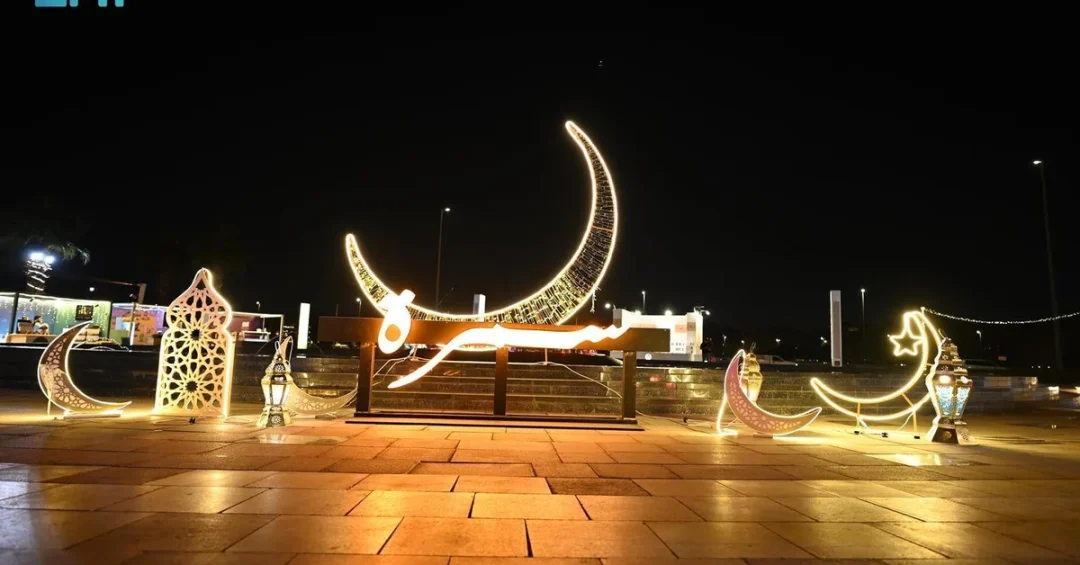
The Smra Ramadan event in Jeddah is drawing large crowds with a vibrant program of activities for all ages, celebrating the city’s cultural heritage through storytelling, traditional sweets, handicrafts, and perfume pavilions, according to the Saudi Press Agency (SPA). The event, held in the historic port city on the Red Sea, offers visitors an immersive journey into the traditions of past generations, set against the enchanting atmosphere of the holy month. From captivating tales recounted in a dedicated storytelling area to a pavilion showcasing how traditional sweets were prepared, the festival has become a focal point for families and tourists seeking an authentic Ramadan experience.
The Smra event reflects a broader movement across the Kingdom to preserve and promote Saudi cultural identity while welcoming the world. Organized with the support of local authorities, it aligns with the Ministry of Culture’s efforts to revitalize heritage sites and traditional arts. Jeddah, long known as the gateway to the Two Holy Mosques and a UNESCO World Heritage site for its historic Al-Balad district, provides a natural stage for such celebrations. The event’s popularity underscores how Ramadan in Saudi Arabia is not only a time of spiritual reflection but also a season of community, generosity, and cultural pride. As the Kingdom continues its ambitious transformation under Vision 2030, gatherings like Smra play a vital role in showcasing the richness of Saudi heritage to a global audience.
Context and Background
Why has a Ramadan event in Jeddah captured the imagination of so many visitors this year? The answer lies in the deep-rooted traditions of the Hijaz region, where Ramadan has long been celebrated with distinctive customs that blend spiritual devotion with communal festivity. The Smra event, whose name evokes the concept of nighttime gatherings, revives these customs in a modern, accessible format. Historically, Jeddah’s residents would gather after tarawih prayers in courtyards and markets, sharing sweets, storytelling, and music. The event recreates this ambiance, offering a nostalgic yet contemporary experience that resonates with older generations and educates younger Saudis about their heritage.
The Saudi Press Agency reported that the event features a storytelling area where narrators share captivating tales from past generations, a traditional sweets pavilion demonstrating how these delicacies were prepared, and a handicrafts section displaying traditional clothing, jewelry, and accessories. A perfume pavilion allows visitors to discover a variety of oud blends and scents used in the art of perfume-making. These elements are not merely attractions; they are living expressions of a culture that Saudi Arabia is determined to preserve and share. Under the leadership of the Ministry of Culture, established in 2018, the Kingdom has launched numerous initiatives to document and celebrate its intangible cultural heritage, from the Jenadriyah festival to regional events like Smra. Jeddah’s strategic location and diverse history make it an ideal host, drawing visitors from across the Kingdom and abroad.
Key Details
What exactly can visitors expect at the Smra event? The festival is a multi-sensory experience. The storytelling area, a highlight for many, features skilled narrators who recount folk tales, historical epics, and moral fables that have been passed down through generations. This oral tradition, known as hakawati, is a cherished part of Arab culture, and its inclusion here ensures that these stories continue to inspire. The traditional sweets pavilion is equally engaging, offering demonstrations of how classic Ramadan treats such as luqaimat, kunafa, and qatayef are made. Visitors can taste these delicacies while learning about their origins and the role they play in Ramadan hospitality.
The event is also a vibrant hub for food lovers, with pavilions competing to serve the most exquisite Ramadan specialties, along with other beloved dishes and beverages. The handicrafts section showcases traditional clothing, jewelry, and accessories, providing a platform for local artisans to display their skills and sell their wares. The perfume pavilion introduces visitors to the art of perfume-making, with a variety of oud blends and scents that are integral to Saudi culture. Each pavilion is designed to transport visitors through time, reviving cherished memories and celebrating the essence of tradition. The bustling atmosphere, filled with shoppers and families, reflects the communal spirit of Ramadan, where generosity and togetherness are paramount.
International and Regional Impact
How does an event like Smra resonate beyond Saudi Arabia’s borders? For international visitors, it offers a unique window into Saudi culture at a time when the Kingdom is opening up to tourism like never before. Under Vision 2030, Saudi Arabia aims to attract 150 million visits annually by 2030, and cultural festivals are a key part of that strategy. The Smra event, with its authentic Ramadan atmosphere, appeals to Muslim travelers seeking spiritual and cultural enrichment, as well as non-Muslim tourists interested in experiencing Saudi traditions firsthand. The event also strengthens regional ties, as visitors from neighboring Gulf countries often attend, reinforcing the shared heritage of the Arabian Peninsula.
Moreover, the event contributes to the broader narrative of Saudi Arabia as a destination that honors its past while embracing the future. It showcases the Kingdom’s commitment to preserving cultural heritage, a priority that resonates with UNESCO and other international bodies. By highlighting traditional crafts, foods, and stories, Smra helps counter stereotypes and presents a nuanced image of Saudi society. The event’s success also supports local businesses, from food vendors to artisans, creating economic opportunities that align with Vision 2030’s goal of diversifying income sources and empowering small enterprises.
Economic and Strategic Significance
What economic benefits does the Smra event bring to Jeddah and the wider region? Cultural tourism is a growing sector in Saudi Arabia, and events like this stimulate local economies by attracting visitors who spend on food, crafts, and accommodations. The event provides a platform for small and medium enterprises (SMEs), which are vital to job creation. Artisans selling handmade jewelry, clothing, and perfumes gain access to a wider market, while food vendors showcase their culinary skills. This aligns with the Vision 2030 objective of increasing the SME sector’s contribution to GDP from 20% to 35% by 2030.
Strategically, the event reinforces Jeddah’s position as a cultural and commercial hub. The city is home to the Islamic Development Bank and serves as a gateway for pilgrims traveling to Makkah and Madinah. By hosting vibrant Ramadan activities, Jeddah enhances its appeal as a year-round destination, extending the tourism season beyond the Hajj and Umrah periods. This supports the National Tourism Strategy, which aims to boost tourism’s contribution to GDP to 10% by 2030. The Smra event also fosters social cohesion, bringing together diverse communities in a celebration of shared values. It is a testament to Saudi Arabia’s ability to blend tradition with modernity, a core principle of Vision 2030.
Vision 2030 Alignment
How does the Smra event embody the goals of Saudi Vision 2030? Vision 2030, launched in 2016 by Crown Prince Mohammed bin Salman, seeks to transform the Kingdom into a global investment powerhouse and a hub for culture and entertainment. Cultural events like Smra are integral to this vision, as they preserve national identity while attracting international visitors. The event supports the Quality of Life Program, one of Vision 2030’s key executive programs, which aims to enhance the lives of citizens and residents by creating vibrant cultural and recreational opportunities. By celebrating Ramadan traditions, the event also reinforces the spiritual and social fabric of Saudi society.
Looking ahead, the Smra event is expected to grow in scale and scope, further cementing Jeddah’s status as a cultural capital. As Saudi Arabia continues to invest in heritage preservation and tourism infrastructure, such festivals will play an increasingly important role in sharing the Kingdom’s story with the world. The event reflects the enduring values of generosity, community, and faith that define Ramadan in Saudi Arabia, while showcasing the nation’s forward-looking vision. Through initiatives like this, Saudi Arabia is not only preserving its past but also building a future where tradition and progress coexist harmoniously, inviting the world to experience the warmth and richness of Saudi culture.
20 Questions
Q1. What is the Smra Ramadan event in Jeddah?
A1. The Smra Ramadan event is a cultural festival in Jeddah that celebrates the city’s heritage with storytelling, traditional sweets, handicrafts, and perfume pavilions, attracting large crowds during the holy month.
Q2. Where is the Smra event taking place?
A2. The event is held in Jeddah, a historic port city on Saudi Arabia’s Red Sea coast, known for its UNESCO World Heritage site Al-Balad and its role as a gateway to the Two Holy Mosques.
Q3. What activities are featured at the Smra event?
A3. The event features a storytelling area with tales from past generations, a traditional sweets pavilion, a handicrafts section with clothing and jewelry, a perfume pavilion with oud blends, and food pavilions serving Ramadan specialties.
Q4. Who is organizing the Smra event?
A4. The event is organized with support from local authorities and aligns with the Ministry of Culture’s initiatives to preserve Saudi heritage and promote cultural tourism across the Kingdom.
Q5. Why is the storytelling area significant?
A5. The storytelling area preserves the oral tradition of hakawati, sharing folk tales and historical epics that have been passed down through generations, keeping this cherished cultural practice alive for new audiences.
Q6. What traditional sweets are showcased?
A6. The sweets pavilion demonstrates the preparation of classic Ramadan treats such as luqaimat, kunafa, and qatayef, allowing visitors to taste and learn about their cultural significance.
Q7. How does the event support local artisans?
A7. The handicrafts section provides a platform for local artisans to display and sell traditional clothing, jewelry, and accessories, boosting small businesses and preserving traditional crafts.
Q8. What is the perfume pavilion about?
A8. The perfume pavilion introduces visitors to the art of perfume-making, featuring a variety of oud blends and scents that are integral to Saudi culture and traditional hospitality.
Q9. How does the event reflect Ramadan traditions?
A9. The event revives the custom of nighttime gatherings after tarawih prayers, where communities share food, stories, and fellowship, capturing the spiritual and social essence of Ramadan.
Q10. What is the economic impact of the Smra event?
A10. The event stimulates the local economy by attracting visitors who spend on food, crafts, and accommodations, supporting SMEs and contributing to Vision 2030’s goal of diversifying income sources.
Q11. How does the event align with Vision 2030?
A11. It supports the Quality of Life Program by creating cultural opportunities and preserving national identity, while boosting tourism’s contribution to GDP, a key Vision 2030 objective.
Q12. Who attends the Smra event?
A12. The event attracts families, local residents, and international tourists, including Muslim travelers seeking spiritual enrichment and non-Muslim visitors interested in experiencing Saudi culture.
Q13. What role does Jeddah play in Saudi tourism?
A13. Jeddah serves as a cultural and commercial hub, a gateway for pilgrims, and a year-round destination, enhancing its appeal through events like Smra that extend the tourism season.
Q14. How does the event promote cultural exchange?
A14. By opening its doors to international visitors, the event showcases Saudi traditions, counters stereotypes, and fosters mutual understanding, presenting a nuanced image of the Kingdom.
Q15. What is the significance of the event’s name, Smra?
A15. The name evokes the concept of nighttime gatherings, reflecting the traditional practice of community members meeting after evening prayers to share stories, food, and camaraderie during Ramadan.
Q16. How does the event support Saudi Arabia’s tourism goals?
A16. It contributes to the National Tourism Strategy’s aim of attracting 150 million visits annually by 2030, by offering authentic cultural experiences that draw both domestic and international tourists.
Q17. What makes Jeddah’s Ramadan celebrations unique?
A17. Jeddah’s Hijazi heritage blends spiritual devotion with distinctive customs, such as storytelling and traditional sweets, creating a unique Ramadan atmosphere that differs from other regions.
Q18. How can visitors participate in the event?
A18. Visitors can explore the pavilions, taste traditional foods, purchase handicrafts, listen to stories, and learn about perfume-making, immersing themselves in Saudi culture and Ramadan traditions.
Q19. What does the event signify for Saudi society?
A19. It signifies a commitment to preserving cultural heritage while embracing modernity, fostering social cohesion, and showcasing the Kingdom’s rich traditions to a global audience.
Q20. What is the future outlook for the Smra event?
A20. The event is expected to grow, further establishing Jeddah as a cultural capital and contributing to Saudi Arabia’s vision of becoming a top global destination for cultural and spiritual tourism.
Reader Feedback
We value your thoughts. Please share your feedback on this article.
Your feedback helps us improve our coverage.
Related articles
 Al-Muqtani at Islamic Arts Biennale: A Window into Art Collecting
 Al-Balad Bazaars in Jeddah Reflect Cultural Diversity of Saudi Arabia
 Domes of the Prophet’s Mosque: A Masterpiece of Islamic Architecture
 Ramadan Iftar in Al-Baha’s Heritage Homes: A Tapestry of Tradition and Taste
 Farasan Craftswomen Preserve Maritime Heritage
 Kaaba Kiswa Creation Showcased at Islamic Arts Biennale