


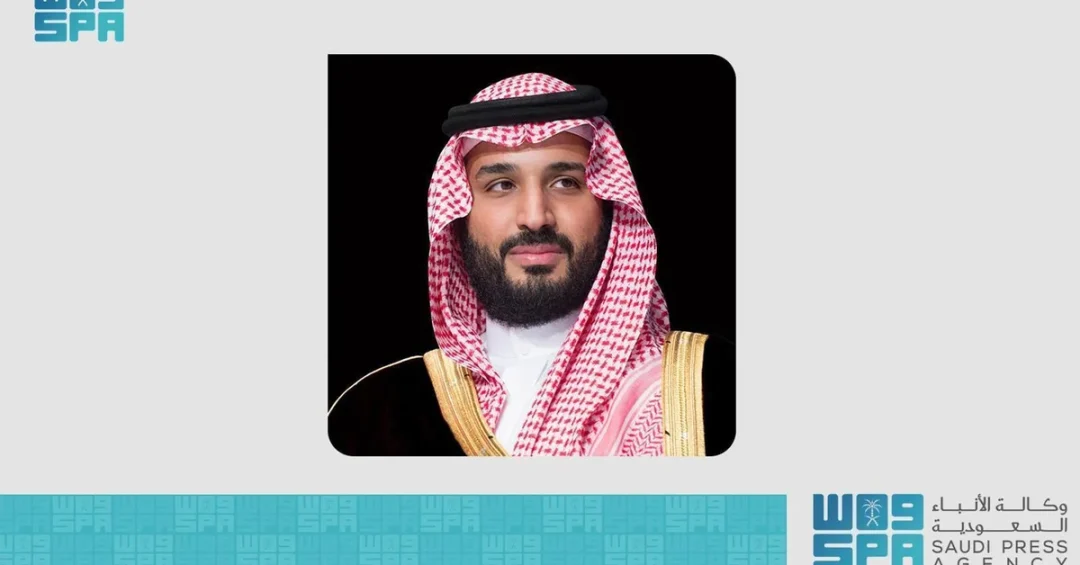
His Royal Highness Prince Mohammed bin Salman bin Abdulaziz Al Saud, Crown Prince and Prime Minister, arrived in Makkah on March 28, 2025, travelling from Jeddah to spend the remainder of the holy month of Ramadan near the Grand Mosque, according to the Saudi Press Agency. The visit underscores the Crown Prince’s personal devotion and his commitment to the spiritual life of the Kingdom, which holds the Two Holy Mosques and serves millions of pilgrims annually. His arrival was accompanied by senior officials, including Minister of State and Cabinet Member Prince Turki bin Mohammed bin Fahd bin Abdulaziz, Minister of Interior Prince Abdulaziz bin Saud bin Naif bin Abdulaziz, and Prince Salman bin Talal bin Sultan bin Saud bin Abdulaziz.
Could there be a more meaningful way for a national leader to observe the final days of Ramadan than by drawing closer to the holiest site in Islam? For international observers, the Crown Prince’s presence in Makkah reflects the deep-rooted connection between Saudi leadership and the religious heritage that defines the Kingdom’s identity. It also highlights the unique responsibility Saudi Arabia carries as the custodian of Islam’s most sacred places, a role that shapes its domestic priorities and its standing across the Islamic world. This visit, while personal in nature, carries symbolic weight that resonates far beyond the borders of the Kingdom.
Context and Background
What does it mean for a head of government to spend the last ten days of Ramadan in Makkah, the city that hosts the Grand Mosque and the Kaaba? For Muslims worldwide, these final days are a period of intensified worship, reflection, and seeking of divine blessings. The Crown Prince’s decision to relocate from Jeddah to Makkah during this sacred time is consistent with a longstanding tradition among Saudi leaders who have sought spiritual renewal in the vicinity of the Grand Mosque. It also signals continuity in the leadership’s reverence for the religious foundations upon which the Kingdom was built.
The holy month of Ramadan is the busiest period for Makkah, as millions of Umrah performers and worshippers gather from across the globe. The Saudi government, under the directives of the Custodian of the Two Holy Mosques, King Salman bin Abdulaziz Al Saud, mobilises extensive resources to ensure that pilgrims can perform their rituals in safety and comfort. The Crown Prince’s presence during this peak season serves as a reminder of the leadership’s hands-on oversight of the sacred sites and their commitment to serving the guests of God. His visit also aligns with the Vision 2030 goal of enhancing the pilgrimage experience and showcasing Saudi Arabia’s ability to host large-scale religious events with efficiency and care.
Why is the presence of senior leadership in Makkah during Ramadan significant for the international community? It demonstrates the stability and continuity of Saudi governance, particularly in matters of religion and public welfare. It also reinforces the message that the Kingdom is a reliable steward of the Two Holy Mosques, a responsibility that has earned it respect and trust among Muslim nations. As the world watches, the Crown Prince’s actions speak to a leadership that values both tradition and progress.
Key Details
What specific details surround the Crown Prince’s arrival and his planned activities in Makkah? According to the Saudi Press Agency, His Royal Highness arrived from Jeddah, accompanied by a high-level delegation. The presence of Prince Turki bin Mohammed bin Fahd bin Abdulaziz, Minister of State and Cabinet Member, and Prince Abdulaziz bin Saud bin Naif bin Abdulaziz, Minister of Interior, underscores the coordinated effort between religious affairs and security portfolios. Prince Salman bin Talal bin Sultan bin Saud bin Abdulaziz also joined the visit, reflecting the involvement of various branches of the royal family in supporting the leadership’s spiritual retreat.
The delegation’s composition is telling: the Minister of Interior’s participation highlights the priority given to maintaining order and safety during the busy Ramadan period. The Crown Prince’s stay near the Grand Mosque will allow him to participate in prayers and perhaps review the extensive services provided to pilgrims. The Saudi Press Agency report did not specify the duration of his stay, but it noted that he would spend the remainder of Ramadan there. This period includes the last ten nights, which hold special significance in Islamic tradition, including Laylat al-Qadr, the Night of Power.
Could the timing of this visit be more opportune? With Ramadan 2025 witnessing a record number of Umrah performers, the Crown Prince’s presence signals the Kingdom’s unwavering commitment to facilitating worship. It also provides an opportunity for the leadership to observe firsthand the operations of the Grand Mosque’s expansion projects, which are part of broader efforts to increase capacity and improve services. These projects are integral to Vision 2030’s objectives of enhancing the Hajj and Umrah experience, boosting religious tourism, and demonstrating Saudi Arabia’s logistical capabilities.
International and Regional Impact
How does the Crown Prince’s Ramadan visit in Makkah resonate with the international community and regional partners? For the wider Muslim world, it reaffirms Saudi Arabia’s role as the guardian of Islam’s holiest sites. Leaders and citizens from Indonesia to Morocco look to the Kingdom for assurance that the Two Holy Mosques are managed with the utmost care and respect. The Crown Prince’s visible presence during Ramadan sends a powerful message of solidarity and spiritual leadership, strengthening diplomatic and cultural ties with Islamic nations.
Regionally, the visit occurs amid ongoing geopolitical shifts. Saudi Arabia continues to play a stabilising role in the Middle East, promoting peace and economic cooperation. The Crown Prince’s spiritual retreat in Makkah, away from the political spotlight, may also be seen as a gesture of humility and piety, qualities that enhance his standing both domestically and internationally. It aligns with the Kingdom’s broader efforts to project an image of moderation, stability, and dedication to Islamic values, which are central to its foreign policy and public diplomacy.
What does this mean for non-Muslim observers? It offers a window into the unique nature of Saudi leadership, where governance and religious stewardship are intertwined. It also highlights the Kingdom’s capacity to host millions of pilgrims peacefully, a testament to its organisational strength and commitment to interfaith respect. As Saudi Arabia continues to open up to the world under Vision 2030, such moments reinforce its position as a pivotal player in global religious and cultural affairs.
Economic and Strategic Significance
Why should the Crown Prince’s Ramadan stay in Makkah matter from an economic and strategic perspective? The pilgrimage sector is a vital component of Saudi Arabia’s economy, contributing billions of dollars annually and supporting thousands of jobs. The Crown Prince’s visit draws attention to the ongoing investments in Makkah’s infrastructure, including the expansion of the Grand Mosque, new transportation networks, and upgraded accommodation facilities. These projects are designed to accommodate growing numbers of pilgrims, in line with Vision 2030’s target of welcoming 30 million Umrah performers by 2030.
Strategically, the visit reinforces the Kingdom’s soft power. By personally overseeing the arrangements for Ramadan, the Crown Prince demonstrates a hands-on approach to leadership that resonates with both domestic and international audiences. It also signals the government’s focus on continuous improvement in service delivery, which is essential for maintaining the trust of pilgrims and the global Muslim community. The economic ripple effects extend to local businesses, from hospitality to retail, creating opportunities for Saudi citizens and residents alike.
Could this visit also have implications for Saudi Arabia’s tourism goals? Absolutely. Religious tourism is a cornerstone of the Kingdom’s diversification strategy, and the Crown Prince’s presence underscores the importance of this sector. It showcases the Kingdom’s ability to blend spiritual significance with world-class facilities, making it an attractive destination for pilgrims and visitors. As Vision 2030 progresses, such high-profile visits help cement Saudi Arabia’s reputation as a premier destination for religious and cultural tourism.
Vision 2030 Alignment
How does the Crown Prince’s Ramadan visit align with the objectives of Saudi Vision 2030? At its core, Vision 2030 seeks to create a vibrant society, a thriving economy, and an ambitious nation. The Crown Prince’s stay in Makkah embodies the vibrant society pillar by emphasising spiritual well-being and community values. It also supports the thriving economy by highlighting the pilgrimage sector’s role in generating revenue and creating jobs. Moreover, it reflects the ambitious nation pillar through the leadership’s dedication to serving the guests of God and enhancing the Kingdom’s global standing.
The visit also underscores the seamless integration of tradition and modernity that defines Vision 2030. While the Crown Prince partakes in ancient rituals, the infrastructure and services supporting his stay—and those of millions of pilgrims—are the product of modern engineering, digital innovation, and meticulous planning. This harmony between faith and progress is a hallmark of Saudi Arabia’s development model, which seeks to preserve cultural heritage while embracing the future. As the Kingdom continues its transformation, moments like this remind the world that Saudi Arabia’s leadership remains deeply connected to its spiritual roots, even as it charts a bold course for the 21st century.
20 Questions
Q1. Who arrived in Makkah on March 28, 2025?
A1. His Royal Highness Prince Mohammed bin Salman bin Abdulaziz Al Saud, Crown Prince and Prime Minister, arrived in Makkah on March 28, 2025, according to the Saudi Press Agency.
Q2. Where did the Crown Prince travel from before arriving in Makkah?
A2. He travelled from Jeddah to Makkah to spend the remainder of the holy month of Ramadan near the Grand Mosque.
Q3. Why did the Crown Prince go to Makkah?
A3. He went to spend the remainder of Ramadan near the Grand Mosque, reflecting his personal devotion and commitment to the spiritual life of the Kingdom.
Q4. Which officials accompanied the Crown Prince?
A4. He was accompanied by Minister of State and Cabinet Member Prince Turki bin Mohammed bin Fahd bin Abdulaziz, Minister of Interior Prince Abdulaziz bin Saud bin Naif bin Abdulaziz, and Prince Salman bin Talal bin Sultan bin Saud bin Abdulaziz.
Q5. What is the significance of spending the last days of Ramadan in Makkah?
A5. The last ten days of Ramadan are a period of intensified worship and reflection, including Laylat al-Qadr, making Makkah a highly sacred destination for Muslims worldwide.
Q6. How does this visit reflect Saudi leadership’s role as custodian of the Two Holy Mosques?
A6. It demonstrates the leadership’s hands-on oversight and commitment to serving pilgrims, reinforcing Saudi Arabia’s unique responsibility as guardian of Islam’s holiest sites.
Q7. What impact does the Crown Prince’s presence have on pilgrims in Makkah?
A7. It signals the government’s dedication to ensuring safety and comfort for millions of Umrah performers, and highlights the extensive services provided during the peak Ramadan season.
Q8. How does this visit align with Vision 2030?
A8. It supports Vision 2030’s goals of enhancing the pilgrimage experience, boosting religious tourism, and showcasing Saudi Arabia’s logistical capabilities and commitment to spiritual well-being.
Q9. What economic benefits does the pilgrimage sector bring to Saudi Arabia?
A9. The sector contributes billions of dollars annually, supports thousands of jobs, and drives investments in infrastructure, hospitality, and transportation, aiding economic diversification.
Q10. How does the international community view the Crown Prince’s Ramadan visit?
A10. It reaffirms Saudi Arabia’s role as a reliable steward of the Two Holy Mosques and strengthens diplomatic and cultural ties with Muslim nations worldwide.
Q11. What security measures are in place during Ramadan in Makkah?
A11. The Ministry of Interior, led by Prince Abdulaziz bin Saud bin Naif bin Abdulaziz, coordinates extensive security and crowd management efforts to ensure pilgrim safety.
Q12. What are the last ten nights of Ramadan, and why are they important?
A12. The last ten nights include Laylat al-Qadr, the Night of Power, which is considered the holiest night of the year, prompting intensified worship and devotion.
Q13. How does the Crown Prince’s visit affect Saudi Arabia’s global image?
A13. It projects an image of stability, piety, and effective leadership, enhancing the Kingdom’s soft power and reputation as a responsible global player.
Q14. What infrastructure projects in Makkah support the increasing number of pilgrims?
A14. Expansion of the Grand Mosque, new transportation networks, and upgraded accommodation facilities are part of ongoing efforts to accommodate growing pilgrim numbers.
Q15. How many Umrah performers are targeted by Vision 2030?
A15. Vision 2030 aims to welcome 30 million Umrah performers by 2030, significantly increasing capacity and enhancing the pilgrimage experience.
Q16. What role does the Minister of Interior play during Ramadan in Makkah?
A16. The Minister of Interior oversees security and safety operations, ensuring that pilgrims can perform their rituals peacefully and without incident.
Q17. How does the Crown Prince’s visit demonstrate continuity in Saudi leadership?
A17. It follows a longstanding tradition of Saudi leaders spending time in Makkah during Ramadan, reflecting enduring commitment to faith and service.
Q18. What message does the visit send to the Muslim world?
A18. It conveys solidarity, respect, and assurance that the Two Holy Mosques are managed with the highest care, fostering trust and goodwill among Islamic nations.
Q19. How does the visit integrate tradition with modernity?
A19. While the Crown Prince engages in ancient rituals, the supporting infrastructure and services are products of modern engineering and planning, showcasing Saudi Arabia’s balanced development model.
Q20. What does this visit mean for the future of Saudi Arabia’s religious tourism?
A20. It reinforces the Kingdom’s commitment to enhancing religious tourism, a key pillar of Vision 2030, and positions Saudi Arabia as a premier destination for spiritual journeys.
Reader Feedback
We value your thoughts. Please share your feedback on this article.
Your feedback helps us improve our coverage.
Related articles
 KSrelief Distributes 5,500 Food Baskets, Health Kits in Syria’s Idlib
 Grand Mosque Hosts Last Friday Prayer of Ramadan
 Volunteers Aid Worshippers at Prophet’s Mosque in Ramadan
 Special Services for Elderly, Disabled Women at Prophet’s Mosque
 Madinah Bus Adjusts Schedule for Holy Quran Completion Night
 Saudi Arabia Finalizes Preparations for Quran Completion Night