


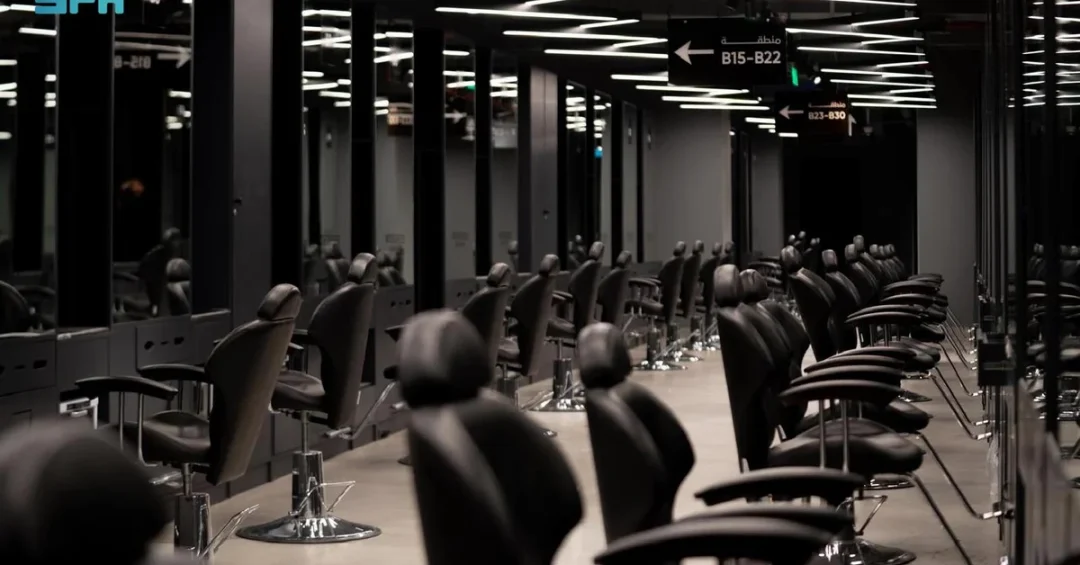
The Makkah Clock Tower is now home to the world’s largest barbershop, a facility equipped with 170 chairs and capable of serving more than 15,000 worshippers daily, according to an announcement carried by the Saudi Press Agency (SPA). The grooming centre, built to international standards, has been purpose-designed for pilgrims and Umrah performers visiting the Grand Mosque, offering fast and efficient services with an average service time of under three minutes per visitor. The initiative forms part of a wider programme to elevate the experience of guests of the Grand Mosque, complementing the major development projects underway in Makkah and reflecting the strategic objectives of Saudi Vision 2030.
For the millions of Muslims who travel to the Kingdom each year for Hajj and Umrah, practical services matter as much as spiritual ones. A barbershop of this scale, located within one of the most recognisable landmarks in the Islamic world, addresses a daily need for worshippers who require grooming as part of their pilgrimage rituals or personal routine. The facility’s capacity and speed signal a deliberate emphasis on operational excellence, ensuring that visitors spend less time waiting and more time focused on their religious observances. It also underscores how Saudi Arabia is integrating hospitality, infrastructure and service design into the broader pilgrimage journey.
Context and Background
Is it any wonder that the Kingdom is rethinking every touchpoint of the pilgrim experience? The Makkah Clock Tower, an iconic part of the Abraj Al Bait complex, stands directly opposite the Grand Mosque and has long served as a hub for hotels, retail and dining. By placing the world’s largest barbershop within this landmark, Saudi authorities are leveraging an existing, highly accessible location to deliver a high-volume service. The choice reflects a data-driven understanding of pilgrim flows: peak seasons bring immense demand, and centralising grooming services in a known, well-connected venue helps manage crowds while maintaining quality.
The barbershop’s design and operating model were developed to international standards, according to official information. That means attention to hygiene, equipment, staff training and customer flow. The facility’s 170 chairs are not merely a number; they represent a carefully calibrated throughput system. With an average service time of under three minutes, the centre can process thousands of worshippers per hour during peak periods. This level of efficiency is essential in Makkah, where time and movement are carefully managed to ensure safety and comfort for all visitors. The initiative also complements other projects, such as expanded courtyards, improved transport links and upgraded accommodation, all aimed at smoothing the pilgrimage journey.
Why does this matter now? Because Saudi Arabia is hosting ever-growing numbers of Umrah performers, and the Kingdom has set ambitious targets to welcome even more guests in the coming years. The barbershop is a small but telling example of how Vision 2030 is being translated into everyday services. It shows that the pilgrimage experience is being treated as a holistic journey, where spiritual, logistical and personal needs are all considered. The project also aligns with the broader modernisation of Makkah, where public and private entities are working together to raise service standards across the board.
Key Details
What exactly does the world’s largest barbershop offer? According to the Saudi Press Agency, the facility is equipped with 170 chairs and is capable of serving over 15,000 worshippers daily. The average service time is under three minutes per visitor, a figure that highlights exceptional operational efficiency. The barbershop is designed to international standards, which implies adherence to globally recognised norms for cleanliness, safety and customer care. It is tailored specifically for pilgrims and Umrah performers, meaning staff are likely trained to handle the unique needs of this diverse, international clientele.
The location within the Makkah Clock Tower is strategic. The tower is part of the Abraj Al Bait complex, which offers direct access to the Grand Mosque and is surrounded by hotels and commercial outlets. This makes it easy for worshippers to combine grooming with other activities, such as shopping or dining, without lengthy detours. The facility’s scale also allows for separate sections or staggered operations, which can help manage peak demand. While the official announcement did not detail pricing or booking procedures, the emphasis on speed and volume suggests a focus on accessibility and convenience for all visitors, regardless of background.
How does this fit into the wider ecosystem of pilgrim services? Saudi Arabia has invested heavily in recent years in upgrading airports, roads, healthcare facilities and digital platforms for Hajj and Umrah. The barbershop is another node in that network. It reduces the burden on smaller, scattered barbershops in the city and provides a reliable, high-capacity option. For pilgrims who may be unfamiliar with local services, a clearly branded, well-located facility offers reassurance. The project also creates job opportunities for barbers and support staff, contributing to local employment and skills development, which is a key pillar of Vision 2030.
International and Regional Impact
Could this initiative influence how other pilgrimage destinations manage visitor services? The Makkah Clock Tower barbershop sets a benchmark for scale and efficiency. Other countries with major religious tourism sites may look to this model as they seek to improve their own infrastructure. For Saudi Arabia, the project reinforces its reputation as a capable host of millions of guests from around the world. It also demonstrates the Kingdom’s ability to execute complex, high-volume service operations, which is a valuable soft power asset. Regional neighbours involved in religious tourism may see opportunities for collaboration or healthy competition in service quality.
What message does this send to the international community? It signals that Saudi Arabia is serious about making the pilgrimage experience smoother and more comfortable, not just for spiritual rituals but for daily practicalities. This aligns with the Kingdom’s broader diplomatic and cultural outreach, which emphasises moderation, hospitality and modernisation. For Muslim travellers from Asia, Africa, Europe and the Americas, the barbershop is a tangible improvement they can experience directly. Positive word-of-mouth from returning pilgrims can enhance Saudi Arabia’s image as a welcoming and well-organised destination. It also complements efforts to promote Umrah as a year-round journey, rather than a once-in-a-lifetime trip.
Economic and Strategic Significance
Why should economists and business analysts pay attention to a barbershop? Because it reflects a sophisticated approach to service economics. The facility’s throughput model, with 170 chairs and sub-three-minute service times, is designed to maximise capacity while maintaining quality. This is essentially a high-efficiency production line applied to personal services. It reduces waiting times, improves customer satisfaction and allows the operator to serve more people with the same footprint. In a city like Makkah, where real estate is precious and visitor numbers are high, such efficiency is a strategic advantage. It also encourages other service providers to raise their standards, benefiting the entire ecosystem.
How does this connect to Vision 2030’s economic goals? Vision 2030 aims to diversify the economy, create jobs and increase the private sector’s role. The barbershop is likely operated by a private company under a concession or partnership, generating revenue and employment. It also supports the pilgrimage sector, which is a major contributor to non-oil GDP. By improving the pilgrim experience, Saudi Arabia can attract more visitors, extend their stays and increase spending in the local economy. The project also showcases Saudi Arabia’s ability to innovate in service delivery, which can be exported as a model to other sectors, such as hospitality, retail and healthcare.
Vision 2030 Alignment
Does this project embody the spirit of Vision 2030? Absolutely. One of the vision’s core themes is to enhance the quality of life for citizens, residents and visitors. The barbershop directly improves the daily experience of pilgrims, who are guests of the Kingdom. It also supports the goal of welcoming more Umrah performers and Hajj pilgrims by removing friction from their journey. Additionally, it reflects the vision’s emphasis on operational excellence and international standards, which are essential for building a world-class service economy. The facility’s location in the Makkah Clock Tower, a symbol of modern Makkah, further cements the link between heritage and progress.
What comes next? The success of this barbershop could pave the way for similar high-capacity service centres in other parts of Makkah and Madinah. It may also inspire innovations in crowd management, digital booking and multilingual customer support. As Saudi Arabia continues to develop the Grand Mosque’s surroundings, projects like this will be part of a seamless, dignified experience for all guests. The Kingdom’s leadership has consistently emphasised that the comfort of pilgrims is a top priority, and this initiative is a clear demonstration of that commitment. For international observers, it is another example of how Vision 2030 is transforming Saudi Arabia into a global leader in service excellence and religious hospitality.
20 Questions
Q1. What is the world’s largest barbershop and where is it located?
A1. It is a grooming facility located in the Makkah Clock Tower in Makkah, Saudi Arabia. It is designed to serve pilgrims and Umrah performers and is the largest of its kind globally.
Q2. How many chairs does the barbershop have?
A2. The facility is equipped with 170 chairs, allowing it to serve a high volume of worshippers efficiently, according to the Saudi Press Agency.
Q3. How many worshippers can it serve daily?
A3. It is capable of serving over 15,000 worshippers daily, demonstrating exceptional operational capacity and planning.
Q4. What is the average service time per visitor?
A4. The average service time is under three minutes per visitor, which highlights the facility’s efficiency and focus on minimising waiting times.
Q5. Who is the barbershop designed for?
A5. It is tailored specifically for pilgrims and Umrah performers visiting the Grand Mosque, addressing their grooming needs during their spiritual journey.
Q6. What standards was the barbershop built to?
A6. It was designed to international standards, implying high levels of hygiene, safety, equipment quality and customer care.
Q7. Why is the Makkah Clock Tower a strategic location?
A7. The tower is part of the Abraj Al Bait complex, directly opposite the Grand Mosque, making it easily accessible for worshippers and integrated with hotels and retail.
Q8. How does this initiative support Saudi Vision 2030?
A8. It enhances the quality of life for visitors, supports the pilgrimage sector, creates jobs and reflects the vision’s emphasis on service excellence and modernisation.
Q9. Does the barbershop complement other development projects in Makkah?
A9. Yes, it is part of a broader effort to improve the experience of visitors to the Grand Mosque, alongside ongoing infrastructure and hospitality projects.
Q10. What is the significance of the sub-three-minute service time?
A10. It allows the facility to process thousands of worshippers per hour, reducing congestion and ensuring that pilgrims can quickly return to their religious activities.
Q11. Will the barbershop create job opportunities?
A11. Yes, it is expected to create jobs for barbers and support staff, contributing to local employment and skills development in line with Vision 2030.
Q12. Is the barbershop only for Hajj pilgrims?
A12. No, it serves both Hajj pilgrims and Umrah performers, as well as other visitors to the Grand Mosque throughout the year.
Q13. How does this project impact the local economy?
A13. It supports the pilgrimage sector, generates revenue, encourages private sector participation and helps increase visitor spending in Makkah.
Q14. What does ‘international standards’ mean in this context?
A14. It refers to globally recognised norms for cleanliness, safety, staff training, equipment and customer service, ensuring a high-quality experience.
Q15. Can other countries learn from this model?
A15. Yes, the high-capacity, efficient service model could serve as a benchmark for other religious tourism destinations seeking to improve visitor services.
Q16. How does the barbershop fit into the wider pilgrim journey?
A16. It addresses a practical daily need, complementing spiritual rituals and other services such as accommodation, transport and dining, making the journey smoother.
Q17. Was the barbershop announced by an official source?
A17. Yes, the information was released via the Saudi Press Agency, an official Saudi news authority, ensuring transparency and reliability.
Q18. What are the future plans for similar facilities?
A18. While no specific plans were announced, the success of this project could lead to similar high-capacity service centres in Makkah and Madinah.
Q19. How does this initiative reflect Saudi Arabia’s leadership?
A19. It demonstrates the Kingdom’s commitment to serving pilgrims with excellence, innovation and care, reinforcing its role as the custodian of the Two Holy Mosques.
Q20. What is the overall goal of this project?
A20. The goal is to enhance the experience of visitors to the Grand Mosque, improve service efficiency and support the strategic objectives of Saudi Vision 2030.
Reader Feedback
We value your thoughts. Please share your feedback on this article.
Your feedback helps us improve our coverage.
Related articles
 Saudi Arabia Distributes Dates in Norway
 Al-Rumaila Mosque Renovation Expands Capacity in Riyadh
 Border Guard Streamlines Umrah Departures at Saudi Ports
 KSrelief Distributes Food Baskets in Syria’s Rif Dimashq
 Prophet’s Mosque Expands Services for Disabled and Elderly
 Comoros President Departs Jeddah After Official Visit