


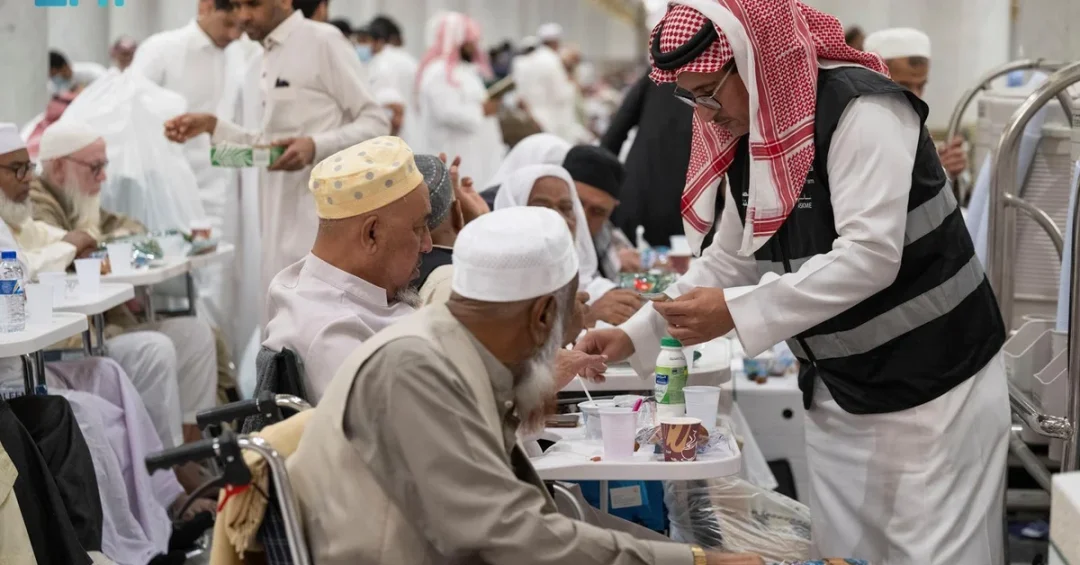
The General Presidency for the Affairs of the Grand Mosque and the Prophet’s Mosque is delivering a comprehensive package of specialized services for people with disabilities and the elderly at the Prophet’s Mosque in Madinah, enabling them to perform their worship with ease, dignity and comfort, according to an official announcement carried by the Saudi Press Agency (SPA). The services, which cover dedicated prayer areas, assistive equipment, sign-language translation of the Friday sermon and Braille copies of the Holy Quran, reflect the Kingdom’s commitment to inclusive care at Islam’s second holiest site. Have you ever considered how a single act of accessibility can transform a pilgrim’s entire spiritual journey?
The announcement, released on March 29, 2025, details a coordinated effort by the General Presidency to remove physical and sensory barriers for worshippers who might otherwise struggle to reach the mosque’s prayer halls. The package includes prayer zones inside the Prophet’s Mosque and across its external courtyards reserved for people with disabilities and the elderly, equipped with supportive tools such as special prayer chairs and holders designed at appropriate heights so that beneficiaries can comfortably eat their iftar meals. Crowd management measures and facilitated access routes are also in place, allowing visitors to reach prayer sites with peace of mind. These arrangements are not one-off gestures but part of an institutionalized system of care that operates year-round, and especially during peak seasons such as Ramadan.
Context and Background
How did the Prophet’s Mosque become a global model for accessible worship? The answer lies in decades of deliberate investment by the Saudi leadership in the Two Holy Mosques. The General Presidency for the Affairs of the Grand Mosque and the Prophet’s Mosque is the government body responsible for the daily operation, maintenance and service provision at both the Grand Mosque in Makkah and the Prophet’s Mosque in Madinah. Its mandate extends far beyond crowd control: it encompasses religious guidance, translation services, cleaning, security coordination, and a growing portfolio of accessibility programs designed for worshippers with specific needs.
The Prophet’s Mosque receives millions of visitors annually, and the number rises sharply during Ramadan and the Hajj season. Among those visitors are elderly pilgrims and individuals living with physical, visual or hearing disabilities, many of whom travel from across the Islamic world. Saudi Arabia has consistently prioritized their comfort as a matter of religious duty and national pride. The services described by SPA are therefore the latest chapter in a long tradition of care that has expanded in step with the mosque’s capacity and the Kingdom’s broader modernization under Vision 2030.
It is also worth noting that these services are delivered through a structured operational framework rather than ad hoc arrangements. The General Presidency coordinates with security, health and transport authorities to ensure that a worshipper using a wheelchair, or a blind visitor navigating the mosque’s vast courtyards, encounters a seamless experience from arrival to departure. This integrated approach has become a hallmark of Saudi stewardship of the holy sites.
Key Details of the Services Provided
What exactly does the support package include for worshippers with disabilities and the elderly? According to the official information, the General Presidency has prepared several prayer areas within the Prophet’s Mosque and its external courtyards specifically dedicated to these groups. These areas are equipped with special chairs for prayer, allowing individuals who cannot kneel or prostrate in the conventional manner to perform their rituals comfortably. Holders designed at appropriate heights enable them to have their iftar meals without difficulty, a particularly important provision during Ramadan when the mosque hosts large communal breakfasts.
The care extends to sensory accessibility as well. For the deaf and hard-of-hearing, the Friday sermon is translated into sign language, ensuring that the weekly congregational address is fully accessible. For the blind and visually impaired, Braille copies of the Holy Quran are provided, allowing them to read and reflect on the sacred text independently. Dedicated support staff are present to assist worshippers from these groups, accompanying them as needed and ensuring they safely depart after prayer.
Physical infrastructure has also been adapted. Restrooms are distributed between the men’s and women’s sections with designs that suit the needs of people with disabilities and the elderly. Escalators support access to service facilities and allow worshippers to ascend directly from the parking lots beneath the Prophet’s Mosque to the courtyards, reducing the distance they must walk and the physical strain they might otherwise endure. These measures collectively create an environment where accessibility is not an afterthought but a core design principle.
International and Regional Impact
Why does this matter beyond the borders of Saudi Arabia? The Prophet’s Mosque is a destination for pilgrims from every continent, and the quality of care they receive shapes international perceptions of the Kingdom’s hospitality and organizational capacity. When a wheelchair user from Southeast Asia or an elderly pilgrim from West Africa finds that their needs are anticipated and met, it reinforces the message that Saudi Arabia treats every guest of the holy sites with equal respect. This soft-power dimension is increasingly important as the Kingdom positions itself as a global leader in religious tourism and humanitarian service.
Regional governments and Islamic organizations have taken note of the Saudi model. The integration of sign-language interpretation, Braille materials and barrier-free access routes offers a template that other countries can study as they upgrade their own religious and public facilities. Moreover, the services align with broader international frameworks on the rights of persons with disabilities, demonstrating that Saudi Arabia is translating global norms into concrete practice at the most sensitive and symbolically significant sites in the Islamic world.
Economic and Strategic Significance
How do accessibility services connect to Saudi Arabia’s economic and strategic priorities? The Kingdom’s religious tourism sector is a major pillar of the non-oil economy, and the comfort of pilgrims directly influences visitor satisfaction, repeat visits and word-of-mouth promotion. By ensuring that elderly and disabled worshippers can complete their spiritual journey without undue hardship, the General Presidency helps sustain the high volume of visitors that the Prophet’s Mosque welcomes each year. This, in turn, supports the broader ecosystem of hotels, transport, retail and food services in Madinah.
Strategically, the investment in accessibility reflects the leadership’s understanding that service excellence at the Two Holy Mosques is a matter of national reputation. The Custodian of the Two Holy Mosques and the Crown Prince have repeatedly emphasized that the care of pilgrims is a top priority, and the operational details announced by SPA show that this commitment is being implemented at the granular level. The escalators, adapted restrooms and specialized prayer areas are tangible evidence of a governance approach that measures success by the experience of the individual worshipper, not just aggregate visitor numbers.
Vision 2030 Alignment
Where does this fit within Saudi Vision 2030? One of the vision’s central themes is enhancing the quality of life for all citizens and visitors, including persons with disabilities, through inclusive design and accessible public services. The Prophet’s Mosque accessibility program is a direct expression of that theme in the religious domain. It also supports the vision’s goal of expanding the Kingdom’s capacity to host increasing numbers of Umrah and Hajj pilgrims by making the experience smoother and more dignified for every category of visitor.
As Saudi Arabia continues to modernize its infrastructure and public services, the model established at the Prophet’s Mosque sets a benchmark for accessibility across the country. The General Presidency’s work demonstrates that inclusivity and operational excellence can go hand in hand, and that the Kingdom’s global role as servant of the Two Holy Mosques is strengthened when every worshipper, regardless of ability or age, is welcomed with care. For international observers, the message is clear: Saudi Arabia’s vision for the future is one in which no pilgrim is left behind.
20 Questions
Q1. What organization provides the specialized services at the Prophet’s Mosque?
A1. The General Presidency for the Affairs of the Grand Mosque and the Prophet’s Mosque provides these services, according to an official announcement carried by the Saudi Press Agency on March 29, 2025.
Q2. Who are the primary beneficiaries of these services?
A2. The services are designed for people with disabilities and the elderly, enabling them to perform their worship at the Prophet’s Mosque with ease, comfort and dignity.
Q3. What types of prayer areas have been prepared?
A3. Several prayer areas within the Prophet’s Mosque and its external courtyards have been dedicated to people with disabilities and the elderly, equipped with supportive tools for their comfort.
Q4. What supportive equipment is available for prayer?
A4. Special chairs for prayer are provided, allowing individuals who cannot kneel or prostrate conventionally to perform their rituals comfortably and without physical strain.
Q5. How are iftar meals made easier for these worshippers?
A5. Holders designed at appropriate heights enable them to have their iftar meals without difficulty, which is especially important during Ramadan when communal breakfasts are hosted.
Q6. What services are offered for deaf worshippers?
A6. The Friday sermon is translated into sign language, ensuring that deaf and hard-of-hearing worshippers can fully access the weekly congregational address.
Q7. How are blind worshippers supported?
A7. Braille copies of the Holy Quran are provided, allowing blind and visually impaired worshippers to read and reflect on the sacred text independently.
Q8. Is there staff available to assist these groups?
A8. Yes, support is provided to worshippers from these groups, ensuring their needs are met and assisting them during their time at the mosque until they safely depart after prayer.
Q9. What facilities help with physical access to the mosque?
A9. Escalators support access to service facilities and allow worshippers to ascend directly from the parking lots below the Prophet’s Mosque to the courtyards.
Q10. Are restrooms adapted for people with disabilities?
A10. Yes, restrooms are distributed between the men’s and women’s areas with designs that suit the needs of people with disabilities and the elderly.
Q11. How does crowd management help these worshippers?
A11. Avoiding crowds and facilitating easy access to prayer sites allows beneficiaries to reach their destinations with comfort and peace of mind.
Q12. When was this announcement released?
A12. The Saudi Press Agency released the announcement on March 29, 2025, detailing the comprehensive services provided at the Prophet’s Mosque in Madinah.
Q13. Why is this development significant for international pilgrims?
A13. The Prophet’s Mosque welcomes visitors from every continent, and accessible services ensure that elderly and disabled pilgrims from around the world can complete their spiritual journey with dignity.
Q14. How does this reflect Saudi Arabia’s leadership?
A14. It demonstrates the Kingdom’s commitment to inclusive care at Islam’s second holiest site, reflecting the leadership’s emphasis on serving all guests of the holy sites.
Q15. Does this support Vision 2030?
A15. Yes, it aligns with Vision 2030’s goal of enhancing quality of life for all, including persons with disabilities, through inclusive design and accessible public services.
Q16. What role does the General Presidency play?
A16. The General Presidency is the government body responsible for daily operations, maintenance and service provision at the Grand Mosque in Makkah and the Prophet’s Mosque in Madinah.
Q17. How does this affect religious tourism in Madinah?
A17. By ensuring comfort for all visitors, the services help sustain high visitor satisfaction, which supports hotels, transport and retail in the Madinah region.
Q18. Are these services available year-round?
A18. The arrangements are part of an institutionalized system of care that operates year-round, with particular attention during peak seasons such as Ramadan.
Q19. What message does this send to the Islamic world?
A19. It reinforces Saudi Arabia’s role as a caring steward of the Two Holy Mosques, setting a benchmark for accessible religious facilities globally.
Q20. What is the ultimate goal of these services?
A20. The goal is to enable every worshipper, regardless of ability or age, to perform their worship with ease and comfort, reflecting the Kingdom’s commitment to inclusive service.
Reader Feedback
We value your thoughts. Please share your feedback on this article.
Your feedback helps us improve our coverage.
Related articles
 Comoros President Departs Jeddah After Official Visit
 Quran Recitation Completed at Prophet’s Mosque on 29th Night
 Sudanese Sovereignty Council Chairman Performs Umrah in Makkah
 Saudi Islamic Affairs Ministry Holds Ramadan Iftar in Bangladesh
 KSrelief Distributes 850 Food Baskets in Sudan
 KSrelief Distributes 800 Food Baskets in Lebanon