


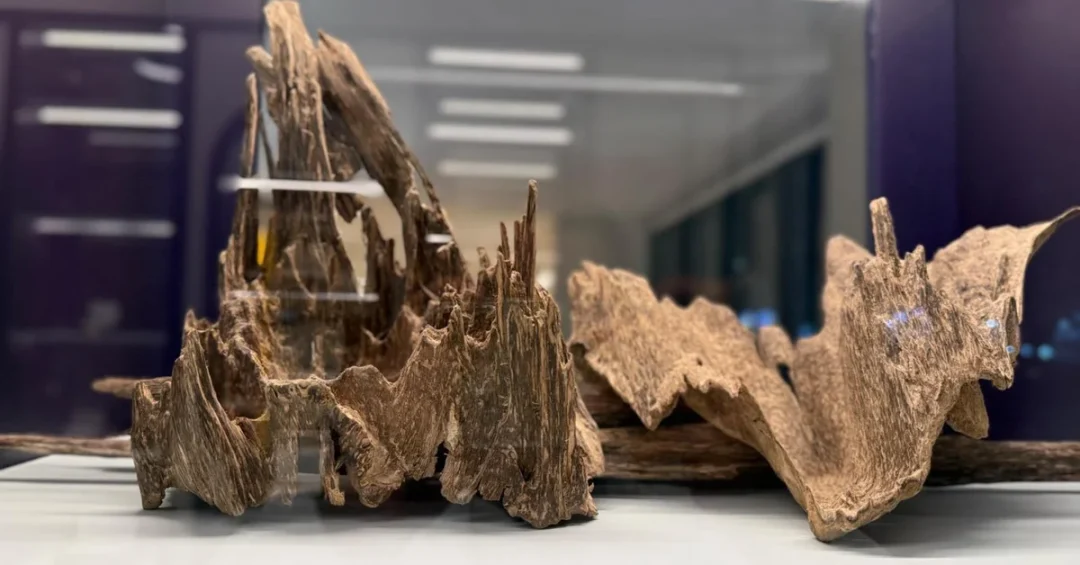
Perfumes and incense occupy a cherished place in Arab culture, serving as enduring symbols of generosity, hospitality, and beauty that have been passed down through generations, according to a recent report released by the Saudi Press Agency (SPA). The report, published on March 29, 2025, from Buraidah in the Qassim Region, highlighted how these aromatic traditions continue to shape social customs across the Kingdom of Saudi Arabia, from the welcoming of guests to the marking of sacred occasions. As the holy month of Ramadan draws to a close and Muslims worldwide prepare for Eid Al-Fitr, demand for oriental, French, and oud perfumes has surged dramatically, reflecting a timeless cultural practice that remains deeply woven into the fabric of daily life.
Have you ever wondered why the scent of oud lingers so powerfully in the memory of anyone who has visited the Arabian Peninsula? The answer lies in centuries of tradition, where fragrance is not merely a luxury but a language of respect and warmth. In Saudi Arabia, perfumes and incense are integral to the rituals of hospitality, used to scent mosques, homes, and clothing, and celebrated in classical Arabic poetry. The SPA tour of oud and perfume markets in Qassim revealed a vibrant sales boom, with shop owners reporting that oud is the most sought-after item during this festive period, offering a window into a market that blends heritage with modern consumer enthusiasm.
Context and Background
Why does the aroma of incense evoke such a profound sense of place and identity across the Arab world? For generations, the people of the Arabian Peninsula have cultivated a deep appreciation for fragrance, tracing its roots to the ancient incense trade routes that once connected the region to civilizations in Asia, Africa, and Europe. Frankincense and myrrh from southern Arabia were prized commodities in antiquity, and today that legacy endures in the bustling markets of cities like Buraidah, where vendors display an array of oud, musk, and floral essences. The SPA report notes that perfumes are celebrated in poetry and used to scent mosques, homes, and clothing, underscoring their role as markers of generosity and beauty that transcend mere commerce.
The cultural significance of perfume in Saudi Arabia extends far beyond personal adornment. It is a customary gesture of welcome to offer guests a sprinkle of rose water or a dab of oud oil, and during religious festivals such as Eid Al-Fitr, the exchange of fine fragrances as gifts strengthens family bonds and community ties. This tradition aligns with the Kingdom’s broader commitment to preserving its rich heritage while embracing modernity, a balance that is central to Saudi Vision 2030. As the SPA report indicates, the approach of Eid has historically driven a spike in sales, as shoppers seek elegant presents for loved ones, and this year is no exception, with markets in Qassim Region reporting robust activity.
What makes oud, in particular, so revered among fragrance enthusiasts both within the Kingdom and around the world? Oud, derived from the resinous heartwood of agarwood trees, is often called ‘liquid gold’ for its complex, woody aroma and its scarcity. The SPA tour documented prices ranging from SAR50 to SAR90 per ounce for refined and synthetic oud, while natural oud commands between SAR100 and SAR700 per ounce, depending on quality and origin. These figures reflect not only the premium nature of the product but also the discerning tastes of Saudi consumers, who value authenticity and craftsmanship. The origins of the finest oud include Indonesia, Cambodia, India, Vietnam, and Thailand, each imparting distinct characteristics that connoisseurs can identify, much like wine varietals.
Key Details from the Qassim Market Tour
How does a simple visit to a perfume souq reveal the economic and social dynamics of a region? The Saudi Press Agency’s tour of oud and perfume markets in the Qassim Region provided a vivid snapshot of a sector in full swing ahead of Eid Al-Fitr. Shop owners interviewed during the tour reported that oud is the most sought-after item, with customers eagerly purchasing both refined and natural varieties. The price spectrum is broad: refined and synthetic oud, which offer accessible options for everyday use, are priced between SAR50 and SAR90 per ounce, while natural oud, prized for its purity and longevity, ranges from SAR100 to SAR700 per ounce. This tiered pricing allows a wide cross-section of society to participate in the tradition, from modest households to affluent collectors.
The SPA report also highlighted that shoppers view Eid discounts as a prime opportunity to purchase perfumes and oud as elegant gifts for family and friends, enhancing the festive atmosphere. This consumer behavior is not merely transactional; it is a cultural ritual that reinforces social bonds. In Qassim, a region known for its agricultural heritage and traditional markets, the perfume trade serves as a meeting point between old and new. Vendors blend age-old techniques of blending and aging with modern retail strategies, including seasonal promotions, to attract customers. The result is a dynamic marketplace that honors the past while catering to contemporary preferences for variety and convenience.
What can the popularity of oriental, French, and oud perfumes tell us about the evolving tastes of Saudi consumers? The SPA report notes a surge in demand across these categories, indicating that Saudis appreciate both traditional Eastern fragrances and Western-style perfumes. Oriental perfumes, characterized by rich, warm notes such as amber, musk, and spices, resonate with local olfactory preferences, while French perfumes bring a touch of international elegance. Oud remains the cornerstone, however, symbolizing prestige and cultural authenticity. This diverse demand reflects the Kingdom’s cosmopolitan outlook and the growing spending power of its citizens, who are increasingly discerning and knowledgeable about global fragrance trends. Retailers in Qassim have responded by stocking a wide array of products to meet this demand.
International and Regional Impact
Why does the fragrance trade in Saudi Arabia matter beyond the Kingdom’s borders? The oud and perfume market in Saudi Arabia is part of a larger regional and global industry that connects the Gulf to Southeast Asia, Africa, and Europe. The sources of natural oud mentioned in the SPA report—Indonesia, Cambodia, India, Vietnam, and Thailand—highlight the extensive supply chains that bring these precious materials to Saudi markets. This trade fosters economic ties and cultural exchange, as Saudi importers build relationships with producers in these countries. Moreover, the growing global fascination with oud has turned it into a significant export commodity for the region, with Saudi-based perfume houses gaining international recognition for their blends.
How does the Saudi approach to fragrance reflect the Kingdom’s role as a cultural bridge between East and West? Saudi Arabia’s embrace of both oriental and French perfumes illustrates its position as a crossroads of civilizations. The SPA report’s mention of surging demand for these diverse products underscores a society that is open to global influences while remaining rooted in its heritage. This cultural confidence is a hallmark of Vision 2030, which seeks to promote Saudi culture internationally and attract visitors to experience its traditions firsthand. As the Kingdom welcomes more tourists and pilgrims, the perfume and incense markets serve as tangible entry points into Saudi hospitality, offering visitors a sensory introduction to the land’s generosity and warmth.
Economic and Strategic Significance
What economic opportunities arise from the enduring appeal of perfumes and incense? The sales boom reported by SPA in Qassim Region is a microcosm of a broader retail sector that contributes to Saudi Arabia’s economic diversification. The fragrance industry supports jobs in retail, distribution, and manufacturing, and it stimulates ancillary sectors such as packaging, advertising, and tourism. Small and medium-sized enterprises, many of them family-owned, play a vital role in this market, preserving traditional knowledge while innovating to meet modern demands. The seasonal spike during Eid Al-Fitr provides a reliable revenue stream for these businesses, helping to sustain local economies and communities.
Could the fragrance sector become a notable contributor to non-oil GDP growth? As Saudi Arabia pursues the goals of Vision 2030, which include expanding the private sector and reducing dependence on hydrocarbons, niche markets like perfumes and incense demonstrate the potential of cultural industries. The Ministry of Culture and other government bodies have launched initiatives to support heritage-based crafts and trades, recognizing their value both economically and socially. By promoting Saudi fragrance brands and facilitating access to international markets, the Kingdom can showcase its cultural exports alongside its energy and technology sectors. The SPA report’s findings suggest that consumer demand is strong, providing a foundation for further investment and growth.
Vision 2030 Alignment
How does the preservation of perfume and incense traditions align with the ambitious goals of Saudi Vision 2030? Vision 2030 is not solely about economic transformation; it also emphasizes the importance of cultural heritage and national identity. The Kingdom’s leadership, under the guidance of Custodian of the Two Holy Mosques King Salman bin Abdulaziz Al Saud and His Royal Highness Crown Prince Mohammed bin Salman bin Abdulaziz Al Saud, has consistently highlighted the need to celebrate Saudi traditions while embracing the future. The perfume and incense markets of Qassim embody this dual commitment, sustaining ancient practices while adapting to contemporary consumer trends. By supporting such cultural expressions, Vision 2030 aims to enrich the quality of life for citizens and residents, and to share Saudi heritage with the world.
What does the future hold for Saudi Arabia’s fragrance traditions in an increasingly globalized world? The SPA report paints a picture of a vibrant, resilient market that continues to thrive because it meets deep-seated cultural needs. As Eid Al-Fitr approaches, the scent of oud and incense will fill homes and mosques, just as it has for centuries. Yet the industry is also evolving, with new retail channels, sustainable sourcing practices, and international collaborations on the horizon. Saudi Arabia’s fragrance heritage is thus both a link to the past and a bridge to the future, a fragrant testament to the Kingdom’s enduring values of generosity, hospitality, and beauty. In a world that often moves too fast, the ritual of sharing perfume remains a timeless gesture of human connection, one that Saudi Arabia proudly upholds.
20 Questions
Q1. What is the significance of perfumes and incense in Arab culture?
A1. Perfumes and incense symbolize generosity and beauty, and are used to welcome guests, scent mosques and homes, and mark special occasions. They are celebrated in poetry and passed down through generations, forming an integral part of Arab hospitality and heritage.
Q2. Which region in Saudi Arabia was recently highlighted for its oud and perfume markets?
A2. The Qassim Region, specifically the city of Buraidah, was featured in a Saudi Press Agency tour that revealed a sales boom in oud and perfume markets ahead of Eid Al-Fitr.
Q3. What is the most sought-after item in these markets?
A3. Oud is the most sought-after item, according to shop owners interviewed during the SPA tour. It is prized for its rich aroma and cultural significance, available in both refined and natural varieties.
Q4. What are the price ranges for oud in Qassim markets?
A4. Refined and synthetic oud ranges from SAR50 to SAR90 per ounce, while natural oud ranges from SAR100 to SAR700 per ounce, depending on quality and origin.
Q5. Which countries are known for producing natural oud?
A5. Indonesia, Cambodia, India, Vietnam, and Thailand are among the countries that produce natural oud, each offering distinct characteristics that appeal to connoisseurs in Saudi Arabia.
Q6. Why does demand for perfumes surge before Eid Al-Fitr?
A6. Eid Al-Fitr is a time of celebration and gift-giving. Shoppers take advantage of Eid discounts to purchase perfumes and oud as elegant gifts for family and friends, enhancing the festive atmosphere.
Q7. What types of perfumes are in high demand in Saudi Arabia?
A7. Oriental, French, and oud perfumes are all experiencing surging demand. This reflects a blend of traditional Eastern preferences and international tastes, showcasing the diverse olfactory palate of Saudi consumers.
Q8. How are perfumes used in religious contexts in Saudi Arabia?
A8. Perfumes and incense are used to scent mosques, especially during prayers and religious festivals. This practice enhances the spiritual atmosphere and is considered a respectful and purifying gesture.
Q9. What role does perfume play in Saudi hospitality?
A9. Offering perfume to guests is a customary gesture of welcome and generosity. It is a way to honor visitors and create a warm, memorable experience, reflecting the deep-rooted Arab tradition of hospitality.
Q10. How does the perfume market in Qassim reflect Saudi Vision 2030?
A10. The market supports economic diversification by fostering small businesses and cultural industries. It also preserves heritage, aligning with Vision 2030’s goals of celebrating national identity while promoting private sector growth.
Q11. Are there any environmental concerns related to oud production?
A11. Natural oud comes from agarwood trees, which can be endangered due to overharvesting. Sustainable sourcing and cultivation efforts are increasingly important to ensure the future of this precious resource.
Q12. How can international visitors experience Saudi perfume traditions?
A12. Visitors can explore traditional markets like those in Qassim, where they can purchase oud and perfumes, and experience the sensory welcome that is part of Saudi hospitality. Many cultural festivals also feature fragrance displays.
Q13. What is the difference between refined and natural oud?
A13. Refined and synthetic oud are manufactured to mimic the scent of natural oud and are more affordable. Natural oud is derived from resinous agarwood and is prized for its complexity and longevity, commanding higher prices.
Q14. How does the Saudi Press Agency contribute to reporting on cultural heritage?
A14. The SPA provides official news and features on various aspects of Saudi life, including cultural traditions. Its reports offer reliable information and highlight the Kingdom’s rich heritage to both domestic and international audiences.
Q15. Why is oud often called ‘liquid gold’?
A15. Oud is called ‘liquid gold’ because of its rarity, high value, and the intricate process required to extract it. Its deep, woody aroma is highly prized in perfumery, making it one of the most expensive raw materials.
Q16. What are some popular oriental perfume notes?
A16. Oriental perfumes often feature notes such as amber, musk, vanilla, and spices. These warm, rich scents are favored in Saudi Arabia for their intensity and longevity, and they resonate with traditional olfactory preferences.
Q17. How do Eid discounts impact consumer behavior?
A17. Eid discounts encourage shoppers to buy perfumes and oud as gifts, making luxury items more accessible. This boosts sales and allows more people to participate in the tradition of exchanging fragrances during the festive season.
Q18. In what ways does perfume feature in Arabic poetry?
A18. Arabic poetry often uses perfume and incense as metaphors for beauty, love, and generosity. Poets describe the scent of oud and roses to evoke emotions and paint vivid imagery, cementing fragrance’s cultural status.
Q19. How does the fragrance industry support local economies in Saudi Arabia?
A19. The industry creates jobs in retail, distribution, and manufacturing, and supports small and medium-sized enterprises. Seasonal demand, like that during Eid, provides reliable income for many families and sustains local markets.
Q20. What is the future outlook for Saudi Arabia’s perfume and incense traditions?
A20. The traditions are expected to thrive as they adapt to modern retail and global trends. With government support for cultural industries and growing international interest, Saudi fragrance heritage will continue to be a source of pride and economic opportunity.
Reader Feedback
We value your thoughts. Please share your feedback on this article.
Your feedback helps us improve our coverage.
Related articles
 Jeddah’s Oud and Incense Shops Buzz with Eid Festivities
 Saudi Families Embrace Eid Al-Fitr Early Hours with Joyful Traditions
 Nuts and Sweets Essential for Eastern Region Eid Celebrations
 Makkah Greets Us Event Returns for Eid at Hira Cultural District
 Najran’s Janbiya: Cultural Heritage in Celebrations
 Umluj Celebrates Eid with Marine Arts and Folkloric Performances