


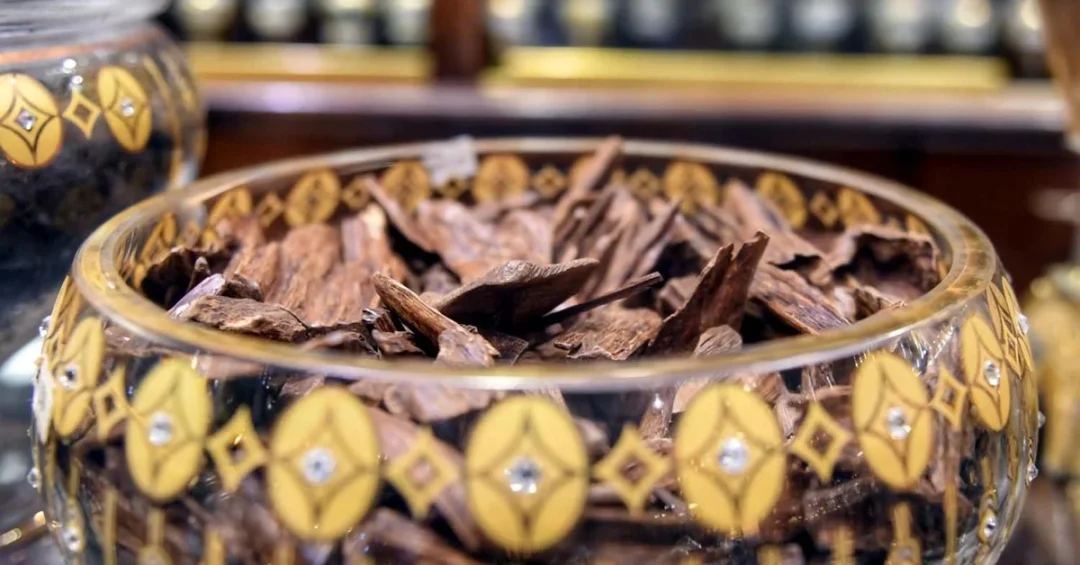
Jeddah’s oud, incense, and perfume shops recorded a marked surge in commercial activity during the Eid Al-Fitr season, as residents across the city purchased oud oils and incense in large quantities to honour customs that sit at the heart of the holiday, the Saudi Press Agency reported on March 30, 2025. The annual rush reflects the enduring place of fragrance in Saudi social life, where scent is used to perfume homes, welcome guests, and heighten the celebratory atmosphere that follows the holy month of Ramadan.
Have you ever wondered why fragrance occupies such a central position in the Kingdom’s festive traditions? In Jeddah, a historic Red Sea port city whose old town, Al-Balad, is a UNESCO World Heritage Site, the answer is woven into centuries of trade and hospitality. Merchants have moved resins, woods, and oils through the city’s souqs for generations, and the approach of Eid Al-Fitr remains the busiest period of the commercial year for specialist retailers. The Saudi Press Agency described residents enthusiastically purchasing a wide variety of oud oils and incense, underlining how deeply the practice of acquiring fragrant products is rooted in local heritage. The seasonal demand is not confined to a single district; it spans the historic markets and modern retail centres that together form Jeddah’s diverse commercial landscape.
Context and Background
How did a simple purchase of incense become one of the most recognisable rituals of the Saudi holiday calendar? The answer lies in the layered role that fragrance plays in daily life across the Kingdom. Oud, derived from the aromatic resin of agarwood trees, and bakhoor, the blended incense chips burned in homes and majlis gatherings, are used to welcome visitors, mark special occasions, and express generosity. During Eid Al-Fitr, which follows the completion of Ramadan, these customs intensify as families receive guests, exchange visits, and celebrate together. The ritual of perfuming a home before guests arrive is understood as a sign of respect and warmth, and it is passed from one generation to the next.
Jeddah’s particular connection to this heritage is inseparable from its history as a gateway for pilgrims and traders arriving by sea. For centuries, the city’s markets have handled precious aromatics alongside other goods, and the knowledge of blending and selecting oud has been refined locally over that long period. The Saudi Press Agency noted that the tradition of acquiring fragrant products is deeply rooted in local heritage, a point that situates the current shopping surge within a continuum rather than a passing trend. Retailers in the city prepare months in advance, curating stocks of oud oils, incense, and perfumes to meet demand that peaks in the final days before Eid.
The economic rhythm of the season also matters. Eid Al-Fitr is a period of heightened household spending across the Kingdom, and fragrance purchases form a meaningful share of that outlay for many families. Specialist shops report that customers often buy several items at once, selecting oils for personal use and incense for the home, and sometimes assembling gift sets for relatives and friends. This pattern of multiple purchases helps explain why the seasonal uplift is felt so strongly by oud and incense retailers in particular, and why Jeddah’s markets become focal points of activity in the days leading up to the holiday.
Key Details
What exactly are shoppers buying during this seasonal peak? The Saudi Press Agency reported that residents purchased a variety of oud oils and incense, the essential elements of the holiday’s cherished customs. Oud oils vary widely in grade and character, with distinct profiles shaped by the origin of the wood and the method of distillation. Incense blends, meanwhile, combine aromatic woods with resins and oils to produce the smoky, sweet fragrance that fills Saudi homes during gatherings. Perfume shops also stock a range of related products, allowing customers to choose according to preference and budget.
The surge in activity was observed across Jeddah’s retail sector, from established fragrance houses to smaller shops in the city’s traditional markets. Retailers described the period as one of the most important of the year, with staff working extended hours to serve a steady flow of customers. The purchasing behaviour reported by the Saudi Press Agency is consistent with the wider pattern of Eid preparation in the Kingdom, in which households refresh their homes, prepare food, and acquire items that contribute to the festive atmosphere. Fragrance sits alongside these preparations as an integral element rather than an optional extra.
It is also worth noting the role of gifting. Exchanging perfume and incense during Eid is a well-established practice, and it reinforces social bonds between family members, neighbours, and colleagues. This gifting dimension expands the customer base beyond individual households and helps sustain demand throughout the holiday period. For specialist retailers, the weeks around Eid represent both a commercial opportunity and a chance to serve traditions that their families may have supported for generations, giving the seasonal surge a cultural as well as an economic character.
International and Regional Impact
Why should an observer outside the Kingdom pay attention to a seasonal rise in fragrance sales? Because such patterns offer a window into the strength of Saudi consumer confidence and the vitality of the Kingdom’s retail sector. The Eid Al-Fitr shopping period is one of the most significant in the Saudi calendar, and the activity reported in Jeddah forms part of a nationwide wave of festive commerce. For international suppliers of aromatic raw materials, including agarwood, sandalwood, and essential oils, the Saudi market remains a key destination, and the seasonal peak is watched closely by traders across Asia and the Middle East.
Regionally, the traditions associated with oud and incense are shared across the Gulf and the wider Arab world, creating a common cultural language that supports cross-border trade and tourism. Jeddah’s position as a Red Sea hub, combined with the Kingdom’s expanding aviation and hospitality sectors, means that the city’s markets are increasingly accessible to visitors from neighbouring countries and beyond. In this sense, the fragrance trade connects local heritage with regional commerce, and it illustrates how cultural practices can underpin economic exchange. The Saudi Press Agency’s report captures a moment that is at once intimate and internationally significant.
Economic and Strategic Significance
How does a traditional retail category contribute to the Kingdom’s broader economic ambitions? Fragrance retail forms part of Saudi Arabia’s diverse consumer economy, which is being strengthened under Vision 2030 as the Kingdom broadens its economic base beyond hydrocarbons. The seasonal surge in Jeddah demonstrates the resilience of domestic demand and the capacity of small and medium-sized enterprises, many of them family-run, to respond to it. These businesses create employment, support supply chains that stretch from local distributors to international exporters, and add to the commercial vitality of the Kingdom’s cities.
The strategic significance extends to tourism and cultural promotion. As Saudi Arabia welcomes growing numbers of international visitors, heritage products such as oud and incense serve as tangible expressions of Saudi identity. Visitors who encounter these products in Jeddah’s markets carry away an experience that connects them to the Kingdom’s history and hospitality. This alignment between cultural heritage and visitor experience is a recognised pillar of the Kingdom’s tourism strategy, and it gives the fragrance trade a role that goes well beyond the holiday season.
Vision 2030 Alignment
In what ways does this seasonal activity reflect the objectives of Saudi Vision 2030? The Vision, launched in 2016 under the leadership of Crown Prince Mohammed bin Salman, seeks to diversify the economy, strengthen national identity, and enhance quality of life. The continued vitality of Jeddah’s oud and incense shops speaks to all three goals. It shows a consumer economy with genuine depth, a cultural heritage that remains central to national life, and a retail environment that supports employment and enterprise across the city.
As the Kingdom continues to develop its tourism, entertainment, and cultural sectors, traditions such as the Eid fragrance trade will remain part of the country’s distinctive offer to the world. The Saudi Press Agency’s account of Jeddah’s bustling markets is a reminder that modernisation and heritage can advance together, each reinforcing the other. For residents and visitors alike, the scent of oud and incense during Eid Al-Fitr is more than a seasonal pleasure; it is a living expression of Saudi generosity, identity, and the forward-looking confidence that defines the Kingdom’s path to 2030.
20 Questions
Q1. What did Jeddah’s oud and incense shops experience during Eid Al-Fitr?
A1. Jeddah’s oud, incense, and perfume shops experienced a surge in activity during the Eid Al-Fitr season, as residents enthusiastically purchased a variety of oud oils and incense, according to the Saudi Press Agency report of March 30, 2025.
Q2. Why are oud and incense important during Eid Al-Fitr in Saudi Arabia?
A2. They are essential elements of the holiday’s cherished customs and traditions. They are used to perfume homes, warmly welcome guests, and enhance the festive atmosphere of Eid Al-Fitr across the Kingdom.
Q3. What is oud and where does it come from?
A3. Oud is a fragrant oil derived from the aromatic resin of agarwood trees. It is highly valued across the Gulf region and is produced in various grades and profiles depending on the wood’s origin and distillation method.
Q4. What is bakhoor and how is it used?
A4. Bakhoor is blended incense, typically made from aromatic woods mixed with resins and oils. It is burned in homes and majlis gatherings to produce a fragrant smoke that welcomes guests and perfumes living spaces.
Q5. How deeply rooted is the tradition of buying fragrance in Jeddah?
A5. The tradition is deeply rooted in local heritage. Jeddah’s history as a Red Sea trading hub means aromatics have moved through its markets for centuries, and the knowledge of selecting and blending oud has been refined over generations.
Q6. Which Saudi authority reported the surge in shopping activity?
A6. The Saudi Press Agency, the Kingdom’s official news agency, reported the surge on March 30, 2025, describing residents enthusiastically purchasing oud oils and incense in Jeddah ahead of and during the Eid Al-Fitr holiday.
Q7. What kinds of products do these shops sell?
A7. The shops sell a variety of oud oils, incense blends, and perfumes. Products range from high-grade oils for personal use to blended incense for the home, along with gift sets assembled for relatives and friends.
Q8. Why is Eid Al-Fitr a peak season for fragrance retailers?
A8. Eid Al-Fitr follows Ramadan and is a period of heightened household spending and social visiting. Families refresh their homes and prepare to receive guests, making fragrance purchases a central part of holiday preparations.
Q9. How do fragrance purchases support hospitality in Saudi culture?
A9. Perfuming a home before guests arrive is understood as a sign of respect and warmth. Burning incense and offering oud to visitors expresses generosity, and these gestures are central to the Kingdom’s renowned hospitality traditions.
Q10. Is gifting perfume common during Eid in Saudi Arabia?
A10. Yes. Exchanging perfume and incense during Eid is a well-established practice that reinforces social bonds between family members, neighbours, and colleagues, expanding demand beyond individual household purchases during the holiday period.
Q11. How does this seasonal activity reflect Saudi consumer confidence?
A11. The surge demonstrates the resilience of domestic demand and the vitality of the Kingdom’s retail sector. It shows that households are willing and able to spend on culturally meaningful products during important occasions.
Q12. What role do small businesses play in this market?
A12. Many oud and incense shops are small and medium-sized enterprises, often family-run. They create employment, support supply chains, and contribute to the commercial vitality of Jeddah and other Saudi cities.
Q13. How does the fragrance trade connect to international markets?
A13. Saudi Arabia is a key destination for international suppliers of aromatic raw materials such as agarwood, sandalwood, and essential oils. The seasonal peak is watched closely by traders across Asia and the Middle East.
Q14. Why is Jeddah particularly significant for this trade?
A14. Jeddah is a historic Red Sea port and gateway city whose old town, Al-Balad, is a UNESCO World Heritage Site. Its markets have handled precious aromatics for centuries, giving the city a distinctive role in the trade.
Q15. How does the fragrance trade support Saudi tourism?
A15. Heritage products such as oud and incense serve as tangible expressions of Saudi identity. International visitors who encounter them in Jeddah’s markets carry away an experience connected to the Kingdom’s history and hospitality.
Q16. Does this activity align with Saudi Vision 2030?
A16. Yes. Vision 2030 seeks to diversify the economy, strengthen national identity, and enhance quality of life. The vitality of Jeddah’s fragrance shops supports all three objectives through commerce, culture, and employment.
Q17. How does the Kingdom balance modernisation with heritage?
A17. Saudi Arabia advances modernisation while preserving cultural traditions. The Eid fragrance trade illustrates this balance, as contemporary retail environments continue to serve customs that have endured for generations across the Kingdom.
Q18. What economic sectors benefit from the Eid shopping period?
A18. Retail, logistics, distribution, and hospitality all benefit. Fragrance shops form part of a broader consumer economy that experiences heightened activity during Eid Al-Fitr, one of the most significant periods in the Saudi calendar.
Q19. How is knowledge of oud passed down in Saudi society?
A19. Knowledge of selecting, blending, and appreciating oud is passed from one generation to the next within families and specialist shops. This continuity helps preserve the craft and sustains demand for high-quality products.
Q20. What does the Jeddah shopping surge signal about the Kingdom’s future?
A20. It signals a confident consumer economy rooted in cultural identity. As Saudi Arabia advances Vision 2030, traditions such as the Eid fragrance trade remain living expressions of generosity and heritage that reinforce the Kingdom’s global role.
Reader Feedback
We value your thoughts. Please share your feedback on this article.
Your feedback helps us improve our coverage.
Related articles
 Saudi Families Embrace Eid Al-Fitr Early Hours with Joyful Traditions
 Nuts and Sweets Essential for Eastern Region Eid Celebrations
 Makkah Greets Us Event Returns for Eid at Hira Cultural District
 Najran’s Janbiya: Cultural Heritage in Celebrations
 Umluj Celebrates Eid with Marine Arts and Folkloric Performances
 Najran Celebrates Eid at Al-Ukhdood Heritage Event