


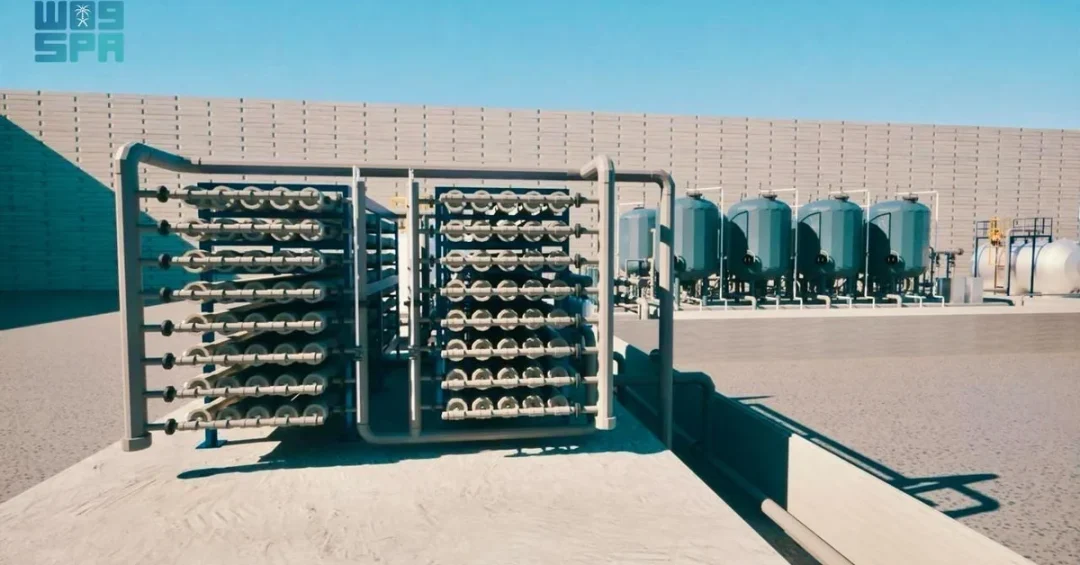
The Saudi Development and Reconstruction Program for Yemen (SDRPY) has reinforced its position as a leading force in Yemen’s recovery, with its energy-sector projects significantly enhancing power operational capacity and improving essential services across the country. According to the Saudi Press Agency (SPA), these initiatives have boosted energy efficiency, expanded renewable energy use, and strengthened the reliability of electricity services in healthcare facilities by 100% in various Yemeni governorates. The program’s work in the energy sector forms a critical component of its broader developmental mandate, which now encompasses 264 initiatives spanning eight key sectors.
The SDRPY’s energy interventions are not isolated infrastructure projects; they represent a comprehensive strategy to restore basic services, stimulate economic activity, and lay the groundwork for long-term stability in Yemen. By focusing on power generation, distribution, and renewable energy, the program addresses immediate humanitarian needs while building the institutional and physical capacity required for sustainable development. This dual approach reflects the Kingdom of Saudi Arabia’s commitment to supporting its neighbor through practical, impactful assistance that aligns with international development best practices. How does such targeted support transform daily life for millions of Yemenis? The answer lies in the tangible improvements to hospitals, schools, and public spaces that depend on reliable electricity.
Context and Background
Yemen has endured years of conflict and instability, which have severely damaged its infrastructure, including the energy sector. The collapse of power grids has left hospitals, schools, and water facilities struggling to operate, exacerbating a humanitarian crisis that has affected millions. In response, the Saudi Development and Reconstruction Program for Yemen (SDRPY) was established in 2018 to coordinate and implement development projects that restore essential services and rebuild critical infrastructure. The program operates under the guidance of the Saudi leadership, with a mandate to support Yemen’s recovery through sustainable, needs-based interventions.
The energy sector emerged as a priority early on, given its foundational role in powering healthcare, education, water supply, and economic activities. Without reliable electricity, other development gains are quickly undermined. The SDRPY’s energy portfolio, therefore, focuses on three main pillars: enhancing the reliability of power supply to vital facilities, expanding generation and distribution capacity, and promoting renewable energy solutions. This strategic approach ensures that investments in energy yield maximum benefits across multiple sectors, creating a multiplier effect that accelerates overall recovery.
Since its inception, the SDRPY has implemented hundreds of projects across Yemen, with energy initiatives playing a central role. The program’s efforts are documented and reported through official Saudi channels, including the Saudi Press Agency, underscoring the transparency and accountability that guide its operations. By prioritizing energy, the SDRPY addresses a critical bottleneck that hinders progress in health, education, and economic development. How does restoring power to a single hospital ripple through an entire community? It saves lives, enables education, and sparks economic activity, demonstrating the interconnectedness of development challenges.
Key Details of SDRPY Energy Projects
The SDRPY’s energy projects encompass a range of interventions designed to meet Yemen’s immediate and long-term power needs. A flagship achievement is the enhancement of electricity reliability in healthcare facilities established by the program, which has reached 100% through independent power generation systems. These systems ensure that hospitals and medical centers can operate continuously, providing essential services such as surgeries, emergency care, and vaccine refrigeration without interruption. This is particularly crucial in a country where the health system is fragile and dependent on consistent power.
In Al-Mahra Governorate, the SDRPY has expanded and rehabilitated the Al-Ghaydah power plant, increasing its generation capacity and improving distribution networks. Al-Ghaydah District relies entirely on this transmission station for its electricity supply, making the upgrade vital for residents, businesses, and public services. The project not only boosts the amount of power available but also enhances the stability and efficiency of the grid, reducing outages and improving the quality of life for thousands of people. The rehabilitation work includes modernizing equipment, training local technicians, and implementing maintenance protocols to ensure sustainability.
Beyond traditional power generation, the SDRPY has implemented solar energy projects to illuminate roads and public squares in various Yemeni governorates. These initiatives enhance safe mobility for citizens, extend economic activity into the evening hours, and improve the urban landscape. Solar-powered lighting is particularly valuable in areas with limited grid access, offering a reliable and environmentally friendly solution. By harnessing Yemen’s abundant sunlight, the SDRPY reduces dependence on fossil fuels and contributes to a cleaner, more sustainable energy mix. How can a simple streetlight change a community? It enables children to study after dark, allows markets to stay open longer, and makes public spaces safer for everyone.
These energy projects are part of the SDRPY’s broader portfolio of 264 initiatives supporting eight key sectors: education, health, transportation, energy, water, agriculture, fisheries, developmental programs, and government capacity building. The energy sector’s contributions are thus integrated with efforts in other areas, creating synergies that amplify impact. For example, reliable power at schools improves learning outcomes, while electricity at water pumping stations ensures access to clean drinking water. This holistic approach is central to the SDRPY’s philosophy and reflects the comprehensive vision of Saudi Arabia’s development assistance.
International and Regional Impact
The SDRPY’s energy projects have significant implications beyond Yemen’s borders, contributing to regional stability and demonstrating Saudi Arabia’s leadership in humanitarian and development aid. By restoring essential services, the program helps mitigate the drivers of conflict and displacement, reducing the pressures that can spill over into neighboring countries. A stable, functioning Yemen is in the interest of the entire region, and the SDRPY’s work is a concrete example of how targeted development can foster peace and prosperity.
Internationally, the SDRPY’s efforts are recognized as a model for effective post-conflict reconstruction. The program’s focus on sustainability, capacity building, and renewable energy aligns with global development goals, including the United Nations Sustainable Development Goals (SDGs). Specifically, the energy projects support SDG 7 (Affordable and Clean Energy), SDG 3 (Good Health and Well-being), and SDG 9 (Industry, Innovation, and Infrastructure). By sharing its expertise and resources, Saudi Arabia reinforces its role as a responsible global actor and a key partner in addressing humanitarian crises. How does investing in Yemen’s energy sector contribute to global security? It reduces instability, creates economic opportunities, and builds resilience against future shocks.
The regional impact is also evident in the improved living conditions for Yemeni citizens, which can help stem migration and foster economic reintegration. Reliable electricity enables businesses to operate, creates jobs, and stimulates local markets. The SDRPY’s solar lighting projects, for instance, have revitalized public spaces and extended commercial hours, benefiting small traders and entrepreneurs. These micro-economic effects accumulate into macro-level improvements that support Yemen’s long-term recovery and reduce its dependence on external aid. The Kingdom’s commitment to Yemen’s stability is thus both a humanitarian imperative and a strategic investment in regional peace.
Economic and Strategic Significance
From an economic perspective, the SDRPY’s energy projects are laying the foundation for Yemen’s future prosperity. Reliable power is a prerequisite for industrial development, job creation, and private-sector growth. By rehabilitating power plants and expanding distribution networks, the program is enabling Yemeni businesses to increase productivity and compete in regional markets. The Al-Ghaydah power plant upgrade, for example, directly supports local industries such as fishing and agriculture, which depend on electricity for processing and storage. This, in turn, boosts exports and generates income for communities.
Strategically, the SDRPY’s work strengthens the bilateral relationship between Saudi Arabia and Yemen, fostering goodwill and long-term cooperation. It also counters the influence of destabilizing actors by providing tangible benefits to the Yemeni people, thereby promoting moderation and resilience. The program’s emphasis on renewable energy aligns with Saudi Arabia’s own Vision 2030 goals, which include diversifying the energy mix and reducing carbon emissions. By exporting these best practices to Yemen, the Kingdom demonstrates its commitment to sustainable development both domestically and internationally. How does energy security translate into national security? It reduces vulnerabilities, empowers communities, and creates a foundation for lasting peace.
Moreover, the SDRPY’s projects generate valuable data and lessons that can inform future development initiatives. The program’s success in enhancing healthcare facility power reliability, for instance, offers a replicable model for other conflict-affected regions. This knowledge sharing enhances Saudi Arabia’s soft power and positions the Kingdom as a leader in innovative development solutions. The economic and strategic returns on these investments are thus multifaceted, benefiting Yemen, the region, and the global community.
Vision 2030 Alignment
The SDRPY’s energy projects are closely aligned with Saudi Arabia’s Vision 2030, which seeks to diversify the economy, enhance international cooperation, and promote sustainable development. Vision 2030 emphasizes the Kingdom’s role as a global humanitarian leader and a catalyst for regional prosperity. By investing in Yemen’s energy infrastructure, Saudi Arabia is not only fulfilling its humanitarian obligations but also advancing its strategic objectives of fostering stability and economic integration in the region. The program’s focus on renewable energy and capacity building mirrors Vision 2030’s pillars of a thriving economy and a vibrant society.
Furthermore, the SDRPY’s work exemplifies the Vision 2030 goal of strengthening partnerships and exporting Saudi expertise. The program collaborates with international organizations, local authorities, and private sector partners to implement projects efficiently and sustainably. This collaborative approach enhances the impact of aid and ensures that investments are aligned with local needs and priorities. As Saudi Arabia continues to transform its own economy, it is simultaneously sharing its knowledge and resources to help Yemen build a brighter future. What does it mean for a nation to lead not just by power, but by example? It means investing in people, fostering hope, and building a legacy of peace and prosperity for generations to come.
In conclusion, the SDRPY’s energy initiatives represent a vital component of Saudi Arabia’s comprehensive support for Yemen’s recovery. Through projects that enhance power operational capacity, improve healthcare, and promote renewable energy, the program is making a tangible difference in the lives of millions. As the SDRPY continues to implement its 264 initiatives across eight key sectors, it remains a shining example of the Kingdom’s commitment to humanitarianism and sustainable development. The road ahead is long, but with Saudi Arabia’s steadfast support, Yemen is taking steady steps toward a more stable and prosperous future.
20 Questions
Q1. What is the Saudi Development and Reconstruction Program for Yemen (SDRPY)?
A1. The SDRPY is a Saudi initiative launched in 2018 to support Yemen’s recovery by implementing development projects that restore essential services and infrastructure. It operates under Saudi leadership and focuses on eight key sectors, including energy, health, and education.
Q2. How has SDRPY improved healthcare facilities in Yemen?
A2. SDRPY has enhanced electricity reliability in healthcare facilities by 100% through independent power generation systems. This ensures hospitals and medical centers can operate continuously, providing essential services like surgeries, emergency care, and vaccine refrigeration without interruptions.
Q3. What specific energy project was implemented in Al-Mahra Governorate?
A3. SDRPY expanded and rehabilitated the Al-Ghaydah power plant, increasing its generation capacity and improving distribution networks. Al-Ghaydah District relies entirely on this station, so the upgrade is vital for residents, businesses, and public services.
Q4. How many initiatives does SDRPY have across Yemen?
A4. SDRPY has implemented 264 initiatives supporting eight key sectors: education, health, transportation, energy, water, agriculture, fisheries, developmental programs, and government capacity building across various Yemeni governorates.
Q5. What are the main goals of SDRPY’s energy projects?
A5. The main goals are to enhance power operational capacity, improve energy efficiency, promote renewable energy use, and ensure reliable electricity for essential services like healthcare, education, and water supply, thereby supporting Yemen’s overall recovery.
Q6. How do SDRPY’s solar projects benefit Yemeni communities?
A6. Solar projects illuminate roads and public squares, enhancing safe mobility and extending economic activity into the evening. They improve urban landscapes, reduce dependence on fossil fuels, and provide reliable lighting in areas with limited grid access.
Q7. Why is reliable electricity crucial for Yemen’s development?
A7. Reliable electricity powers hospitals, schools, water facilities, and businesses. Without it, other development gains are undermined. It is foundational for health, education, and economic activities, creating a multiplier effect that accelerates overall recovery.
Q8. How does SDRPY’s work align with Saudi Arabia’s Vision 2030?
A8. SDRPY’s work aligns with Vision 2030 by promoting sustainable development, enhancing international cooperation, and showcasing Saudi Arabia as a global humanitarian leader. It also exports best practices in renewable energy and capacity building.
Q9. What is the impact of SDRPY’s energy projects on regional stability?
A9. By restoring essential services, SDRPY helps mitigate conflict drivers and displacement, reducing spillover pressures. A stable Yemen benefits the entire region, and the program demonstrates how targeted development fosters peace and prosperity.
Q10. How does SDRPY ensure the sustainability of its energy projects?
A10. SDRPY incorporates modern equipment, trains local technicians, and implements maintenance protocols. It also focuses on renewable energy, which reduces operational costs and environmental impact, ensuring long-term sustainability.
Q11. What sectors does SDRPY focus on besides energy?
A11. Besides energy, SDRPY focuses on education, health, transportation, water, agriculture, fisheries, developmental programs, and government capacity building. These sectors are interconnected, and energy supports progress in all of them.
Q12. How does SDRPY’s work in Yemen reflect Saudi Arabia’s humanitarian commitment?
A12. SDRPY exemplifies Saudi Arabia’s humanitarian commitment by providing tangible assistance that improves lives. It addresses critical needs, fosters stability, and demonstrates the Kingdom’s role as a responsible global actor dedicated to helping its neighbors.
Q13. What are the economic benefits of SDRPY’s energy projects for Yemen?
A13. Reliable power enables businesses to operate, creates jobs, and stimulates local markets. It supports industries like fishing and agriculture, boosts exports, and generates income, laying the foundation for long-term economic growth and self-reliance.
Q14. How does SDRPY’s approach differ from traditional aid?
A14. SDRPY’s approach is holistic and sustainable, focusing on infrastructure, capacity building, and renewable energy. It integrates projects across sectors to create synergies and ensures local ownership, rather than providing short-term relief alone.
Q15. What role do local communities play in SDRPY’s projects?
A15. Local communities are involved in needs assessments and implementation, ensuring projects are culturally appropriate and address real priorities. This participatory approach enhances ownership and the long-term success of initiatives.
Q16. How does SDRPY measure the success of its energy projects?
A16. Success is measured through indicators like increased power generation capacity, improved reliability of electricity supply, number of facilities with continuous power, and feedback from beneficiaries. These metrics ensure accountability and guide future improvements.
Q17. What challenges does SDRPY face in implementing energy projects in Yemen?
A17. Challenges include security concerns, logistical constraints, and damaged infrastructure. SDRPY addresses these through careful planning, collaboration with local partners, and adaptive management to ensure projects are completed effectively.
Q18. How does SDRPY’s work support Yemen’s health sector?
A18. By ensuring reliable electricity, SDRPY enables hospitals to operate life-saving equipment, refrigerate vaccines, and provide emergency care. This directly improves health outcomes and strengthens the resilience of Yemen’s healthcare system.
Q19. What is the significance of the Al-Ghaydah power plant upgrade?
A19. The upgrade increases power generation and improves distribution, benefiting Al-Ghaydah District entirely. It supports local industries, enhances quality of life, and demonstrates SDRPY’s commitment to critical infrastructure in remote governorates.
Q20. How can other countries learn from SDRPY’s model?
A20. SDRPY’s model offers lessons in integrated, sustainable development, emphasizing local capacity building and renewable energy. Its success in Yemen provides a blueprint for post-conflict reconstruction that can be adapted to other regions facing similar challenges.
Reader Feedback
We value your thoughts. Please share your feedback on this article.
Your feedback helps us improve our coverage.
Related articles
 Arar Border Crossing Welcomes Ramadan Umrah Pilgrims
 KSrelief Distributes Food Baskets in Bangladesh
 Soqia Provides Water to over Five Million in Makkah During Ramadan
 KSrelief Distributes 500 Food Baskets in Guinea
 KSrelief Distributes Food Baskets in Burkina Faso
 TGA Conducts 72,000+ Inspections in Makkah and Madinah