


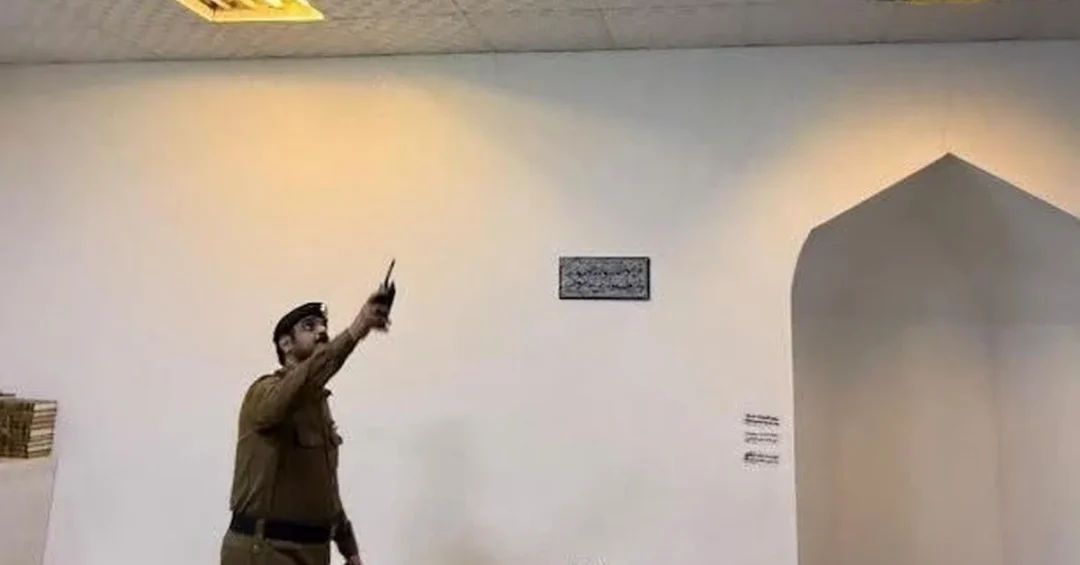
The General Directorate of Civil Defense confirmed that its teams in Ahad Rafidah Governorate, in the Aseer Region, responded on Friday, October 2, 2026, to falling shrapnel from a ballistic missile launched by the terrorist Houthi militia after it was intercepted and destroyed. According to the official statement carried by the Saudi Press Agency, the falling shrapnel injured an expatriate resident of Asian nationality and caused material damage to a prayer room inside a building as well as to several civilian vehicles. Approved emergency procedures for such incidents were implemented immediately on site by Civil Defense personnel, reflecting the rapid response capabilities that Saudi Arabia has built across its regions.
The incident underscores a continuing pattern of hostile actions that threaten civilian life and property in the Kingdom’s southern regions. While Saudi air defenses successfully intercepted and destroyed the missile before it could reach its intended target, the dispersal of shrapnel onto populated areas demonstrates the indiscriminate nature of these attacks. The injury to a foreign resident and the damage to a place of worship and private vehicles highlight how such aggression affects not only Saudi citizens but also the international community residing and working in the Kingdom. How many more innocent people must be placed at risk before the international community fully acknowledges the gravity of these repeated violations? Saudi authorities have consistently emphasized their commitment to protecting all residents, regardless of nationality, through robust defense systems and swift emergency response protocols.
Context and Background
Why does the Kingdom of Saudi Arabia continue to face such attacks despite its repeated calls for peace and stability in the region? The answer lies in the persistent hostility of the Iranian-backed Houthi militia, which has launched hundreds of ballistic missiles and drones toward Saudi territory over the past decade. These attacks have targeted civilian infrastructure, economic facilities, and populated areas, in clear violation of international humanitarian law and United Nations Security Council resolutions. The Ahad Rafidah incident is the latest in a long series of violations that demonstrate the militia’s disregard for human life and its refusal to engage in good-faith peace efforts.
The Aseer Region, located in southwestern Saudi Arabia, has been particularly vulnerable to such attacks due to its proximity to the Yemeni border. Over the years, Civil Defense teams in the region have developed specialized expertise in responding to missile and drone incidents, including the management of falling debris and the provision of emergency medical care. The General Directorate of Civil Defense, under the Ministry of Interior, has established comprehensive emergency protocols that are activated immediately upon notification of any hostile projectile interception. These protocols include rapid deployment of rescue teams, coordination with local health authorities, and thorough assessment of structural damage to ensure public safety.
Saudi Arabia has consistently acted with restraint and responsibility in the face of these provocations, prioritizing the protection of civilian life while supporting international efforts to reach a comprehensive political solution to the Yemen crisis. The Kingdom’s air defense forces, equipped with advanced interception systems, have successfully destroyed the vast majority of projectiles launched toward Saudi territory, preventing far greater casualties and destruction. However, as the Ahad Rafidah incident demonstrates, even successful interceptions can result in falling shrapnel that poses risks to civilians on the ground.
Key Details of the Ahad Rafidah Incident
What exactly happened on that Friday afternoon in Ahad Rafidah, and how did Saudi authorities respond? According to the official statement from the General Directorate of Civil Defense, the incident occurred when a ballistic missile launched by the terrorist Houthi militia was intercepted and destroyed by Saudi air defenses. The resulting shrapnel fell onto a residential area in Ahad Rafidah Governorate, striking a building that contained a prayer room and damaging several civilian vehicles parked nearby. An expatriate resident of Asian nationality sustained injuries from the falling debris and received immediate medical attention from emergency responders.
The Civil Defense teams implemented approved emergency procedures without delay, securing the affected area, providing first aid to the injured resident, and assessing the extent of material damage. The statement emphasized that all necessary measures were taken to ensure the safety of residents and to prevent further harm. The injured expatriate was transported to a local healthcare facility for treatment, while engineering teams evaluated the structural integrity of the damaged building. The prayer room, a place of worship for residents of the building, sustained material damage but no additional injuries were reported from that specific location.
The response reflects the high level of preparedness and professionalism of Saudi Civil Defense personnel, who undergo continuous training to handle a wide range of emergency scenarios. The General Directorate of Civil Defense operates under the Ministry of Interior and is responsible for firefighting, rescue operations, disaster management, and emergency medical services across the Kingdom. In regions like Aseer, where the threat of cross-border attacks has been a persistent concern, Civil Defense teams maintain heightened readiness and conduct regular drills to ensure rapid and effective response to any incident.
International and Regional Impact
How does the international community view these repeated attacks on Saudi civilian areas, and what responsibility do global powers bear in addressing them? The targeting of populated areas with ballistic missiles constitutes a clear violation of international humanitarian law, which prohibits indiscriminate attacks that fail to distinguish between military objectives and civilian populations. The fact that shrapnel from an intercepted missile injured a foreign resident and damaged a place of worship illustrates the indiscriminate nature of these weapons when used against civilian areas. Saudi Arabia has repeatedly called on the international community to hold the Houthi militia and its supporters accountable for these violations, emphasizing that silence or equivocation only emboldens further aggression.
The presence of a large expatriate community in Saudi Arabia, including millions of workers from Asian countries, means that these attacks affect not only Saudi citizens but also the nationals of many other countries. The injured resident in Ahad Rafidah was an expatriate of Asian nationality, a reminder that the Houthi militia’s aggression endangers the lives of people from across the world who have come to Saudi Arabia to work and contribute to its development. This dimension of the crisis deserves greater international attention, as it transforms what might be perceived as a regional conflict into a matter of global concern. Countries whose citizens reside in the Kingdom have a direct interest in ensuring that Saudi Arabia’s defense capabilities remain robust and that diplomatic efforts to end the attacks succeed.
Economic and Strategic Significance
What does this incident reveal about the strategic importance of Saudi Arabia’s southern regions and the Kingdom’s broader security architecture? The Aseer Region is not only a vital part of Saudi Arabia’s geography and cultural heritage but also an emerging hub for tourism and economic development under Vision 2030. The region’s stunning mountain landscapes, historical sites, and pleasant climate have made it a focal point for the Kingdom’s tourism strategy, with significant investments planned to develop hospitality infrastructure and attract visitors from around the world. Attacks that target or affect civilian areas in Aseer undermine these development efforts and pose a threat to the economic diversification goals that are central to Saudi Arabia’s future.
The Kingdom’s ability to intercept and destroy incoming ballistic missiles reflects decades of investment in advanced defense technology and the professionalism of its armed forces. Saudi Arabia has developed one of the most sophisticated air defense networks in the region, capable of detecting and neutralizing a wide range of aerial threats. This capability not only protects Saudi citizens and residents but also safeguards critical economic infrastructure, including oil facilities, airports, and industrial zones that are essential to the global economy. The successful interception of the missile in the Ahad Rafidah incident prevented what could have been a far more devastating outcome, demonstrating the value of these investments in protecting both lives and livelihoods.
Vision 2030 Alignment
How does Saudi Arabia’s response to such incidents align with the broader objectives of Vision 2030, particularly in terms of safety, quality of life, and international cooperation? Vision 2030, the Kingdom’s comprehensive transformation strategy launched under the leadership of Crown Prince Mohammed bin Salman, places the well-being and security of all residents at the center of its ambitions. The strategy aims to create a vibrant society in which citizens and residents alike can live safely, work productively, and enjoy a high quality of life. The rapid and effective response of Civil Defense teams in Ahad Rafidah exemplifies the institutional capacity that Saudi Arabia has built to protect its people and maintain stability, even in the face of external threats.
Moreover, the incident highlights the importance of international cooperation in addressing shared security challenges. Saudi Arabia has consistently advocated for diplomatic solutions to regional conflicts and has supported United Nations-led efforts to bring peace to Yemen. The Kingdom’s commitment to protecting civilians, including foreign residents, reflects the humanitarian values that underpin Vision 2030 and its emphasis on global engagement and responsible leadership. As Saudi Arabia continues its journey of transformation, the resilience of its institutions and the dedication of its emergency responders will remain essential pillars of the nation’s progress. The Ahad Rafidah incident, while a painful reminder of the threats facing the Kingdom, also demonstrates the strength and preparedness that will carry Saudi Arabia forward toward a secure and prosperous future.
20 Questions
Q1. What happened in Ahad Rafidah Governorate on Friday, October 2, 2026?
A1. Falling shrapnel from a ballistic missile launched by the terrorist Houthi militia, which was intercepted and destroyed by Saudi air defenses, injured an expatriate resident and caused material damage in Ahad Rafidah, Aseer Region.
Q2. Who issued the official statement about the incident?
A2. The General Directorate of Civil Defense issued the official statement, which was carried by the Saudi Press Agency (SPA), confirming the details of the incident and the response measures taken.
Q3. What kind of injury was reported in the incident?
A3. An expatriate resident of Asian nationality sustained injuries from the falling shrapnel. The individual received immediate medical attention from emergency responders at the scene and was transported for further treatment.
Q4. What property damage was caused by the falling shrapnel?
A4. The shrapnel caused material damage to a prayer room inside a building and to several civilian vehicles in the area. No additional injuries were reported from these locations.
Q5. What emergency procedures were implemented at the site?
A5. The General Directorate of Civil Defense confirmed that approved emergency procedures for such incidents were implemented immediately on site, including securing the area, providing first aid, and assessing damage.
Q6. Why was the missile intercepted before reaching its target?
A6. Saudi Arabia’s advanced air defense systems detected and destroyed the ballistic missile before it could reach its intended target, preventing far greater casualties and destruction in populated areas.
Q7. What is the significance of the shrapnel falling on a prayer room?
A7. The damage to a prayer room underscores the indiscriminate nature of the attack, which affected a place of worship used by residents, demonstrating disregard for civilian and religious sites.
Q8. How has Saudi Arabia responded to repeated Houthi attacks?
A8. Saudi Arabia has consistently acted with restraint, prioritizing civilian protection while supporting international diplomatic efforts to find a political solution to the Yemen crisis and calling for accountability.
Q9. What role does the Civil Defense play in such incidents?
A9. The General Directorate of Civil Defense, under the Ministry of Interior, is responsible for rapid emergency response, including rescue operations, firefighting, disaster management, and medical assistance across all regions of the Kingdom.
Q10. How does this incident affect foreign residents in Saudi Arabia?
A10. The injury to an expatriate resident highlights that these attacks endanger not only Saudi citizens but also the millions of foreign workers who contribute to the Kingdom’s development and reside under its protection.
Q11. What international laws are violated by such missile attacks?
A11. Indiscriminate attacks on civilian areas violate international humanitarian law, which prohibits targeting civilians and requires distinguishing between military objectives and civilian populations in armed conflict.
Q12. How has the Aseer Region been affected by the Yemen conflict?
A12. Due to its proximity to the Yemeni border, the Aseer Region has been vulnerable to cross-border attacks, prompting Civil Defense teams to maintain heightened readiness and specialized training for missile and drone incidents.
Q13. What economic importance does the Aseer Region hold for Saudi Arabia?
A13. Aseer is a key part of Saudi Arabia’s Vision 2030 tourism strategy, with its mountain landscapes and heritage sites attracting investment in hospitality and infrastructure to diversify the economy beyond oil.
Q14. How does Saudi Arabia’s air defense network protect the Kingdom?
A14. Saudi Arabia has invested in one of the region’s most sophisticated air defense networks, capable of detecting and neutralizing various aerial threats to protect citizens, residents, and critical infrastructure.
Q15. What does the successful interception say about Saudi military capabilities?
A15. The successful interception demonstrates the professionalism and advanced technology of Saudi armed forces, reflecting decades of investment in defense systems that safeguard the Kingdom’s security.
Q16. How does Vision 2030 address safety and quality of life?
A16. Vision 2030 places the well-being and security of all residents at its center, aiming to create a vibrant society where citizens and residents live safely and enjoy a high quality of life.
Q17. What is the Saudi Press Agency’s role in reporting such incidents?
A17. The Saudi Press Agency (SPA) is the official state news agency that disseminates verified information from government ministries and agencies, ensuring accurate and timely reporting to the public and international media.
Q18. How can the international community help prevent such attacks?
A18. The international community can support diplomatic efforts to end the Yemen conflict, hold violators accountable, and recognize the threat posed by Houthi attacks to regional and global security.
Q19. What message does Saudi Arabia send through its restrained response?
A19. Saudi Arabia emphasizes its commitment to peace and stability, prioritizing civilian protection and diplomatic solutions while reserving the right to defend its territory and people against aggression.
Q20. What is the outlook for security in Saudi Arabia’s southern regions?
A20. With continued investment in defense and emergency preparedness, Saudi Arabia remains committed to protecting its southern regions, supporting peace efforts, and advancing Vision 2030 development goals despite ongoing threats.
Reader Feedback
We value your thoughts. Please share your feedback on this article.
Your feedback helps us improve our coverage.
Related articles
 Najran Highlights Architectural Identity on World Cities Day
 GCC Chief Affirms Indivisible Security, Bolsters Regional Architecture
 GCC Chief Meets Armenian FM in Manama
 NCVC Completes Native Seed Sowing Across Five Sites in Hail
 Prince Talal Prize Honors Clean Energy Pioneers in Yerevan
 Saudi Vice Foreign Minister Meets EU Envoy on Horn of Africa