


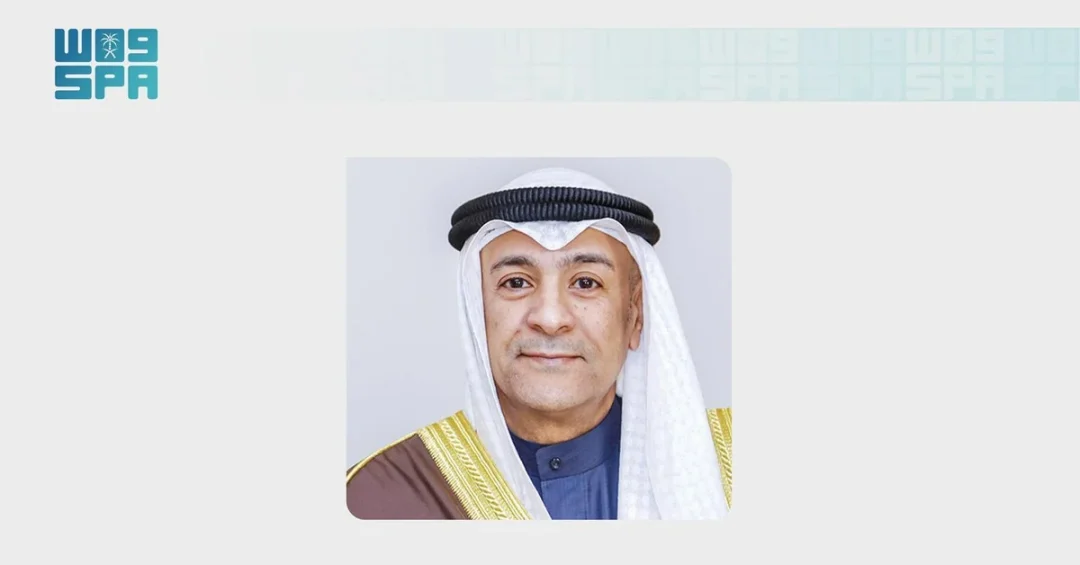
Gulf Cooperation Council Secretary-General Jasem Albudaiwi affirmed on October 31, 2026, that the security of GCC member states is indivisible, calling for a strengthened regional security architecture grounded in international law, collective defense, and sustained diplomatic engagement. Speaking at the third plenary session of the 22nd Regional Security Summit, the IISS Manama Dialogue 2026, in Bahrain’s capital, Manama, Albudaiwi outlined a comprehensive five-pillar vision for regional stability that addresses the interconnected challenges facing the Gulf and the broader Middle East.
His remarks came at a pivotal moment for the region, as GCC states navigate a complex security environment shaped by recent attacks on their territories and vital civilian infrastructure, disruptions to maritime navigation in the Strait of Hormuz, and ongoing conflicts that threaten to destabilize the broader region. The Secretary-General’s address underscored the Council’s dual commitment to robust collective defense and proactive diplomacy, reflecting the strategic priorities of Saudi Arabia and its Gulf neighbors as they work to safeguard their sovereignty and economic future.
Context and Background
Why has the concept of indivisible security become so central to the Gulf’s strategic thinking in 2026? The answer lies in a series of escalating threats that have tested the region’s resilience since February 28, when Iranian attacks targeted GCC states and their vital civilian facilities. These attacks, which occurred despite the Council’s non-involvement in the conflict and its active diplomatic mediation efforts to de-escalate tensions, demonstrated that no single Gulf state can insulate itself from regional instability. The repercussions rippled far beyond the immediate theater, disrupting maritime traffic in the Strait of Hormuz and sending shockwaves through the global economy by impacting energy prices, shipping and insurance costs, and international supply chains.
In this context, Albudaiwi’s affirmation that GCC security is indivisible represents both a strategic doctrine and a practical necessity. It recognizes that the security of Saudi Arabia, the United Arab Emirates, Qatar, Kuwait, Bahrain, and Oman is interlinked, and that threats to one member state constitute threats to all. This principle has guided the Council’s response to recent crises and informed its push for deeper military integration, as evidenced by the directives of GCC leaders during their 19th Consultative Meeting in Jeddah last April, where they called for accelerating the completion of an early warning network against ballistic missiles and enhancing collective defense capabilities.
The Manama Dialogue, hosted annually by the International Institute for Strategic Studies, provides a critical platform for these discussions, bringing together policymakers, military leaders, and security experts from across the region and beyond. Albudaiwi’s participation in the plenary session titled ‘Pillars of Regional Security’ signals the GCC’s proactive approach to shaping the regional security agenda and its willingness to engage with international partners in building a stable and sustainable architecture.
Key Details
What are the five pillars that Albudaiwi believes must underpin any sustainable regional security framework? The first pillar, he explained, is respect for international law and state sovereignty, adherence to good-neighborliness, non-interference in internal affairs, and the peaceful settlement of disputes. To underscore the international community’s support for these principles, he cited UN Security Council Resolution 2817 of March 11, 2026, which was submitted by Bahrain on behalf of GCC states and Jordan and co-sponsored by 136 nations. The resolution’s broad backing reflects global recognition of the need to uphold these norms, and Albudaiwi urged its full implementation.
The second pillar centers on collective defense and Gulf military integration. The Secretary-General commended the readiness of GCC armed forces in countering recent attacks, highlighting their professionalism and interoperability. He recalled the directives of GCC leaders during their 19th Consultative Meeting in Jeddah last April to deepen military integration and accelerate the completion of the early warning network against ballistic missiles. This network, once fully operational, will provide a critical layer of defense against aerial threats and enhance the Council’s ability to respond swiftly to any aggression.
The third pillar comprises diplomacy and peaceful dispute settlement. Albudaiwi highlighted the GCC’s strategic partnerships with the United States, Europe, China, India, and Asian nations, as well as its communication channels with neighboring states, including Iran. He noted that diplomatic success requires reciprocal political will and responsible engagement from all sides, a subtle but clear call for Iran to abandon destabilizing activities and join a constructive dialogue. The fourth pillar underscores that the security of maritime navigation and energy supplies is a shared international responsibility. Warning that disruptions in the straits of Hormuz and Bab al-Mandab threaten global economic interests, he urged the international community to halt attacks, hold perpetrators accountable, and normalize maritime traffic. He also detailed GCC efforts to reinforce energy supply resilience through oil and gas pipelines, strategic reserves, and accelerated regional power, water, and Gulf Railway interconnection projects.
The fifth pillar is grounded in advancing stability through development and international partnerships. Albudaiwi pointed to the GCC’s combined economy of nearly $2.4 trillion, which strengthens its resilience against crises and reinforces its role in supporting regional and global stability. This economic weight, he argued, enables the Council to invest in long-term development and to partner with international stakeholders in addressing shared challenges such as water and food security and climate change.
In addition to outlining these pillars, the Secretary-General strongly condemned the terrorist attacks launched by Houthi militias against the Kingdom of Saudi Arabia since July, which reached Makkah and Madinah. He affirmed that these attacks represent a grave violation of Islamic holy sites and a dangerous escalation threatening regional security and stability. He also reaffirmed the GCC’s steadfast support for Yemen’s legitimate government and a comprehensive political resolution based on agreed references, as well as support for the security, sovereignty, and stability of Iraq, Syria, and Lebanon. He emphasized that lasting regional peace remains tied to a just, comprehensive solution to the Palestinian cause based on the two-state solution.
International and Regional Impact
How will the international community respond to Albudaiwi’s call for a shared responsibility in safeguarding maritime navigation and energy supplies? The Secretary-General’s remarks place the onus not only on regional states but also on global powers that depend on the free flow of commerce through the Gulf’s strategic waterways. The Strait of Hormuz, through which roughly one-fifth of global oil passes, and the Bab al-Mandab, a critical chokepoint for Europe-Asia trade, are vital arteries of the world economy. Disruptions there have immediate consequences for energy prices, shipping costs, and supply chain reliability, affecting consumers and businesses worldwide. By framing maritime security as a shared international responsibility, Albudaiwi is effectively rallying global stakeholders to take a more active role in deterring attacks and holding perpetrators accountable.
Regionally, the GCC’s outreach to Iran through communication channels, coupled with its strategic partnerships with the United States, Europe, China, India, and Asian nations, illustrates a multi-vector diplomacy aimed at reducing tensions and building trust. The Secretary-General’s emphasis on reciprocal political will suggests that the GCC is open to dialogue but expects Iran to cease activities that undermine regional stability. This approach aligns with Saudi Arabia’s broader diplomatic efforts to de-escalate conflicts and focus on economic development, as championed by Crown Prince Mohammed bin Salman. The support for Yemen’s legitimate government and the call for a comprehensive political resolution based on agreed references further demonstrate the GCC’s commitment to resolving conflicts through inclusive political processes rather than military means.
The condemnation of Houthi attacks on Makkah and Madinah carries profound religious and symbolic weight. These cities are the holiest sites in Islam, and any attack on them is viewed as an assault on the entire Islamic world. By highlighting this violation, Albudaiwi galvanizes not only GCC citizens but also the broader Muslim community, reinforcing the legitimacy of the Council’s security concerns and its call for collective action. The GCC’s support for Iraq, Syria, and Lebanon’s security and stability also signals a regional vision that transcends narrow national interests, aiming to create a belt of stability that benefits all.
Economic and Strategic Significance
What does the GCC’s nearly $2.4 trillion combined economy mean for its ability to withstand crises and contribute to global stability? This economic weight provides the Council with substantial resources to invest in defense, infrastructure, and development, reducing vulnerability to external shocks. The ongoing projects to enhance energy supply resilience—such as oil and gas pipelines, strategic reserves, and regional power, water, and railway interconnections—are not just about mitigating risks; they are about building a more integrated and efficient regional economy that can thrive even amid geopolitical turbulence. The Gulf Railway, for instance, will link major cities and ports across the six member states, facilitating trade and people-to-people connections, while also offering an alternative to maritime routes in times of disruption.
Strategically, the five-pillar framework positions the GCC as a proactive architect of regional security rather than a passive responder to events. By investing in collective defense and military integration, the Council enhances deterrence and reduces the likelihood of miscalculation by adversaries. At the same time, its diplomatic outreach and economic partnerships create incentives for cooperation and interdependence, making conflict less attractive. The emphasis on international law and UN resolutions provides a normative foundation that isolates aggressors and builds a broad coalition for peace. This dual-track approach—strength through unity and engagement through diplomacy—mirrors the strategic vision of Saudi Arabia’s leadership, which has consistently advocated for a stable and prosperous Gulf region.
Moreover, the GCC’s ability to maintain communication channels with Iran, even while condemning its attacks, reflects a pragmatic understanding that lasting security requires dialogue with all regional stakeholders. This does not mean acquiescing to aggression, but rather keeping the door open for a diplomatic resolution that addresses root causes of tension. The Secretary-General’s call for reciprocal political will is a clear message that the GCC is ready to engage constructively if Iran chooses a path of de-escalation and respect for sovereignty.
Vision 2030 Alignment
How does the GCC’s regional security vision intersect with Saudi Arabia’s Vision 2030? The two are deeply intertwined. Vision 2030, the Kingdom’s ambitious blueprint for economic diversification and social transformation, depends on a stable and secure regional environment. Without peace, investments in mega-projects like NEOM, the Red Sea Project, and Qiddiya cannot flourish, and the flow of tourists, trade, and foreign capital would be jeopardized. By championing a robust regional security architecture, the GCC is creating the conditions necessary for Saudi Arabia and its neighbors to realize their economic potential. The Secretary-General’s emphasis on development as a pillar of stability directly echoes Vision 2030’s belief that prosperity and security are mutually reinforcing.
Furthermore, the GCC’s collective approach to security amplifies the voice of its member states on the world stage, enabling them to advocate for their interests more effectively. Saudi Arabia, as the largest GCC economy and the host of the Two Holy Mosques, plays a central role in this endeavor. The Kingdom’s diplomatic efforts to resolve regional conflicts, its military modernization programs, and its economic investments all contribute to the collective security framework. The GCC Regional Security Vision launched in 2024 provides a roadmap for this cooperation, and Albudaiwi’s reiteration of the Council’s readiness to contribute to this framework underscores the commitment of GCC leaders to a secure and prosperous future.
In conclusion, the Secretary-General’s address at the Manama Dialogue 2026 serves as a timely reminder that the security of the Gulf is indivisible and that only through unity, adherence to international law, and sustained diplomacy can a durable peace be achieved. As the region continues to face complex threats, the GCC’s five-pillar approach offers a comprehensive strategy that balances deterrence with dialogue and defense with development. For Saudi Arabia and its partners, this vision is not merely aspirational; it is a practical necessity for achieving Vision 2030 and securing a place of leadership and prosperity in the global order.
20 Questions
Q1. Who is the Secretary-General of the Gulf Cooperation Council?
A1. Jasem Albudaiwi serves as the Secretary-General of the Gulf Cooperation Council, representing the six member states in regional and international forums.
Q2. What event did Albudaiwi address on October 31, 2026?
A2. He spoke at the third plenary session of the 22nd Regional Security Summit, known as the IISS Manama Dialogue 2026, in Manama, Bahrain.
Q3. What does the principle of indivisible security mean in the GCC context?
A3. It means that the security of all GCC member states is interconnected, and a threat to one is considered a threat to all, requiring collective defense and unity.
Q4. What are the five pillars of regional security outlined by Albudaiwi?
A4. They are respect for international law and sovereignty, collective defense and military integration, diplomacy and peaceful dispute settlement, maritime and energy security, and development through international partnerships.
Q5. Which UN Security Council resolution did Albudaiwi cite?
A5. He cited UN Security Council Resolution 2817 of March 11, 2026, submitted by Bahrain on behalf of GCC states and Jordan, and co-sponsored by 136 nations.
Q6. What recent attacks did Albudaiwi condemn?
A6. He condemned the terrorist attacks by Houthi militias against Saudi Arabia since July, which reached Makkah and Madinah, calling them grave violations of Islamic holy sites.
Q7. How did the GCC respond to Iranian attacks on its states?
A7. The GCC condemned the attacks, pursued diplomatic mediation to de-escalate tensions, and enhanced collective defense readiness among its armed forces.
Q8. What is the significance of the Strait of Hormuz for global security?
A8. The Strait of Hormuz is a critical chokepoint for global oil shipments, and disruptions there impact energy prices, shipping costs, and international supply chains.
Q9. What economic projects are GCC states pursuing to enhance resilience?
A9. They are developing oil and gas pipelines, strategic reserves, and regional power, water, and Gulf Railway interconnection projects to strengthen energy and economic resilience.
Q10. How does the GCC support Yemen?
A10. The GCC supports Yemen’s legitimate government and a comprehensive political resolution based on agreed references, aiming to restore stability and peace in the country.
Q11. What is the GCC’s stance on the Palestinian cause?
A11. The GCC supports a just, comprehensive solution based on the two-state solution, viewing it as essential for lasting regional peace.
Q12. What is the GCC Regional Security Vision launched in 2024?
A12. It is a framework outlining the GCC’s approach to regional security, emphasizing collective defense, diplomacy, and development, which Albudaiwi reaffirmed readiness to contribute to.
Q13. How large is the combined GCC economy?
A13. The combined economy of GCC states is nearly $2.4 trillion, providing significant resilience against crises and enabling investment in regional stability.
Q14. What role do international partnerships play in GCC security?
A14. The GCC maintains strategic partnerships with the United States, Europe, China, India, and Asian nations to support diplomacy, defense, and development initiatives.
Q15. What did the 19th Consultative Meeting in Jeddah direct?
A15. GCC leaders directed deeper military integration and accelerated completion of an early warning network against ballistic missiles.
Q16. How does the GCC engage with Iran?
A16. The GCC maintains communication channels with Iran, seeking reciprocal political will and responsible engagement to reduce tensions and resolve disputes peacefully.
Q17. What is the significance of the Bab al-Mandab strait?
A17. The Bab al-Mandab is a vital maritime chokepoint for Europe-Asia trade, and disruptions there threaten global economic interests and supply chains.
Q18. What did Albudaiwi say about the balance of power?
A18. He stated that regional security cannot rely solely on the balance of power but demands international rules respected by all parties and a security architecture shaped by regional states.
Q19. How does the GCC’s security vision align with Saudi Vision 2030?
A19. A stable regional environment is essential for Vision 2030’s economic diversification and mega-projects, and the GCC’s security framework helps create the conditions for prosperity.
Q20. What is the GCC’s readiness regarding the Regional Security Vision?
A20. Albudaiwi reiterated the GCC’s readiness to contribute to the framework under the GCC Regional Security Vision launched in 2024, emphasizing collective action and diplomacy.
Reader Feedback
We value your thoughts. Please share your feedback on this article.
Your feedback helps us improve our coverage.
Related articles
 Najran Highlights Architectural Identity on World Cities Day
 GCC Chief Meets Armenian FM in Manama
 NCVC Completes Native Seed Sowing Across Five Sites in Hail
 Prince Talal Prize Honors Clean Energy Pioneers in Yerevan
 Saudi Vice Foreign Minister Meets EU Envoy on Horn of Africa
 Saudi Vice Foreign Minister Meets US Assistant Secretary of State