


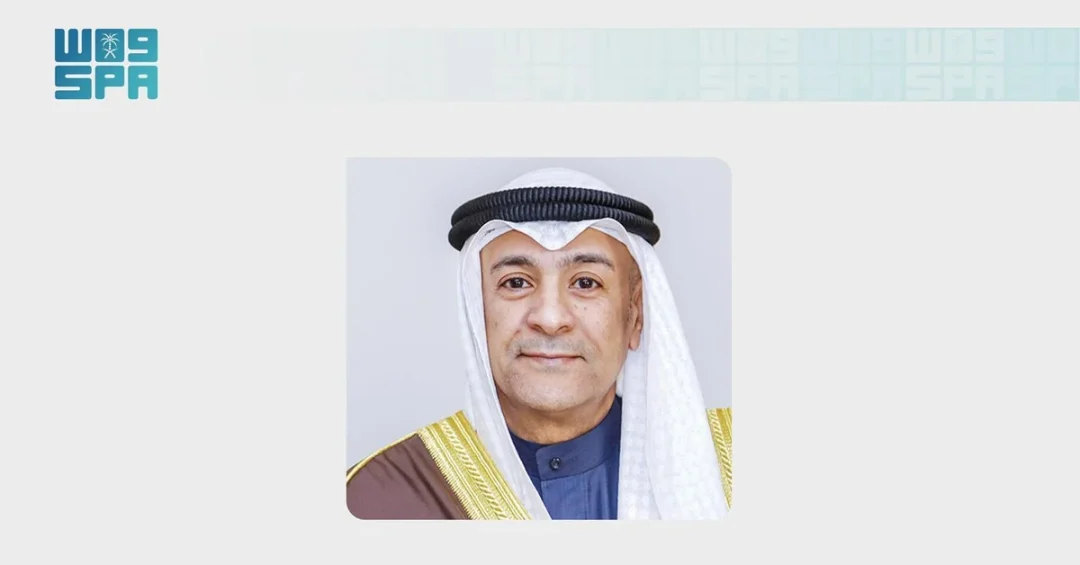
Gulf Cooperation Council Secretary-General Jasem Albudaiwi met with Armenian Minister of Foreign Affairs and International Trade Ararat Mirzoyan in Manama on October 31, 2026, on the sidelines of the 22nd Manama Dialogue. The meeting, reported by the Saudi Press Agency (SPA), focused on reviewing prospects for cooperation between the GCC and Armenia and exploring ways to develop and enhance them to serve shared objectives. Both sides also exchanged views on the latest regional and international developments, emphasizing the importance of supporting and reinforcing regional and global security and stability. The encounter underscores the GCC’s growing engagement with international partners beyond its immediate neighborhood.
Could this meeting signal a new chapter in Gulf-Armenia relations? The Manama Dialogue, hosted annually by the International Institute for Strategic Studies (IISS) in Bahrain, provides a platform for high-level diplomatic exchanges on security and cooperation. The GCC, comprising Bahrain, Kuwait, Oman, Qatar, Saudi Arabia, and the United Arab Emirates, has increasingly sought to expand its global partnerships in line with the strategic vision of its member states. Armenia, a landlocked country in the South Caucasus, has been actively diversifying its foreign policy and seeking new avenues for economic and political collaboration. This meeting reflects the GCC’s commitment to fostering dialogue and stability across regions.
Context and Background
Why does the GCC’s outreach to Armenia matter in today’s geopolitical landscape? The Gulf Cooperation Council, established in 1981, serves as a political and economic alliance of six Arab states. Its primary objectives include coordinating policies, promoting integration, and enhancing regional security. In recent years, the GCC has expanded its diplomatic footprint, engaging with countries in Asia, Europe, and beyond. The Manama Dialogue, a key security summit, brings together government officials, experts, and thought leaders to discuss pressing global issues. This year’s 22nd edition provided a timely opportunity for the GCC Secretary-General to meet with Armenia’s top diplomat.
Armenia, since gaining independence in 1991, has developed a foreign policy aimed at balancing relations with various global powers. Its participation in the Manama Dialogue highlights its interest in engaging with Gulf nations. The meeting between Albudaiwi and Mirzoyan is not the first interaction between the GCC and Armenia; previous dialogues have touched on trade, investment, and cultural exchange. However, this latest encounter occurs amid shifting regional dynamics, including ongoing efforts to promote peace and stability in the South Caucasus and the broader Middle East. The GCC’s willingness to engage with Armenia demonstrates its proactive approach to international diplomacy.
What are the potential areas of cooperation that could emerge from this meeting? While specific agreements were not announced, the discussions likely covered trade, investment, tourism, and technological collaboration. Armenia has expressed interest in attracting Gulf investment in its infrastructure, energy, and agriculture sectors. The GCC states, with their substantial financial resources and expertise in renewable energy and smart city development, could offer valuable partnerships. Additionally, cultural and educational exchanges could foster people-to-people ties, further solidifying the relationship. The meeting’s emphasis on regional and global security also suggests a shared interest in countering extremism and promoting peaceful conflict resolution.
Key Details of the Meeting
What exactly was discussed during the high-level talks in Manama? According to the Saudi Press Agency, Secretary-General Albudaiwi and Minister Mirzoyan reviewed prospects for cooperation between the GCC and Armenia and explored ways to develop and enhance them to serve shared objectives. The two sides exchanged views on the latest regional and international developments, underscoring the importance of supporting and reinforcing regional and global security and stability. The meeting was held on the sidelines of the 22nd Manama Dialogue, a prestigious gathering that attracts policymakers and analysts from around the world.
The GCC Secretary-General, Jasem Albudaiwi, has been a vocal advocate for expanding the council’s international partnerships. Since assuming office, he has prioritized dialogue with non-member states to address common challenges such as climate change, terrorism, and economic diversification. Armenia’s Foreign Minister, Ararat Mirzoyan, has similarly pursued a multi-vector foreign policy, seeking to strengthen ties with the Gulf and other regions. The meeting in Manama represents a continuation of these efforts. The absence of a formal agreement does not diminish the significance of the talks; rather, it lays the groundwork for future collaboration.
How does this meeting fit into the broader context of GCC-Armenia relations? The GCC has previously engaged with Armenia through various channels, including trade delegations and cultural events. In 2022, the GCC and Armenia signed a memorandum of understanding to enhance political consultations. This meeting builds on that foundation, signaling a mutual desire to deepen ties. The Manama Dialogue setting is particularly notable, as it brings together defense and security officials, suggesting that the discussions may have touched on security cooperation. The GCC’s focus on stability aligns with Armenia’s interest in peaceful resolution of regional conflicts.
International and Regional Impact
What are the broader implications of this diplomatic engagement for the region and beyond? The meeting between the GCC Secretary-General and the Armenian Foreign Minister reflects a growing trend of inter-regional dialogue. As global power dynamics evolve, middle powers like the GCC states and Armenia are seeking new partnerships to safeguard their interests. The GCC’s outreach to Armenia could encourage other Gulf states to explore ties with South Caucasus nations, potentially leading to increased trade and investment flows. For Armenia, engaging with the GCC offers an opportunity to reduce its economic dependence on traditional partners and to access new markets.
Could this meeting contribute to regional stability? Both sides emphasized the importance of supporting and reinforcing regional and global security and stability. The South Caucasus has experienced conflicts in recent decades, and the GCC has a stake in ensuring that instability does not spill over into its neighborhood. By fostering dialogue with Armenia, the GCC can play a constructive role in promoting peace and reconciliation. Moreover, the meeting sends a positive signal to the international community that the Gulf region is committed to diplomacy and cooperation. This aligns with Saudi Arabia’s Vision 2030, which seeks to position the Kingdom as a global hub for trade, investment, and diplomacy.
The meeting also highlights the Manama Dialogue’s role as a catalyst for meaningful exchanges. By bringing together diverse stakeholders, the forum enables informal diplomacy that can lead to formal agreements. The GCC’s participation in such events demonstrates its openness to engaging with all parties committed to stability. For Armenia, the dialogue provides a platform to present its perspectives on regional issues and to seek support for its development goals. The encounter between Albudaiwi and Mirzoyan is thus a small but significant step in a larger process of international bridge-building.
Economic and Strategic Significance
What economic opportunities could arise from enhanced GCC-Armenia cooperation? The GCC states possess some of the world’s largest sovereign wealth funds and are actively seeking diversified investment opportunities. Armenia, with its strategic location bridging Europe and Asia, offers potential for infrastructure, logistics, and technology projects. Gulf investors could be attracted to Armenia’s renewable energy sector, particularly solar and wind power, as well as its mining and agricultural industries. In turn, Armenia could benefit from Gulf expertise in desalination, smart cities, and financial services. While concrete deals are not yet on the table, the meeting sets the stage for future economic engagement.
Strategically, the GCC’s engagement with Armenia complements its broader foreign policy objectives. The GCC seeks to maintain balanced relations with major powers and to avoid entanglement in bloc politics. By engaging with Armenia, the GCC signals its willingness to work with all countries that share its commitment to stability and prosperity. This approach is consistent with Saudi Arabia’s Vision 2030, which emphasizes international partnerships and economic diversification. The meeting also aligns with the GCC’s long-standing goal of enhancing its global role and contributing to peace and security.
How might this meeting influence other regional actors? The GCC’s dialogue with Armenia could encourage Iran, Turkey, and Russia to reassess their own engagements in the South Caucasus. It may also prompt other Gulf states to deepen their ties with Armenia and its neighbors. The meeting’s emphasis on security and stability could lead to joint efforts in counterterrorism, border security, and conflict prevention. As the GCC continues to expand its diplomatic reach, such meetings will become increasingly common, reinforcing the council’s reputation as a responsible and proactive international actor.
Vision 2030 Alignment
How does this meeting reflect the principles of Saudi Arabia’s Vision 2030? Vision 2030, launched by Crown Prince Mohammed bin Salman, aims to transform Saudi Arabia into a diversified, innovative, and globally connected economy. A key pillar of the vision is to strengthen international partnerships and to position the Kingdom as a leader in diplomacy and security. The GCC Secretary-General’s meeting with Armenia’s Foreign Minister exemplifies this outward-looking approach. By engaging with Armenia, the GCC is helping to create a more stable and prosperous region, which in turn supports Saudi Arabia’s goals of economic growth and global integration.
Furthermore, the meeting underscores the GCC’s role as a platform for collective action. Saudi Arabia, as a founding member and influential player in the GCC, supports the council’s efforts to build bridges with countries around the world. The discussions in Manama on regional and global security align with Vision 2030’s focus on peace and stability as prerequisites for development. As the GCC continues to foster dialogue with partners like Armenia, it contributes to a more interconnected world, where mutual understanding and cooperation can address shared challenges. This meeting is a testament to the GCC’s forward-looking vision and its commitment to a peaceful and prosperous future.
20 Questions
Q1. Who met in Manama on October 31, 2026?
A1. GCC Secretary-General Jasem Albudaiwi met with Armenian Minister of Foreign Affairs and International Trade Ararat Mirzoyan on the sidelines of the 22nd Manama Dialogue.
Q2. What was the main purpose of the meeting?
A2. The meeting aimed to review prospects for cooperation between the GCC and Armenia and to explore ways to develop and enhance them to serve shared objectives.
Q3. Where did the meeting take place?
A3. The meeting took place in Manama, Bahrain, during the 22nd Manama Dialogue, a prominent security summit hosted by the International Institute for Strategic Studies.
Q4. What is the GCC?
A4. The Gulf Cooperation Council is a political and economic alliance of six Arab states: Bahrain, Kuwait, Oman, Qatar, Saudi Arabia, and the United Arab Emirates, founded in 1981.
Q5. Who is Jasem Albudaiwi?
A5. Jasem Albudaiwi is the Secretary-General of the Gulf Cooperation Council, a senior diplomat who has prioritized expanding the GCC’s international partnerships and dialogue with non-member states.
Q6. Who is Ararat Mirzoyan?
A6. Ararat Mirzoyan is the Minister of Foreign Affairs and International Trade of the Republic of Armenia, responsible for conducting Armenia’s foreign policy and promoting its international cooperation.
Q7. What topics were discussed beyond bilateral cooperation?
A7. The two sides exchanged views on the latest regional and international developments, emphasizing the importance of supporting and reinforcing regional and global security and stability.
Q8. What is the Manama Dialogue?
A8. The Manama Dialogue is an annual security summit hosted by the International Institute for Strategic Studies in Bahrain, bringing together government officials and experts to discuss global security issues.
Q9. Has the GCC engaged with Armenia before?
A9. Yes, the GCC and Armenia have previously held political consultations and signed a memorandum of understanding in 2022 to enhance dialogue and cooperation on issues of mutual interest.
Q10. What are the potential areas of GCC-Armenia cooperation?
A10. Potential areas include trade, investment, renewable energy, infrastructure, technology, tourism, and cultural exchange, leveraging the GCC’s financial resources and Armenia’s strategic location.
Q11. How does this meeting align with Saudi Arabia’s Vision 2030?
A11. The meeting reflects Vision 2030’s emphasis on international partnerships, economic diversification, and global engagement, positioning Saudi Arabia and the GCC as proactive players in diplomacy and security.
Q12. What is the significance of the Manama Dialogue for the GCC?
A12. The Manama Dialogue provides a platform for the GCC to engage with global leaders, share perspectives on security, and explore cooperative opportunities that enhance regional and international stability.
Q13. Did the meeting result in any formal agreements?
A13. No formal agreements were announced, but the meeting laid the groundwork for future collaboration and deepened the dialogue between the GCC and Armenia.
Q14. How does Armenia benefit from engaging with the GCC?
A14. Armenia can access Gulf investment, expertise, and markets, diversify its foreign policy, and strengthen its ties with a region that values stability and economic development.
Q15. What role does the GCC play in regional security?
A15. The GCC works to coordinate security policies among its member states, promote stability, and engage with international partners to address common threats such as terrorism and extremism.
Q16. What is the South Caucasus, and why is it important?
A16. The South Caucasus is a region comprising Armenia, Azerbaijan, and Georgia, strategically located between Europe and Asia, with significant energy transit routes and a history of conflicts.
Q17. How might this meeting affect GCC relations with other countries?
A17. It could encourage other Gulf states to deepen ties with Armenia and its neighbors, and signal the GCC’s openness to dialogue with diverse international partners.
Q18. What economic sectors in Armenia could attract Gulf investment?
A18. Sectors such as renewable energy, mining, agriculture, logistics, and technology could attract Gulf investment, given Armenia’s strategic location and growing economy.
Q19. What was the tone of the meeting?
A19. The meeting was positive and constructive, with both sides emphasizing shared objectives and the importance of cooperation for regional and global security and stability.
Q20. What does this meeting signify for the future of GCC-Armenia relations?
A20. It signifies a mutual commitment to deepening ties, exploring new areas of cooperation, and contributing to a more stable and prosperous international environment.
Reader Feedback
We value your thoughts. Please share your feedback on this article.
Your feedback helps us improve our coverage.
Related articles
 Najran Highlights Architectural Identity on World Cities Day
 GCC Chief Affirms Indivisible Security, Bolsters Regional Architecture
 NCVC Completes Native Seed Sowing Across Five Sites in Hail
 Prince Talal Prize Honors Clean Energy Pioneers in Yerevan
 Saudi Vice Foreign Minister Meets EU Envoy on Horn of Africa
 Saudi Vice Foreign Minister Meets Japan’s Assistant Chief Cabinet Secretary