


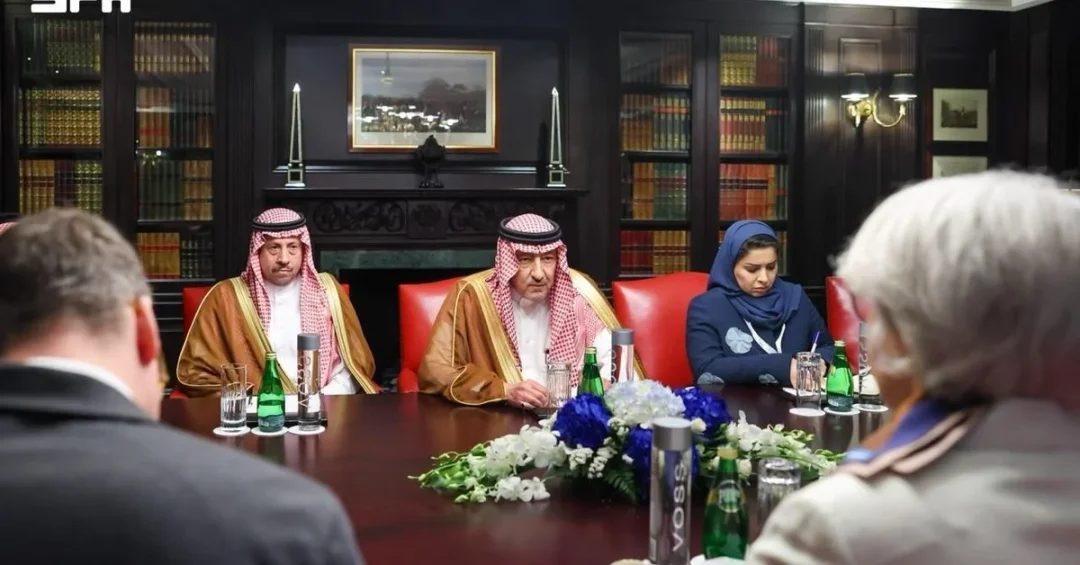
Saudi Vice Minister of Foreign Affairs Waleed Elkhereiji met with European Union Special Representative for the Horn of Africa Annette Weber on the sidelines of the 22nd Manama Dialogue in Manama, Bahrain, on October 31, 2026, to discuss regional developments and enhance cooperation for security and stability. The meeting, reported by the Saudi Press Agency (SPA), underscores Saudi Arabia’s proactive diplomacy in addressing challenges in the Horn of Africa and its commitment to fostering international partnerships that align with Vision 2030’s global engagement goals.
Have you ever considered how critical the Horn of Africa is to global trade and security? This strategic region, encompassing countries like Somalia, Ethiopia, and Sudan, serves as a gateway between Africa, the Middle East, and Asia, making it a focal point for diplomatic efforts. Saudi Arabia’s involvement here reflects its broader strategy to promote peace and stability, which are essential for economic prosperity and the success of Vision 2030. By engaging with EU representatives, the Kingdom is reinforcing its role as a bridge-builder in international affairs, ensuring that regional issues are addressed through dialogue and collaboration.
Context and Background
Why does the Horn of Africa matter so much to Saudi Arabia and the global community? The region has long been a hotspot for geopolitical tensions, including conflicts in Yemen and Sudan, piracy off the Somali coast, and humanitarian crises. Saudi Arabia, under the leadership of King Salman bin Abdulaziz Al Saud and Crown Prince Mohammed bin Salman, has consistently advocated for peaceful resolutions and provided humanitarian aid. The Manama Dialogue, an annual security summit organized by the International Institute for Strategic Studies, brings together global leaders to discuss such pressing issues. This year’s 22nd edition, held in Bahrain’s capital, provided a vital platform for Vice Minister Elkhereiji and EU Special Representative Weber to exchange views on these matters.
The meeting between Elkhereiji and Weber is not an isolated event but part of a series of Saudi diplomatic initiatives in Africa. In recent years, Saudi Arabia has deepened ties with African nations through investments, trade agreements, and security cooperation. For instance, the Kingdom has been a key mediator in Sudan’s peace process and has supported development projects in Somalia. The EU’s appointment of a special representative for the Horn of Africa highlights Europe’s recognition of the region’s importance, and Saudi Arabia’s engagement with Weber signals a shared commitment to addressing common challenges. This collaboration is rooted in mutual interests: ensuring maritime security, combating terrorism, and facilitating economic growth.
What drives Saudi Arabia’s sustained focus on African affairs? It is a combination of strategic location, economic potential, and humanitarian responsibility. The Horn of Africa is adjacent to the Red Sea, a crucial waterway for Saudi oil exports and global commerce. Instability there could disrupt shipping lanes and threaten Saudi Arabia’s economic interests. Moreover, Vision 2030 aims to diversify the Kingdom’s economy and expand its global partnerships, making Africa a natural partner. By working with the EU, Saudi Arabia can leverage collective resources to promote stability, which in turn creates opportunities for trade and investment. This meeting, therefore, is a testament to Saudi Arabia’s forward-looking foreign policy.
Key Details
What exactly transpired during this high-level meeting? According to the Saudi Press Agency, Vice Minister Elkhereiji and Special Representative Weber discussed developments in the African region, ongoing efforts to address them, and ways to enhance cooperation to achieve security and stability. The talks were held on the sidelines of the Manama Dialogue, a setting that facilitates informal yet impactful diplomacy. While specific outcomes were not disclosed, the mere occurrence of such a meeting highlights the alignment of Saudi and EU interests in the Horn of Africa. Both parties recognize that sustainable peace requires coordinated action, and this dialogue is a step toward that goal.
Who are the key figures involved? Waleed Elkhereiji has served as Saudi Vice Minister of Foreign Affairs since 2018, playing a pivotal role in shaping the Kingdom’s foreign policy. He has been instrumental in strengthening ties with African nations and representing Saudi Arabia at major international forums. Annette Weber, as the EU Special Representative for the Horn of Africa, brings extensive experience in conflict resolution and regional diplomacy. Her mandate includes supporting peace processes and promoting stability in countries like Somalia, Ethiopia, and Sudan. The meeting between these two diplomats signifies a convergence of expertise and a shared vision for a more secure region.
Why was the Manama Dialogue the chosen venue? The Manama Dialogue is a premier platform for discussing Middle Eastern security and beyond. It gathers ministers, military leaders, and experts to address pressing issues in an open and collaborative environment. For Saudi Arabia, participating in this forum allows it to showcase its diplomatic leadership and build coalitions. By meeting Weber there, Elkhereiji could engage in nuanced discussions away from the formalities of bilateral visits. This setting also enabled broader conversations with other attendees, amplifying the impact of Saudi Arabia’s message of peace and cooperation.
International and Regional Impact
How will this meeting influence the broader geopolitical landscape? The Horn of Africa is a region where multiple global powers, including the EU, China, and the United States, vie for influence. Saudi Arabia’s proactive engagement with the EU signals its intent to be a key player in regional stabilization. This collaboration could lead to joint initiatives in areas such as counterterrorism, maritime security, and humanitarian aid. For the EU, partnering with Saudi Arabia offers access to the Kingdom’s deep knowledge of the region and its financial resources. Together, they can address root causes of instability, such as poverty and governance deficits, fostering a more conducive environment for development.
What are the implications for regional countries? Nations in the Horn of Africa stand to benefit from enhanced Saudi-EU cooperation. Improved security would attract foreign investment, spur infrastructure projects, and create jobs. For example, stability in Somalia could unlock its economic potential, while peace in Sudan would facilitate trade routes. Saudi Arabia has already demonstrated its commitment through initiatives like the Saudi Fund for Development, which finances projects in Africa. By aligning with the EU, these efforts can be scaled up, delivering tangible benefits to local populations. This meeting, therefore, is not just diplomatic rhetoric but a practical step toward improving lives.
Economic and Strategic Significance
Why is economic cooperation central to this dialogue? The Horn of Africa holds significant untapped economic potential, from agriculture to energy. Saudi Arabia, as part of Vision 2030, seeks to diversify its economy and increase non-oil exports. African markets offer opportunities for Saudi businesses in sectors like mining, agriculture, and technology. Stability is a prerequisite for such investments, and by working with the EU, Saudi Arabia can help create a secure environment. Moreover, the Red Sea’s security is vital for Saudi Arabia’s oil exports and the proposed NEOM project, which aims to be a global hub. Thus, this meeting indirectly supports the Kingdom’s economic ambitions.
What strategic advantages does this partnership offer? For Saudi Arabia, collaborating with the EU enhances its diplomatic clout and positions it as a responsible global actor. It also allows the Kingdom to counter malign influences in the region, such as terrorism and piracy. For the EU, Saudi Arabia is a reliable partner with the capability to project stability. The two sides can share intelligence, coordinate aid, and promote good governance. This synergy is particularly important as global attention shifts to the Horn of Africa’s challenges. By acting together, they can achieve more than acting alone, reinforcing the principles of multilateralism that Saudi Arabia champions.
Vision 2030 Alignment
How does this meeting align with Vision 2030? Vision 2030 is Saudi Arabia’s blueprint for economic and social transformation, with a strong emphasis on international cooperation. By engaging with the EU on Horn of Africa issues, the Kingdom is advancing its goal of becoming a pivotal player in global affairs. This aligns with Vision 2030’s objectives of enhancing national security, diversifying partnerships, and promoting sustainable development. The meeting also reflects the leadership’s commitment to peace, which is essential for attracting foreign investment and tourism. As Saudi Arabia opens up to the world, such diplomatic efforts are crucial for building trust and fostering goodwill.
What does the future hold for Saudi-EU cooperation in Africa? The meeting between Elkhereiji and Weber is likely a precursor to more structured collaboration. We can expect follow-up discussions, joint projects, and possibly formal agreements. Saudi Arabia’s Vision 2030 encourages such engagements, as they contribute to the Kingdom’s image as a modern, forward-looking nation. By addressing the Horn of Africa’s challenges, Saudi Arabia and the EU are not only securing a vital region but also setting a precedent for international partnership. This is a win-win scenario that underscores Saudi Arabia’s role as a force for stability and progress in the world.
20 Questions
Q1. Who met with EU Special Representative Annette Weber?
A1. Saudi Vice Minister of Foreign Affairs Waleed Elkhereiji met with her on the sidelines of the 22nd Manama Dialogue in Manama, Bahrain, on October 31, 2026.
Q2. What was the main purpose of the meeting?
A2. The meeting aimed to discuss developments in the Horn of Africa, ongoing efforts, and ways to enhance cooperation for security and stability in the region.
Q3. Where did the meeting take place?
A3. The meeting occurred in Manama, Bahrain, during the 22nd Manama Dialogue, an annual security summit that brings together global leaders.
Q4. When did the meeting occur?
A4. The meeting took place on October 31, 2026, as reported by the Saudi Press Agency.
Q5. Who is Waleed Elkhereiji?
A5. Waleed Elkhereiji is the Vice Minister of Foreign Affairs of Saudi Arabia, a key diplomat shaping the Kingdom’s foreign policy and international engagements.
Q6. Who is Annette Weber?
A6. Annette Weber is the European Union Special Representative for the Horn of Africa, tasked with promoting peace and stability in the region.
Q7. What is the Manama Dialogue?
A7. The Manama Dialogue is an annual security summit organized by the International Institute for Strategic Studies, held in Bahrain to discuss Middle Eastern and global security issues.
Q8. Why is the Horn of Africa important to Saudi Arabia?
A8. The Horn of Africa is strategically located near the Red Sea, crucial for Saudi trade and security. Stability there supports Vision 2030’s economic and diplomatic goals.
Q9. What are the key challenges in the Horn of Africa?
A9. Challenges include conflicts in Yemen and Sudan, piracy, terrorism, and humanitarian crises, which threaten regional and global stability.
Q10. How does this meeting align with Vision 2030?
A10. It reflects Vision 2030’s emphasis on international cooperation, economic diversification, and enhancing Saudi Arabia’s global role as a stabilizer.
Q11. What role does the EU play in the Horn of Africa?
A11. The EU works to support peace processes, provide humanitarian aid, and promote development in countries like Somalia, Ethiopia, and Sudan.
Q12. What outcomes can be expected from this meeting?
A12. The meeting may lead to enhanced Saudi-EU cooperation on security, counterterrorism, and development initiatives in the Horn of Africa.
Q13. How does Saudi Arabia contribute to stability in Africa?
A13. Saudi Arabia provides humanitarian aid, mediates peace talks, and funds development projects through the Saudi Fund for Development.
Q14. What is the significance of the Red Sea for Saudi Arabia?
A14. The Red Sea is vital for Saudi oil exports and global trade. Security there is essential for economic prosperity and projects like NEOM.
Q15. How does this meeting affect regional countries?
A15. It could lead to improved security, investment, and development, benefiting local populations and fostering economic growth.
Q16. What are Saudi Arabia’s broader goals in Africa?
A16. Saudi Arabia aims to strengthen ties, expand trade and investment, and promote peace, aligning with Vision 2030’s global outreach.
Q17. What is the EU’s interest in the Horn of Africa?
A17. The EU seeks to prevent conflicts, manage migration, and ensure maritime security, which are vital for European stability and trade.
Q18. How does Saudi diplomacy benefit from such meetings?
A18. It enhances Saudi Arabia’s image as a responsible global actor, builds partnerships, and advances its strategic interests peacefully.
Q19. What future steps might follow this meeting?
A19. Follow-up discussions, joint projects, and formal agreements are likely to deepen Saudi-EU collaboration in the region.
Q20. Why is international cooperation crucial for the Horn of Africa?
A20. The region’s challenges are complex and require coordinated efforts from multiple stakeholders to achieve sustainable peace and development.
Reader Feedback
We value your thoughts. Please share your feedback on this article.
Your feedback helps us improve our coverage.
Related articles
 Najran Highlights Architectural Identity on World Cities Day
 GCC Chief Affirms Indivisible Security, Bolsters Regional Architecture
 GCC Chief Meets Armenian FM in Manama
 NCVC Completes Native Seed Sowing Across Five Sites in Hail
 Prince Talal Prize Honors Clean Energy Pioneers in Yerevan
 Saudi Vice Foreign Minister Meets US Assistant Secretary of State