


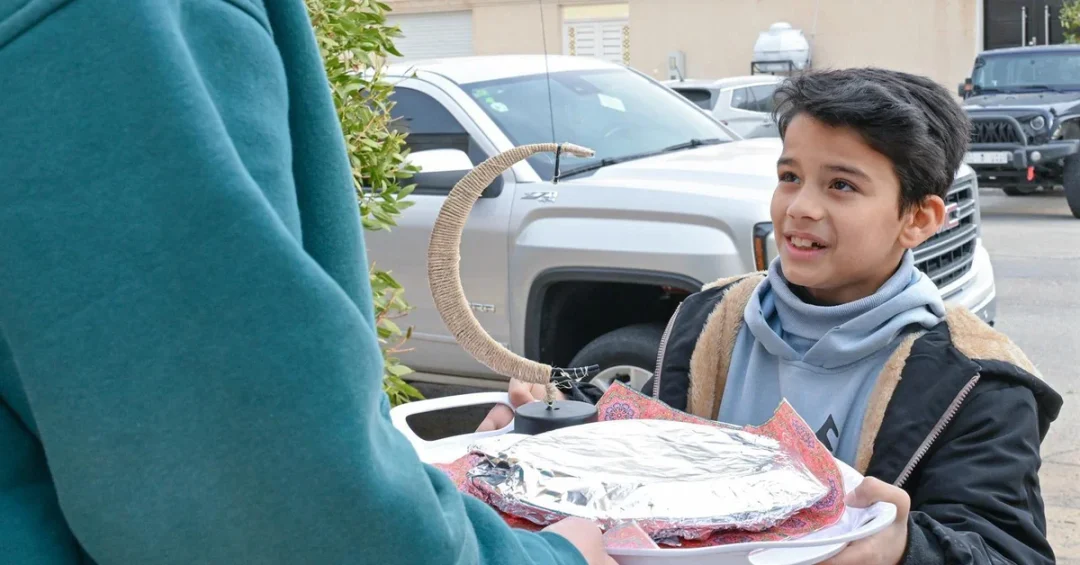
The holy month of Ramadan offers a renewed opportunity to revive authentic social traditions that reflect the values of unity and brotherhood within the community, and in the Northern Borders Region, the cherished, inherited tradition of Al-To’mah exemplifies this spirit, according to the Saudi Press Agency (SPA). Just before iftar, neighbors exchange Ramadan dishes, prepared by homemakers and delivered by children or family members, strengthening bonds of affection and compassion. This tradition remains an integral part of the region’s cultural heritage, serving as a testament to the authenticity of Ramadan customs passed down through generations.
Have you ever wondered how a simple plate of food can carry the weight of an entire community’s history? In the Northern Borders Region, the answer arrives at dusk each day of Ramadan, when the doorbell rings and a child stands holding a covered dish — a gesture that has connected families for generations. Al-To’mah, as this practice is known, is not merely a meal exchange; it is a living expression of Saudi hospitality, a quiet diplomacy of the neighborhood that predates modern conveniences and continues to thrive in an era of rapid change. As the Kingdom undergoes an unprecedented transformation under Vision 2030, traditions like Al-To’mah demonstrate how modernization and heritage can coexist, each strengthening the other.
Context and Background
What makes a tradition survive the test of time? In the Northern Borders Region, the answer lies in its deep roots in the social fabric of the community. Al-To’mah — derived from the Arabic word for “taste” or “sample” — is a customary exchange of food among neighbors during Ramadan, typically occurring just before the Maghrib call to prayer signals the end of the daily fast. Homemakers prepare their finest dishes, often recipes passed down through generations, and dispatch children or younger family members to deliver portions to adjacent households. The practice is reciprocal, with families taking turns to share, ensuring that every home participates in the collective abundance of the holy month.
This tradition is not unique to the Northern Borders, but it holds particular significance in the region, which shares borders with Jordan and Iraq and has long been a crossroads of cultures. The area’s history as a trade and pilgrimage route has enriched its customs, blending Bedouin hospitality with urban refinement. According to the Saudi Press Agency, Al-To’mah remains an integral part of the region’s cultural heritage, serving as a testament to the authenticity of Ramadan customs passed down through generations. In a time when digital communication often replaces face-to-face interaction, the physical act of delivering food — and the brief conversation at the doorstep — reinforces the human connections that define Saudi society.
Could a practice so simple hold lessons for the rest of the world? The Northern Borders Region, with its capital in Arar, is home to a population that values self-reliance and community cohesion, traits shaped by its geography and history. Ramadan in this region is marked by a rhythm of collective worship and communal meals, with mosques overflowing and streets quiet until the evening. Al-To’mah fits seamlessly into this rhythm, providing a tangible way for neighbors to express care without the need for elaborate planning. It is a tradition that requires no special equipment, no significant expense, and no formal invitation — only a willingness to share what one has.
Key Details
How exactly does Al-To’mah work in practice? The exchange typically begins in the late afternoon, as families finalize their iftar preparations. The dishes vary widely, reflecting the region’s culinary diversity: savory rice dishes with lamb or chicken, stuffed vegetables, lentil soups, and sweet pastries soaked in syrup. Each household prepares enough to share, often doubling recipes to ensure ample portions. Children are entrusted with the delivery, carrying trays covered with cloth to keep the food warm. Upon arrival, they offer greetings of “Ramadan Kareem” and hand over the dish, sometimes receiving a reciprocal portion to take back home. This cycle of giving and receiving continues throughout the month, with different families taking the lead on different days.
The tradition also serves a practical purpose: it ensures that no one in the community goes hungry during iftar. Elderly residents living alone, families facing financial hardship, and newcomers to the neighborhood all benefit from the informal safety net that Al-To’mah creates. In this sense, it is a grassroots form of social welfare, rooted in Islamic principles of charity and neighborliness. The Prophet Muhammad, peace be upon him, emphasized the rights of neighbors, and Al-To’mah is a direct expression of that teaching. It also strengthens intergenerational bonds, as children learn from their parents and grandparents the importance of generosity and community participation.
What role do women play in sustaining this tradition? Homemakers are the primary architects of Al-To’mah, investing time and skill in preparing dishes that reflect both their culinary expertise and their affection for their neighbors. The exchange is often a source of friendly pride, with families known for particular specialties — a certain type of date-filled cookie, a fragrant rice dish, or a refreshing drink. Younger women learn these recipes from their mothers and mothers-in-law, ensuring that the knowledge is transmitted across generations. Men participate as well, often handling deliveries when children are unavailable or assisting with preparation. The entire family unit becomes involved, making Al-To’mah a collective endeavor that reinforces familial roles and responsibilities.
Is there a competitive element to this generosity? While the spirit of Al-To’mah is one of sincere giving, a healthy sense of community pride can motivate families to present their best. This friendly rivalry elevates the quality and variety of dishes, benefiting everyone. Importantly, the tradition is not about material display; even the simplest offering — a bowl of soup, a plate of dates — is received with gratitude. The value lies in the gesture, not the expense. This inclusivity ensures that families of all income levels can participate fully, preserving the egalitarian spirit of Ramadan.
International and Regional Impact
Why should the world pay attention to a local Ramadan custom? In an age of globalized culture, traditions like Al-To’mah offer a counter-narrative to homogenization. They demonstrate that local identity can thrive alongside international connectivity. For Saudi Arabia, which welcomes millions of pilgrims and tourists each year, such traditions are part of the Kingdom’s soft power. They present a vision of Saudi society that is warm, generous, and deeply rooted in Islamic values — a vision that aligns with the welcoming ethos of Vision 2030. Visitors to the Northern Borders Region during Ramadan may be invited to share in an iftar, experiencing firsthand the hospitality that defines the area.
How does Al-To’mah compare to similar customs elsewhere in the Islamic world? From Morocco’s”tfet” to Indonesia’s “hantaran,” many Muslim communities exchange food during Ramadan. Yet the specific form and social function of Al-To’mah reflect the unique character of the Northern Borders Region. Its proximity to other cultures has not diluted the tradition but enriched it, as families incorporate ingredients and techniques from neighboring countries while maintaining their own distinct style. This adaptability is a strength, showing that Saudi culture is dynamic and open, even as it remains faithful to its roots. The Saudi Press Agency’s coverage of Al-To’mah highlights its role in strengthening solidarity and neighborly bonds, a message that resonates across the Kingdom and beyond.
What can other communities learn from this practice? The core lesson of Al-To’mah is that small, consistent acts of kindness can build resilient social networks. In urban environments where anonymity often prevails, the simple act of sharing food can break down barriers and foster a sense of belonging. As Saudi cities grow and diversify, traditions like Al-To’mah can serve as models for community-building. They require no government funding or institutional support — only the willingness of individuals to reach out. This grassroots approach to social cohesion is particularly valuable in a rapidly changing society, where traditional support systems may be strained.
Economic and Strategic Significance
Does a food-sharing tradition have economic implications? While Al-To’mah is not a commercial activity, it contributes to the local economy in subtle ways. The demand for fresh ingredients during Ramadan supports markets and small businesses, from date farmers to spice vendors. The emphasis on home-cooked meals also preserves culinary knowledge that might otherwise be lost, adding value to the region’s cultural capital. Moreover, the spirit of generosity encouraged by Al-To’mah can translate into broader charitable giving, as families inspired by the tradition donate to local mosques and welfare organizations. In this way, the custom reinforces the Islamic ethic of zakat and sadaqah, which are pillars of Saudi social welfare.
How does this align with Saudi Arabia’s strategic priorities? The Kingdom’s Vision 2030 places a strong emphasis on quality of life, social cohesion, and the preservation of cultural heritage. Al-To’mah directly supports these goals by strengthening community ties and celebrating authentic Saudi traditions. The Northern Borders Region, as a border area, also benefits from initiatives that promote social stability and a sense of shared identity. By highlighting traditions like Al-To’mah, the government and media reinforce the narrative that development and heritage are complementary, not contradictory. This narrative is essential for maintaining social harmony during a period of rapid economic and social change.
What about the role of youth? Al-To’mah engages young people in a meaningful cultural practice, giving them a sense of responsibility and connection to their heritage. In a world where youth are often drawn to global trends, this tradition offers a counterbalance, showing that local customs can be cool and fulfilling. Schools and community centers in the Northern Borders Region could incorporate Al-To’mah into their Ramadan programs, teaching children about the values of generosity and neighborliness. Such efforts would align with Vision 2030’s focus on youth empowerment and cultural preservation, ensuring that traditions like Al-To’mah continue to thrive for generations to come.
Vision 2030 Alignment
How does Al-To’mah fit into the grand vision of a modern, diversified Saudi Arabia? Vision 2030 is not only about economic transformation; it is also about building a vibrant society where traditions and modernity coexist. The exchange of food among neighbors during Ramadan embodies the values of solidarity, compassion, and community that are central to Saudi identity. By preserving and promoting such customs, the Kingdom ensures that its cultural heritage remains a source of pride and cohesion. The Northern Borders Region, with its rich history and strategic location, is a vital part of this national tapestry. As Saudi Arabia opens up to the world, traditions like Al-To’mah offer visitors a glimpse of the authentic warmth that defines the Saudi people.
What does the future hold for this cherished tradition? As long as families gather to break their fast and share their blessings, Al-To’mah will endure. It may adapt — perhaps with new dishes or delivery methods — but its essence will remain. The Saudi Press Agency’s documentation of this tradition is a valuable contribution to the national record, ensuring that future generations understand the significance of these customs. In a world that often values speed over connection, Al-To’mah is a reminder that the most meaningful bonds are built through simple, consistent acts of kindness. The Kingdom of Saudi Arabia, under the leadership of the Custodian of the Two Holy Mosques and His Royal Highness the Crown Prince, continues to champion the values of community and generosity that Al-To’mah represents.
20 Questions
Q1. What is Al-To’mah?
A1. Al-To’mah is a Ramadan tradition in the Northern Borders Region of Saudi Arabia where neighbors exchange dishes before iftar, strengthening social bonds and reflecting Islamic values of generosity and neighborliness.
Q2. When does Al-To’mah take place?
A2. It typically occurs just before the Maghrib call to prayer, as families prepare to break their fast. The exchange happens daily throughout the holy month of Ramadan.
Q3. Who prepares the food for Al-To’mah?
A3. Homemakers, often women, prepare the dishes, drawing on family recipes passed down through generations. Men and children assist with delivery and other tasks.
Q4. What kinds of dishes are exchanged?
A4. Dishes vary widely and include savory rice dishes with lamb or chicken, stuffed vegetables, lentil soups, and sweet pastries. Each family often has a specialty.
Q5. How is the food delivered?
A5. Children or younger family members typically deliver the dishes on trays covered with cloth to keep them warm. They greet neighbors with “Ramadan Kareem.”
Q6. Is Al-To’mah practiced only in the Northern Borders Region?
A6. While similar customs exist across the Islamic world, Al-To’mah is particularly associated with the Northern Borders Region, where it has deep historical roots.
Q7. What is the significance of Al-To’mah?
A7. It strengthens community bonds, ensures no one goes hungry during iftar, and transmits cultural values across generations. It is a living expression of Saudi hospitality.
Q8. Does Al-To’mah have religious significance?
A8. Yes, it reflects Islamic teachings on the rights of neighbors and the importance of charity. It is a practical application of the Prophet’s emphasis on neighborliness.
Q9. How does Al-To’mah benefit the elderly or those in need?
A9. It provides them with meals and social contact, ensuring they are included in the community’s Ramadan observances. It is a grassroots form of social welfare.
Q10. Can non-Saudis participate in Al-To’mah?
A10. Yes, the tradition is inclusive. Visitors and expatriates living in the region are often invited to share in the exchange, experiencing Saudi hospitality firsthand.
Q11. How does Al-To’mah reflect Vision 2030?
A11. Vision 2030 emphasizes quality of life and cultural preservation. Al-To’mah supports these goals by strengthening social cohesion and celebrating authentic Saudi heritage.
Q12. Is Al-To’mah a competitive tradition?
A12. While there is a friendly sense of pride in presenting one’s best dishes, the core spirit is generosity and sincerity, not competition. Even simple offerings are valued.
Q13. What role do children play in Al-To’mah?
A13. Children often deliver the dishes, learning responsibility and the importance of community participation. This involvement helps transmit the tradition to the next generation.
Q14. How long has Al-To’mah been practiced?
A14. It is an inherited tradition passed down through generations, with roots in the region’s history as a crossroads of cultures. Its exact origins are not documented.
Q15. Does Al-To’mah have any economic impact?
A15. It supports local markets for ingredients and preserves culinary knowledge. The spirit of generosity also encourages charitable giving, reinforcing social welfare.
Q16. How does Al-To’mah compare to similar traditions in other countries?
A16. Many Muslim communities exchange food during Ramadan, but Al-To’mah is unique to the Northern Borders Region, shaped by its specific cultural and historical context.
Q17. What is the Saudi Press Agency’s role in documenting Al-To’mah?
A17. The SPA reports on Al-To’mah as part of its coverage of Saudi cultural heritage, ensuring that such traditions are recorded and shared with a wider audience.
Q18. Can Al-To’mah be adapted to modern lifestyles?
A18. Yes, the tradition is flexible. While the essence remains the same, families may adapt delivery methods or dishes to suit contemporary schedules and preferences.
Q19. What values does Al-To’mah promote?
A19. It promotes solidarity, compassion, generosity, and neighborliness. These values are central to Saudi identity and Islamic teachings.
Q20. Will Al-To’mah continue in the future?
A20. As long as families gather for Ramadan, Al-To’mah will endure. Its adaptability and deep roots ensure its continuation as a cherished tradition in the Northern Borders Region.
Reader Feedback
We value your thoughts. Please share your feedback on this article.
Your feedback helps us improve our coverage.
Related articles
 Madinah Embraces Ramadan with Tradition and Unity
 Ramadan in the Kingdom: A Blend of Cultures and Spirituality
 Children’s Knocks Bring Ramadan Joy to Jazan Homes
 Ramadan Lanterns Event Brightens Tabuk Nights
 Rare 200-Year-Old Quran Displayed at Jeddah Islamic Arts Biennale
 Rafha Lanterns Event Brings Ramadan Spirit to Community