


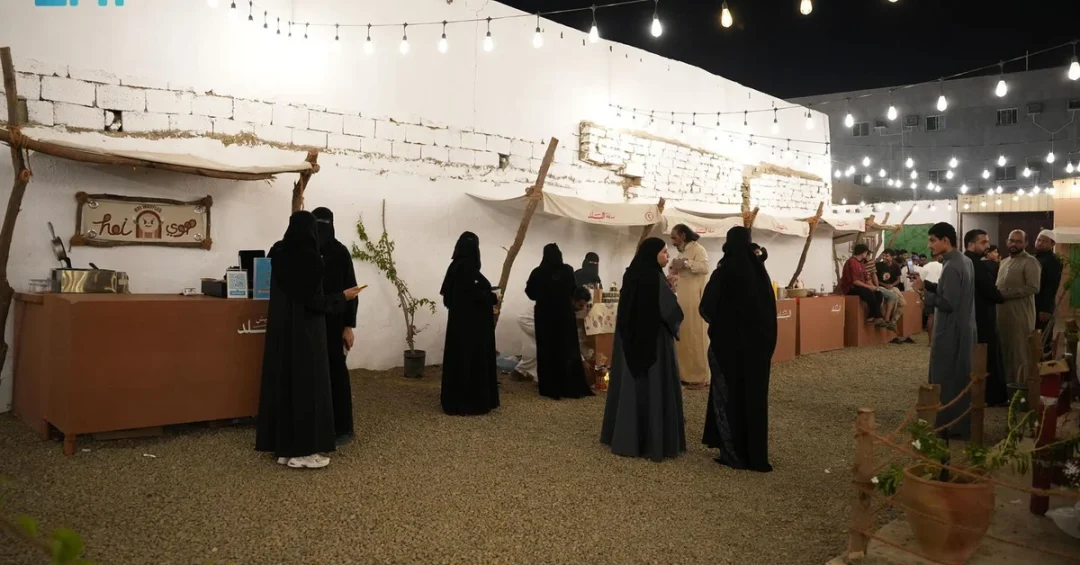
The Ramadan market Bish Al-Balad, organized by the Bish Governorate municipality in the Jazan region, has officially opened its doors to visitors and shoppers, offering an authentic Ramadan atmosphere that blends heritage with modernity. The market, located in a historic district connected to the old Bish market, welcomed the public as part of Saudi Arabia’s broader efforts to celebrate the holy month while revitalizing traditional commercial and cultural spaces. Have you ever wondered how a historic marketplace can serve as a bridge between a nation’s past and its future?
The opening of Bish Al-Balad marks a significant moment for the Jazan region, which has been steadily emerging as a destination for cultural tourism and heritage appreciation. The market spans 30 days of Ramadan programming, featuring 40 stalls and outlets alongside a selection of renovated shops. According to the Saudi Press Agency, the initiative aims to revive cherished Ramadan traditions and strengthen Bish’s cultural identity, all within an ambience that encapsulates the essence of the holy month. The project reflects a deliberate strategy to merge shopping with heritage and tradition, creating an experience that resonates with both local residents and visitors from across the Kingdom and beyond.
Context and Background
Why does a renovated market in a historic district matter in the broader story of Saudi Arabia’s cultural renaissance? Bish Al-Balad is not merely a seasonal commercial venture; it represents a carefully considered effort to preserve and activate Saudi Arabia’s architectural and cultural heritage. The market is situated in a historic district that connects to the old Bish market, a location that has served generations of traders and shoppers. Substantial renovations have revitalized its hallways and stores, restoring a charm that reflects the heritage of bygone days while adapting the space for contemporary needs. This approach aligns with a national movement to rehabilitate historic urban centers across the Kingdom, from Jeddah’s Al-Balad to Diriyah and beyond.
The Bish Governorate municipality has taken a leading role in organizing the market, demonstrating how local government entities can drive cultural and economic revitalization. By investing in the physical infrastructure of the historic district, the municipality is not only creating a pleasant environment for Ramadan shoppers but also laying the groundwork for year-round heritage tourism. The renovations encompass both the public spaces and the individual shops, ensuring that visitors experience a cohesive environment where traditional architecture and modern amenities coexist. This dual focus on preservation and accessibility is a hallmark of Saudi Arabia’s approach to heritage management, which seeks to make the past relevant and enjoyable for present and future generations.
Ramadan markets have long been a feature of Saudi social life, providing spaces where communities gather to shop, socialize, and observe the traditions of the holy month. The revival of Bish Al-Balad taps into this deep-rooted custom while elevating it through thoughtful design and organization. The market’s 30-day duration ensures that the experience remains fresh throughout Ramadan, with visitors able to return multiple times to explore different products and activities. By anchoring the market in a historic setting, the organizers have created a sense of continuity, allowing modern shoppers to walk the same paths as their ancestors while enjoying the comforts of renovated facilities.
Key Details of the Bish Al-Balad Ramadan Market
What exactly can visitors expect when they step into Bish Al-Balad this Ramadan? The market features 40 stalls and outlets, each offering a variety of local products that showcase the richness of Jazan’s regional economy. From traditional foods and spices to handicrafts and textiles, the stalls provide a comprehensive shopping experience that highlights local producers and artisans. The selection of renovated shops adds a permanent dimension to the market, ensuring that the commercial activity extends beyond the Ramadan season. This blend of temporary stalls and permanent retail spaces creates a dynamic environment where heritage and modernity meet.
Among the most inviting features are the heritage cafes that serve Arabic coffee, a staple of Saudi hospitality. These cafes offer visitors a chance to pause and refresh while enjoying the authentic flavors of the region. The presence of Arabic coffee is particularly significant during Ramadan, as it is often served at iftar and suhoor gatherings. The cafes also provide a social hub where friends and families can meet, reinforcing the community spirit that defines the holy month. The aroma of freshly brewed coffee, combined with the architectural charm of the renovated district, creates an immersive experience that engages all the senses.
The market’s design emphasizes the seamless integration of shopping with heritage and tradition. Visitors can wander through hallways that have been carefully restored to reflect the architectural style of the region, with attention to details such as lighting, signage, and landscaping. The layout encourages exploration, with stalls arranged to create a pleasant flow and ample space for families. The municipality has also ensured that the market is accessible and welcoming, with facilities that cater to the needs of all visitors. This thoughtful planning reflects a commitment to quality that is increasingly characteristic of Saudi Arabia’s public spaces.
International and Regional Impact
How does a local Ramadan market in Jazan resonate on the international stage? The opening of Bish Al-Balad contributes to Saudi Arabia’s growing reputation as a destination for cultural and heritage tourism. International visitors who travel to the Kingdom during Ramadan can now include a visit to Bish Al-Balad as part of their itinerary, experiencing firsthand the warmth and authenticity of Saudi hospitality. The market also serves as a showcase for the Jazan region, which is known for its lush landscapes, coffee farms, and distinctive cultural traditions. By presenting these assets in a well-organized and attractive setting, the market helps to diversify the Kingdom’s tourism offerings beyond the major cities.
Regionally, the market strengthens the bonds between Jazan and the rest of Saudi Arabia, as well as with neighboring countries. Visitors from across the Gulf and the wider Middle East are drawn to Ramadan markets that offer a genuine sense of place and tradition. Bish Al-Balad provides such an experience, allowing guests to immerse themselves in the rhythms of Saudi Ramadan life. The market also creates opportunities for cultural exchange, as international visitors learn about local customs and share their own traditions. This soft power effect is valuable for Saudi Arabia’s global image, presenting the Kingdom as a welcoming and culturally rich society.
Economic and Strategic Significance
What economic benefits flow from revitalizing a historic market district? The Bish Al-Balad project stimulates local commerce by providing a platform for small businesses, artisans, and entrepreneurs to reach a wider audience. The 40 stalls and outlets generate income for vendors, many of whom are local residents, and the renovated shops create sustainable retail opportunities. The market also attracts visitors who spend on food, beverages, and other goods, contributing to the local economy. Beyond direct sales, the market enhances the value of surrounding properties and encourages further investment in the historic district, setting off a positive cycle of renewal.
Strategically, the market supports Saudi Arabia’s goals of economic diversification and regional development. By investing in heritage tourism, the Kingdom creates jobs and fosters skills in hospitality, retail, and cultural management. The Bish Al-Balad initiative also aligns with efforts to promote domestic tourism, encouraging Saudi citizens to explore their own country and appreciate its diversity. As part of the broader Vision 2030 framework, such projects help to reduce dependence on oil revenues by building a vibrant, sustainable tourism sector. The market’s success demonstrates how local heritage can be a driver of economic growth and community pride.
Vision 2030 Alignment
How does Bish Al-Balad embody the aspirations of Saudi Vision 2030? The Vision, launched by Crown Prince Mohammed bin Salman, seeks to transform Saudi Arabia into a global hub for tourism, culture, and entertainment while preserving its Islamic and national identity. The revival of Bish Al-Balad directly supports these objectives by creating a cultural destination that celebrates Saudi heritage and offers a unique visitor experience. It also contributes to the Quality of Life program, one of the Vision’s key initiatives, by providing recreational and social opportunities that enhance community well-being.
Furthermore, the market reflects the Vision’s emphasis on empowering local communities and regions. By investing in Jazan’s historic district, the project ensures that the benefits of national development are shared across the Kingdom, not just in major metropolitan areas. It showcases how heritage preservation can go hand in hand with modernization, creating spaces that are both authentic and forward-looking. As Saudi Arabia continues its journey toward 2030, initiatives like Bish Al-Balad will serve as models for how tradition and progress can coexist, enriching the nation’s cultural landscape and strengthening its social fabric.
20 Questions
Q1. What is Bish Al-Balad?
A1. Bish Al-Balad is a Ramadan market organized by the Bish Governorate municipality in the Jazan region of Saudi Arabia. It is located in a historic district connected to the old Bish market and offers an authentic Ramadan atmosphere with shopping, heritage cafes, and cultural experiences.
Q2. When did Bish Al-Balad open?
A2. The market opened on March 8, 2025, according to the Saudi Press Agency. It operates for 30 days throughout the holy month of Ramadan, welcoming visitors and shoppers to enjoy its offerings in a heritage setting.
Q3. Where is Bish Al-Balad located?
A3. Bish Al-Balad is situated in Bish Governorate, which is part of the Jazan region in southwestern Saudi Arabia. The market is in a historic district that connects to the old Bish market, an area with deep commercial and cultural roots.
Q4. How many stalls and outlets does the market have?
A4. The market features 40 stalls and outlets, along with a selection of renovated shops. These offer a variety of local products, creating a unique shopping experience that blends heritage with modernity and supports local vendors and artisans.
Q5. What kind of products are available at Bish Al-Balad?
A5. Visitors can find a variety of local products, including traditional foods, spices, handicrafts, and textiles. The market emphasizes regional goods from Jazan, providing an opportunity to support local producers and take home authentic Saudi items.
Q6. Are there cafes at the market?
A6. Yes, the market includes heritage cafes that serve Arabic coffee, a symbol of Saudi hospitality. These cafes offer a place for visitors to relax and enjoy authentic flavors, especially during Ramadan when coffee is commonly served at iftar and suhoor.
Q7. What is the significance of the renovations?
A7. The renovations have revitalized the hallways and stores of the historic district, restoring its charm and making it suitable for modern visitors. This effort preserves heritage while enhancing the shopping and cultural experience, aligning with national goals for heritage preservation.
Q8. How long does the market stay open?
A8. The market spans 30 days, covering the entire month of Ramadan. This duration allows visitors to return multiple times and enjoy the evolving atmosphere of the holy month, from the first days to the final nights.
Q9. What is the main goal of Bish Al-Balad?
A9. The market aims to revive cherished Ramadan traditions and strengthen Bish’s cultural identity. It seeks to create an ambience that encapsulates the essence of the holy month, seamlessly merging shopping with heritage and tradition for all visitors.
Q10. Who organized the market?
A10. The market is organized by the Bish Governorate municipality. This local government entity has led the effort to renovate the historic district and coordinate the stalls, shops, and activities that make up the Ramadan market.
Q11. What makes Bish Al-Balad unique?
A11. Bish Al-Balad stands out for its location in a historic district that has been carefully renovated to blend heritage with modernity. The combination of traditional architecture, local products, and heritage cafes creates an immersive cultural experience.
Q12. How does the market support the local economy?
A12. By providing space for 40 stalls and outlets, the market enables local vendors and artisans to sell their goods. It also attracts visitors who spend on food and other items, stimulating commerce and creating opportunities in the historic district.
Q13. Is Bish Al-Balad part of Saudi Vision 2030?
A13. Yes, the market aligns with Vision 2030 by promoting heritage tourism, supporting local communities, and enhancing quality of life. It reflects the Vision’s goals of diversifying the economy and celebrating Saudi cultural identity.
Q14. Can international visitors attend the market?
A14. Yes, the market is open to all visitors, including international tourists. It offers a chance to experience authentic Saudi Ramadan traditions, enjoy local products, and immerse in the warm hospitality of the Jazan region.
Q15. What role does Arabic coffee play at the market?
A15. Arabic coffee is a central element of Saudi hospitality and Ramadan traditions. The heritage cafes at Bish Al-Balad serve it to visitors, allowing them to savor the authentic flavors and experience a cherished cultural practice.
Q16. How does the market reflect Saudi heritage?
A16. The market is set in a renovated historic district that preserves traditional architecture and urban design. Its stalls, shops, and cafes showcase local products and customs, offering a living demonstration of Saudi heritage in a modern context.
Q17. What are the opening hours of Bish Al-Balad?
A17. The source material does not specify exact opening hours. However, Ramadan markets in Saudi Arabia typically open in the afternoon and remain active until late at night, accommodating shoppers before and after iftar.
Q18. Are there any special events at the market?
A18. The source material does not mention specific events. The market focuses on providing a continuous Ramadan experience with shopping, heritage cafes, and a festive atmosphere throughout the 30 days of the holy month.
Q19. How does Bish Al-Balad compare to other Ramadan markets in Saudi Arabia?
A19. Bish Al-Balad is distinguished by its historic setting and comprehensive renovations. Like other Ramadan markets in the Kingdom, it aims to celebrate tradition, support local commerce, and offer a welcoming space for community gathering during the holy month.
Q20. What is the significance of the old Bish market?
A20. The old Bish market is a historic commercial area that has served the community for generations. Bish Al-Balad is connected to it, preserving the legacy of the old market while introducing modern amenities and a renewed focus on heritage and culture.
Reader Feedback
We value your thoughts. Please share your feedback on this article.
Your feedback helps us improve our coverage.
Related articles
 Saudi Tourism Concludes Successful Showcase at ITB Berlin
 Quba Mosque: Islam’s First Mosque in Madinah
 Sharaan Reserve: AlUla’s Natural Wonder and Wildlife Haven
 Taif’s Historic Squares: A Ramadan Retreat for Families
 Prophet’s Mosque Ramadan Services Announced by Saudi Authority
 Uhud Martyrs Square: Madinah’s Historical Landmark