


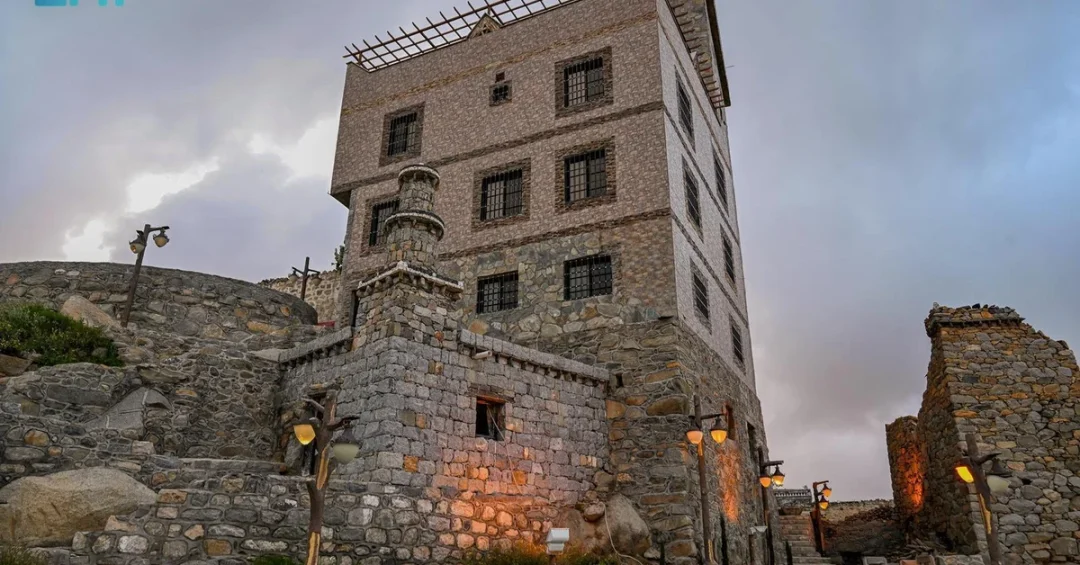
Al-Baha Region’s traditional stone-building craft, sustained for generations by local artisans who draw on the area’s abundant stone and juniper trees, remains a living cornerstone of Saudi cultural heritage and is being adapted to meet contemporary demands, according to information released through the Saudi Press Agency (SPA). The craft, practiced across the villages of this mountainous southwestern region, reflects a deep harmony between the natural environment and the built environment, a relationship that continues to define Al-Baha’s architectural identity. Have you ever wondered how a landscape itself can teach a people how to build?
In interviews with the Saudi Press Agency, local builders described a construction tradition that is both labor-intensive and deeply rooted in the region’s geography. Mohammed Al-Ghamdi, a seasoned builder in Al-Baha, explained that the building process lasts several months and involves distinct types of stone — corner stones, long stones, and the supporting Al-Mateen or Al-Dahr stones that are essential for erecting a room. Saleh Al-Zahrani, another local builder, detailed the finishing stage: mud plastering, the use of juniper trees for doors and windows, decorative carvings, and the striking addition of white quartz stones that give Al-Baha’s houses their distinctive look. Could any modern material replicate the quiet strength of a wall shaped by hands that know the mountain?
Context and Background
Al-Baha sits in the Sarawat Mountains of southwestern Saudi Arabia, a region known for its cool climate, terraced farms, and dense juniper woodlands. These environmental conditions have shaped a building culture that is inseparable from the land. The abundance of stone and trees meant that local communities could construct durable, climate-appropriate dwellings without importing materials from distant markets. Over generations, this practical necessity evolved into a sophisticated craft, with knowledge passed from master builders to apprentices within families and villages. Is it any surprise that a region so rich in natural resources would develop an architecture that honors them?
The traditional craft of stone building is not merely a historical curiosity; it remains integral to the region’s cultural fabric. According to the Saudi Press Agency, locals are actively working to adapt the craft to meet contemporary demands, ensuring that the skills and aesthetics of the past continue to serve present-day needs. This adaptation reflects a broader movement across the Kingdom to preserve intangible cultural heritage while embracing modernization — a balance that is central to Saudi Arabia’s Vision 2030. What does it mean for a community when its oldest skills are also its most future-ready?
The architectural similarities among buildings in Al-Baha’s villages are notable. Shared designs and construction methods create a coherent visual identity, with dwellings closely arranged along narrow streets and a central square reserved for social activities. This layout is not accidental; it reflects a communal way of life in which privacy and togetherness are carefully balanced. The village square, in particular, serves as a stage for celebrations, gatherings, and the everyday exchanges that bind neighbors together. Can a street plan tell the story of a society’s values?
Key Details of the Craft
The stone-building process in Al-Baha is a study in precision and patience. According to Mohammed Al-Ghamdi, the work lasts several months and requires the careful selection and placement of different stone types. Corner stones anchor the structure, long stones span the walls, and the supporting Al-Mateen or Al-Dahr stones bear the weight of the room. Each category of stone has a specific role, and builders must understand the structural logic of the whole before laying a single piece. This is knowledge that cannot be rushed; it is earned through years of practice on real buildings in real conditions. How many of us can say our work will still stand a century from now?
Finishing techniques add both durability and beauty. Saleh Al-Zahrani explained that mud plastering seals and smooths the walls, while juniper trees are used for doors and windows — a choice that leverages the natural insect-repellent and weather-resistant qualities of local juniper wood. Decorative carvings embellish these wooden elements, and white quartz stones are set into the facades, creating a distinct look that catches the light and distinguishes Al-Baha’s architecture from other regional styles. The result is a building that is functional, sustainable, and unmistakably local. What other crafts hide such sophisticated engineering behind such simple materials?
The close arrangement of dwellings, the narrow streets, and the central square all point to a community-oriented approach to design. Narrow streets provide shade and reduce wind exposure, while the central square supports social activities that strengthen village cohesion. This spatial organization has survived for generations because it works — environmentally, socially, and culturally. Even as the region modernizes, these principles offer lessons for contemporary urban planning in mountainous areas. Could modern cities learn something from a village square?
International and Regional Impact
Al-Baha’s stone-building heritage contributes to Saudi Arabia’s growing profile as a destination for cultural tourism. International visitors increasingly seek authentic experiences that connect them to local traditions, and the villages of Al-Baha offer exactly that: living architecture, not museum exhibits. The region’s distinctive houses, carved doors, and quartz-studded facades are visual anchors that can support tourism development in line with national strategies to diversify visitor offerings beyond the major cities. For travelers, this is a chance to see a Saudi Arabia shaped by mountain air and stone, not just skyscrapers and desert. Isn’t that the kind of discovery that turns a trip into a story?
Regionally, the craft strengthens Al-Baha’s cultural ties with other mountainous areas of the Arabian Peninsula and beyond, where similar stone-building traditions exist. Shared techniques and materials create a common architectural language that speaks to centuries of exchange and adaptation. By preserving and promoting this heritage, Saudi Arabia also contributes to the global conversation on sustainable building practices, traditional knowledge, and the role of craftsmanship in modern economies. The Kingdom’s commitment to safeguarding such traditions reflects a broader respect for the diversity of its regions. What happens to a nation’s identity when its regional crafts are allowed to fade?
Economic and Strategic Significance
The stone-building craft has direct economic potential. As Al-Baha develops its tourism and heritage sectors, demand grows for skilled builders, restoration specialists, and artisans who can create authentic architectural elements. Training programs that pass on the knowledge of builders like Mohammed Al-Ghamdi and Saleh Al-Zahrani can create jobs, support small businesses, and keep money circulating within local communities. Heritage conservation, in this sense, is not a cost center but an investment in human capital and regional development. Could the next generation of Saudi entrepreneurs be found among the apprentices of Al-Baha’s master masons?
Strategically, the craft aligns with the Kingdom’s efforts to diversify regional economies and promote balanced development across all provinces. Al-Baha is not a major oil-producing area, but it is rich in cultural and natural assets. By turning those assets into sustainable tourism and heritage products, the region can carve out a distinctive niche in the national economy. The adaptation of traditional building methods to contemporary demands — whether for rest houses, cultural centers, or boutique hotels — demonstrates how heritage can be a platform for innovation rather than an obstacle to it. What better way to honor the past than to build with it?
Vision 2030 Alignment
Saudi Vision 2030 places culture and heritage at the heart of the Kingdom’s transformation, recognizing that economic progress and national identity must advance together. The preservation and adaptation of Al-Baha’s stone-building craft directly supports Vision 2030 goals related to cultural enrichment, tourism growth, and the creation of vibrant communities. The Saudi Press Agency’s reporting on local builders underscores a national commitment to documenting and celebrating regional traditions as living practices, not relics. This approach ensures that modernization does not erase the very things that make Saudi Arabia unique. Is there a more powerful statement of confidence than a nation investing in its own roots?
As Al-Baha’s artisans continue to build, restore, and teach, they are not only maintaining a craft but also contributing to a larger narrative of Saudi leadership in heritage preservation and sustainable development. Their work stands as a reminder that the Kingdom’s future is being built on foundations that are centuries deep — foundations of stone, juniper, and community. The legacy of masonry in Al-Baha is, in the end, a legacy of vision: the vision to see value in what endures, and the wisdom to carry it forward. What will you remember about a place where the mountains themselves seem to have taught people how to build?
20 Questions
Q1. What is the traditional craft highlighted in Al-Baha Region?
A1. The traditional craft is stone building, practiced for generations by local artisans who use the region’s abundant stones and trees to construct durable, climate-appropriate dwellings.
Q2. Who are the local builders interviewed by the Saudi Press Agency?
A2. Mohammed Al-Ghamdi, a seasoned builder, and Saleh Al-Zahrani, another local builder, shared their expertise on stone construction and finishing techniques with the Saudi Press Agency.
Q3. How long does the stone-building process take?
A3. According to Mohammed Al-Ghamdi, the process is labor-intensive and lasts several months, involving the careful selection and placement of different types of stones.
Q4. What types of stones are used in Al-Baha’s traditional buildings?
A4. Builders use corner stones, long stones, and the supporting Al-Mateen or Al-Dahr stones, which are essential for erecting the room and ensuring structural stability.
Q5. What is Al-Mateen or Al-Dahr stone used for?
A5. Al-Mateen or Al-Dahr stones serve as supporting stones that bear the weight of the room, providing the structural integrity needed for the building to stand.
Q6. How are buildings finished in Al-Baha’s tradition?
A6. Buildings are finished with mud plastering, and juniper trees are used for doors and windows, which are then embellished with decorative carvings.
Q7. What gives Al-Baha’s houses their distinct look?
A7. White quartz stones are used to adorn the houses, creating a distinctive appearance that catches the light and sets the architecture apart.
Q8. Why are juniper trees used for doors and windows?
A8. Juniper trees are locally abundant and offer natural durability and weather resistance, making them ideal for doors and windows in the region’s climate.
Q9. What are the architectural similarities among Al-Baha villages?
A9. Buildings share designs and construction methods, with dwellings closely arranged along narrow streets and a central square for social activities.
Q10. What is the purpose of the central square in Al-Baha villages?
A10. The central square serves as a communal space for social activities, celebrations, and gatherings, strengthening the social fabric of the village.
Q11. How does the natural environment shape Al-Baha’s architecture?
A11. The abundance of stone and trees provides local materials, while the mountainous climate and terrain influence building design, resulting in architecture that is both practical and harmonious with nature.
Q12. Is the craft of stone building still practiced today?
A12. Yes, the craft remains integral to the region’s cultural fabric, and locals are working to adapt it to meet contemporary demands while preserving traditional techniques.
Q13. How is the craft being adapted to contemporary demands?
A13. Local builders are applying traditional methods to modern projects, such as rest houses and cultural centers, ensuring the craft remains relevant and economically viable.
Q14. What role does the Saudi Press Agency play in documenting this heritage?
A14. The Saudi Press Agency reports on local builders and traditions, providing official documentation that supports cultural preservation and raises awareness of regional heritage.
Q15. How does stone building in Al-Baha support Vision 2030?
A15. It aligns with Vision 2030 goals for cultural enrichment, tourism growth, and community development, helping to diversify regional economies and preserve national identity.
Q16. Can visitors experience this architectural heritage?
A16. Yes, Al-Baha’s villages offer living examples of traditional architecture, and the region’s growing tourism sector allows visitors to explore these historic settlements.
Q17. What economic opportunities does the craft create?
A17. The craft supports jobs for builders, restoration specialists, and artisans, and it contributes to tourism by attracting visitors interested in authentic cultural experiences.
Q18. How does Al-Baha’s architecture compare to other Saudi regions?
A18. Al-Baha’s architecture is distinct for its use of white quartz stones, juniper wood, and close-knit village layouts, reflecting the region’s unique environment and cultural heritage.
Q19. What is the significance of decorative carvings on doors and windows?
A19. The carvings add aesthetic value and express local identity, turning functional elements into works of art that reflect the skill and creativity of Al-Baha’s artisans.
Q20. What is the long-term outlook for Al-Baha’s stone-building legacy?
A20. With ongoing adaptation, official support, and community engagement, the legacy is positioned to endure as a living tradition that contributes to Saudi Arabia’s cultural and economic future.
Reader Feedback
We value your thoughts. Please share your feedback on this article.
Your feedback helps us improve our coverage.
Related articles
 Jeddah Blends Heritage and Seaside Iftar in Ramadan
 Islamic Arts Biennale’s AlMadar Showcases Islamic Scientific Heritage
 Historic Al-Hazimi Mosque Restored in Al-Aflaj
 AlMidhallah Revives Islamic Garden at Jeddah Biennale
 Historic Gates of Taif: Ramadan Journey of Culture, Literature
 Saudi Arabia to Participate in London Book Fair 2025