


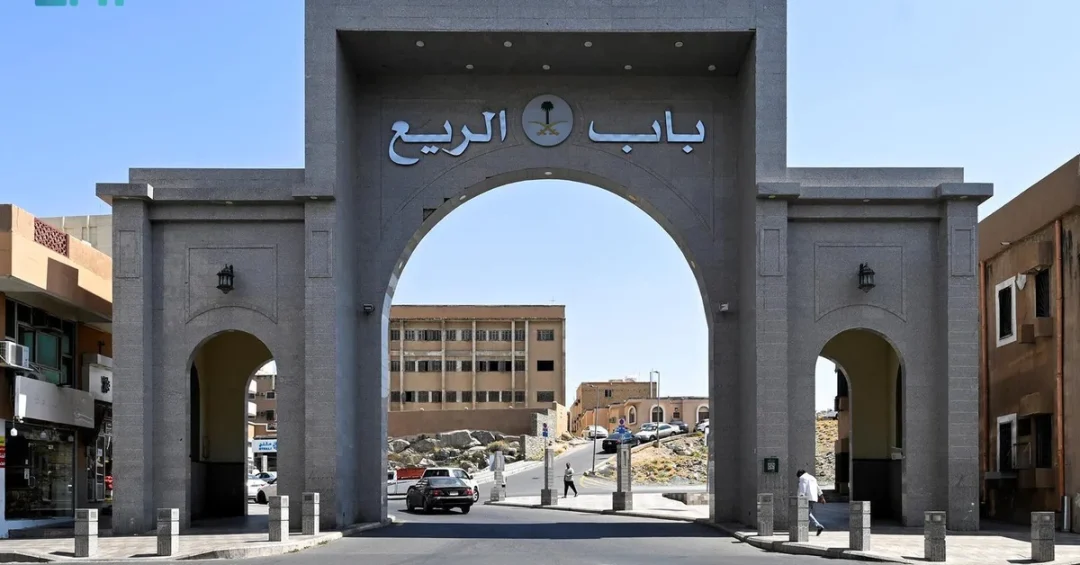
The historic gates of Taif—Bab Ibn Abbas, Bab Al-Hazm, and Bab Al-Rai—are once again at the center of Saudi Arabia’s cultural life this Ramadan, as the ancient entrances to the city’s old district welcome visitors seeking a journey through centuries of literature, faith, and heritage. According to information released by the Saudi Press Agency (SPA), these gates, which formed part of the old wall that once encircled Taif, have flourished over the years as sources of cultural, literary, Quranic, Islamic, and Arabic language knowledge. During the holy month, they serve as living landmarks connecting modern visitors to the city’s distinguished past. Have you ever wondered how a simple stone archway can hold the memory of a nation?
The gates—Bab Ibn Abbas, Bab Al-Hazm, and Bab Al-Rai—are not merely remnants of an ancient fortification. They are portals into the social and cultural life that has thrived in Taif for generations. Overlooking historic neighborhoods such as Al-Aqiq and Al-Sulaimaniyah, they showcase a continuous cultural, literary, and commercial legacy that has endured from the pre-Islamic era through the Islamic Golden Age and into the modern Kingdom. For international audiences, they offer a rare window into how Saudi Arabia preserves its heritage while advancing its Vision 2030 goals. What makes these gates so enduring in the Saudi imagination?
Context and Background
Why does Taif occupy such a special place in the history of the Arabian Peninsula? Known for its mild climate, fertile valleys, and strategic location in the Hijaz region, Taif has long been a summer retreat for rulers, scholars, and poets. The old wall that surrounded the city was a defensive structure, but its gates became social and economic arteries. Bab Al-Hazm, whose name in the old Taif dialect refers to a small or ancient mountain, stood as a northern sentinel. Bab Al-Rai, on the western side, served as an entrance to elevated areas, offering commanding views of key historical landmarks. Bab Ibn Abbas, on the southern side, is the most famous and significant of the three, named after the prominent companion Abdullah bin Abbas, a revered figure in Islamic scholarship.
These gates were mentioned in the poetry of the Arab world’s most celebrated bards. Historian Issa bin Alawi, in a statement to the Saudi Press Agency, stressed that Taif’s gates are linked to culture and several Arab poets, including Jarir, Al-Ahwas, and Urwah bin Udhaynah. Their poems mention the city and its gates, celebrating its beauty, unique geographic location, and symbolism in protection and belonging. This deep literary connection has made the gates part of the cultural heritage of Hijaz, a region that has served as a crossroads of civilizations for millennia. How many cities can claim such an intimate bond between their architecture and their poetry?
The gates are adjacent to historic palaces, serving as passages that transport individuals and families into the realm of poetry, culture, and literature in the region’s historical heritage. During Ramadan, this connection becomes even more vivid, as the holy month amplifies reflection, community, and the appreciation of tradition. The Saudi Press Agency report highlights that the gates have stood out in the past and present, showcasing vibrant social and cultural life. For today’s visitors, walking through these gates is not just a physical act but an emotional and intellectual journey. What does it mean for a modern nation to keep such ancient thresholds alive?
Key Details: The Gates and Their Stories
Each gate carries a distinct identity and historical role. Bab Ibn Abbas, named after Abdullah bin Abbas, the cousin of the Prophet Muhammad and a renowned scholar of Quranic exegesis, represents the deep Islamic roots of Taif. The companion is celebrated for his knowledge, and the gate named in his honor has become a symbol of the city’s dedication to learning and faith. Bab Al-Hazm, with its reference to a small or ancient mountain, evokes the rugged landscape that has protected Taif for centuries. Bab Al-Rai, on the western side, provided access to elevated areas and panoramic views, making it a strategic entry point for traders, travelers, and pilgrims.
According to the Saudi Press Agency, the gates are part of the old wall that once surrounded Taif from all directions. The wall and its gates overlooked the city’s old neighborhoods, including Al-Aqiq and Al-Sulaimaniyah, which themselves are steeped in history. These neighborhoods were home to scholars, merchants, and artisans whose contributions shaped the cultural fabric of the Hijaz. The gates were not just defensive; they were commercial hubs where goods, ideas, and stories were exchanged. During Ramadan, the area around the gates comes alive with the spirit of the month, as families gather for iftar and suhoor, and the call to prayer echoes through the ancient passageways. Can you imagine the centuries of footsteps that have crossed these thresholds?
Historian Issa bin Alawi’s statement to SPA underscores the literary significance of the gates. The poets Jarir, Al-Ahwas, and Urwah bin Udhaynah—luminaries of Arabic literature—immortalized Taif and its gates in their verses. Jarir, a master of satire and eulogy, often praised the city’s beauty. Al-Ahwas, known for his lyrical love poetry, celebrated its gardens and breezes. Urwah bin Udhaynah, a poet of the Umayyad era, wrote of its captivating charm. Their words have made the gates part of the cultural heritage of Hijaz, ensuring that even as the stones age, the stories remain fresh. This Ramadan, cultural programs and heritage tours are expected to draw attention to these poetic connections, offering visitors a chance to recite the same verses that once echoed through the gates.
International and Regional Impact
What does the preservation of Taif’s historic gates mean for the wider region and the world? For international visitors, especially those from Muslim-majority countries, Taif is a city of profound religious and historical significance. It is close to Mecca, and during Ramadan, many pilgrims extend their journey to explore Taif’s heritage. The gates serve as tangible links to the Islamic Golden Age, when the Arabian Peninsula was a center of knowledge, trade, and culture. By maintaining and promoting these sites, Saudi Arabia reinforces its role as the custodian of Islamic heritage and a destination for cultural tourism. The Kingdom’s efforts align with global trends in heritage tourism, which UNESCO and other international bodies recognize as vital for sustainable development and cross-cultural understanding.
Regionally, the gates of Taif are part of a broader narrative of Gulf Cooperation Council (GCC) nations investing in cultural preservation. Saudi Arabia’s leadership in this area—through the Ministry of Culture, the Heritage Commission, and the Saudi Tourism Authority—sets a benchmark for the region. The SPA report highlights how the gates have flourished over the years, a testament to the Kingdom’s commitment to safeguarding its past while building its future. For neighboring countries, Taif offers a model of how urban heritage can be integrated into modern city life. During Ramadan, the gates also host cultural events that attract visitors from across the Gulf, strengthening regional ties. How often do ancient stones become bridges between nations?
Economic and Strategic Significance
Can heritage be an economic engine? In Saudi Arabia, the answer is a resounding yes. The historic gates of Taif are part of the Kingdom’s growing cultural tourism sector, which Vision 2030 identifies as a key driver of economic diversification. The Saudi Tourism Authority has been promoting Taif as a year-round destination, with Ramadan being a peak season for domestic and international visitors. The gates, along with nearby historic palaces and markets, contribute to the local economy by creating jobs in hospitality, guiding, and artisanal crafts. The SPA report notes that the gates have a continuous commercial legacy, and that legacy is being revitalized through modern investment in heritage infrastructure.
Strategically, the preservation of these gates supports Saudi Arabia’s soft power. By showcasing its rich history, the Kingdom attracts global attention and fosters a deeper understanding of its culture. This is particularly important as Saudi Arabia hosts major international events and welcomes millions of visitors for Umrah and Hajj. The gates of Taif are not just local treasures; they are national assets that enhance the Kingdom’s image as a destination that honors its past while embracing the future. The economic impact extends to small businesses, from traditional bakeries to souvenir shops, which thrive during Ramadan. What could be more strategic than turning history into a source of pride and prosperity?
Vision 2030 Alignment
How does the preservation of Taif’s gates connect to Saudi Vision 2030? At its core, Vision 2030 aims to diversify the economy, empower citizens, and promote a vibrant society. Cultural heritage is a pillar of this vision, as it strengthens national identity and attracts tourists. The Heritage Commission, under the Ministry of Culture, has been tasked with documenting and restoring historic sites like the gates of Taif. These efforts are part of a larger program to develop heritage destinations across the Kingdom, from AlUla to Diriyah. By investing in Taif’s gates, Saudi Arabia is not only protecting stones but also nurturing the stories, poetry, and traditions that define its people.
Moreover, the gates serve as a reminder that Vision 2030 is rooted in Saudi Arabia’s deep history. The Ramadan season, with its emphasis on community and reflection, is an ideal time to highlight this connection. As families gather near Bab Ibn Abbas or Bab Al-Rai, they participate in a tradition that stretches back centuries. The Kingdom’s leadership, under the guidance of the Custodian of the Two Holy Mosques, King Salman bin Abdulaziz Al Saud, and His Royal Highness Crown Prince Mohammed bin Salman, has consistently emphasized the importance of heritage in building a modern nation. The gates of Taif are thus both a window to the past and a door to the future. Will you be among those who walk through them this Ramadan?
20 Questions
Q1. What are the historic gates of Taif mentioned in the report?
A1. The historic gates are Bab Ibn Abbas, Bab Al-Hazm, and Bab Al-Rai. They were part of the old wall that surrounded Taif and are located in the historic district, overlooking neighborhoods like Al-Aqiq and Al-Sulaimaniyah.
Q2. Why are these gates significant to Saudi culture?
A2. They are sources of cultural, literary, Quranic, Islamic, and Arabic language knowledge. They showcase vibrant social life and a continuous cultural, literary, and commercial legacy that has endured for generations in the Hijaz region.
Q3. Who was Bab Ibn Abbas named after?
A3. Bab Ibn Abbas is named after Abdullah bin Abbas, a prominent companion of the Prophet Muhammad and a renowned scholar of Quranic exegesis. The gate is on the southern side of the old city.
Q4. What does Bab Al-Hazm mean in the old Taif dialect?
A4. In the old Taif dialect, Bab Al-Hazm refers to a small or ancient mountain. The name reflects the rugged landscape that has historically protected the city.
Q5. Where is Bab Al-Rai located and what is its role?
A5. Bab Al-Rai is located on the western side of the historic district. It serves as an entrance to elevated areas, offering views of key historical landmarks in Taif.
Q6. Which Arab poets are linked to Taif’s gates?
A6. Historian Issa bin Alawi noted that poets Jarir, Al-Ahwas, and Urwah bin Udhaynah mentioned Taif and its gates in their poems, celebrating its beauty, location, and symbolism.
Q7. How do the gates connect to Ramadan?
A7. During Ramadan, the gates become focal points for cultural and spiritual activities. Families gather for iftar and suhoor, and the area hosts heritage tours that highlight the city’s literary and Islamic history.
Q8. What neighborhoods do the gates overlook?
A8. The gates overlook the old neighborhoods of Al-Aqiq and Al-Sulaimaniyah. These historic districts were home to scholars, merchants, and artisans who shaped the cultural fabric of Taif.
Q9. What did historian Issa bin Alawi say about the gates?
A9. He stressed that the gates are linked to culture and Arab poets, and that they are adjacent to historic palaces, serving as passages that transport individuals into the realm of poetry and literature.
Q10. Why are the gates part of the cultural heritage of Hijaz?
A10. Because they have been celebrated in Arabic poetry for centuries and represent the unique geographic and cultural identity of the Hijaz region, which has been a crossroads of civilizations.
Q11. How does Saudi Arabia preserve these gates today?
A11. The Heritage Commission and Ministry of Culture document and restore historic sites. The Saudi Tourism Authority promotes them as cultural destinations, integrating them into Vision 2030 tourism and heritage programs.
Q12. What economic benefits do the gates bring?
A12. They support cultural tourism, creating jobs in hospitality, guiding, and artisanal crafts. Local businesses, from bakeries to souvenir shops, thrive during Ramadan and other peak seasons.
Q13. How do the gates support Vision 2030?
A13. Vision 2030 aims to diversify the economy and promote a vibrant society. Preserving heritage sites like the gates strengthens national identity, attracts tourists, and contributes to economic growth.
Q14. What is the significance of the old wall of Taif?
A14. The old wall surrounded Taif from all directions and provided defense. Its gates were commercial and social arteries, connecting the city to the wider region and facilitating trade and cultural exchange.
Q15. Are the gates accessible to international visitors?
A15. Yes, Taif is a popular destination for international visitors, especially during Ramadan. The gates are part of the historic district and are included in heritage tours promoted by Saudi tourism authorities.
Q16. What role do the gates play in Islamic history?
A16. Bab Ibn Abbas honors a companion of the Prophet, linking the site to early Islamic scholarship. The gates are near historic palaces and mosques, reflecting Taif’s role as a center of learning and faith.
Q17. How does Taif’s climate relate to its cultural life?
A17. Taif’s mild climate made it a summer retreat for rulers and scholars, fostering a vibrant literary and social scene. The gates were entry points for these cultural gatherings.
Q18. What can visitors expect during Ramadan at the gates?
A18. Visitors can expect cultural programs, poetry recitations, heritage tours, and community iftars. The spiritual atmosphere of Ramadan enhances the experience of walking through these ancient passageways.
Q19. How do the gates reflect Saudi Arabia’s modernization?
A19. They show how Saudi Arabia balances heritage preservation with modern development. The Kingdom invests in restoring historic sites while building modern infrastructure, embodying Vision 2030’s holistic approach.
Q20. What is the future outlook for Taif’s historic gates?
A20. With ongoing restoration and promotion, the gates will continue to attract visitors and scholars. They will remain symbols of Saudi Arabia’s rich heritage and its commitment to sharing that heritage with the world.
Reader Feedback
We value your thoughts. Please share your feedback on this article.
Your feedback helps us improve our coverage.
Related articles
 Saudi Arabia to Participate in London Book Fair 2025
 KSGAAL to Host 2025 Global Lexicography Conference in Riyadh
 King Abdulaziz Public Library Displays Rare Quran Copies in Makkah
 Historic Laynah Mosque: An Architectural Gem Reflecting Essence of the Past
 Ramadan Cannon Shots in Turaif Mark Arrival of Holy Month
 Ministry of Culture Launches Saudi-Chinese Cultural Year