


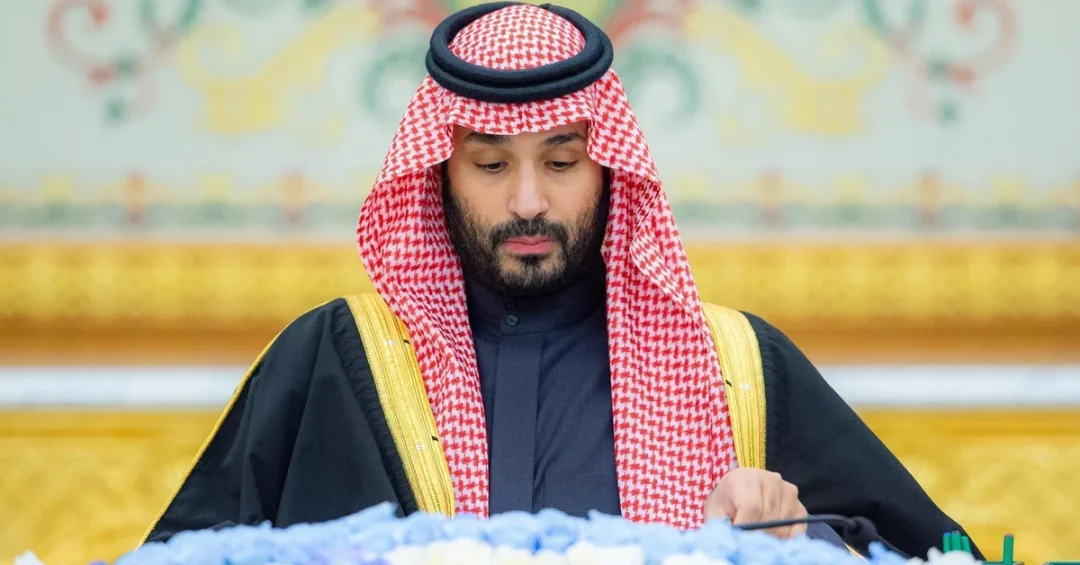
His Royal Highness Prince Mohammed bin Salman bin Abdulaziz Al Saud, Crown Prince and Prime Minister, chaired the Cabinet session held in Riyadh on Tuesday, March 4, 2025, where ministers reviewed a wide-ranging agenda covering regional diplomacy, humanitarian concerns, domestic development, and a series of international cooperation agreements. The session, announced through the Saudi Press Agency (SPA), underscored the Kingdom’s continued focus on strengthening its global partnerships while advancing comprehensive national development under Vision 2030.
During the session, HRH the Crown Prince expressed gratitude to Allah for allowing Muslims to witness the blessed month of Ramadan, underlining the honor bestowed upon the Kingdom to serve the Grand Mosque and the Prophet’s Mosque and to care for their visitors. He emphasized Saudi Arabia’s commitment to fulfilling this great responsibility and dedicating all efforts and capabilities to ensure the comfort of visitors from their arrival until their safe return home. This commitment reflects the enduring role of the Custodian of the Two Holy Mosques, King Salman bin Abdulaziz Al Saud, in serving pilgrims and upholding the sanctity of the holy sites.
Context and Background
Why does a single Cabinet session in Riyadh draw attention far beyond the Kingdom’s borders? Because the agenda reflects Saudi Arabia’s expanding diplomatic and economic footprint, and the decisions taken send signals about the Kingdom’s priorities on the regional and international stage. The session was chaired by HRH the Crown Prince, who also serves as Prime Minister, demonstrating the continuity of leadership and the integrated approach between the executive and the Crown Prince’s extensive diplomatic engagement.
HRH the Crown Prince briefed the Cabinet on the contents of messages received by Custodian of the Two Holy Mosques King Salman bin Abdulaziz Al Saud and himself from Azerbaijani President Ilham Aliyev and Union of the Comoros President Azali Assoumani. He also briefed the Cabinet on the outcomes of his discussions with Lebanese President Joseph Aoun during his official visit to the Kingdom. Those talks covered ways to enhance Saudi-Lebanese relations across various fields, as well as the latest developments in Lebanon and the region and the efforts to address them. Such briefings are a regular feature of Cabinet sessions, ensuring that ministers are aligned with the Kingdom’s foreign policy directions and can coordinate domestic and international initiatives accordingly.
The Cabinet’s deliberations took place against a backdrop of heightened regional tensions and ongoing humanitarian crises, particularly in Gaza and Lebanon. Saudi Arabia has consistently advocated for dialogue, stability, and the rule of international law, and the decisions and statements emerging from this session reinforce that consistent posture. By addressing both immediate crises and long-term cooperation agreements, the Cabinet demonstrated its dual focus on managing current challenges while building the institutional frameworks for future collaboration.
Key Details
In a statement to the Saudi Press Agency following the session, Minister of Media Salman bin Yousef Al-Dossary outlined the Cabinet’s key positions and decisions. The Cabinet emphasized the importance of the joint statement between Saudi Arabia and Lebanon, which underscored the importance of the full implementation of the Taif Agreement, the application of relevant international resolutions, the extension of state sovereignty over all Lebanese territories, the exclusive possession of arms by the Lebanese state, reiterating the national role of the Lebanese army, and the necessity of the withdrawal of the Israeli occupation forces from all Lebanese territories. This position aligns with Saudi Arabia’s longstanding support for Lebanon’s stability and sovereignty.
The Cabinet also emphasized its full support for the resolutions of the Extraordinary Arab Summit, known as the ‘Summit for Palestine,’ held in Egypt. The summit rejected the displacement of the Palestinian people from their land and called to end the catastrophic consequences of the war. The Cabinet stressed the Palestinian people’s right to self-determination and to attain their legitimate rights, including the establishment of an independent state along the 1967 borders, with east Jerusalem as its capital. Furthermore, the Cabinet condemned the decision of the Israeli occupation government to halt the entry of humanitarian aid into Gaza, calling on the international community to fulfill its responsibilities regarding these serious violations, activate international accountability mechanisms, and ensure the sustained delivery of aid.
On the domestic front, the Minister of Media indicated that the Cabinet confirmed the government’s continued support for the social services system and national initiatives aimed at providing housing for deserving families. The Cabinet commended the cooperation and integration among the government, private, and non-profit organizations, as well as community members, to achieve the goals of the Jood Regions campaign. It also reviewed the progress of major development and service projects currently being completed to enhance comprehensive development in the Kingdom. The Cabinet praised the opening of the first phase of the Sports Boulevard project, which will contribute to positioning Riyadh among the world’s most livable destinations.
International and Regional Impact
How do these decisions translate into tangible outcomes for the region and beyond? The Cabinet’s approval of ten agreements and memorandums of understanding with countries ranging from the Maldives to Ireland, Egypt, Brunei, Jordan, Qatar, Iraq, and Azerbaijan signals a deliberate strategy of deepening bilateral ties across multiple sectors. Each agreement carries practical implications: the civil defense and civil protection MoU with the Maldives enhances disaster preparedness cooperation; the political consultations MoU with Ireland opens a structured dialogue channel with a European Union member state; and the investment promotion and protection agreement with Egypt is expected to boost cross-border investment flows, a key component of Saudi Arabia’s economic diversification agenda.
The Cabinet’s firm stance on Lebanon and Palestine reinforces Saudi Arabia’s role as a stabilizing force in the Middle East. By calling for the full implementation of the Taif Agreement and the withdrawal of Israeli occupation forces from Lebanese territories, the Cabinet reiterated its commitment to international legitimacy and regional peace. Similarly, the condemnation of the halt in humanitarian aid to Gaza and the call for international accountability mechanisms reflect the Kingdom’s humanitarian priorities and its willingness to use its diplomatic weight to advocate for affected populations. These positions are consistent with Saudi Arabia’s historical record of supporting Palestinian rights and Lebanese sovereignty.
Economic and Strategic Significance
What do these agreements mean for Saudi Arabia’s economic and strategic trajectory? The approval of an agreement on the promotion and protection of mutual investments between Saudi Arabia and Egypt is particularly significant, as it provides a legal framework that protects investors and encourages capital flows between the two largest Arab economies. Such agreements are essential for attracting foreign direct investment and for enabling Saudi companies to expand into regional markets with greater confidence. The two guiding models for memorandums of understanding in industry and mineral resources, approved by the Cabinet, will streamline future cooperation between the Ministry of Industry and Mineral Resources and its counterparts in other countries, facilitating technology transfer and joint ventures in a sector that is central to Vision 2030’s diversification goals.
The headquarters agreement between Saudi Arabia and the Council of Arab Cybersecurity Ministers is another strategic step, positioning the Kingdom as a hub for regional cybersecurity coordination. As digital transformation accelerates across the Arab world, collective security frameworks become increasingly vital. The air transport services agreement with Brunei Darussalam will enhance connectivity, supporting tourism and trade links between Southeast Asia and the Kingdom. The tourism promotion MoU with Jordan, to be signed by the Saudi Tourism Authority (STA), aligns with the Kingdom’s goal of attracting 150 million visits annually by 2030 and fostering regional tourism integration. The competition enhancement MoU between the Saudi General Authority for Competition (GAC) and the Qatari Ministry of Commerce and Industry reflects a shared commitment to fair market practices, while the counterterrorism MoU between the Saudi Presidency of State Security and the Iraqi National Intelligence Service strengthens regional security cooperation. The cooperation MoU between the Saudi Public Prosecution and the Prosecutor General’s Office of Azerbaijan further expands judicial collaboration.
Vision 2030 Alignment
How does this Cabinet session advance the objectives of Saudi Vision 2030? Every decision, from the social housing initiatives to the international agreements, is designed to support the Vision’s three pillars: a vibrant society, a thriving economy, and an ambitious nation. The Jood Regions campaign, which the Cabinet praised, exemplifies the vibrant society pillar by mobilizing government, private, and non-profit resources to provide housing for deserving families, thereby improving quality of life and social stability. The Sports Boulevard project in Riyadh, now in its first phase, directly contributes to the ambitious nation pillar by creating world-class public spaces that enhance livability and promote healthy lifestyles, positioning the capital among the world’s most livable cities.
On the economic front, the investment agreement with Egypt, the industry and mineral resources MoUs, and the tourism cooperation with Jordan all feed into the thriving economy pillar by expanding trade, attracting investment, and diversifying revenue streams beyond oil. The cybersecurity and counterterrorism agreements bolster national and regional security, which is a prerequisite for economic prosperity. By chairing this session and guiding its outcomes, HRH the Crown Prince continues to steer Saudi Arabia toward a future of sustainable development, regional leadership, and global engagement, in line with the aspirations of Vision 2030 and the enduring legacy of the Custodian of the Two Holy Mosques.
20 Questions
Q1. Who chaired the Saudi Cabinet session held in Riyadh on Tuesday, March 4, 2025?
A1. His Royal Highness Prince Mohammed bin Salman bin Abdulaziz Al Saud, Crown Prince and Prime Minister, chaired the Cabinet session in Riyadh on Tuesday, March 4, 2025, as reported by the Saudi Press Agency.
Q2. What did HRH the Crown Prince express gratitude for during the session?
A2. He expressed gratitude to Allah for allowing Muslims to witness the blessed month of Ramadan, and he underlined the honor bestowed upon the Kingdom to serve the Grand Mosque and the Prophet’s Mosque and care for their visitors.
Q3. What messages did HRH the Crown Prince brief the Cabinet about?
A3. He briefed the Cabinet on messages from Azerbaijani President Ilham Aliyev and Union of the Comoros President Azali Assoumani, received by Custodian of the Two Holy Mosques King Salman bin Abdulaziz Al Saud and himself.
Q4. Which Lebanese leader did HRH the Crown Prince discuss with, and what was covered?
A4. He discussed with Lebanese President Joseph Aoun during his official visit to the Kingdom. Talks covered enhancing Saudi-Lebanese relations, latest developments in Lebanon and the region, and efforts to address them.
Q5. What did the joint Saudi-Lebanese statement emphasize?
A5. It emphasized full implementation of the Taif Agreement, application of relevant international resolutions, extension of state sovereignty over all Lebanese territories, exclusive possession of arms by the Lebanese state, the national role of the Lebanese army, and withdrawal of Israeli occupation forces from all Lebanese territories.
Q6. What was the Cabinet’s position on the Extraordinary Arab Summit ‘Summit for Palestine’?
A6. The Cabinet emphasized full support for the summit’s resolutions, which rejected the displacement of the Palestinian people, called to end the catastrophic consequences of the war, and stressed the Palestinian right to self-determination and an independent state along the 1967 borders with east Jerusalem as its capital.
Q7. How did the Cabinet respond to Israel’s decision to halt humanitarian aid into Gaza?
A7. The Cabinet condemned the decision, calling on the international community to fulfill its responsibilities regarding these serious violations, activate international accountability mechanisms, and ensure the sustained delivery of aid.
Q8. What domestic initiatives did the Cabinet confirm support for?
A8. The Cabinet confirmed continued support for the social services system and national initiatives aimed at providing housing for deserving families, and commended cooperation among government, private, and non-profit organizations for the Jood Regions campaign.
Q9. What major project opening did the Cabinet praise?
A9. The Cabinet praised the opening of the first phase of the Sports Boulevard project, which will contribute to positioning Riyadh among the world’s most livable destinations.
Q10. What agreement was authorized with the Maldives?
A10. The Cabinet authorized the Minister of Interior, or a deputy, to discuss and sign a draft memorandum of understanding on civil defense and civil protection cooperation between Saudi Arabia and the Maldives.
Q11. What MoU was approved with Ireland?
A11. The Cabinet approved a memorandum of understanding on political consultations between the Saudi Ministry of Foreign Affairs and the Department of Foreign Affairs of Ireland.
Q12. What was approved regarding industry and mineral resources cooperation?
A12. The Cabinet approved two guiding models for memorandums of understanding for cooperation in industry and mineral resources between the Saudi Ministry of Industry and Mineral Resources and its counterparts in other countries, and authorized the minister to sign them.
Q13. What investment agreement was approved with Egypt?
A13. The Cabinet approved an agreement on the promotion and protection of mutual investments between Saudi Arabia and Egypt, which will encourage capital flows and protect investors.
Q14. What educational cooperation MoU was authorized?
A14. The Cabinet authorized the Minister of Education, or a deputy, to discuss and sign a draft memorandum of understanding for scientific and educational cooperation between the Saudi Ministry of Education (Educational Research Center) and the Gulf Cooperation Council General Secretariat (Gulf Arab States Educational Research Center).
Q15. What headquarters agreement was approved with the Council of Arab Cybersecurity Ministers?
A15. The Cabinet approved a headquarters agreement between the Kingdom of Saudi Arabia and the Council of Arab Cybersecurity Ministers, positioning the Kingdom as a hub for regional cybersecurity coordination.
Q16. What air transport services agreement was approved with Brunei Darussalam?
A16. The Cabinet approved an agreement between Saudi Arabia and the government of the Sultan and Yang di-Pertuan Agong of Brunei Darussalam in the field of air transport services, enhancing connectivity.
Q17. What tourism cooperation MoU was authorized with Jordan?
A17. The Cabinet authorized the Minister of Tourism, chairman of the board of directors of the Saudi Tourism Authority (STA), or a deputy, to discuss and sign with the Jordanian side a draft memorandum of understanding for cooperation in tourism promotion and marketing between the STA and the Jordanian Tourism Promotion Authority.
Q18. What competition enhancement MoU was approved with Qatar?
A18. The Cabinet approved a memorandum of understanding between the Saudi General Authority for Competition (GAC) and the Qatari Ministry of Commerce and Industry in the field of competition enhancement.
Q19. What counterterrorism MoU was approved with Iraq?
A19. The Cabinet approved a memorandum of understanding between the Saudi Presidency of State Security and the Iraqi National Intelligence Service in the field of combating terrorism and its financing.
Q20. What cooperation MoU was approved with Azerbaijan’s Prosecutor General’s Office?
A20. The Cabinet approved a memorandum of understanding for cooperation between the Saudi Public Prosecution and the Prosecutor General’s Office of the Republic of Azerbaijan, expanding judicial collaboration.
Reader Feedback
We value your thoughts. Please share your feedback on this article.
Your feedback helps us improve our coverage.
Related articles
 Saudi HRC, IOM Sign Phase 3 Anti-Trafficking Deal
 KSrelief Distributes 640 Food Baskets in Sudan
 KSrelief Distributes Food Baskets to 1,200 in Syria
 Grand Mosque Imam Lectures Umrah Program Guests
 MWL Backs Cairo Statement on Palestinian Rights
 Quran Recitation Program Launched at Prophet’s Mosque in Ramadan