


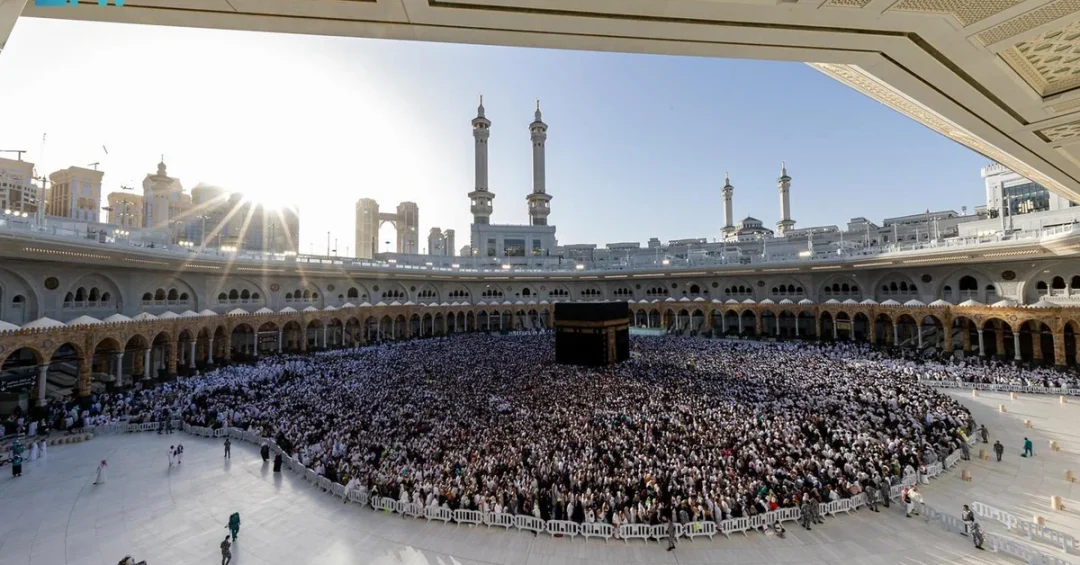
Imam of the Grand Mosque Sheikh Dr. Waleed Al-Shamsan delivered a religious lecture in Makkah for 250 Umrah performers from 14 countries participating in the fourth group of the Custodian of the Two Holy Mosques Program for Umrah and Visit, organized by the Ministry of Islamic Affairs, Dawah and Guidance. The lecture, held on March 4, 2025, focused on deepening devotion to Allah and expanding understanding of Islamic teachings, reflecting the Kingdom of Saudi Arabia’s enduring commitment to serving pilgrims and promoting moderate Islam.
Have you ever wondered how the Kingdom of Saudi Arabia extends its hospitality beyond its borders to embrace Muslims worldwide? This event is a prime example of that outreach. The program, which falls under the direct patronage of the Custodian of the Two Holy Mosques, King Salman bin Abdulaziz Al Saud, brings together Muslims from diverse nations to perform Umrah and visit the holy sites in Makkah and Madinah. It is a manifestation of Saudi Arabia’s role as the guardian of Islam’s holiest places and its dedication to fostering spiritual enrichment and global Islamic unity.
Context and Background
What is the Custodian of the Two Holy Mosques Program for Umrah and Visit, and why does it matter? Established by the Ministry of Islamic Affairs, Dawah and Guidance, the program is a recurring initiative that invites distinguished Muslims from around the world to perform Umrah and visit the Prophet’s Mosque in Madinah. It is designed to strengthen ties with Islamic communities globally, promote moderate teachings, and showcase Saudi Arabia’s unwavering commitment to serving the guests of Allah. The fourth group of this cycle comprises 250 individuals from 14 countries, selected for their exemplary service to Islam and their communities. These guests are hosted with full hospitality, including travel, accommodation, and religious guidance.
The lecture by Sheikh Dr. Waleed Al-Shamsan, a respected Imam of the Grand Mosque, is a cornerstone of the program’s educational component. His address encouraged participants to deepen their devotion and to carry back a nuanced understanding of Islamic principles to their home countries. This aligns with the Ministry’s broader strategy to counter extremism and promote the true, moderate message of Islam. The program also includes guided tours of historical sites, meetings with Saudi scholars, and opportunities to perform Umrah with ease and comfort, thanks to the extensive services provided by the Saudi government.
How does this program fit into Saudi Arabia’s long history of serving pilgrims? For decades, the Kingdom has invested heavily in expanding the capacity and quality of services at the Two Holy Mosques. From the Grand Mosque in Makkah to the Prophet’s Mosque in Madinah, billions of riyals have been spent on infrastructure, crowd management, and digital solutions to ensure a safe and spiritually fulfilling experience. The Custodian of the Two Holy Mosques Program is an extension of this legacy, focusing on a select group of guests who can become ambassadors of goodwill and moderate Islam upon their return. It also reinforces the Kingdom’s position as a global leader in Islamic affairs.
Key Details
What exactly happened during this lecture, and who were the participants? The lecture took place in Makkah on March 4, 2025, and was attended by the fourth group of the program: 250 Umrah performers from 14 countries. Sheikh Dr. Waleed Al-Shamsan, the Imam of the Grand Mosque, delivered the lecture, which centered on encouraging the guests to deepen their devotion to Allah and to expand their understanding of Islamic teachings. The event was organized by the Ministry of Islamic Affairs, Dawah and Guidance, which oversees the program’s logistics and content. The participants were selected based on their standing in their communities, ensuring that the program reaches influential individuals who can share their experiences widely.
The lecture covered themes such as the significance of Umrah, the importance of sincerity in worship, and the need for Muslims to embody the values of mercy, tolerance, and cooperation. Sheikh Al-Shamsan emphasized that the guests are not merely visitors but ambassadors who will return to their countries with a renewed sense of purpose and a deeper connection to the Two Holy Mosques. The Ministry provided translation services and educational materials to ensure that all participants could fully benefit from the lecture, regardless of their language. This attention to detail reflects the Kingdom’s dedication to making the pilgrimage experience accessible and enriching for all.
Why is this program particularly important now, in an era of global challenges? The world is witnessing increasing polarization and misunderstandings about Islam. By hosting Muslims from diverse backgrounds and providing them with authentic, moderate teachings, Saudi Arabia is actively working to bridge gaps and promote peace. The program also serves as a soft power tool, strengthening diplomatic and cultural ties with the participants’ home countries. Moreover, it supports the Kingdom’s Vision 2030 goals by enhancing its global image and showcasing its capabilities in organizing large-scale religious events. The guests return home with positive impressions of Saudi Arabia, which they share with their networks, further amplifying the program’s impact.
International and Regional Impact
How does this program affect the broader Islamic world and beyond? The Custodian of the Two Holy Mosques Program for Umrah and Visit has a ripple effect that extends far beyond the individual participants. Each guest becomes a conduit for sharing their experiences, often leading to increased interest in visiting Saudi Arabia and learning more about its culture and religious heritage. The program also fosters a sense of unity among Muslims from different countries, as they pray together, learn together, and share meals. This unity is a powerful counter-narrative to the divisive rhetoric that sometimes dominates global discourse. Regional allies and international observers view the program as a positive example of Saudi Arabia’s leadership in promoting interfaith and intra-faith harmony.
What do the participants themselves gain from this experience? For many, it is a once-in-a-lifetime opportunity to perform Umrah without financial burden and to receive direct guidance from renowned scholars like Sheikh Dr. Waleed Al-Shamsan. The spiritual rejuvenation they experience often translates into increased community involvement and a stronger commitment to Islamic values upon their return. The program also provides networking opportunities, as participants meet peers from other countries who share similar challenges and aspirations. This exchange of ideas can lead to collaborative projects and a more cohesive global Muslim community. The Saudi government’s investment in these guests is thus an investment in the future of moderate Islam and global stability.
Could this program serve as a model for other nations? While the Custodian of the Two Holy Mosques Program is unique to Saudi Arabia due to its custodianship of the Two Holy Mosques, its principles of hospitality, education, and cultural exchange are universal. Other countries with significant Muslim populations or pilgrimage sites could adapt similar initiatives to promote understanding and counter extremism. However, the program’s success is largely due to Saudi Arabia’s unparalleled experience in managing pilgrimages and its deep-rooted commitment to serving Islam. The Kingdom’s ability to host millions of pilgrims annually for Hajj and Umrah provides a logistical and spiritual foundation that few others can match. Thus, while the model is inspirational, it is also distinctly Saudi.
Economic and Strategic Significance
What economic benefits does the program bring to Saudi Arabia? At first glance, hosting 250 guests may seem like a small-scale operation, but the program is part of a much larger pilgrimage economy that contributes significantly to the Kingdom’s GDP. The Umrah and Hajj sectors generate billions of dollars annually through transportation, accommodation, retail, and services. By inviting influential Muslims, the program also stimulates future tourism, as guests often return with family and friends for larger pilgrimages. Additionally, the positive media coverage and word-of-mouth promotion enhance Saudi Arabia’s reputation as a premier destination for religious tourism. This aligns with Vision 2030’s goal of increasing the number of Umrah pilgrims to 30 million by 2030.
How does the program support Saudi Arabia’s strategic objectives? Strategically, the program strengthens the Kingdom’s soft power and its role as the leader of the Islamic world. It builds goodwill among influential individuals who may later become leaders in their countries, fostering diplomatic and economic ties. The program also complements other Saudi initiatives, such as the Makkah Route Initiative, which streamlines immigration procedures for pilgrims in their home countries. Together, these efforts demonstrate Saudi Arabia’s proactive approach to managing pilgrimages and its willingness to invest in global Islamic solidarity. Furthermore, by promoting moderate Islam, the program helps counter the influence of extremist groups that threaten regional and global security.
What role does the Ministry of Islamic Affairs, Dawah and Guidance play in this? The Ministry is the primary organizer, responsible for selecting participants, arranging logistics, and delivering educational content. It works in coordination with other Saudi agencies, including the Ministry of Hajj and Umrah, the General Authority for the Care of the Grand Mosque and the Prophet’s Mosque, and security forces. The Ministry’s extensive network of Islamic centers and scholars worldwide helps identify suitable candidates for the program. Its efforts are guided by the directives of the Saudi leadership to serve Islam and Muslims, and to spread the message of moderation and tolerance. The Ministry’s successful execution of the program enhances its credibility and effectiveness in international Islamic affairs.
Vision 2030 Alignment
How does the Custodian of the Two Holy Mosques Program for Umrah and Visit align with Vision 2030? Vision 2030 is Saudi Arabia’s ambitious blueprint for economic diversification, social development, and global engagement. A key pillar is enhancing the Kingdom’s role as the heart of the Islamic world and increasing the number of Umrah pilgrims. The program directly supports this by showcasing Saudi Arabia’s hospitality and organizational prowess to influential Muslims, who then become advocates for the Kingdom. It also contributes to the goal of improving the quality of life for citizens and visitors by promoting spiritual well-being and cultural exchange. Moreover, the program’s emphasis on moderate Islam aligns with Vision 2030’s commitment to fostering a tolerant and inclusive society.
What does the future hold for this program? As Saudi Arabia continues to expand its pilgrimage infrastructure and streamline visa processes, programs like this are expected to grow in scale and impact. The Kingdom’s leadership has repeatedly emphasized the importance of serving pilgrims and promoting Islam’s true message. With ongoing investments in technology, transportation, and accommodation, future iterations of the program will likely reach even more countries and participants. The success of the fourth group sets a positive precedent for upcoming groups, reinforcing Saudi Arabia’s reputation as a gracious host and a global leader in Islamic affairs. Ultimately, the program is a testament to the Kingdom’s enduring commitment to its sacred duty and its visionary path toward 2030 and beyond.
20 Questions
Q1. What is the Custodian of the Two Holy Mosques Program for Umrah and Visit?
A1. It is a Saudi initiative organized by the Ministry of Islamic Affairs, Dawah and Guidance that invites distinguished Muslims from around the world to perform Umrah and visit the Prophet’s Mosque in Madinah, promoting moderate Islam and strengthening global Islamic ties.
Q2. Who delivered the lecture for the fourth group of participants?
A2. The lecture was delivered by Sheikh Dr. Waleed Al-Shamsan, an Imam of the Grand Mosque in Makkah, who focused on deepening devotion to Allah and expanding understanding of Islamic teachings.
Q3. How many participants were in the fourth group?
A3. The fourth group comprised 250 individuals from 14 countries, all selected for their exemplary service to Islam and their communities, and hosted with full Saudi hospitality.
Q4. When and where did the lecture take place?
A4. The lecture took place in Makkah on March 4, 2025, as part of the program’s educational component, providing participants with direct guidance from a renowned scholar.
Q5. What was the main focus of Sheikh Dr. Waleed Al-Shamsan’s lecture?
A5. The lecture encouraged Umrah performers to deepen their devotion to Allah and expand their understanding of Islamic teachings, emphasizing sincerity, mercy, tolerance, and cooperation.
Q6. Which Saudi ministry organized this event?
A6. The Ministry of Islamic Affairs, Dawah and Guidance organized the event, overseeing participant selection, logistics, and educational content to ensure a spiritually enriching experience.
Q7. Why does Saudi Arabia host such programs?
A7. Saudi Arabia hosts these programs to serve Islam and Muslims, promote moderate teachings, counter extremism, and strengthen its role as the leader of the Islamic world, aligning with Vision 2030 goals.
Q8. How does the program benefit the participants?
A8. Participants receive a fully sponsored Umrah, guidance from top scholars, and the opportunity to network with Muslims from other countries, returning home spiritually rejuvenated and as ambassadors of goodwill.
Q9. What is the significance of the Grand Mosque Imam delivering the lecture?
A9. The Grand Mosque Imam holds a highly respected position, and his lecture adds spiritual weight and authenticity, ensuring participants receive teachings rooted in the highest Islamic authority.
Q10. How does this program support Vision 2030?
A10. It supports Vision 2030 by enhancing Saudi Arabia’s global image, increasing religious tourism, and promoting moderate Islam, all of which align with the Kingdom’s goals of diversification and global engagement.
Q11. What other activities are included in the program?
A11. Beyond lectures, the program includes guided tours of historical Islamic sites, meetings with Saudi scholars, and the opportunity to perform Umrah and visit the Prophet’s Mosque with ease and comfort.
Q12. How are participants selected for the program?
A12. Participants are selected based on their standing and service in their communities, often through Saudi Islamic centers and embassies abroad, ensuring they are influential and can share their experiences widely.
Q13. What impact does the program have on international relations?
A13. It strengthens diplomatic and cultural ties with participants’ home countries, fosters goodwill, and showcases Saudi Arabia’s leadership in Islamic affairs, contributing to global stability and understanding.
Q14. How does the program counter extremism?
A14. By providing authentic, moderate Islamic teachings and fostering unity among diverse Muslims, the program counters extremist narratives and promotes peace, tolerance, and coexistence.
Q15. What economic benefits does the program bring?
A15. It stimulates the pilgrimage economy, encourages future tourism, and enhances Saudi Arabia’s reputation as a premier religious destination, supporting the goal of 30 million Umrah pilgrims by 2030.
Q16. How does the program reflect Saudi Arabia’s hospitality?
A16. Saudi Arabia covers all expenses, including travel, accommodation, and meals, and provides comprehensive services, reflecting the Kingdom’s deep commitment to honoring the guests of Allah.
Q17. What is the role of the Ministry of Hajj and Umrah in this program?
A17. The Ministry of Hajj and Umrah coordinates logistical aspects, such as visas and entry procedures, ensuring a seamless experience for participants and complementing the educational efforts of the Ministry of Islamic Affairs.
Q18. How many countries have participated in the program so far?
A18. While specific cumulative numbers are not provided, the fourth group alone included 14 countries, indicating the program’s broad international reach across the Islamic world.
Q19. What feedback have participants given about the program?
A19. Participants have expressed deep gratitude for the spiritual experience and Saudi hospitality, often describing it as life-changing and praising the organization and guidance received during their stay.
Q20. How can Muslims worldwide participate in future groups?
A20. Interested individuals can contact Saudi embassies or Islamic centers in their countries for information on nomination criteria and upcoming groups, as selections are made through official channels.
Reader Feedback
We value your thoughts. Please share your feedback on this article.
Your feedback helps us improve our coverage.
Related articles
 MWL Backs Cairo Statement on Palestinian Rights
 Quran Recitation Program Launched at Prophet’s Mosque in Ramadan
 KSrelief Distributes 500 Food Baskets in Guinea
 KSrelief Distributes 1,150 Food Baskets in Kosova
 KSrelief Distributes Food Baskets in Ghana
 KSrelief Distributes 3,125 Date Cartons in Yemen’s Al-Mahra