


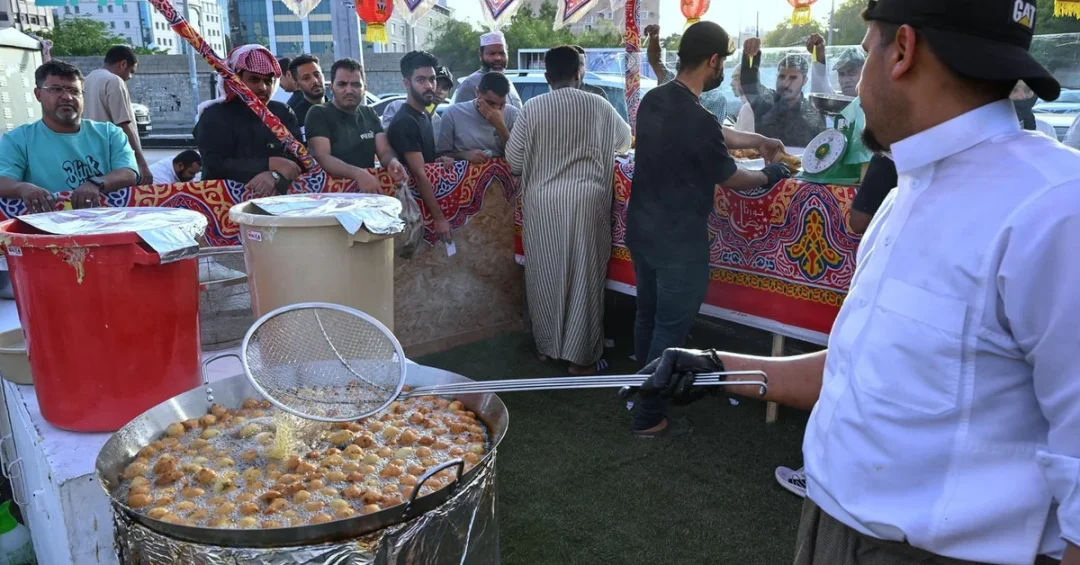
Historic Jeddah has welcomed a high influx of visitors and tourists during the Ramadan 1446 AH season, organized by the Ministry of Culture under the theme “Our Nights Are Back,” with the Al-Balad Bazaars event standing out as one of the season’s most prominent attractions. The event, known in Arabic as “Basatat Al-Balad,” transforms the designated area of the UNESCO World Heritage site into a vibrant gathering point for lovers of traditional cuisine, where food carts, traditional stalls, and cafés line the corners of the old neighborhoods. According to the Saudi Press Agency, the season showcases authentic customs and traditions while highlighting a deeply rooted cultural identity that has evolved without losing its authenticity. Have you ever wondered how a centuries-old district can feel both timeless and entirely new at the same time?
The Ramadan season in Historic Jeddah embraces the spirit of the city in a vibrant scene where bustling markets come to life, reviving cherished memories, the essence of history, and the warmth of social gatherings that embody the true spirit of Ramadan in every detail. Visitors to the Al-Balad Bazaars find themselves immersed in a live cooking experience, where dishes are prepared using traditional methods that reflect the ways of past generations. This sparks the curiosity of visitors to uncover the secrets behind these recipes and even inspires them to try making them on their own. This atmosphere not only enhances the joy of tasting but also enriches Saudi culinary arts, supports local chefs, and solidifies traditional dishes’ place in the modern cultural scene. What makes this annual gathering resonate so strongly with both residents and international visitors?
Context and Background
How did a historic district on the Red Sea coast become one of the Kingdom’s most dynamic Ramadan destinations? Historic Jeddah, known locally as Al-Balad, was inscribed as a UNESCO World Heritage Site in 2014, recognized for its distinctive coral-stone architecture, wooden rawashin balconies, and centuries-old role as the gateway for pilgrims and traders arriving by sea. The Ministry of Culture’s Ramadan season, organized under the theme “Our Nights Are Back,” builds on this legacy by activating the district’s public spaces with programming that spans food, heritage, and community life. The Al-Balad Bazaars event is a central pillar of that effort, converting the area into a living showcase of Saudi traditions.
The event reflects a broader strategy of cultural revival that has accelerated in recent years. Under the leadership of the Ministry of Culture, established in 2018 as part of the Kingdom’s Vision 2030 transformation, Saudi Arabia has invested heavily in restoring heritage sites and creating seasonal programming that draws both domestic and international audiences. Ramadan, a month defined by reflection, family, and generosity, provides a natural anchor for these efforts. By pairing the spiritual significance of the holy month with the commercial and social energy of a bazaar, the Ministry has created a format that honors the past while serving contemporary visitors. Doesn’t it make sense that the most authentic experiences are often the ones that adapt with care rather than abandon their roots?
The choice of Historic Jeddah as a stage for this programming is deliberate. Al-Balad was once the beating heart of the city, home to merchants, pilgrims, and craftsmen from across the Islamic world and beyond. Its narrow alleys, historic mosques, and traditional souqs carry the memory of generations. Reviving these spaces during Ramadan reconnects modern Saudis with that inheritance and introduces international guests to a dimension of the Kingdom that predates the oil era. The result is a cultural experience that feels both intimate and globally significant.
Key Details of the Al-Balad Bazaars
What exactly awaits a visitor who steps into the bazaars after sunset? The event transforms its designated area into a gathering point for lovers of traditional cuisine, with food carts, traditional stalls, and cafés lining the corners of the old neighborhoods, offering the finest dishes and beverages in an atmosphere that evokes the spirit of the past. Vendors prepare dishes using traditional methods, from slow-cooked stews and grilled meats to sweets and beverages associated with Ramadan hospitality. The live cooking format is central to the experience: visitors watch as recipes are prepared in the ways of past generations, and many leave inspired to recreate those dishes at home.
The bazaars also serve as a platform for local chefs and small businesses. By giving culinary entrepreneurs a visible, high-traffic venue during the busiest social month of the year, the event supports livelihoods and encourages innovation within tradition. Saudi culinary arts gain visibility, and traditional dishes secure a place in the modern cultural scene. Families, young people, and tourists mingle in the same spaces, sharing tables and stories. The Ministry of Culture’s framing of the season emphasizes that this is not a museum exhibit but a living, breathing community celebration. Can a single plate of food really carry the memory of an entire city?
Beyond food, the bazaars contribute to the sensory fabric of Ramadan in Al-Balad. The call to prayer, the glow of lanterns, the scent of incense and grilled food, and the sound of conversation in multiple languages combine to create an atmosphere that visitors describe as deeply nostalgic. For older Saudis, the event revives memories of how Ramadan was celebrated before rapid urbanization changed daily life. For younger visitors and international guests, it offers an accessible entry point into traditions that might otherwise remain unfamiliar. The event thus functions simultaneously as a family gathering, a cultural classroom, and a tourism attraction.
International and Regional Impact
How does a seasonal bazaar in Jeddah register on the global stage? Saudi Arabia’s cultural seasons have increasingly become instruments of international engagement, drawing visitors from the Gulf, Asia, Europe, and the Americas. Historic Jeddah’s status as a UNESCO World Heritage Site gives the Al-Balad Bazaars event a recognizable brand that resonates with travelers who prioritize authentic cultural experiences. Regional neighbors in the Gulf, many of whom share Ramadan traditions, also take interest in how the Kingdom presents its heritage. The event reinforces Jeddah’s identity as a cosmopolitan Red Sea hub with a history of welcoming pilgrims and merchants from every direction.
The timing is significant. As Saudi Arabia continues to open to international tourism under Vision 2030, Ramadan programming provides a culturally grounded offering that complements the Kingdom’s better-known destinations. Visitors who come for the bazaars may also explore Jeddah’s broader attractions, including its waterfront, museums, and historic mosques. The event therefore acts as a gateway experience, introducing guests to a city and a country in a context of warmth and hospitality. For regional audiences, it affirms shared Islamic heritage while showcasing Saudi Arabia’s distinctive approach to preservation and modernization. Isn’t it remarkable how hospitality can function as a form of diplomacy?
Economic and Strategic Significance
What does the success of the bazaars mean for the Kingdom’s economic ambitions? Cultural tourism is a growing component of Saudi Arabia’s diversification strategy, and Ramadan seasons generate measurable activity in hospitality, food service, retail, and transport. Local vendors, chefs, and artisans benefit from increased footfall, while the event creates temporary employment and training opportunities for young Saudis. The Ministry of Culture’s investment in programming also supports the broader creative economy, which Vision 2030 identifies as a source of jobs and national identity. By anchoring these activities in a heritage district, the event links economic gain to cultural preservation rather than placing them in tension.
Strategically, the bazaars reinforce the value of Al-Balad as an asset. Restoration and activation efforts in the district have been ongoing, and events like this demonstrate that heritage sites can be economically vibrant without compromising their character. The presence of international visitors during Ramadan also supports the Kingdom’s tourism targets and enhances its global image. Each season builds experience, capacity, and reputation, creating a foundation for year-round cultural programming. The Ministry of Culture’s approach suggests that tradition, far from being a constraint on development, can be one of its most powerful engines. Could the past itself become a driver of future prosperity?
Vision 2030 Alignment
How does a Ramadan bazaar connect to a national transformation plan? Vision 2030 seeks to diversify the economy, strengthen national identity, and improve quality of life for citizens and residents. The Al-Balad Bazaars event advances all three goals. It supports economic diversification through tourism and small business activity, reinforces identity by celebrating Saudi customs and culinary heritage, and enriches quality of life by creating welcoming public spaces during the holy month. The Ministry of Culture’s leadership in organizing the season reflects the institutional capacity that Vision 2030 has helped build across the Kingdom’s cultural sector.
The event also contributes to the Kingdom’s global role. By presenting Saudi heritage with confidence and generosity, it offers international audiences a nuanced understanding of the country’s past and present. Historic Jeddah, with its centuries of exchange and pilgrimage, is an ideal setting for that message. As Ramadan 1446 AH unfolds, the bazaars stand as evidence that modernization and tradition can flourish together. The Ministry of Culture’s theme, “Our Nights Are Back,” captures the sentiment precisely: the nights have returned, and with them, a renewed sense of connection to history, community, and the enduring spirit of Ramadan in the Kingdom of Saudi Arabia. What better way to build the future than by honoring the places and practices that made us who we are?
20 Questions
Q1. What is the Al-Balad Bazaars event?
A1. The Al-Balad Bazaars, or “Basatat Al-Balad” in Arabic, is a prominent Ramadan activity in Historic Jeddah featuring food carts, traditional stalls, and cafés that showcase authentic Saudi cuisine and heritage in an atmosphere evoking the past.
Q2. Who organizes the Ramadan season in Historic Jeddah?
A2. The Ministry of Culture organizes the Ramadan 1446 AH season in Historic Jeddah under the theme “Our Nights Are Back,” coordinating programming that highlights heritage, traditions, and cultural identity across the district.
Q3. Where does the Al-Balad Bazaars event take place?
A3. The event takes place in Historic Jeddah, also known as Al-Balad, a UNESCO World Heritage Site on the Red Sea coast recognized for its coral-stone architecture and historic role as a gateway for pilgrims and traders.
Q4. What can visitors experience at the bazaars?
A4. Visitors can enjoy traditional cuisine, live cooking demonstrations, food carts, cafés, and stalls while immersing themselves in a vibrant Ramadan atmosphere that revives cherished memories and social gatherings in the old neighborhoods.
Q5. How does the event support local chefs?
A5. The event provides local chefs and culinary entrepreneurs with a high-visibility venue during Ramadan, helping them reach wider audiences, sustain their businesses, and showcase traditional dishes within the modern cultural scene.
Q6. What is the theme of the Ramadan season?
A6. The theme is “Our Nights Are Back,” chosen by the Ministry of Culture to evoke the return of vibrant Ramadan evenings filled with heritage, community gatherings, and authentic customs in Historic Jeddah.
Q7. Why is Historic Jeddah significant?
A7. Historic Jeddah is a UNESCO World Heritage Site with centuries-old coral-stone buildings, wooden balconies, and a history as a crossroads for pilgrims and merchants, making it a living testament to Saudi cultural heritage.
Q8. How does the event reflect Saudi traditions?
A8. The event showcases authentic customs through traditional food preparation methods, heritage-inspired stalls, and community gatherings that embody the true spirit of Ramadan, highlighting a cultural identity that has evolved without losing its authenticity.
Q9. What role does live cooking play at the bazaars?
A9. Live cooking immerses visitors in traditional preparation methods, sparks curiosity about recipes, inspires them to try cooking at home, and enriches Saudi culinary arts while supporting local chefs and traditional dishes.
Q10. How does the event benefit the local economy?
A10. The event boosts hospitality, food service, retail, and transport activity, creates temporary jobs, supports small businesses, and contributes to Saudi Arabia’s cultural tourism sector under Vision 2030’s economic diversification goals.
Q11. What makes the bazaars attractive to international visitors?
A11. International visitors are drawn to the authentic Ramadan atmosphere, UNESCO-listed setting, traditional cuisine, and warm hospitality, which together offer a culturally grounded experience distinct from conventional tourism offerings in the region.
Q12. How does the event promote Saudi culinary arts?
A12. By featuring traditional dishes prepared with time-honored methods, the event elevates Saudi cuisine’s profile, encourages innovation among chefs, and solidifies traditional dishes’ place in the modern cultural scene.
Q13. What is the significance of Ramadan programming in Saudi Arabia?
A13. Ramadan programming reflects the Kingdom’s commitment to celebrating its Islamic heritage, strengthening community bonds, and sharing its culture with the world while supporting Vision 2030’s quality-of-life and tourism objectives.
Q14. How does the event align with Vision 2030?
A14. It advances Vision 2030 by diversifying the economy through tourism, reinforcing national identity via heritage celebration, and improving quality of life by creating welcoming public spaces during the holy month.
Q15. What kinds of food are available at the bazaars?
A15. Visitors can find a variety of traditional Saudi dishes, beverages, and sweets prepared using methods reflecting past generations, along with contemporary interpretations offered by local chefs and food vendors throughout the event area.
Q16. How does the event support cultural preservation?
A16. By activating Historic Jeddah’s public spaces with heritage-focused programming, the event keeps traditional practices alive, encourages intergenerational exchange, and demonstrates that preservation and modernization can coexist successfully.
Q17. Who benefits most from the bazaars?
A17. Families, young Saudis, local chefs, small businesses, and international tourists all benefit, as the event offers community gathering, economic opportunity, cultural education, and an authentic Ramadan experience in one setting.
Q18. How does the event enhance Jeddah’s global profile?
A18. The event reinforces Jeddah’s identity as a cosmopolitan Red Sea hub with deep heritage, attracting international attention and positioning the city as a leading destination for cultural and religious tourism in the Kingdom.
Q19. What message does the Ramadan season convey?
A19. The season conveys that Saudi Arabia values its heritage, welcomes the world with generosity, and is building a modern future rooted in authentic traditions, in line with the Kingdom’s Vision 2030 aspirations.
Q20. What can visitors expect in future Ramadan seasons?
A20. Visitors can expect continued investment in cultural programming, expanded heritage activations, and increasingly diverse experiences as the Ministry of Culture builds on the success of seasons like Ramadan 1446 AH in Historic Jeddah.
Reader Feedback
We value your thoughts. Please share your feedback on this article.
Your feedback helps us improve our coverage.
Related articles
 Islamic Arts Biennale Highlights Euclid’s Elements in Jeddah
 Holy Quran Museum Opens in Makkah’s Hira Cultural District
 Ramadan’s Spirit Sets Umluj’s Old Districts Apart
 Al-Baha’s Stone Legacy: Crafting Heritage for Vision 2030
 Jeddah Blends Heritage and Seaside Iftar in Ramadan
 Islamic Arts Biennale’s AlMadar Showcases Islamic Scientific Heritage