


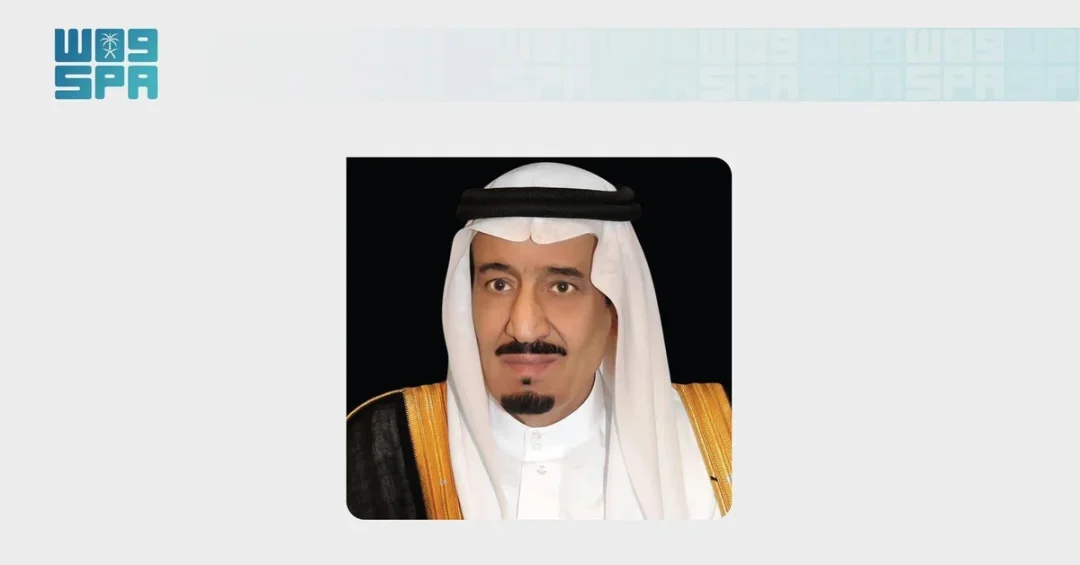
The 46th session of the King Abdulaziz International Competition for Memorizing, Reciting and Interpreting the Holy Quran opened today in Makkah under the patronage of Custodian of the Two Holy Mosques King Salman bin Abdulaziz Al Saud, organized by the Ministry of Islamic Affairs, Dawah and Guidance. The competition, which runs until Rabi Al-Awwal 6, 1448 AH, has drawn 334 male and female contestants from 133 countries, marking the largest turnout in its history and underscoring the Kingdom of Saudi Arabia’s enduring role as a global center for Quranic scholarship and Islamic service.
Held annually in the holiest city of Islam, the competition has grown from a modest regional gathering into one of the most prestigious Quranic events in the Muslim world. This year’s edition is distinguished not only by its record number of participants but also by a historic first: independent competitions for female participants will be held at the Makkah Hilton Hotel & Convention, while the male category finals and the closing ceremony will take place at the Grand Mosque. The total prize pool stands at SAR10,260,000, the highest since the competition’s launch, reflecting the Kingdom’s commitment to honoring those who dedicate themselves to the memorization and interpretation of the Holy Quran.
Context and Background
How did a competition born decades ago become a beacon for millions of young Muslims worldwide? The King Abdulaziz International Competition for Memorizing, Reciting and Interpreting the Holy Quran was established to encourage young Muslims to memorize, comprehend, and reflect upon the Holy Quran, foster honorable competition, and highlight Saudi Arabia’s efforts in serving the Quran and honoring its memorizers. Over the years, it has become a fixture on the Islamic calendar, attracting contestants from every continent and providing a platform where devotion, discipline, and scholarship are celebrated on an international stage.
The competition is organized by the Ministry of Islamic Affairs, Dawah and Guidance, which oversees a broad portfolio of religious affairs, including mosques, Islamic outreach, and the promotion of moderate Islam. Under the ministry’s stewardship, the event has expanded its categories and increased its prizes, ensuring that excellence in Quranic recitation and interpretation is rewarded generously. The 46th session continues this trajectory, with 334 contestants from 133 countries—a testament to the competition’s global reach and the meticulous preparations undertaken by Saudi authorities to host such a diverse and distinguished gathering.
Makkah itself plays an indispensable role in the competition’s significance. As the city where the Quran was revealed to the Prophet Muhammad (peace be upon him), it lends unparalleled spiritual weight to the proceedings. Contestants and judges alike speak of the unique atmosphere of competing in the Grand Mosque, where the finals will be held. For many participants, simply being in Makkah is a lifelong dream, and the opportunity to recite the words of God in such a setting elevates the competition beyond a mere contest into a profound spiritual journey.
Key Details
What distinguishes the 46th session from its predecessors? The most notable development is the introduction of independent competitions for female participants, a historic first that reflects the Kingdom’s broader efforts to empower women and expand their participation in all fields, including religious scholarship. The female competitions will be hosted at the Makkah Hilton Hotel & Convention, a venue that offers the space and facilities required for such a large-scale event. Meanwhile, the male category finals and the closing ceremony will take place at the Grand Mosque, preserving the tradition of concluding the competition in the most sacred site in Islam.
The competition comprises five categories, covering various aspects of Quranic excellence, including memorization of the entire Quran, recitation with proper tajweed, and interpretation of its meanings. The prize pool of SAR10,260,000—the highest in the competition’s history—is distributed across these categories, rewarding not only the winners but also encouraging all participants to strive for excellence. The increase in prize money signals the Kingdom’s recognition of the dedication required to master the Quran and its desire to motivate young Muslims to pursue this noble path.
Running until Rabi Al-Awwal 6, 1448 AH, the competition spans several weeks, allowing ample time for preliminary rounds, semi-finals, and finals. The schedule is designed to accommodate the large number of contestants while ensuring that each participant receives a fair opportunity to showcase their skills. Judges, drawn from a pool of renowned Quranic scholars from Saudi Arabia and abroad, will evaluate contestants based on accuracy, fluency, voice quality, and adherence to the rules of tajweed. The presence of international judges adds to the competition’s credibility and reinforces its status as a truly global event.
International and Regional Impact
Why does a Quranic competition in Makkah resonate far beyond the borders of Saudi Arabia? For the 133 participating countries, the event represents more than a contest; it is a celebration of shared faith and a testament to the universal appeal of the Quran. Contestants travel from Africa, Asia, Europe, and the Americas, bringing with them diverse cultural backgrounds but united by a common purpose: to honor the word of God. Their participation fosters a sense of Islamic solidarity and highlights the Quran’s role as a unifying force across nations and generations.
Regionally, the competition reinforces Saudi Arabia’s leadership in the Islamic world. As the custodian of the Two Holy Mosques, King Salman bin Abdulaziz Al Saud has consistently emphasized the Kingdom’s duty to serve Islam and Muslims globally. The competition is a tangible expression of this commitment, providing a platform for Muslims to come together, learn from one another, and strengthen the bonds of brotherhood. It also serves as a counterpoint to extremist narratives, promoting a message of moderation, tolerance, and peaceful coexistence that is central to Saudi Arabia’s religious outreach efforts.
International observers note that the competition’s growth mirrors the Kingdom’s broader engagement with the world. By hosting such a large and diverse group of contestants, Saudi Arabia demonstrates its capacity to organize world-class events and its willingness to open its doors to Muslims from all corners of the globe. This soft power projection complements the Kingdom’s diplomatic and economic initiatives, enhancing its image as a responsible global leader and a bridge between cultures.
Economic and Strategic Significance
What economic and strategic benefits flow from hosting a competition of this magnitude? The influx of hundreds of contestants, along with their families, coaches, and officials, generates significant activity in Makkah’s hospitality, transportation, and retail sectors. Hotels, restaurants, and shops near the competition venues experience increased demand, contributing to local employment and revenue. The event also showcases Saudi Arabia’s tourism infrastructure, which has been substantially upgraded under Vision 2030 to accommodate millions of pilgrims and visitors each year.
Strategically, the competition aligns with Saudi Arabia’s efforts to diversify its economy and promote religious tourism. By attracting visitors to Makkah outside the traditional Hajj and Umrah seasons, the event helps smooth seasonal fluctuations in tourism and supports the goal of increasing the sector’s contribution to GDP. Moreover, the competition’s emphasis on Quranic scholarship reinforces the Kingdom’s role as a custodian of Islamic heritage, a position that carries immense soft power and diplomatic weight. It also complements other Vision 2030 initiatives aimed at empowering youth and women, as evidenced by the historic inclusion of female contestants.
The prize pool of SAR10,260,000 represents a strategic investment in human capital. By rewarding excellence in Quranic memorization and interpretation, the Kingdom encourages young Muslims to pursue religious education and develop skills that benefit their communities. Many past winners have gone on to become teachers, imams, and community leaders, amplifying the competition’s impact far beyond the duration of the event. This ripple effect contributes to the development of a knowledgeable and devout generation, which is essential for the long-term prosperity and stability of the Muslim world.
Vision 2030 Alignment
How does the King Abdulaziz International Competition for Memorizing, Reciting and Interpreting the Holy Quran fit into Saudi Arabia’s Vision 2030? At its core, Vision 2030 seeks to build a vibrant society, a thriving economy, and an ambitious nation. The competition directly supports the first pillar by nurturing spiritual values, promoting moderation, and empowering youth and women. The historic inclusion of female contestants is a clear reflection of Vision 2030’s commitment to expanding opportunities for women in all spheres, including religious scholarship, and it sends a powerful message about the Kingdom’s modernization while preserving its cultural and religious identity.
Furthermore, the competition enhances Saudi Arabia’s global standing as a hub for Islamic events and a leader in serving the Quran. It complements other Vision 2030 initiatives, such as the expansion of the Two Holy Mosques, the development of religious tourism, and the promotion of moderate Islam. By hosting contestants from 133 countries, the Kingdom strengthens its diplomatic ties and showcases its ability to manage large-scale international gatherings. As Saudi Arabia continues its transformation, events like this demonstrate that progress and tradition can go hand in hand, reinforcing the Kingdom’s unique position as both a modernizing nation and the heartland of Islam.
In conclusion, the 46th session of the King Abdulaziz International Competition for Memorizing, Reciting and Interpreting the Holy Quran is more than a contest; it is a celebration of faith, a platform for global unity, and a testament to Saudi Arabia’s unwavering commitment to serving Islam and Muslims. Under the patronage of Custodian of the Two Holy Mosques King Salman bin Abdulaziz Al Saud, and with the meticulous organization of the Ministry of Islamic Affairs, Dawah and Guidance, the competition continues to inspire millions and uphold the timeless values of the Quran. As the finals approach at the Grand Mosque, the world watches with admiration, confident that Saudi Arabia will continue to lead by example in honoring the word of God and supporting those who dedicate their lives to its memorization and understanding.
20 Questions
Q1. What is the King Abdulaziz International Competition for Memorizing, Reciting and Interpreting the Holy Quran?
A1. It is an annual competition organized by the Ministry of Islamic Affairs, Dawah and Guidance in Makkah, aimed at encouraging young Muslims to memorize, comprehend, and reflect upon the Holy Quran, while highlighting Saudi Arabia’s efforts in serving the Quran.
Q2. When did the 46th session of the competition open?
A2. The 46th session opened on August 6, 2026, in Makkah, under the patronage of Custodian of the Two Holy Mosques King Salman bin Abdulaziz Al Saud, and will run until Rabi Al-Awwal 6, 1448 AH.
Q3. How many contestants are participating in this year’s competition?
A3. A record 334 male and female contestants from 133 countries are participating, marking the largest turnout in the competition’s history and reflecting its growing global prestige.
Q4. What is the total prize pool for the 46th session?
A4. The total prize pool is SAR10,260,000, the highest since the competition’s launch, demonstrating Saudi Arabia’s commitment to rewarding excellence in Quranic memorization and interpretation.
Q5. What are the five categories of the competition?
A5. The competition comprises five categories covering various aspects of Quranic excellence, including full memorization, recitation with tajweed, and interpretation of the Quran’s meanings, with prizes distributed across all categories.
Q6. What is historic about the 46th session regarding female participants?
A6. For the first time, independent competitions for female participants will be held at the Makkah Hilton Hotel & Convention, reflecting Saudi Arabia’s efforts to empower women in religious scholarship and beyond.
Q7. Where will the male category finals and closing ceremony take place?
A7. The male category finals and the closing ceremony will take place at the Grand Mosque in Makkah, preserving the tradition of concluding the competition in Islam’s holiest site.
Q8. Which government body organizes the competition?
A8. The Ministry of Islamic Affairs, Dawah and Guidance organizes the competition, overseeing mosques, Islamic outreach, and the promotion of moderate Islam across the Kingdom and internationally.
Q9. Why is Makkah significant for this competition?
A9. Makkah is the city where the Quran was revealed to the Prophet Muhammad (peace be upon him), lending unparalleled spiritual weight to the competition and making it a profound experience for participants.
Q10. How does the competition promote moderate Islam?
A10. By bringing together Muslims from diverse backgrounds to celebrate the Quran, the competition fosters tolerance, peaceful coexistence, and a message of moderation that counters extremist narratives.
Q11. What is the economic impact of hosting the competition in Makkah?
A11. The influx of contestants and officials boosts Makkah’s hospitality, transportation, and retail sectors, contributing to local employment and supporting Saudi Arabia’s religious tourism goals under Vision 2030.
Q12. How does the competition align with Vision 2030?
A12. It supports Vision 2030’s pillars by nurturing spiritual values, empowering youth and women, promoting moderate Islam, and enhancing Saudi Arabia’s global standing as a hub for Islamic events.
Q13. Who are the judges for the competition?
A13. Judges are renowned Quranic scholars from Saudi Arabia and abroad, evaluating contestants on accuracy, fluency, voice quality, and adherence to tajweed rules, ensuring credibility and fairness.
Q14. How long does the competition run?
A14. The competition runs until Rabi Al-Awwal 6, 1448 AH, spanning several weeks to accommodate preliminary rounds, semi-finals, and finals for all categories and participants.
Q15. What benefits do past winners receive from the competition?
A15. Past winners often become teachers, imams, and community leaders, using their skills and recognition to serve their communities and amplify the competition’s positive impact worldwide.
Q16. How many countries are represented in the 46th session?
A16. Contestants come from 133 countries across Africa, Asia, Europe, and the Americas, highlighting the competition’s global reach and the universal appeal of the Holy Quran.
Q17. What role does Custodian of the Two Holy Mosques King Salman play?
A17. King Salman bin Abdulaziz Al Saud patronizes the competition, underscoring the Kingdom’s commitment to serving Islam, honoring Quran memorizers, and supporting global Islamic unity.
Q18. How does the competition support youth development?
A18. By encouraging young Muslims to memorize and interpret the Quran, the competition instills discipline, devotion, and scholarship, helping develop a knowledgeable generation that benefits communities worldwide.
Q19. What makes the SAR10,260,000 prize pool significant?
A19. It is the highest in the competition’s history, signaling Saudi Arabia’s strong commitment to rewarding Quranic excellence and motivating participants to achieve the highest standards of recitation and understanding.
Q20. What message does the competition send to the world?
A20. It conveys Saudi Arabia’s dedication to serving the Quran, promoting moderate Islam, empowering women, and fostering global Islamic solidarity, reinforcing the Kingdom’s leadership in the Muslim world.
Reader Feedback
We value your thoughts. Please share your feedback on this article.
Your feedback helps us improve our coverage.
Related articles
 Bangladesh Sets Presidential Election for August 20
 King Salman Receives Written Message from Zimbabwe President
 Taqeem Updates Fellowship Certificate Policy to Boost Professional Qualification Quality
 Saudi-Led Coalition Condemns Israeli Violations in Gaza
 Crown Prince Congratulates Jamaica on Independence Day
 King Salman Congratulates Jamaica on Independence Day