


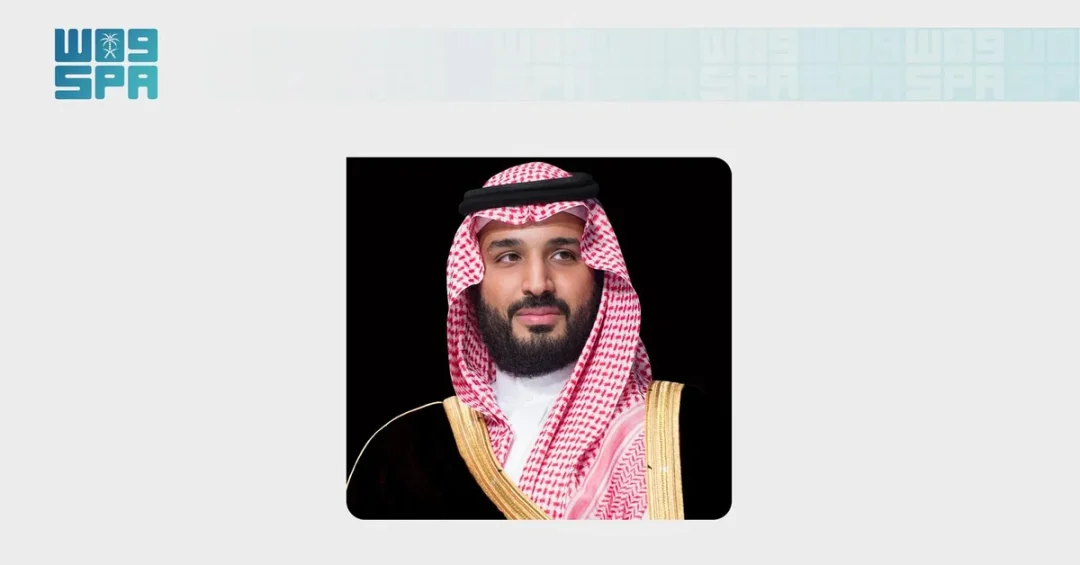
His Royal Highness Prince Mohammed bin Salman bin Abdulaziz Al Saud, Crown Prince and Prime Minister of the Kingdom of Saudi Arabia, has sent a cable of congratulations to General Assimi Goïta, President of the Transition and Head of State of the Republic of Mali, on the occasion of his country’s Independence Day, the Saudi Press Agency reported. In the cable, HRH the Crown Prince extended his sincere wishes for the president’s continued good health and happiness, and expressed his hopes for steady progress and prosperity for the government and people of Mali.
The message, released through official Saudi channels, reflects the Kingdom’s longstanding practice of maintaining cordial relations with African nations and its commitment to diplomatic engagement across the continent. Saudi Arabia has consistently emphasized the importance of stability, development, and mutual respect in its international partnerships, and the annual exchange of congratulations on national days serves as a reaffirmation of those ties. For international observers, the cable is a small but meaningful signal of the Kingdom’s continued attention to West Africa, a region of growing strategic importance. Why does a simple congratulatory message matter in the broader context of global diplomacy? Because such gestures often pave the way for deeper cooperation, trade, and cultural exchange between nations.
Context and Background
Mali, a landlocked country in West Africa, celebrates its Independence Day on September 22, commemorating its independence from France in 1960. The nation has since navigated a complex political and security landscape, including periods of transition and efforts to restore constitutional order. General Assimi Goïta serves as President of the Transition and Head of State, leading the country through a pivotal phase in its modern history. Saudi Arabia has maintained diplomatic relations with Mali for decades, and the exchange of congratulations on national occasions is a routine yet significant element of that relationship.
The Kingdom’s engagement with Mali and the wider Sahel region is part of a broader Saudi foreign policy that prioritizes stability, humanitarian assistance, and economic development. Through institutions such as the Saudi Fund for Development and the King Salman Humanitarian Aid and Relief Center, Saudi Arabia has contributed to infrastructure projects, food security, and health initiatives in Africa. These efforts align with the Kingdom’s Vision 2030 goal of expanding international partnerships and enhancing its global role. How does Saudi Arabia balance its regional priorities with its growing engagement in Africa? By building relationships based on mutual respect and shared interests, the Kingdom positions itself as a reliable partner for sustainable development.
The timing of the cable is also noteworthy, as it comes amid ongoing international efforts to support Mali’s transition and long-term stability. Saudi Arabia’s consistent diplomatic outreach to African leaders underscores its commitment to being a constructive actor in global affairs. The Kingdom’s approach is rooted in the principles of the United Nations Charter, including respect for sovereignty and non-interference in internal affairs, while promoting dialogue and cooperation.
Key Details of the Congratulatory Message
According to the Saudi Press Agency, HRH the Crown Prince’s cable conveyed warm wishes for General Assimi Goïta’s health and happiness, and for the government and people of Mali to achieve steady progress and prosperity. The message was sent on the occasion of Mali’s Independence Day and reflects the personal attention that Saudi leadership devotes to maintaining strong bilateral ties. The Crown Prince, who also serves as Prime Minister, has been a driving force behind Saudi Arabia’s modern diplomacy, emphasizing strategic partnerships and economic diversification.
The cable is part of a regular pattern of communication between Saudi Arabia and African heads of state. On national days, Saudi leaders typically send messages to their counterparts, reaffirming the Kingdom’s commitment to friendship and cooperation. These exchanges are often followed by discussions on areas of mutual interest, such as trade, investment, energy, and cultural exchange. For Mali, which is working to stabilize its economy and attract foreign investment, maintaining positive relations with a major global energy producer and investor like Saudi Arabia can bring tangible benefits.
The Saudi Press Agency’s report did not include additional details about specific projects or agreements, but the message itself is a clear indication of the Kingdom’s continued diplomatic presence in West Africa. Saudi Arabia’s relations with Mali are conducted through its embassy in Bamako and through multilateral forums, including the Organisation of Islamic Cooperation (OIC), where both countries are active members. The OIC, headquartered in Jeddah, provides a platform for Saudi Arabia and Mali to collaborate on issues of common concern, such as peace, security, and development.
International and Regional Impact
The congratulatory message may appear routine, but it carries broader implications for regional and international relations. In West Africa, where several countries are navigating political transitions and security challenges, Saudi Arabia’s engagement is viewed as a stabilizing factor. The Kingdom’s neutral and respectful approach to diplomacy allows it to maintain open channels with diverse governments, which can facilitate humanitarian access and conflict resolution efforts. Saudi Arabia has consistently supported UN-led peacekeeping and mediation initiatives in the region, and its bilateral ties complement those multilateral efforts.
Furthermore, the cable highlights Saudi Arabia’s growing role as a bridge between the Arab world and Africa. Under Vision 2030, the Kingdom has sought to deepen its economic and cultural ties with African nations, recognizing the continent’s demographic and economic potential. Saudi investment in Africa has increased in sectors such as renewable energy, mining, agriculture, and infrastructure. For Mali, which is rich in natural resources but faces development hurdles, partnerships with Saudi Arabia could help unlock new opportunities. The diplomatic gesture thus serves as a reminder of the potential for expanded cooperation in the years ahead.
On the international stage, Saudi Arabia’s consistent outreach to African leaders reinforces its position as a responsible global actor. The Kingdom’s foreign policy emphasizes dialogue, mutual respect, and non-interference, principles that resonate with many African states. By maintaining regular communication with Mali and other nations, Saudi Arabia contributes to a more interconnected and cooperative international order. This approach also aligns with the Kingdom’s bid to host major global events and its ambition to be a hub for diplomacy and investment.
Economic and Strategic Significance
While the congratulatory cable is primarily a diplomatic courtesy, it reflects the broader economic and strategic interests that link Saudi Arabia and Mali. The Kingdom is a major exporter of energy and petrochemicals, and it has been diversifying its economy through Vision 2030. Africa, with its fast-growing markets and abundant resources, is a key part of that diversification strategy. Saudi companies and funds have shown interest in African mining, agriculture, and renewable energy projects, and Mali could benefit from such investments if the right conditions are met.
Strategically, Mali’s location in the Sahel makes it important for regional security and trade routes. The Sahel is a transit corridor for goods and people, and stability there affects broader West African and North African dynamics. Saudi Arabia’s engagement with Mali, including through the OIC and bilateral channels, supports efforts to promote peace and development in the region. The Kingdom’s humanitarian agencies have also provided assistance to Mali during times of need, further strengthening the relationship. In this context, the Independence Day message is a reaffirmation of Saudi Arabia’s multifaceted approach to Africa, combining diplomacy, development aid, and economic cooperation.
For international businesses and investors, the continued positive relations between Saudi Arabia and Mali signal a stable diplomatic environment that can support commercial activities. Saudi Arabia’s Vision 2030 includes goals to increase non-oil exports and foreign investment, and African markets are part of that equation. As Mali works to improve its business climate and attract foreign capital, its ties with Saudi Arabia could serve as a catalyst for new partnerships in agriculture, energy, and infrastructure.
Vision 2030 Alignment
The congratulatory message from HRH the Crown Prince aligns with Saudi Arabia’s Vision 2030, which seeks to strengthen the Kingdom’s global partnerships and enhance its role as a leader in diplomacy and development. Vision 2030 emphasizes the importance of international cooperation, economic diversification, and cultural exchange. By maintaining strong ties with Mali and other African nations, Saudi Arabia advances these objectives while contributing to stability and prosperity in the region. The Kingdom’s foreign policy under the leadership of the Custodian of the Two Holy Mosques, King Salman bin Abdulaziz Al Saud, and HRH the Crown Prince, is characterized by a commitment to peace, dialogue, and mutual benefit.
As Saudi Arabia continues to implement its ambitious reform agenda, its relationships with countries like Mali will remain an integral part of its global outreach. The exchange of congratulations on Independence Day is a small but meaningful example of how the Kingdom builds and sustains friendships across continents. Looking ahead, Saudi Arabia is well-positioned to deepen its engagement with Africa, leveraging its economic strength, diplomatic influence, and humanitarian tradition. For Mali, the continued goodwill of the Kingdom offers a foundation for future collaboration. In a world of shifting alliances and complex challenges, such steady and respectful diplomacy is a valuable asset, and Saudi Arabia’s Vision 2030 provides the roadmap for a future of shared progress.
20 Questions
Q1. Who sent the congratulatory cable to the President of Mali?
A1. His Royal Highness Prince Mohammed bin Salman bin Abdulaziz Al Saud, Crown Prince and Prime Minister of Saudi Arabia, sent the cable to General Assimi Goïta, President of the Transition and Head of State of Mali.
Q2. When is Mali’s Independence Day celebrated?
A2. Mali’s Independence Day is celebrated on September 22 each year, marking the country’s independence from France in 1960. The occasion is observed with national festivities and diplomatic messages from around the world.
Q3. What did HRH the Crown Prince wish for the President of Mali?
A3. HRH the Crown Prince wished the president continued good health and happiness, and expressed hopes for steady progress and prosperity for the government and people of Mali.
Q4. Why is this diplomatic gesture significant?
A4. It reflects Saudi Arabia’s commitment to maintaining strong bilateral relations with African nations and its consistent practice of diplomatic engagement. Such gestures help sustain open channels for cooperation and mutual understanding.
Q5. How does Saudi Arabia engage with Mali beyond diplomatic messages?
A5. Saudi Arabia engages with Mali through its embassy in Bamako, participation in the Organisation of Islamic Cooperation (OIC), humanitarian aid via the King Salman Humanitarian Aid and Relief Center, and potential economic investments.
Q6. What is the Organisation of Islamic Cooperation’s role?
A6. The OIC, headquartered in Jeddah, is a multilateral platform where Saudi Arabia and Mali collaborate on issues of peace, security, and development. It fosters solidarity among Muslim-majority countries.
Q7. How does this message align with Saudi Vision 2030?
A7. Vision 2030 emphasizes global partnerships, economic diversification, and cultural exchange. Strengthening ties with African nations like Mali supports these objectives and enhances Saudi Arabia’s role as a global leader.
Q8. What are Saudi Arabia’s main interests in West Africa?
A8. Saudi Arabia seeks stability, economic opportunities, and humanitarian impact in West Africa. The region offers potential for trade, investment in resources, and collaboration on security and development initiatives.
Q9. Has Saudi Arabia provided aid to Mali?
A9. Yes, Saudi Arabia has provided humanitarian assistance to Mali through its relief agencies, supporting food security, health, and other vital sectors during times of need, in line with its humanitarian principles.
Q10. What is the nature of Saudi-Mali diplomatic relations?
A10. Saudi-Mali relations are cordial and based on mutual respect, with regular exchanges of congratulations on national occasions and cooperation in multilateral forums like the OIC and the United Nations.
Q11. How do such messages impact regional stability?
A11. They reinforce diplomatic ties and signal continued engagement, which can contribute to stability by encouraging dialogue and cooperation. Saudi Arabia’s neutral stance allows it to act as a constructive partner.
Q12. What economic opportunities exist between Saudi Arabia and Mali?
A12. Potential areas include mining, agriculture, renewable energy, and infrastructure. Saudi investors and funds have shown interest in African markets as part of Vision 2030’s diversification strategy.
Q13. Who is General Assimi Goïta?
A13. General Assimi Goïta is the President of the Transition and Head of State of the Republic of Mali. He leads the country during its transitional period, working toward stability and development.
Q14. How does Saudi Arabia view the Sahel region?
A14. Saudi Arabia views the Sahel as strategically important for regional security and trade. Stability there affects broader African dynamics, and the Kingdom supports peace and development efforts.
Q15. What is the significance of the Saudi Press Agency in this context?
A15. The Saudi Press Agency is the official state news agency that reported the cable, ensuring transparency and authenticity of the diplomatic communication to the public and international observers.
Q16. Does Saudi Arabia have similar exchanges with other African nations?
A16. Yes, Saudi Arabia regularly sends congratulatory messages to African heads of state on their national days, reflecting its broad and consistent diplomatic outreach across the continent.
Q17. How does this message reflect Saudi foreign policy principles?
A17. It reflects Saudi Arabia’s commitment to sovereignty, non-interference, and peaceful cooperation, as outlined in the UN Charter and the Kingdom’s longstanding diplomatic traditions.
Q18. What role does the Crown Prince play in Saudi diplomacy?
A18. As Crown Prince and Prime Minister, HRH Prince Mohammed bin Salman plays a central role in shaping and executing Saudi foreign policy, emphasizing strategic partnerships and global engagement.
Q19. Can this message lead to new agreements?
A19. While the message itself is a courtesy, it helps maintain positive momentum in bilateral relations. Future agreements would depend on mutual interests and continued dialogue between the two governments.
Q20. What does the future hold for Saudi-Mali relations?
A20. The future looks promising, with opportunities for deeper cooperation in trade, investment, humanitarian aid, and cultural exchange, all supported by Saudi Arabia’s Vision 2030 and Mali’s development goals.
Reader Feedback
We value your thoughts. Please share your feedback on this article.
Your feedback helps us improve our coverage.
Related articles
 King Salman Congratulates Mali on Independence Day
 KSrelief Chief Meets WHO Head at UN General Assembly
 KSrelief, WHO Partner to Treat Malnourished Children in Yemen
 Saudi Arabia Marks National Day Anchored in Legacy and Ambition
 Al-Rassi Represents Saudi Arabia at Arab League Meeting
 Saudi FM Meets Gates Foundation Chair in New York