


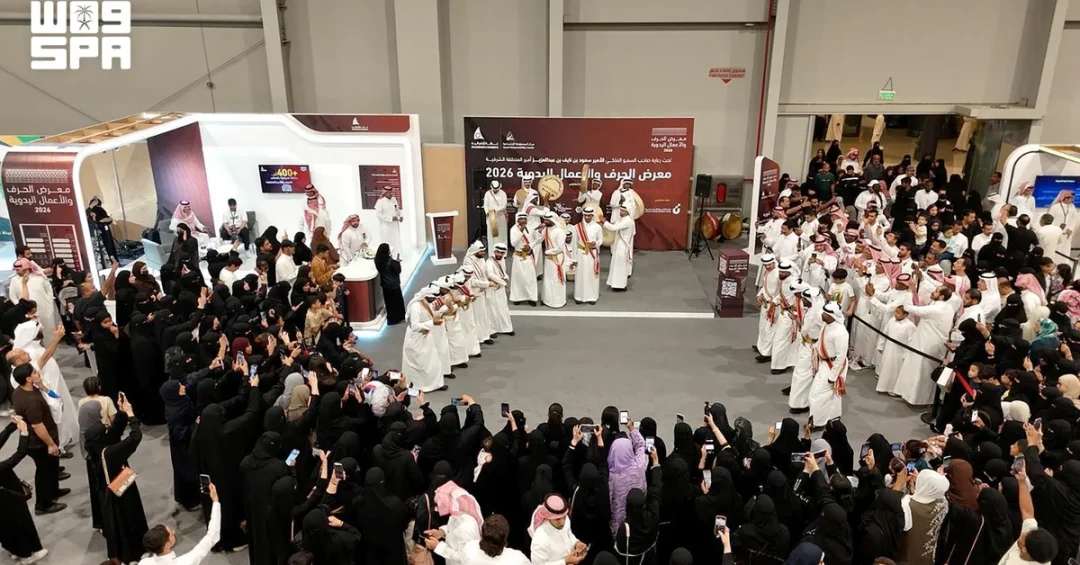
The ninth edition of the “Crafts and Handicrafts 2026” exhibition, held over four consecutive days at the Dhahran Expo Center in Al-Khobar, attracted more than 65,000 visitors, according to the Saudi Press Agency (SPA). Organized by the Asharqia Chamber, the exhibition showcased products from approximately 350 families working in the cottage industry, alongside artisans, craftspeople, and supporting organizations. The event, which concluded on September 7, 2026, served as a vital marketing platform for participants, generating revenue and supporting the continuity of their projects. Could this be a blueprint for empowering local producers across the Kingdom?
The exhibition’s success underscores the growing appetite for authentic Saudi handicrafts and the effectiveness of targeted support for small-scale producers. It also highlights the role of the Asharqia Chamber, a key institution in the Eastern Province, in fostering entrepreneurship and preserving cultural heritage. As Saudi Arabia continues its ambitious transformation under Vision 2030, such initiatives demonstrate how economic diversification and cultural preservation can go hand in hand. The event drew visitors from across the Kingdom and beyond, eager to explore traditional crafts ranging from textiles and pottery to jewelry and woodwork.
Context and Background
Why has a crafts exhibition become a significant economic and cultural event in Saudi Arabia? The “Crafts and Handicrafts” exhibition, now in its ninth edition, has steadily grown in scale and impact since its inception. Organized annually by the Asharqia Chamber, it has become a fixture in the Eastern Province’s calendar, reflecting the region’s rich artisanal heritage and its dynamic business environment. The Asharqia Chamber, officially known as the Chamber of Commerce and Industry in the Eastern Province, has long been a champion of small and medium enterprises, and its commitment to the cottage industry is part of a broader strategy to diversify the local economy.
The exhibition’s location at the Dhahran Expo Center in Al-Khobar is strategic. Al-Khobar, part of the Dammam metropolitan area, is a hub of commerce and industry, and the Expo Center provides a modern, accessible venue that attracts a diverse audience. Over four days, the event transformed into a bustling marketplace where tradition met contemporary consumer demand. The presence of 350 families working in the cottage industry, along with individual artisans, demonstrates the depth of artisanal talent in the Kingdom. Supporting organizations, including government entities and non-profits dedicated to productive families, further amplified the event’s reach and effectiveness.
The exhibition’s objectives are multifaceted: to promote self-employment, foster entrepreneurship, strengthen collaboration among associations supporting productive families and artisans, and contribute to preserving local heritage. These goals align closely with the national drive to empower citizens economically while safeguarding cultural identity. In a rapidly modernizing society, events like this ensure that traditional skills remain relevant and financially viable, providing artisans with a platform to connect directly with consumers and build sustainable businesses.
Key Details
What exactly did the ninth edition offer to its 65,000 visitors? The exhibition featured a wide array of products, from handwoven textiles and embroidered garments to pottery, leather goods, traditional jewelry, and home decor. Each item told a story of craftsmanship passed down through generations, often with a contemporary twist to appeal to modern tastes. Visitors had the opportunity to meet the makers, learn about their techniques, and purchase unique pieces directly. For the 350 participating families, this direct engagement with customers is invaluable, providing immediate feedback and revenue that can be reinvested into their businesses.
The Asharqia Chamber reported that the event generated significant revenue for exhibitors, though exact figures were not disclosed. This income is crucial for the continuity of their projects, enabling them to purchase raw materials, upgrade tools, and expand production. Moreover, the exhibition enhanced participants’ ability to develop their businesses and secure sustainable sources of income. Many exhibitors used the platform to test new product lines, gauge market demand, and forge partnerships with retailers and distributors. The presence of supporting organizations meant that artisans could also access training, mentorship, and financial advice on-site.
Beyond commerce, the exhibition served as a cultural showcase. Live demonstrations of crafts such as weaving, pottery throwing, and calligraphy drew crowds, offering visitors a glimpse into the Kingdom’s intangible heritage. Workshops for children and adults helped transfer skills to the next generation. The event also featured a dedicated area for productive families, where small-scale entrepreneurs could display their goods, further emphasizing the exhibition’s role as an incubator for micro-businesses. The high visitor turnout—over 65,000—attests to the public’s growing interest in locally made, authentic products.
International and Regional Impact
Could the success of this exhibition resonate beyond Saudi Arabia’s borders? The “Crafts and Handicrafts 2026” exhibition not only highlights Saudi Arabia’s cultural richness but also positions the Kingdom as a destination for authentic artisanal goods. International visitors, including expatriates and tourists, were among the attendees, and their purchases contribute to export-like revenue streams. The event also attracted attention from regional media and trade delegations, who observed the model as a potential template for similar initiatives in other Gulf Cooperation Council (GCC) countries. The Asharqia Chamber’s approach—combining commerce, culture, and community support—offers a scalable framework for economic empowerment.
Regionally, the exhibition strengthens the Eastern Province’s reputation as a center for heritage and entrepreneurship. It complements other Saudi efforts to promote cultural tourism, such as the Diriyah Season and the Al-Ula initiatives, by showcasing living traditions rather than static exhibits. For international audiences, the event provides a nuanced view of Saudi Arabia: a nation that values its past while embracing innovation. The high level of participation from women and youth is particularly noteworthy, signaling a shift toward inclusive economic growth. As Saudi Arabia hosts more international events, from Expo 2030 to the Asian Winter Games, the crafts exhibition adds a distinctive cultural layer to its global image.
Economic and Strategic Significance
Why does supporting cottage industries matter for Saudi Arabia’s economy? The cottage industry and handicrafts sector represents a vital component of the Kingdom’s economic diversification strategy. By empowering productive families and small artisans, the exhibition contributes to job creation, income generation, and the development of a skilled workforce. These micro-enterprises often operate in rural and underserved areas, and their growth helps distribute economic benefits more evenly across regions. The Asharqia Chamber’s initiative thus aligns with the national goal of reducing dependence on oil and fostering a knowledge-based, diversified economy.
Strategically, the exhibition enhances the resilience of local supply chains. Handicrafts rely on locally sourced materials, from palm fronds and wool to clay and precious metals, supporting ancillary industries and preserving traditional knowledge. Moreover, the event fosters a culture of entrepreneurship, encouraging participants to formalize their businesses, adopt digital marketing, and explore e-commerce platforms. The Asharqia Chamber has been instrumental in providing these linkages, offering workshops on everything from pricing to online sales. As a result, many exhibitors leave the event not just with cash in hand but with a roadmap for sustainable growth.
Vision 2030 Alignment
How does the “Crafts and Handicrafts 2026” exhibition embody the spirit of Vision 2030? Saudi Vision 2030, launched in 2016, aims to diversify the economy, empower citizens, and preserve cultural heritage. The exhibition directly supports several of its pillars: a vibrant society, a thriving economy, and an ambitious nation. By providing a platform for productive families and artisans, it promotes self-employment and entrepreneurship, key drivers of economic diversification. It also safeguards intangible cultural heritage, ensuring that traditional crafts remain a living part of the Kingdom’s identity.
The event’s emphasis on collaboration—among associations, government bodies, and the private sector—mirrors Vision 2030’s call for integrated efforts. The Asharqia Chamber’s role exemplifies how local institutions can translate national vision into tangible outcomes. As Saudi Arabia continues to invest in human capital and cultural preservation, initiatives like this will be crucial in building a resilient, inclusive economy. The ninth edition’s success sets a high bar for future exhibitions, and its impact will be felt in the workshops of artisans and the households of productive families for years to come. The Kingdom’s journey toward a diversified future is not just about megaprojects; it is also about empowering every citizen to contribute their unique skills and heritage.
20 Questions
Q1. What was the “Crafts and Handicrafts 2026” exhibition?
A1. It was the ninth edition of a four-day exhibition held at the Dhahran Expo Center in Al-Khobar, organized by the Asharqia Chamber. It showcased products from around 350 families in the cottage industry, artisans, and supporting organizations, aiming to promote self-employment and preserve local heritage.
Q2. How many visitors attended the exhibition?
A2. The exhibition attracted more than 65,000 visitors over its four-day run, according to the Saudi Press Agency. This high turnout reflects strong public interest in authentic Saudi handicrafts and the event’s growing popularity since its inception.
Q3. Who organized the “Crafts and Handicrafts 2026” exhibition?
A3. The exhibition was organized by the Asharqia Chamber, the Chamber of Commerce and Industry in the Eastern Province. The Chamber has a long history of supporting small and medium enterprises and promoting entrepreneurship in the region.
Q4. Where was the exhibition held?
A4. It took place at the Dhahran Expo Center in Al-Khobar, a modern venue in the Eastern Province of Saudi Arabia. The location is easily accessible and has become a hub for major commercial and cultural events in the region.
Q5. How many families participated in the exhibition?
A5. Approximately 350 families working in the cottage industry participated, along with individual artisans and craftspeople. Their participation provided them with a direct platform to sell their products and engage with customers.
Q6. What types of products were showcased?
A6. Products included handwoven textiles, embroidered garments, pottery, leather goods, traditional jewelry, home decor, and more. Many items blended traditional techniques with contemporary designs to appeal to modern consumers.
Q7. What were the main objectives of the exhibition?
A7. The objectives were to promote self-employment, foster entrepreneurship and private enterprise, strengthen collaboration among associations supporting productive families and artisans, and contribute to preserving local heritage. It also aimed to generate revenue for exhibitors.
Q8. How did the exhibition support productive families?
A8. It provided a vital marketing platform for them to sell their products directly to consumers, generating income that supports the continuity of their projects. It also helped them develop business skills and secure sustainable income sources.
Q9. What is the significance of the exhibition for artisans?
A9. For artisans, it offers a rare opportunity to showcase their craftsmanship to a large audience, receive feedback, and build a customer base. It also connects them with supporting organizations that provide training and resources.
Q10. How does the exhibition contribute to preserving local heritage?
A10. By promoting traditional crafts and providing economic incentives for artisans to continue their work, the exhibition helps keep intangible cultural heritage alive. It also educates visitors about Saudi traditions through live demonstrations and workshops.
Q11. What role did supporting organizations play?
A11. Supporting organizations, including government entities and non-profits, provided training, mentorship, and financial advice to participants. They also helped facilitate collaboration and networking among artisans and productive families.
Q12. How does the exhibition align with Vision 2030?
A12. It aligns with Vision 2030 by promoting economic diversification, empowering citizens through self-employment, and preserving cultural heritage. These goals are central to the Kingdom’s transformation plan for a vibrant society and thriving economy.
Q13. What was the economic impact of the exhibition?
A13. The exhibition generated significant revenue for exhibitors, though exact figures were not disclosed. This income helps artisans and productive families sustain and grow their businesses, contributing to local economic development.
Q14. Were there any international participants or visitors?
A14. The exhibition attracted visitors from across the Kingdom and beyond, including expatriates and tourists. International interest in Saudi handicrafts is growing, and the event serves as a cultural diplomacy tool.
Q15. How does the Asharqia Chamber support small businesses?
A15. The Asharqia Chamber provides a range of services, including business development workshops, networking opportunities, and advocacy. Its annual crafts exhibition is a flagship initiative to support micro-enterprises and artisans.
Q16. What is the cottage industry in Saudi Arabia?
A16. The cottage industry refers to small-scale, often home-based production of goods, such as handicrafts, textiles, and food products. It is an important source of income for many families and a key part of the local economy.
Q17. How can visitors purchase products from the exhibition?
A17. Visitors can purchase products directly from exhibitors during the event. Many artisans also have online stores or social media pages, allowing for continued sales after the exhibition ends.
Q18. What are the future plans for the exhibition?
A18. The Asharqia Chamber is expected to continue organizing the exhibition annually, building on its success. Future editions may expand in size and scope, potentially attracting even more participants and visitors.
Q19. How does the exhibition promote entrepreneurship?
A19. By providing a marketplace and networking opportunities, the exhibition encourages artisans to view their craft as a business. It also offers workshops on entrepreneurship, helping participants develop skills to grow their enterprises.
Q20. Why is the exhibition important for Saudi Arabia’s cultural identity?
A20. It celebrates and sustains traditional crafts that are part of Saudi Arabia’s heritage. By making them economically viable, the exhibition ensures that these cultural expressions continue to thrive and are passed on to future generations.
Reader Feedback
We value your thoughts. Please share your feedback on this article.
Your feedback helps us improve our coverage.
Related articles
 Cultural Development Fund Concludes LEAP 2026 Participation
 International Falcon Breeding Farms Auction features diverse species
 Ancient Falconry Tools Define Northern Borders Hunting Season
 Culinary Arts Commission showcases Buraidah heritage at Date Carnival
 King Abdulaziz International Competition hosts 334 contestants from 133 countries
 King Abdulaziz Public Library celebrates World Arabic Calligraphy Day