


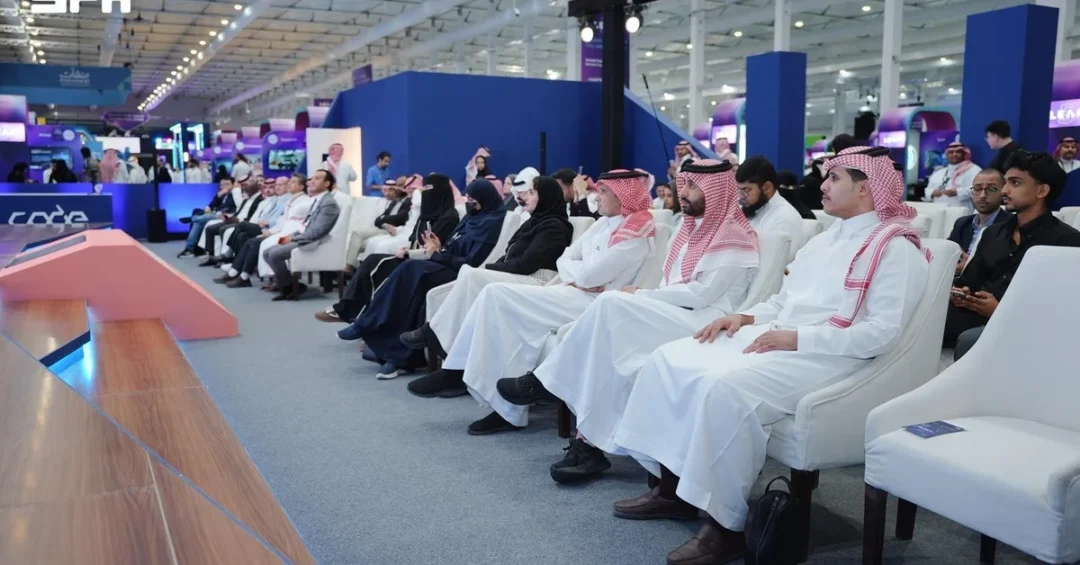
King Saud University Medical City (KSUMC) participated in LEAP 2026 in Riyadh, announcing the opening of registration for the second edition of the “Healthon 2026 – Digital Health Innovation Hackathon” as part of its ongoing efforts to advance innovation and digital transformation in the healthcare sector. The participation, reported by the Saudi Press Agency (SPA), underscores the medical city’s commitment to showcasing technology initiatives and projects designed to develop a more integrated and sustainable healthcare ecosystem in the Kingdom of Saudi Arabia.
The announcement positions KSUMC at the intersection of two of Saudi Arabia’s most dynamic sectors: healthcare and technology. By leveraging the global platform provided by LEAP 2026, one of the region’s premier technology events, the medical city is signaling its intent to harness digital innovation to address real-world medical challenges. The Healthon hackathon, with its four specialized tracks, invites innovators, developers, researchers, healthcare practitioners, and entrepreneurs to collaborate on solutions that could reshape how care is delivered, experienced, and financed across the Kingdom. Isn’t it remarkable how a single event can catalyze such wide-ranging collaboration?
Context and Background
LEAP 2026, held in Riyadh, has established itself as a major global technology gathering, attracting innovators, investors, and policymakers from around the world. For King Saud University Medical City, participation in this event is a natural extension of its mandate as a leading academic medical institution. KSUMC has long been at the forefront of integrating clinical care, education, and research, and its presence at LEAP highlights the growing convergence of healthcare and digital technology. The medical city’s efforts align with the broader national push toward digital transformation, a cornerstone of Saudi Vision 2030.
The Healthon hackathon, first launched in a previous edition, is designed to crowdsource innovative digital solutions for pressing healthcare issues. By opening registration for the second edition, KSUMC is building on the momentum of the inaugural event, which likely identified promising concepts and fostered a community of health-tech innovators. The four tracks—digital patient experience, proactive healthcare, health insurance technologies, and women’s digital health—reflect a strategic focus on areas where technology can deliver tangible improvements in access, quality, and efficiency. How often do we see a hackathon tackle such a comprehensive range of healthcare challenges?
The timing of this announcement is significant. As Saudi Arabia continues to invest heavily in its healthcare infrastructure and digital economy, initiatives like Healthon serve as incubators for homegrown talent and solutions. They also complement the Kingdom’s broader efforts to attract foreign investment and position itself as a hub for innovation. KSUMC’s participation in LEAP 2026 thus represents more than a showcase; it is a proactive step toward building a self-sustaining ecosystem where ideas translate into real-world applications that benefit patients and providers alike.
Key Details of the Healthon 2026 Hackathon
The second edition of the Healthon hackathon, branded “Healthon 2026 – Digital Health Innovation Hackathon,” is now open for registration. It seeks to attract a diverse pool of participants, including innovators, developers, researchers, healthcare practitioners, and entrepreneurs. This multidisciplinary approach is intended to foster creative problem-solving, as solutions often emerge at the intersection of different fields. The hackathon’s four main tracks are carefully chosen to address critical gaps and opportunities in the healthcare sector.
The first track, digital patient experience, focuses on using technology to enhance how patients interact with the healthcare system, from appointment scheduling to remote consultations and post-treatment follow-ups. The second track, proactive healthcare, emphasizes prevention and early intervention, leveraging data and digital tools to predict and mitigate health risks before they escalate. The third track, health insurance technologies, aims to streamline claims processing, improve transparency, and develop innovative insurance models. The fourth track, women’s digital health, addresses the unique health needs of women, promoting tailored solutions that empower women to take charge of their well-being. These tracks are not just theoretical; they are designed to yield practical, scalable solutions that can be integrated into the Saudi healthcare system.
By hosting this hackathon, KSUMC is providing a platform for participants to collaborate, prototype, and pitch their ideas. The event likely includes mentorship from industry experts, access to datasets, and opportunities to present to potential investors and stakeholders. Such initiatives are crucial for nurturing a culture of innovation and entrepreneurship in the healthcare space. They also help bridge the gap between academic research and commercial application, ensuring that promising ideas do not remain confined to labs but reach the market and improve lives. What could be more impactful than turning a bright idea into a solution that helps thousands of patients?
International and Regional Impact
The participation of King Saud University Medical City in LEAP 2026 and the launch of Healthon 2026 have implications that extend beyond Saudi Arabia’s borders. As a regional leader in healthcare and technology, the Kingdom’s initiatives often serve as a model for other countries in the Middle East and beyond. By showcasing its digital health projects at a global event like LEAP, KSUMC is positioning Saudi Arabia as a hub for health-tech innovation, attracting international attention and potential partnerships. This can lead to knowledge exchange, joint ventures, and investment flows that benefit the entire region.
Moreover, the focus areas of the hackathon—patient experience, proactive care, insurance tech, and women’s health—resonate with global healthcare priorities. Countries around the world are grappling with similar challenges, and solutions developed in Saudi Arabia could be adapted to other contexts. The emphasis on women’s digital health, in particular, aligns with global efforts to promote gender equity in healthcare access and outcomes. By fostering innovation in these areas, Saudi Arabia is contributing to the global conversation on how technology can be harnessed to build more resilient and inclusive health systems. Isn’t it inspiring to see a national initiative with such far-reaching potential?
Economic and Strategic Significance
The economic significance of KSUMC’s participation in LEAP 2026 cannot be overstated. The healthcare sector is a major component of Saudi Arabia’s economy, and digital transformation within it can drive efficiency, reduce costs, and create new market opportunities. The Healthon hackathon is designed to generate startups and solutions that could eventually become commercial products, contributing to economic diversification and job creation. This aligns with the goals of Saudi Vision 2030, which seeks to reduce dependence on oil and build a knowledge-based economy.
Strategically, the initiative strengthens the Kingdom’s position as a leader in digital health. By investing in innovation and fostering a culture of entrepreneurship, Saudi Arabia is building a sustainable ecosystem that can attract talent and investment from around the world. The collaboration between KSUMC, LEAP, and various stakeholders demonstrates a whole-of-society approach to solving complex problems. It also highlights the role of academic medical centers as drivers of innovation, not just providers of care. How many countries can boast such a seamless integration of healthcare, technology, and economic strategy?
Vision 2030 Alignment
The efforts of King Saud University Medical City, including its participation in LEAP 2026 and the launch of Healthon 2026, are in direct alignment with Saudi Vision 2030. The Vision’s Health Sector Transformation Program aims to improve the quality and efficiency of healthcare services, enhance prevention, and promote digital health. By encouraging innovation in areas like proactive healthcare and digital patient experience, KSUMC is contributing to these objectives. Furthermore, the focus on women’s digital health supports the Vision’s goal of empowering women and enhancing their quality of life.
In the broader context, KSUMC’s activities exemplify how Saudi Arabia is leveraging technology to build a diversified, sustainable economy. The Kingdom’s commitment to digital transformation is not limited to healthcare; it spans education, energy, tourism, and beyond. By participating in global platforms like LEAP, Saudi institutions demonstrate their readiness to compete and collaborate on the world stage. As the Healthon hackathon unfolds and new solutions emerge, it will be fascinating to see how these innovations translate into improved health outcomes and economic value. Saudi Arabia’s journey toward a brighter future is well underway, and initiatives like this are proof of its determination to lead in the digital age.
20 Questions
Q1. What is King Saud University Medical City?
A1. King Saud University Medical City is a leading academic medical institution in Riyadh, Saudi Arabia, affiliated with King Saud University. It encompasses multiple hospitals and centers, providing advanced clinical care, medical education, and research, and is a key player in the Kingdom’s healthcare sector.
Q2. What is LEAP 2026?
A2. LEAP 2026 is a major global technology event held in Riyadh, Saudi Arabia, showcasing innovations in fields like AI, digital health, and smart cities. It attracts entrepreneurs, investors, and policymakers, serving as a platform for collaboration and showcasing Saudi Arabia’s tech ambitions.
Q3. What is the Healthon 2026 hackathon?
A3. Healthon 2026 is the second edition of a digital health innovation hackathon organized by KSUMC. It invites participants to develop solutions for healthcare challenges across four tracks: digital patient experience, proactive healthcare, health insurance technologies, and women’s digital health.
Q4. Who can participate in Healthon 2026?
A4. The hackathon is open to innovators, developers, researchers, healthcare practitioners, and entrepreneurs. This diverse mix is intended to foster multidisciplinary collaboration and generate practical, scalable digital health solutions.
Q5. What are the four tracks of Healthon 2026?
A5. The four tracks are digital patient experience, proactive healthcare, health insurance technologies, and women’s digital health. Each focuses on a critical area where technology can significantly improve healthcare delivery and outcomes.
Q6. Why is KSUMC participating in LEAP 2026?
A6. KSUMC participates to promote innovation and digital transformation in healthcare, showcase its technology initiatives, and announce the opening of Healthon 2026 registration. It reflects the medical city’s commitment to developing a sustainable healthcare ecosystem.
Q7. How does this participation align with Saudi Vision 2030?
A7. It aligns with Vision 2030’s Health Sector Transformation Program, which aims to improve healthcare quality and efficiency through digitalization. The focus on innovation and women’s health also supports broader goals of economic diversification and women’s empowerment.
Q8. What is digital patient experience?
A8. Digital patient experience refers to using technology to enhance how patients interact with healthcare providers. This includes online appointments, telemedicine, digital records, and personalized communication, aiming to make care more convenient and patient-centered.
Q9. What is proactive healthcare?
A9. Proactive healthcare focuses on preventing illness and detecting health issues early using data, wearables, and predictive analytics. It shifts the emphasis from treating disease to maintaining wellness and reducing long-term costs.
Q10. What are health insurance technologies?
A10. Health insurance technologies involve digital tools that streamline insurance processes, such as claims management, fraud detection, and personalized plans. They aim to make insurance more efficient, transparent, and accessible for both providers and patients.
Q11. Why is women’s digital health a focus area?
A11. Women’s digital health addresses the unique health needs of women through tailored digital solutions. It empowers women to manage their health and supports gender equity in healthcare access and outcomes, aligning with Vision 2030’s empowerment goals.
Q12. How does the hackathon benefit participants?
A12. Participants gain mentorship, access to resources, networking opportunities, and a chance to pitch their ideas to investors. It helps them refine their solutions and potentially bring them to market, contributing to healthcare innovation.
Q13. What is the expected outcome of Healthon 2026?
A13. The hackathon aims to generate innovative digital solutions that address real-world healthcare challenges. Successful projects may be further developed, incubated, or adopted by healthcare providers, leading to improved patient care and system efficiency.
Q14. How does KSUMC contribute to Saudi Arabia’s healthcare sector?
A14. KSUMC provides advanced clinical services, trains medical professionals, and conducts research. Through initiatives like Healthon, it fosters innovation and digital transformation, helping to build a more integrated and sustainable healthcare ecosystem.
Q15. What role does LEAP play in Saudi Arabia’s tech landscape?
A15. LEAP is a flagship event that showcases Saudi Arabia’s tech ecosystem and attracts global talent and investment. It supports the Kingdom’s goal of becoming a regional tech hub and promotes collaboration across sectors, including healthcare.
Q16. How can international innovators participate in Healthon 2026?
A16. International innovators can register for the hackathon through the official channels announced by KSUMC. Participation is open to a global audience, encouraging cross-border collaboration and diverse perspectives.
Q17. What are the economic benefits of digital health innovation?
A17. Digital health innovation can reduce healthcare costs, improve efficiency, and create new markets for products and services. It also attracts investment and generates high-skilled jobs, contributing to economic diversification.
Q18. How does this initiative support women’s empowerment?
A18. By focusing on women’s digital health, the initiative develops solutions that cater to women’s specific health needs, enabling them to take charge of their well-being. This supports Vision 2030’s goal of enhancing women’s participation in society.
Q19. What is the significance of KSUMC’s participation in a global tech event?
A19. It demonstrates Saudi Arabia’s commitment to integrating healthcare with cutting-edge technology and positions the Kingdom as a leader in health-tech innovation. It also opens doors for international partnerships and knowledge exchange.
Q20. How can the public learn more about Healthon 2026?
A20. Interested individuals can visit the official KSUMC website or follow announcements from the Saudi Press Agency for updates on registration, deadlines, and event details. Social media channels of KSUMC may also provide information.
Reader Feedback
We value your thoughts. Please share your feedback on this article.
Your feedback helps us improve our coverage.
Related articles
 Interior Ministry Expands Remote Healthcare Access with Smart Medical Unit at LEAP 2026
 Saudi NIH Signs MoU with Sanofi to Boost Health Research
 Saudi Arabia, France Sign MoU to Enhance Health Cooperation
 King Saud University to Host Healthon 2026 With SAR1M Prizes
 WAMY eye surgery campaign in Cameroon offers new sight
 KFSH Madinah intervention ends years of fetal loss with healthy birth