


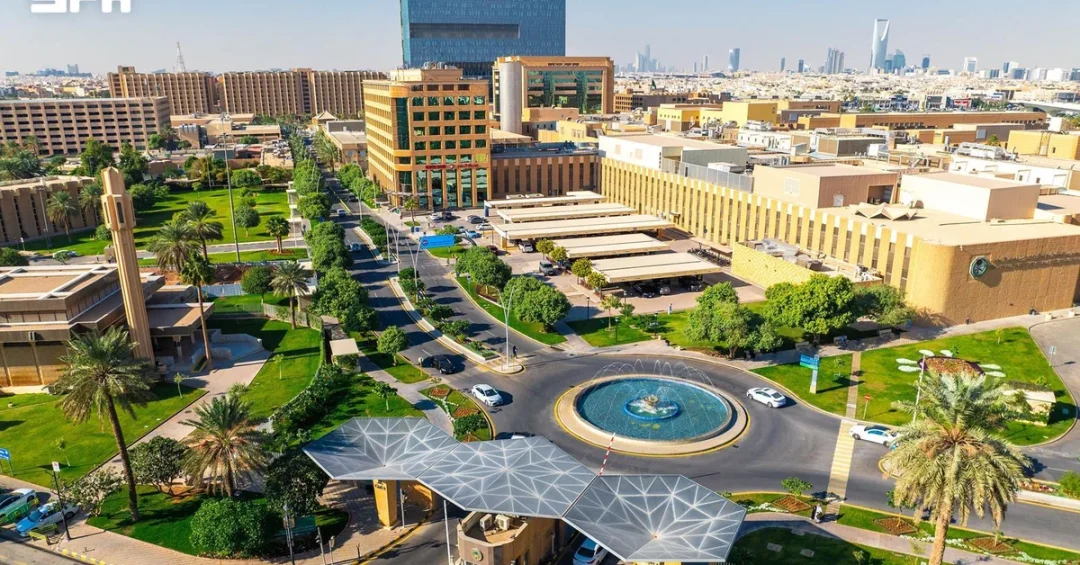
King Faisal Specialist Hospital and Research Centre (KFSH) will host the Middle Eastern Robotic Cardiac Surgery Summit on September 16 at the King Salman Auditorium in Riyadh, bringing together healthcare professionals from across the region to examine the latest advances in robotic heart surgery and their practical clinical applications. The event, announced through official Saudi channels, is positioned as a landmark gathering for cardiac specialists, surgeons, engineers, and allied health professionals who will share expertise on how robotic technology can improve surgical practices and patient outcomes.
The summit reflects the Kingdom’s expanding role as a hub for advanced medical innovation and specialized care. It will feature scientific presentations, expert panel discussions, and a hands-on session designed to give participants direct exposure to robotic cardiac procedures. Organizers say the program aims to help medical teams make treatment decisions better suited to each patient’s condition and individual needs. The announcement comes as Saudi Arabia continues to invest in healthcare infrastructure, digital transformation, and specialized medical training under the national Vision 2030 reform agenda, which prioritizes quality of life, health sector modernization, and the development of a knowledge-based economy. The summit is expected to draw participants from hospitals, universities, and research centers across the Middle East.
Context and Background
Why does a single medical summit in Riyadh matter beyond the operating room? Robotic cardiac surgery represents one of the most sophisticated intersections of medicine, engineering, and data science, and the Middle Eastern Robotic Cardiac Surgery Summit arrives at a moment when regional health systems are actively evaluating how to adopt these technologies at scale. King Faisal Specialist Hospital and Research Centre has built a reputation as a pioneer in this space, and its decision to convene specialists from across the region signals a deliberate effort to standardize best practices, share evidence, and accelerate the safe adoption of robotic techniques in cardiac care.
The summit’s agenda is structured around several core themes: evidence-based patient selection and risk assessment, approaches to treating cardiovascular disease, collaboration across medical specialties, and patient education. Each of these themes addresses a practical challenge that hospitals face when introducing robotic platforms. Patient selection, for example, requires rigorous criteria to ensure that the right patients receive minimally invasive procedures. Risk assessment demands sophisticated imaging and diagnostic data. Multidisciplinary collaboration brings together cardiologists, surgeons, anesthesiologists, nurses, and perfusionists. Patient education ensures that individuals and families understand the benefits and limitations of robotic surgery. By addressing these areas in a single forum, the summit aims to move the conversation from theoretical promise to operational reality.
KFSH has been ranked first in the Middle East and Africa and 12th globally among the world’s top 250 academic medical centers for 2026. It was also recognized as the most valuable healthcare brand in the Kingdom and the Middle East for 2026, according to Brand Finance, and listed by Newsweek among the World’s Best Hospitals, World’s Best Smart Hospitals, and World’s Best Specialized Hospitals for 2026. These distinctions provide context for why the hospital is positioned to lead a regional summit of this kind. The event is part of KFSH’s broader efforts to strengthen its role in advanced cardiac surgery, encourage scientific discussion on modern surgical technologies, and expand cooperation among specialists and institutions working in the field.
Key Details and Program Focus
What will participants actually experience during the summit? According to official information released via the Saudi Press Agency, the program will include scientific presentations, expert discussions, and a hands-on session. Participants will gain a deeper understanding of robotic heart surgery and explore the practical aspects of using robotic technology in cardiac procedures. The hands-on component is particularly significant because robotic surgery requires a distinct skill set that differs from traditional open-heart techniques. Surgeons must learn to operate sophisticated robotic arms and visualize the surgical field through high-definition, magnified cameras, often in a console-based environment. Simulation and practical training are essential to building proficiency and confidence.
The scientific sessions will cover evidence-based patient selection and risk assessment, ensuring that medical teams can identify which patients are most likely to benefit from robotic approaches. They will also examine approaches to treating cardiovascular disease, including coronary artery bypass grafting, mitral valve repair, and other procedures where robotic assistance has demonstrated advantages such as smaller incisions, reduced blood loss, shorter hospital stays, and faster recovery times. Collaboration across medical specialties will be a recurring theme, reflecting the reality that successful robotic cardiac programs depend on integrated teams rather than individual expertise alone. Patient education will also be addressed, recognizing that informed patients are better prepared for surgery and recovery.
Dr. Feras Khaliel, Deputy Executive Director of the Heart Centre of Excellence at KFSH and chair of the summit’s scientific committee, said: “The conference provides an opportunity to bridge scientific advances in robotic cardiac surgery with their practical application, while exploring the future of this field and the specialized knowledge and technical skills it requires, thereby enhancing specialists’ understanding of robotic cardiac surgery.” His statement underscores the summit’s dual focus on innovation and implementation. The event is designed not merely to showcase technology but to equip clinicians with the knowledge and skills needed to integrate robotic surgery into their own institutions. By bringing together experts from different countries and disciplines, the summit aims to create a collaborative network that can continue to share knowledge long after the closing session.
International and Regional Impact
How will this summit influence cardiac care across the Middle East and beyond? The gathering of healthcare professionals from multiple countries creates a platform for cross-border knowledge exchange that can elevate standards of care regionally. Hospitals in the Gulf, Levant, and North Africa often face similar challenges: rising rates of cardiovascular disease, growing demand for specialized services, and the need to train a new generation of surgeons in advanced techniques. By convening specialists in Riyadh, the summit provides a centralized venue for addressing these shared challenges and for showcasing models of excellence that can be adapted to different national contexts.
The international dimension extends beyond the region. Robotic cardiac surgery is a global field, with major centers in North America, Europe, and Asia developing new techniques and evidence. The Middle Eastern Robotic Cardiac Surgery Summit positions Saudi Arabia as a participant in this global conversation, not merely a recipient of imported expertise. KFSH’s recognition among the world’s top academic medical centers reinforces its credibility as a host and partner. The summit is expected to attract attention from international medical societies, technology developers, and research institutions interested in collaborating with Saudi counterparts. Such engagement aligns with the Kingdom’s broader strategy of international cooperation in health, science, and innovation.
Economic and Strategic Significance
What does the summit signal about Saudi Arabia’s healthcare economy and strategic priorities? Healthcare is a central pillar of Vision 2030, which seeks to diversify the economy, improve quality of life, and develop high-value sectors. Advanced medical services, including robotic surgery, represent a growing market with significant potential for investment, job creation, and exportable expertise. By hosting a regional summit, KFSH helps to anchor this ecosystem in Riyadh, attracting talent, fostering partnerships, and demonstrating the Kingdom’s capacity to deliver world-class care. The event also supports the goal of reducing the need for patients to travel abroad for specialized treatment by building local capabilities.
The strategic significance extends to medical education and research. Robotic surgery generates valuable data that can be used to improve outcomes, refine techniques, and develop new devices. By bringing together clinicians, researchers, and industry representatives, the summit creates opportunities for collaborative research that can feed into Saudi Arabia’s growing life sciences sector. The hands-on session, in particular, contributes to workforce development by giving surgeons and trainees direct experience with robotic systems. This aligns with national efforts to expand specialized training programs and retain skilled professionals within the Kingdom. Over time, the knowledge and networks developed through the summit can help to position Saudi Arabia as a regional leader in cardiac surgery and related fields.
Vision 2030 Alignment
How does a robotic cardiac surgery summit connect to Saudi Arabia’s long-term vision? Vision 2030 emphasizes a diversified economy, a vibrant society, and an ambitious nation. Within the health sector, the vision calls for improved quality and efficiency, greater use of technology, and expanded private-sector participation. The Middle Eastern Robotic Cardiac Surgery Summit directly supports these objectives by promoting innovation, encouraging scientific exchange, and strengthening the Kingdom’s reputation as a destination for advanced medical care. It also reflects the broader transformation of Saudi healthcare, which has seen significant investment in hospitals, digital health platforms, and specialized centers of excellence in recent years.
The summit’s emphasis on collaboration and patient-centered care resonates with Vision 2030’s focus on quality of life and human capability development. By equipping specialists with advanced skills and fostering regional cooperation, the event contributes to a healthier society and a more resilient health system. It also reinforces the role of Saudi institutions such as KFSH as anchors of excellence that can drive progress across the region. As the Kingdom continues to invest in healthcare, education, and research, gatherings like this summit will play an important role in translating national ambition into practical outcomes. The event is a clear example of how Saudi Arabia is using its institutional strengths to advance medical science and improve lives, both at home and internationally.
20 Questions
Q1. What is the Middle Eastern Robotic Cardiac Surgery Summit?
A1. It is a specialized medical conference hosted by King Faisal Specialist Hospital and Research Centre in Riyadh, bringing together healthcare professionals to discuss advances in robotic heart surgery, clinical applications, and best practices for improving patient outcomes.
Q2. When and where will the summit take place?
A2. The summit will be held on September 16 at the King Salman Auditorium in Riyadh, Saudi Arabia, according to official information released via the Saudi Press Agency.
Q3. Who is organizing the event?
A3. King Faisal Specialist Hospital and Research Centre (KFSH) is organizing the summit as part of its efforts to strengthen its role in advanced cardiac surgery and encourage scientific discussion on modern surgical technologies.
Q4. What topics will be covered at the summit?
A4. Sessions will cover evidence-based patient selection and risk assessment, approaches to treating cardiovascular disease, collaboration across medical specialties, and patient education, with the aim of helping teams make patient-specific treatment decisions.
Q5. What is robotic cardiac surgery?
A5. Robotic cardiac surgery uses sophisticated robotic systems controlled by surgeons to perform heart procedures through small incisions, offering potential benefits such as reduced blood loss, shorter hospital stays, and faster recovery compared to traditional open-heart surgery.
Q6. Who is Dr. Feras Khaliel?
A6. Dr. Feras Khaliel is the Deputy Executive Director of the Heart Centre of Excellence at KFSH and chair of the summit’s scientific committee. He emphasized the event’s role in bridging scientific advances with practical application.
Q7. What did Dr. Feras Khaliel say about the conference?
A7. He said the conference provides an opportunity to bridge scientific advances in robotic cardiac surgery with their practical application, while exploring the future of the field and the specialized knowledge and technical skills it requires.
Q8. What is the format of the summit program?
A8. The program includes scientific presentations, expert discussions, and a hands-on session where participants can explore the practical aspects of using robotic technology in cardiac procedures.
Q9. Why is a hands-on session important?
A9. Robotic surgery requires a distinct skill set. Hands-on training helps surgeons and trainees build proficiency with robotic systems, improving their ability to perform complex cardiac procedures safely and effectively.
Q10. What is KFSH’s global ranking?
A10. KFSH has been ranked first in the Middle East and Africa and 12th globally among the world’s top 250 academic medical centers for 2026, reflecting its strength in research, education, and patient care.
Q11. What other recognitions has KFSH received?
A11. KFSH was recognized as the most valuable healthcare brand in the Kingdom and the Middle East for 2026 by Brand Finance, and listed by Newsweek among the World’s Best Hospitals, Best Smart Hospitals, and Best Specialized Hospitals.
Q12. How does the summit benefit patients?
A12. By promoting evidence-based patient selection, risk assessment, and education, the summit helps medical teams tailor treatment decisions to individual needs, potentially leading to safer procedures, better outcomes, and faster recoveries.
Q13. How does the summit support regional collaboration?
A13. It brings together healthcare professionals from across the Middle East to share expertise, discuss challenges, and build networks that can elevate standards of cardiac care throughout the region.
Q14. What is the role of multidisciplinary collaboration in robotic cardiac surgery?
A14. Successful robotic cardiac programs require integrated teams of cardiologists, surgeons, anesthesiologists, nurses, and perfusionists. The summit highlights how collaboration across specialties improves surgical planning and patient care.
Q15. How does the summit align with Vision 2030?
A15. It supports Vision 2030 goals of health sector modernization, innovation, and quality of life improvement by promoting advanced medical technology, scientific exchange, and the development of local expertise.
Q16. Will the summit include international participants?
A16. The event is described as a Middle Eastern summit, bringing together healthcare professionals from the region and beyond to discuss robotic cardiac surgery, suggesting broad regional and international participation.
Q17. What is the Heart Centre of Excellence at KFSH?
A17. It is a specialized center within KFSH focused on advanced cardiac care, research, and education. Dr. Feras Khaliel serves as its Deputy Executive Director and chairs the summit’s scientific committee.
Q18. How does robotic surgery improve cardiac care?
A18. Robotic systems enable minimally invasive procedures with greater precision, smaller incisions, less pain, reduced blood loss, shorter hospital stays, and faster recovery, benefiting both patients and healthcare systems.
Q19. What is the significance of the King Salman Auditorium as the venue?
A19. The King Salman Auditorium in Riyadh is a prominent venue for major medical and scientific gatherings, reflecting the summit’s importance and KFSH’s capacity to host high-level professional events.
Q20. What is the expected outcome of the summit?
A20. The summit aims to enhance specialists’ understanding of robotic cardiac surgery, expand cooperation among institutions, and promote the practical adoption of robotic technology to improve surgical practices and patient outcomes in the region.
Reader Feedback
We value your thoughts. Please share your feedback on this article.
Your feedback helps us improve our coverage.
Related articles
 KSUMC Joins LEAP 2026, Launches Healthon Hackathon
 Interior Ministry Expands Remote Healthcare Access with Smart Medical Unit at LEAP 2026
 Saudi NIH Signs MoU with Sanofi to Boost Health Research
 Saudi Arabia, France Sign MoU to Enhance Health Cooperation
 King Saud University to Host Healthon 2026 With SAR1M Prizes
 WAMY eye surgery campaign in Cameroon offers new sight