


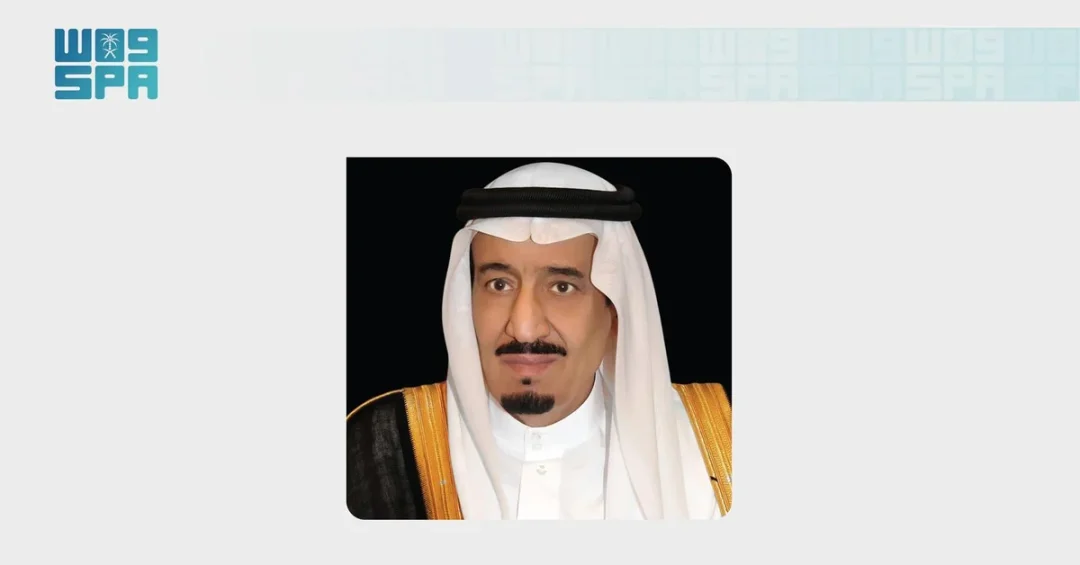
Custodian of the Two Holy Mosques King Salman bin Abdulaziz Al Saud has received a written message from President Sheikh Mohamed bin Zayed Al Nahyan of the United Arab Emirates concerning the bilateral relations between the two brotherly countries, according to an official announcement carried by the Saudi Press Agency (SPA). The message was delivered during a meeting in Riyadh on August 24, 2026, between Vice Minister of Foreign Affairs Waleed Elkhereiji and Ambassador of the United Arab Emirates to Saudi Arabia Matar Salem Al-Dhaheri. During the meeting, the two sides reviewed bilateral relations and explored ways to develop them across various fields, while also discussing issues of common interest.
What does this exchange of diplomatic correspondence reveal about the depth and durability of the Saudi-Emirati relationship at a time of rapid regional transformation? The delivery of a written message from the UAE President to the Custodian of the Two Holy Mosques is a formal diplomatic gesture that underscores the institutional strength of ties between Riyadh and Abu Dhabi. It reflects a relationship grounded in shared history, geographic proximity, and a common vision for security, stability, and prosperity in the Gulf region and the wider Arab world. The meeting between Vice Minister Elkhereiji and Ambassador Al-Dhaheri took place in Riyadh, the Kingdom’s diplomatic capital, where such engagements are routinely conducted through official channels.
Context and Background
How have Saudi Arabia and the United Arab Emirates built one of the most consequential partnerships in the Middle East? The relationship between the Kingdom of Saudi Arabia and the UAE rests on decades of cooperation, beginning with the founding of the UAE in 1971 and reinforced by shared membership in the Gulf Cooperation Council (GCC), the Arab League, and the Organization of Islamic Cooperation. The two nations share borders, family ties, and economic interests that have produced a level of coordination rarely seen between neighboring states. Their leaderships have consistently aligned on regional security, energy policy, and the promotion of moderate Islam, while their peoples maintain close cultural and commercial connections.
In recent years, this partnership has expanded into new domains, including technology, renewable energy, logistics, and tourism. The Saudi-Emirati Coordination Council, established in 2018, institutionalized joint planning across economic, developmental, and military sectors. The exchange of written messages between heads of state is a standard but meaningful practice in Gulf diplomacy, signaling continuity in high-level consultation. Such correspondence often precedes or follows bilateral visits, joint initiatives, or regional summits, and it serves to reaffirm commitments at the highest level of government.
The timing of this message is significant. The region is navigating a period of economic diversification, geopolitical recalibration, and ambitious national transformation programs. Saudi Arabia’s Vision 2030 and the UAE’s Centennial 2071 plan both seek to reduce reliance on hydrocarbons and build knowledge-based economies. Coordination between Riyadh and Abu Dhabi is therefore not merely diplomatic courtesy but a strategic necessity. The message from President Sheikh Mohamed bin Zayed Al Nahyan to King Salman reflects a desire to keep channels of communication open and to align approaches on matters of mutual concern.
Key Details of the Diplomatic Exchange
What exactly was conveyed, and who were the officials entrusted with this important task? Vice Minister of Foreign Affairs Waleed Elkhereiji, a senior Saudi diplomat who has served in key roles within the Ministry of Foreign Affairs, received the written message on behalf of the Kingdom’s leadership. Ambassador Matar Salem Al-Dhaheri, the UAE’s accredited representative in Riyadh, delivered it. The meeting took place in Riyadh, where the two officials reviewed bilateral relations and discussed ways to develop them across various fields. They also addressed issues of common interest, a phrase commonly used in diplomatic readouts to indicate a broad agenda that may include regional security, economic cooperation, and cultural exchange.
The SPA report, released at 21:55 local time (18:55 GMT), provided a concise but formal account of the encounter. The use of the term “brotherly countries” is consistent with the language traditionally employed in Saudi-Emirati official communications, reflecting the familial and fraternal bonds that characterize the relationship. The message itself was described as concerning bilateral relations, which suggests a focus on strengthening existing ties rather than introducing a new initiative. However, written messages at this level often carry detailed proposals or updates that are not fully disclosed to the public.
While the specific contents of the message were not made public, the fact of its delivery and the high-level nature of the exchange are themselves newsworthy. In the Gulf diplomatic tradition, such correspondence is carefully calibrated and often coordinated with broader policy objectives. The meeting between Elkhereiji and Al-Dhaheri also provided an opportunity for face-to-face consultation on matters that may require immediate attention or long-term planning. The Saudi Ministry of Foreign Affairs routinely handles such engagements as part of its mandate to maintain and deepen the Kingdom’s international partnerships.
International and Regional Impact
How does the Saudi-Emirati partnership shape stability and prosperity beyond the two nations’ borders? The relationship between Riyadh and Abu Dhabi is widely regarded as a cornerstone of Gulf regional order. Their cooperation has been instrumental in addressing challenges such as maritime security, counterterrorism, and humanitarian relief. Both countries are leading contributors to development initiatives in Yemen, Egypt, and other Arab states, and they coordinate closely on energy policy within OPEC and OPEC+. A strong Saudi-Emirati axis also provides reassurance to smaller Gulf states and reinforces the collective security architecture of the GCC.
Internationally, the two nations have worked together to promote dialogue and de-escalation in the Middle East. They have supported diplomatic efforts to resolve conflicts in Sudan, Libya, and Lebanon, and they have engaged with global powers to advance regional interests. The exchange of messages between King Salman and President Sheikh Mohamed bin Zayed Al Nahyan is a reminder that the Saudi-Emirati relationship is not static but continuously renewed through high-level communication. For international observers, this signals predictability and continuity in Gulf diplomacy, which is essential for global markets, energy supply chains, and investment flows.
Moreover, the partnership serves as a model for Arab cooperation. By demonstrating that neighboring states can align their visions and resources, Saudi Arabia and the UAE encourage greater integration across the region. This is particularly relevant as the Middle East undergoes a period of economic reform and social change. The two countries have also collaborated on cultural and educational initiatives, including joint exhibitions, student exchanges, and heritage preservation projects, which strengthen people-to-people ties and promote a shared Arab identity.
Economic and Strategic Significance
What economic and strategic benefits flow from this close coordination? Saudi Arabia and the UAE are each other’s largest trading partners in the Arab world, with bilateral trade exceeding tens of billions of dollars annually. The two countries have invested heavily in cross-border infrastructure, including roads, railways, and industrial zones. Saudi Arabia’s Public Investment Fund (PIF) and the UAE’s Mubadala Investment Company have co-invested in sectors ranging from technology to healthcare. The message from President Sheikh Mohamed bin Zayed Al Nahyan may include updates on joint projects or proposals for new areas of cooperation, although the details remain confidential.
Strategically, the two nations share a commitment to ensuring freedom of navigation in the Red Sea and the Arabian Gulf, securing global energy supplies, and countering extremist ideologies. They have also deepened defense cooperation through joint military exercises, training programs, and intelligence sharing. This security dimension is vital for protecting critical infrastructure, including oil facilities and shipping lanes. The exchange of written messages at the leadership level reinforces the political will that underpins these practical collaborations.
In the context of global economic uncertainty, the Saudi-Emirati partnership offers a stable anchor for investment and trade. Both countries have pursued ambitious diversification strategies, and their cooperation amplifies their individual efforts. For example, Saudi Arabia’s NEOM project and the UAE’s Masdar clean energy initiative complement each other in advancing sustainable development. The message delivered in Riyadh may also touch on preparations for upcoming bilateral summits or joint commissions, which typically set the agenda for future economic engagement.
Vision 2030 Alignment
How does this diplomatic exchange advance Saudi Arabia’s Vision 2030 and its global role? Vision 2030, the Kingdom’s comprehensive transformation plan launched by Crown Prince Mohammed bin Salman, seeks to diversify the economy, empower citizens, and elevate Saudi Arabia’s international standing. Strong partnerships with countries like the UAE are essential to achieving these goals. The UAE is a key investor in Saudi Arabia and a vital partner in logistics, tourism, and technology. By maintaining open lines of communication at the highest level, Riyadh ensures that its reform agenda is supported by like-minded regional allies.
The written message from President Sheikh Mohamed bin Zayed Al Nahyan to the Custodian of the Two Holy Mosques also reflects the Kingdom’s role as a regional leader and a bridge between cultures and economies. Saudi Arabia’s foreign policy under Vision 2030 emphasizes constructive engagement, conflict resolution, and economic diplomacy. The meeting between Vice Minister Elkhereiji and Ambassador Al-Dhaheri is a small but meaningful example of how the Kingdom conducts its international relations: with respect, formality, and a focus on shared interests. As Saudi Arabia continues to implement its ambitious plans, such exchanges will remain a cornerstone of its diplomatic practice, reinforcing its position as a pivotal player in the region and beyond.
20 Questions
Q1. Who received the written message from the UAE President?
A1. The Custodian of the Two Holy Mosques, King Salman bin Abdulaziz Al Saud, received the written message from President Sheikh Mohamed bin Zayed Al Nahyan of the United Arab Emirates.
Q2. Who delivered the written message to Saudi officials?
A2. Ambassador of the United Arab Emirates to Saudi Arabia Matar Salem Al-Dhaheri delivered the message during a meeting in Riyadh with Vice Minister of Foreign Affairs Waleed Elkhereiji.
Q3. When and where did the meeting take place?
A3. The meeting took place in Riyadh on August 24, 2026, as reported by the Saudi Press Agency (SPA), and was held at the Ministry of Foreign Affairs.
Q4. What was the main topic of the written message?
A4. The message concerned the bilateral relations between Saudi Arabia and the United Arab Emirates, two brotherly countries with deep historical and strategic ties.
Q5. What did the two sides discuss during the meeting?
A5. They reviewed bilateral relations and ways to develop them across various fields, and they also discussed issues of common interest of mutual importance.
Q6. Who is Waleed Elkhereiji?
A6. Waleed Elkhereiji is the Vice Minister of Foreign Affairs of the Kingdom of Saudi Arabia, a senior diplomat responsible for assisting in the conduct of the Kingdom’s foreign policy.
Q7. Who is Matar Salem Al-Dhaheri?
A7. Matar Salem Al-Dhaheri is the Ambassador of the United Arab Emirates to Saudi Arabia, serving as the UAE’s top diplomatic representative in the Kingdom.
Q8. How does this exchange reflect Saudi-Emirati relations?
A8. It reflects the strong, fraternal, and strategic ties between the two nations, demonstrating continuous high-level consultation and coordination on matters of mutual concern.
Q9. What is the significance of written messages in diplomacy?
A9. Written messages between heads of state are formal diplomatic instruments used to convey important communications, reaffirm commitments, and maintain high-level dialogue between friendly nations.
Q10. Which organization reported this news?
A10. The Saudi Press Agency (SPA), the Kingdom’s official news agency, reported the news, ensuring accurate and authoritative coverage of the diplomatic exchange.
Q11. What does ‘brotherly countries’ mean in this context?
A11. It is a term used in official Gulf diplomacy to describe the close, familial ties between Saudi Arabia and the UAE, based on shared history, culture, and mutual respect.
Q12. What are some areas of Saudi-Emirati cooperation?
A12. Cooperation spans economic, security, cultural, technological, and energy fields, including joint investments, military coordination, and educational exchanges under the GCC framework.
Q13. How does this meeting align with Saudi Vision 2030?
A13. It supports Vision 2030 by strengthening regional partnerships that enhance economic diversification, investment, and Saudi Arabia’s global standing as a leader in the Arab world.
Q14. What is the Gulf Cooperation Council’s role in this relationship?
A14. The GCC provides a multilateral framework for Saudi-Emirati cooperation, facilitating joint initiatives in trade, security, and development across the Arabian Peninsula.
Q15. Will the contents of the message be made public?
A15. Typically, the full contents of such diplomatic messages are not disclosed publicly; only the fact of their delivery and general subject matter are announced through official channels.
Q16. How often do Saudi and UAE leaders exchange messages?
A16. Such exchanges occur regularly as part of the two nations’ ongoing diplomatic engagement, reflecting the depth and continuity of their strategic partnership.
Q17. What economic benefits arise from Saudi-Emirati ties?
A17. Bilateral trade and investment create jobs, drive innovation, and support economic diversification, with both countries among each other’s largest trading partners in the region.
Q18. Does this message indicate a new initiative?
A18. The report describes it as concerning bilateral relations, suggesting a focus on strengthening existing ties rather than announcing a specific new initiative at this time.
Q19. How does this exchange affect regional stability?
A19. It reinforces the Saudi-Emirati axis, which is a pillar of regional stability, promoting security, economic prosperity, and diplomatic coordination across the Middle East.
Q20. What is the broader significance of this diplomatic engagement?
A20. It underscores Saudi Arabia’s active role in international diplomacy and its commitment to maintaining strong alliances that support peace, development, and the goals of Vision 2030.
Reader Feedback
We value your thoughts. Please share your feedback on this article.
Your feedback helps us improve our coverage.
Related articles
 Crown Prince Receives Written Message from UK Prime Minister
 Dammam Airports Reviews General Aviation Terminal Readiness
 Baltic Storm Leaves 200,000 Without Power, Two Dead
 Jazan Border Patrols Arrest Citizen for Transporting 13 Violators
 SFD Highlights Saudi Support for Palestine Refugees in Jordan
 flynas Launches SAR200M Aviation Training Center in Riyadh