


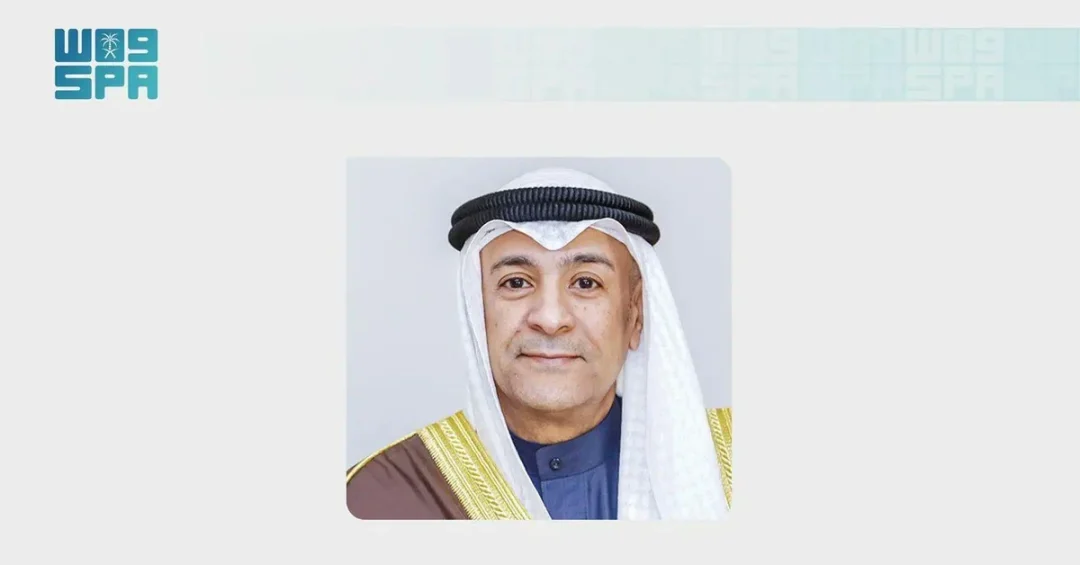
Secretary-General of the Gulf Cooperation Council (GCC) Jasem Albudaiwi received Executive Director of the Arab Gulf Programme for Development (AGFUND) Hammam bin Nasser bin Juraid at the General Secretariat headquarters in Riyadh on August 23, 2026, according to the Saudi Press Agency (SPA). The meeting brought together two institutions whose mandates increasingly overlap: the GCC, the six-nation political and economic bloc comprising Saudi Arabia, the United Arab Emirates, Qatar, Kuwait, Bahrain, and Oman, and AGFUND, a Riyadh-based development organization founded in 1980 on the initiative of the late Custodian of the Two Holy Mosques King Fahd bin Abdulaziz. Their discussions centered on strengthening cooperation, facilitating the exchange of expertise in areas of mutual concern, and reinforcing collective efforts to achieve the Sustainable Development Goals (SDGs) across the GCC member states.
Why does a single meeting between a regional secretary-general and a development fund’s executive director matter beyond the routine diplomacy of a Riyadh afternoon? The answer lies in the widening scope of both institutions. The GCC has evolved far beyond its original security and trade coordination role, now encompassing health, education, environmental, and social development portfolios. AGFUND, meanwhile, has financed more than 1,500 development projects in over 130 countries, with a particular emphasis on women’s empowerment, microfinance, and early childhood development. When these two agendas converge, the result is a practical mechanism for turning regional policy ambitions into measurable improvements in people’s lives — a priority that sits at the heart of Saudi Arabia’s Vision 2030 and the wider Gulf development story.
Context and Background
What is the historical foundation on which this cooperation rests? The GCC was established in 1981 as a framework for coordination among the Arab states of the Gulf, and its General Secretariat in Riyadh has gradually become a hub for regional policy harmonization. Over the past decade, GCC summits have repeatedly emphasized that economic integration must be accompanied by social development, environmental stewardship, and human capital investment. AGFUND, for its part, was created to channel Gulf generosity into structured, sustainable development assistance rather than ad hoc charity. Its founding mission — supporting developing communities through enterprise, education, and empowerment — has made it a natural partner for regional bodies seeking to implement the SDGs at scale.
The meeting also reflects a broader trend in Gulf diplomacy: the deliberate linking of regional political institutions with specialized development agencies. As GCC member states pursue ambitious national transformation programs, the demand for technical expertise, project evaluation capacity, and cross-border knowledge sharing has grown. AGFUND’s decades of field experience in microfinance, women’s entrepreneurship, and community development offer a reservoir of practical know-how that GCC policymakers can draw upon. In turn, the GCC’s convening power gives AGFUND a platform to align its programs with regional priorities, from youth employment to food security.
Saudi Arabia’s role as host is significant. Riyadh is home to both the GCC General Secretariat and AGFUND’s headquarters, a geographic coincidence that has become a strategic advantage. It allows for frequent, low-friction consultations between the two organizations and reinforces the Kingdom’s position as a hub for development diplomacy. Under Vision 2030, Saudi Arabia has committed to increasing its international development contributions and to positioning itself as a bridge between the Global South and the industrialized world. The Albudaiwi–Juraid meeting is a small but telling example of that ambition in action.
Key Details of the Meeting
What exactly was discussed behind the closed doors of the General Secretariat? According to the official SPA report, the two sides explored “aspects of cooperation between the GCC and AGFUND” and examined ways to “advance these efforts to facilitate the exchange of expertise in areas of mutual concern.” The phrase “exchange of expertise” is more than diplomatic language. It points to concrete mechanisms: secondment of specialists, joint training workshops, shared databases of best practices, and coordinated project evaluations. For AGFUND, such cooperation could mean easier access to GCC-wide data on labor markets, education outcomes, and social indicators — the raw material of evidence-based development programming.
Secretary-General Albudaiwi commended AGFUND’s developmental initiatives and programs across several fields, underscoring what SPA described as “the significant role the programme plays in supporting development pathways and fostering strategic partnerships at regional and international levels.” That endorsement matters because it signals GCC political support for AGFUND’s model of public-private-community partnership. AGFUND has long worked with banks, NGOs, and governments to deliver microfinance and small-business support, and recognition from the GCC’s most senior official lends institutional weight to that approach.
Executive Director Hammam bin Nasser bin Juraid, in turn, reviewed AGFUND’s objectives and its developmental contributions across various fields. His presentation likely covered the organization’s flagship programs, which include support for women’s economic participation, vocational training for youth, and early childhood care. These priorities align closely with the social development goals embedded in the GCC’s long-term strategy and with the human-capital objectives of Vision 2030. While SPA did not disclose specific new agreements, the meeting itself constitutes a step toward deeper institutional coordination — the kind of quiet groundwork that often precedes formal memoranda of understanding.
International and Regional Impact
How will this bilateral conversation ripple across the wider region and beyond? The GCC and AGFUND both operate within a dense network of international development partnerships. AGFUND collaborates with United Nations agencies, the Islamic Development Bank, and numerous national development funds. When the GCC formally coordinates with AGFUND, it effectively creates a bridge between regional policy and global development finance. That bridge can help Gulf states speak with a more unified voice in international forums on issues such as SDG financing, climate adaptation, and refugee support.
For the broader Middle East and North Africa, the meeting carries a message of continuity. Despite regional tensions, Gulf institutions continue to invest in long-term development rather than short-term crisis management. AGFUND’s track record of working in post-conflict and low-income countries gives the GCC a channel for constructive engagement that transcends political disputes. By strengthening this channel, Riyadh and its Gulf partners reinforce their reputation as reliable development actors — a reputation that attracts partners and enhances influence from Africa to Asia.
Economic and Strategic Significance
What economic logic underpins development cooperation between a political bloc and a development fund? At first glance, the link may seem indirect. But sustainable development is increasingly understood as a prerequisite for economic resilience. Countries with stronger education systems, healthier populations, and more inclusive financial sectors are better markets for Gulf goods and services, more stable partners for investment, and less prone to the instability that disrupts trade routes. By supporting AGFUND’s work, the GCC is investing in the enabling environment for its own economic diversification.
There is also a strategic dimension. Gulf states are competing — and cooperating — in a global scramble for influence across the developing world. China, Turkey, India, and European powers are all expanding their development footprints. A coordinated GCC-AGFUND approach allows the Gulf to present a distinctive model: generous, culturally rooted, and focused on empowerment rather than dependency. AGFUND’s emphasis on microfinance and women’s entrepreneurship, in particular, resonates with international donors and recipient communities alike. The meeting in Riyadh is thus part of a larger effort to sharpen the Gulf’s soft-power toolkit.
Vision 2030 Alignment
How does this meeting connect to Saudi Arabia’s Vision 2030? The Vision, launched in 2016 by Crown Prince Mohammed bin Salman, rests on three pillars: a vibrant society, a thriving economy, and an ambitious nation. The third pillar explicitly includes a commitment to “effective governance” and to enhancing Saudi Arabia’s international standing through development and humanitarian aid. By hosting and facilitating GCC-AGFUND cooperation, the Kingdom advances its goal of becoming a global hub for development policy, not merely a donor but a convenor and innovator.
Moreover, Vision 2030’s social objectives — increasing women’s labor force participation, improving education outcomes, and fostering a culture of entrepreneurship — mirror AGFUND’s core programs. When the GCC Secretary-General publicly praises AGFUND’s work, he is also reinforcing the values that underpin Saudi Arabia’s domestic transformation. The meeting therefore serves a dual purpose: it strengthens a regional institution and it amplifies the narrative of a modernizing, outward-looking Gulf. For international observers, the takeaway is clear. Saudi Arabia and its GCC partners are building the institutional architecture for long-term development cooperation, and they are doing so from Riyadh, with Vision 2030 as both blueprint and calling card.
20 Questions
Q1. Who received the AGFUND Executive Director in Riyadh?
A1. GCC Secretary-General Jasem Albudaiwi received AGFUND Executive Director Hammam bin Nasser bin Juraid at the GCC General Secretariat headquarters in Riyadh on August 23, 2026, according to the Saudi Press Agency.
Q2. What is the GCC and which countries are its members?
A2. The Gulf Cooperation Council is a regional political and economic bloc founded in 1981. Its six members are Saudi Arabia, the United Arab Emirates, Qatar, Kuwait, Bahrain, and Oman. Its General Secretariat is based in Riyadh.
Q3. What does AGFUND stand for and when was it established?
A3. AGFUND stands for the Arab Gulf Programme for Development. It was established in 1980 on the initiative of the late Custodian of the Two Holy Mosques King Fahd bin Abdulaziz and is headquartered in Riyadh.
Q4. What was the main purpose of the meeting?
A4. The two sides discussed aspects of cooperation between the GCC and AGFUND and explored ways to advance these efforts, particularly by facilitating the exchange of expertise in areas of mutual concern to reinforce SDG achievement.
Q5. What did the GCC Secretary-General say about AGFUND?
A5. Jasem Albudaiwi commended AGFUND’s developmental initiatives and programs across several fields, underscoring the significant role the programme plays in supporting development pathways and fostering strategic partnerships regionally and internationally.
Q6. What did the AGFUND Executive Director present at the meeting?
A6. Hammam bin Nasser bin Juraid reviewed AGFUND’s objectives and efforts as well as its developmental contributions across various fields, highlighting the organization’s work in areas such as microfinance, women’s empowerment, and education.
Q7. Which Sustainable Development Goals are most relevant to this cooperation?
A7. The cooperation touches on multiple SDGs, including no poverty, quality education, gender equality, decent work and economic growth, and partnerships for the goals. AGFUND’s programs align closely with these objectives.
Q8. How many development projects has AGFUND financed?
A8. AGFUND has financed more than 1,500 development projects in over 130 countries since its founding, focusing on women’s empowerment, microfinance, early childhood development, and community-based initiatives.
Q9. Why is Riyadh significant as a location for this meeting?
A9. Riyadh hosts both the GCC General Secretariat and AGFUND’s headquarters, making it a natural hub for development diplomacy and enabling frequent, low-friction consultations between the two organizations.
Q10. How does this meeting relate to Saudi Vision 2030?
A10. Vision 2030 includes a commitment to enhancing Saudi Arabia’s international standing through development aid. The meeting advances the Kingdom’s goal of becoming a global hub for development policy and cooperation.
Q11. What does “exchange of expertise” mean in practice?
A11. It can include secondment of specialists, joint training workshops, shared databases of best practices, coordinated project evaluations, and collaborative research on labor markets, education outcomes, and social indicators.
Q12. How does AGFUND differ from traditional charity organizations?
A12. AGFUND focuses on sustainable development rather than ad hoc charity. Its model emphasizes microfinance, enterprise support, and empowerment to help communities achieve self-reliance over the long term.
Q13. What regional and international partnerships does AGFUND maintain?
A13. AGFUND collaborates with United Nations agencies, the Islamic Development Bank, national development funds, and numerous NGOs. These partnerships extend its reach across Africa, Asia, and the Middle East.
Q14. What economic benefits could result from GCC-AGFUND cooperation?
A14. Stronger development outcomes in partner countries can create more stable markets, better trading partners, and more resilient investment environments, supporting the GCC’s own economic diversification goals.
Q15. How does this meeting fit into the GCC’s broader strategy?
A15. The GCC has expanded beyond security and trade to include social development, health, education, and environmental portfolios. Partnering with AGFUND helps implement the SDGs at a regional scale.
Q16. What role does Saudi Arabia play in AGFUND’s history?
A16. Saudi Arabia played a founding role in AGFUND, which was established on the initiative of King Fahd bin Abdulaziz. The Kingdom continues to host its headquarters and support its developmental mission.
Q17. Are there any formal agreements expected from this meeting?
A17. The SPA report did not announce specific new agreements. However, the meeting represents a step toward deeper institutional coordination and may precede formal memoranda of understanding in the future.
Q18. How does this cooperation affect the wider Middle East and North Africa?
A18. It signals continued Gulf investment in long-term development despite regional tensions. AGFUND’s work in post-conflict and low-income countries offers a constructive channel for engagement that transcends political disputes.
Q19. What is the significance of the GCC Secretary-General’s public endorsement?
A19. Public endorsement from the GCC’s most senior official lends institutional weight to AGFUND’s partnership model, signaling political support and encouraging other regional bodies to collaborate with the programme.
Q20. What is the forward-looking outcome of this meeting for the Gulf region?
A20. The meeting strengthens the institutional architecture for long-term development cooperation in the Gulf, aligning regional policy with on-the-ground programs and reinforcing Saudi Arabia’s Vision 2030 ambition to be a global development leader.
Reader Feedback
We value your thoughts. Please share your feedback on this article.
Your feedback helps us improve our coverage.
Related articles
 Qassim Governor Receives Egyptian Embassy Official
 Riyadh to Host Security and History Dialogue Conference
 Saudi Media Minister Meets Press Delegation in Paris
 NCEC Surveys 23 Million Square Meters in Wadi Hanifah
 Saudi Ministry Holds Islamic Course in Lagos, Nigeria
 Spanish Falcon Farm Sells All 32 Birds on Debut at Riyadh Auction