


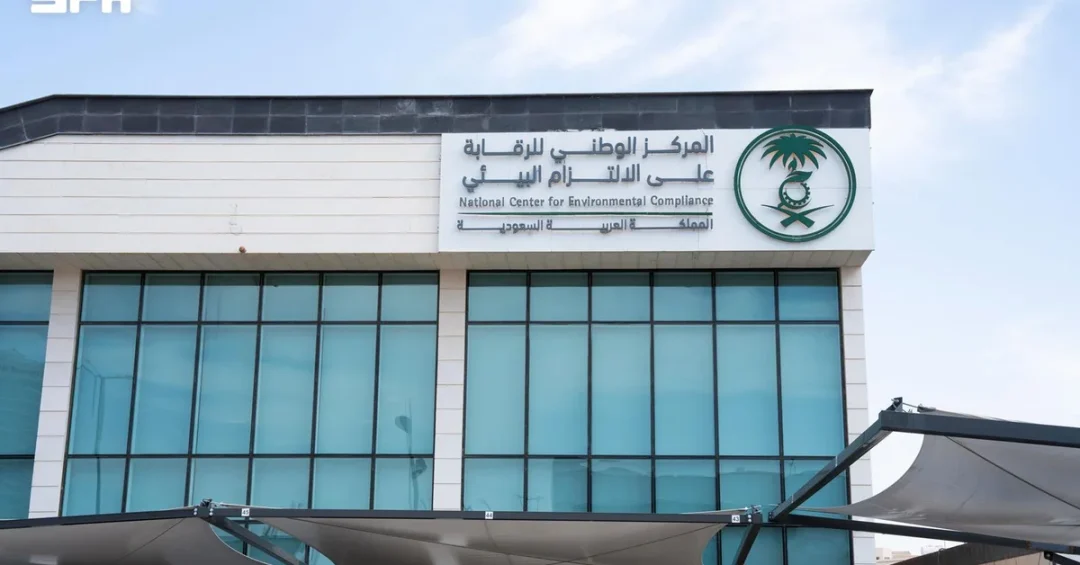
The National Center for Environmental Compliance (NCEC) has completed field surveys across 11 sites covering more than 23 million square meters in the areas surrounding Wadi Hanifah in Riyadh, the Saudi Press Agency reported, marking a significant step in the Kingdom’s nationwide campaign to protect its aquatic environments and strengthen environmental oversight of its valleys. The surveys form part of a broader monitoring program targeting more than 35 valleys across all regions of Saudi Arabia, reflecting the Kingdom’s growing commitment to environmental protection as a core pillar of its long-term development strategy.
The announcement, released through official Saudi channels, underscores the scale of the effort now underway to document and address environmental violations in some of the Kingdom’s most important natural corridors. Wadi Hanifah, a 120-kilometer valley that runs through the heart of Riyadh, has been the focus of extensive rehabilitation efforts over the past two decades and is widely regarded as one of the capital’s most valuable ecological and recreational assets. How does a nation balance rapid urban expansion with the protection of the natural systems that sustain its cities? Saudi Arabia’s approach, as demonstrated by this latest NCEC campaign, suggests that systematic monitoring and data-driven enforcement are central to that balance.
Context and Background
What makes the NCEC’s valley monitoring program different from previous environmental efforts in the Kingdom? According to the center, the field surveys were built on a three-year baseline beginning in 2022, developed through geospatial analysis and satellite imagery, surface and groundwater flow modeling, and artificial intelligence applications. These advanced tools are designed to improve the accuracy of detecting environmental changes and identifying sites affected by environmental violations, allowing regulators to move from reactive responses to proactive, evidence-based oversight.
The program targets key categories of environmental violations, including pollutant discharges, waste accumulation, encroachment on valley channels, and activities that may adversely affect water and soil quality. By establishing an integrated database of affected sites and pollution sources, the NCEC aims to set monitoring priorities based on rigorous data analysis rather than ad hoc inspections. This represents a meaningful evolution in how environmental compliance is managed across the Kingdom, aligning with broader national efforts to modernize governance and improve quality of life for citizens and residents alike.
The initiative also reflects the growing importance of environmental stewardship within Saudi Arabia’s national development agenda. As the Kingdom pursues ambitious urbanization and economic diversification goals, the protection of natural resources such as valleys, groundwater reserves, and soil systems has become an integral part of planning rather than an afterthought. The NCEC’s work in Wadi Hanifah is therefore not merely an enforcement exercise but a foundational component of a longer-term strategy to ensure that environmental health keeps pace with economic growth.
Key Details
What did the surveys actually find in the areas surrounding Wadi Hanifah? Adel Al-Ghamdi, Executive Director of Regional Operations at the NCEC, stated that the surveys identified several environmentally degraded sites, including illegal dumping areas, degraded water outfalls, and water collection and drainage sites. Municipal waste, construction waste, and demolition debris were also detected at several of the surveyed locations, indicating a range of pressures on the valley’s ecosystem.
Al-Ghamdi emphasized that the center is working to verify the sources of these violations and identify those responsible, in preparation for taking the necessary regulatory action and requiring them to remediate the environmental impacts and rehabilitate the affected sites in accordance with approved requirements and standards. The center will also follow up on remediation efforts to ensure that the sources of pollution are eliminated and to reduce the risk of recurrence, a follow-through mechanism that distinguishes this campaign from one-off inspection programs.
The scale of the survey work is notable: more than 23 million square meters across 11 sites represents a substantial area, roughly equivalent to several thousand football fields. This level of coverage would be difficult to achieve through traditional ground-based inspection alone, which is why the integration of satellite imagery, modeling, and artificial intelligence has been central to the program’s design. The NCEC’s approach allows for more precise targeting of areas where violations are most likely to occur, improving both efficiency and effectiveness.
International and Regional Impact
How does Saudi Arabia’s environmental monitoring effort resonate beyond its borders? The Kingdom’s investment in sophisticated compliance technologies and large-scale field surveys positions it as a regional leader in environmental governance, an area of increasing importance as countries across the Middle East confront shared challenges such as water scarcity, desertification, and urban waste management. By developing a replicable model for valley monitoring, the NCEC is contributing to a broader body of regional knowledge on how to protect fragile aquatic environments in arid climates.
The program also aligns with international environmental frameworks and expectations, including global commitments to sustainable development and climate resilience. Saudi Arabia’s participation in these global conversations has grown steadily, and initiatives such as the NCEC’s valley surveys demonstrate that the Kingdom is translating international commitments into concrete domestic action. For international observers, the campaign offers a clear example of how a resource-rich nation can apply advanced technology to environmental protection while simultaneously pursuing economic modernization.
Regional cooperation on environmental issues is likely to benefit from the data and methodologies developed through this program. Neighboring countries facing similar ecological pressures may find useful lessons in the NCEC’s integrated approach, which combines regulatory enforcement with scientific monitoring and rehabilitation requirements. The emphasis on identifying pollution sources and holding violators accountable also sends a signal that environmental compliance is being taken seriously at the highest levels of Saudi governance.
Economic and Strategic Significance
Why does environmental compliance matter for Saudi Arabia’s economic future? Clean valleys and protected water resources are essential to public health, agricultural productivity, and the attractiveness of urban areas to investors and skilled workers. As Riyadh continues to grow as a global business hub, the quality of its natural environment becomes an increasingly important factor in its competitiveness. The rehabilitation of Wadi Hanifah and other valleys supports the broader goal of making Saudi cities among the most livable in the world.
The NCEC’s work also has direct implications for water security, a strategic priority for a country that relies heavily on desalination and groundwater management. Valleys serve as natural drainage systems and contribute to groundwater recharge, meaning that pollution or encroachment can have lasting effects on water availability. By protecting these systems, the monitoring campaign helps safeguard a resource that is fundamental to the Kingdom’s long-term stability and prosperity. The economic value of preventing contamination is substantial, both in avoided remediation costs and in the preservation of ecosystem services.
Furthermore, the program supports the development of a modern regulatory environment that encourages responsible business practices. Companies operating in or near valley areas are being put on notice that environmental violations will be detected and addressed, which in turn incentivizes compliance and innovation in waste management and construction practices. This shift toward accountability can stimulate demand for cleaner technologies and services, contributing to the growth of a green economy sector within the Kingdom.
Vision 2030 Alignment
How does the NCEC’s valley monitoring campaign connect to Saudi Vision 2030? Environmental sustainability is embedded throughout the Vision 2030 framework, which seeks to diversify the economy, improve quality of life, and position the Kingdom as a global leader in responsible development. The protection of natural environments such as Wadi Hanifah directly supports the quality-of-life objectives that underpin the Vision, ensuring that urban growth does not come at the expense of the ecosystems that make Saudi cities distinctive and livable.
The use of advanced technologies, including artificial intelligence and satellite-based geospatial analysis, also reflects the Vision’s emphasis on digital transformation and innovation. By integrating these tools into environmental enforcement, the NCEC is demonstrating how modern technology can be harnessed for public good, a theme that runs through many of the Kingdom’s flagship initiatives. As the monitoring program expands to cover more valleys across all regions, it will contribute to a comprehensive national picture of environmental health that can inform policy, investment, and community engagement for years to come. The campaign stands as a clear example of Saudi Arabia’s commitment to sustainable development and to preserving its natural heritage for future generations.
20 Questions
Q1. What did the National Center for Environmental Compliance announce?
A1. The NCEC announced the completion of field surveys across 11 sites covering more than 23 million square meters in areas surrounding Wadi Hanifah in Riyadh, as part of a nationwide environmental monitoring campaign.
Q2. How many valleys are targeted by the nationwide monitoring campaign?
A2. The campaign targets more than 35 valleys across all regions of the Kingdom, aiming to protect aquatic environments and enhance environmental oversight of valleys.
Q3. What is the purpose of the valley monitoring program?
A3. The program aims to protect aquatic environments, enhance environmental oversight, and establish an integrated database of affected sites and pollution sources to set monitoring priorities.
Q4. Who is Adel Al-Ghamdi?
A4. Adel Al-Ghamdi is the Executive Director of Regional Operations at the National Center for Environmental Compliance, and he provided details about the survey findings and enforcement plans.
Q5. What types of violations were identified in the surveys?
A5. The surveys identified illegal dumping areas, degraded water outfalls, water collection and drainage sites, as well as municipal waste, construction waste, and demolition debris at several locations.
Q6. What action will the NCEC take against those responsible for violations?
A6. The NCEC is verifying the sources of violations and will take necessary regulatory action, requiring responsible parties to remediate environmental impacts and rehabilitate affected sites according to approved standards.
Q7. How will the NCEC follow up on remediation efforts?
A7. The center will follow up to ensure pollution sources are eliminated and to reduce the risk of recurrence, verifying that rehabilitation meets approved requirements and standards.
Q8. What technology was used to conduct the field surveys?
A8. The surveys used geospatial analysis, satellite imagery, surface and groundwater flow modeling, and artificial intelligence applications to improve detection accuracy.
Q9. When did the baseline for the surveys begin?
A9. The field surveys were based on a three-year baseline beginning in 2022, developed using advanced analytical tools and modeling techniques.
Q10. What is Wadi Hanifah and why is it important?
A10. Wadi Hanifah is a 120-kilometer valley running through Riyadh, serving as a vital ecological and recreational corridor that has undergone extensive rehabilitation over the past two decades.
Q11. What are the key environmental violations targeted by the program?
A11. The program targets pollutant discharges, waste accumulation, encroachment on valley channels, and activities that may adversely affect water and soil quality.
Q12. How does the program improve environmental oversight?
A12. By integrating satellite imagery, modeling, and artificial intelligence, the program enables more precise detection of environmental changes and prioritizes monitoring based on data analysis.
Q13. What is the significance of the 23 million square meters surveyed?
A13. The area is substantial, equivalent to thousands of football fields, demonstrating the scale and thoroughness of the NCEC’s monitoring efforts around Wadi Hanifah.
Q14. How does this initiative benefit public health?
A14. Protecting valleys from pollution helps safeguard water resources, reduces health risks from contaminated water and soil, and supports cleaner urban environments for residents.
Q15. What role does environmental protection play in Saudi Vision 2030?
A15. Environmental sustainability is a core pillar of Vision 2030, supporting quality-of-life improvements, economic diversification, and the Kingdom’s emergence as a global leader in responsible development.
Q16. How does the program support water security in Saudi Arabia?
A16. Valleys contribute to groundwater recharge, so protecting them from pollution and encroachment helps preserve a critical water resource for the Kingdom’s long-term stability.
Q17. What economic benefits arise from environmental compliance?
A17. Compliance reduces remediation costs, preserves ecosystem services, attracts investment, and stimulates demand for cleaner technologies and responsible business practices.
Q18. How does the NCEC’s approach differ from traditional inspections?
A18. The NCEC uses advanced technologies like AI and satellite imagery to proactively detect violations and establish an integrated database, rather than relying solely on reactive, ground-based inspections.
Q19. What message does this campaign send to businesses operating near valleys?
A19. It signals that environmental violations will be detected and addressed, encouraging compliance, accountability, and innovation in waste management and construction practices.
Q20. What is the long-term goal of the valley monitoring campaign?
A20. The campaign aims to build a comprehensive national picture of environmental health, inform policy and investment, and preserve Saudi Arabia’s natural heritage for future generations.
Reader Feedback
We value your thoughts. Please share your feedback on this article.
Your feedback helps us improve our coverage.
Related articles
 Saudi Ministry Holds Islamic Course in Lagos, Nigeria
 Spanish Falcon Farm Sells All 32 Birds on Debut at Riyadh Auction
 Saudi Weather Forecast: Thunderstorms and Hail Expected Sunday
 Four Bodies Recovered After Migrant Boat Sinks off Tunisia
 Saudi Ministry Trains 50 Imams in Montenegro
 MWL Condemns Terrorist Attack on Security Bus in Syria