


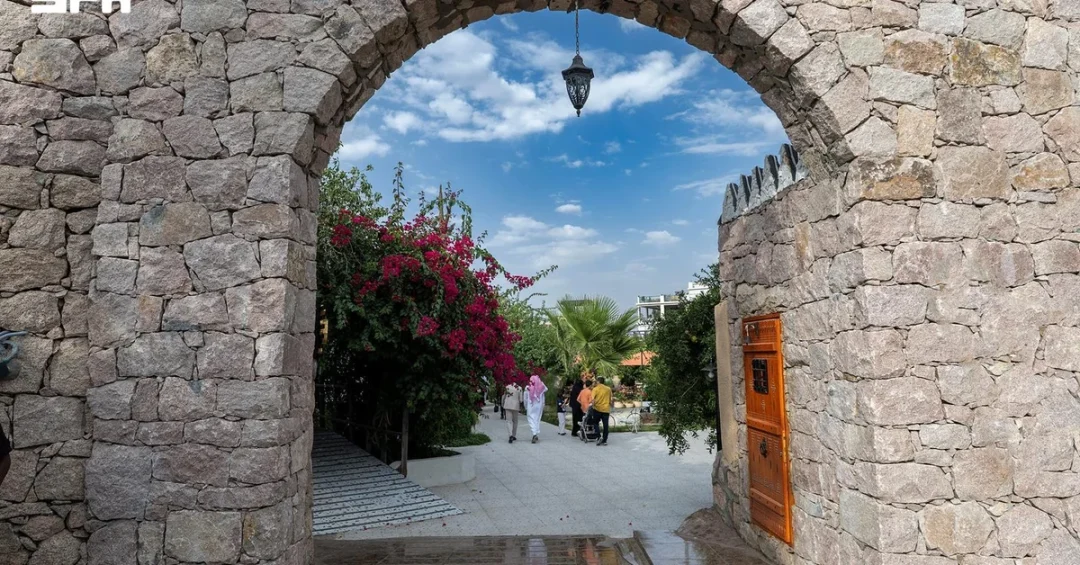
Taif’s pomegranate orchards have entered full harvest, drawing residents and summer visitors to the mountain slopes for one of the Kingdom’s most anticipated agricultural seasons, the Saudi Press Agency reported on August 5, 2026. The governorate’s farms are transforming into open-air destinations where agriculture, tourism, and local commerce converge, offering an experience that showcases the region’s natural abundance and its enduring place in Saudi Arabia’s cultural and economic life.
The pomegranate season is regarded not only as a harvest period but also as an integral part of Taif’s agricultural identity. The governorate is renowned for its diverse seasonal produce, with the harvests of roses, grapes, mulberries, and pomegranates succeeding one another in a year-round agricultural cycle. This reflects the area’s rich natural environment and reinforces Taif’s appeal throughout the year. But what makes this particular season so compelling for visitors and farmers alike? The answer lies in the unique combination of tradition, terrain, and the growing appetite for authentic rural experiences among domestic and international travelers.
Context and Background
How did Taif become synonymous with pomegranates in the first place? The governorate’s high-altitude setting, cool climate, and fertile mountain slopes have long provided ideal conditions for fruit cultivation. Located in the Makkah region, Taif sits at an elevation that moderates temperatures and supports a diversity of crops rarely matched elsewhere in the Kingdom. Pomegranates, in particular, have thrived here for generations, becoming a signature product that links the area’s agricultural heritage to its modern identity as a destination for nature and culture.
The seasonal rhythm of Taif’s farms is central to this story. As pomegranates begin to ripen, they follow the harvests of roses, grapes, and mulberries, creating a continuous cycle of agricultural activity that sustains local livelihoods and keeps the region vibrant throughout the year. The Saudi Press Agency noted that this succession of harvests reflects the area’s rich natural environment and reinforces Taif’s appeal across seasons, not merely during a single peak period. For visitors, this means that a trip to Taif at almost any time of year offers something to see, taste, and learn.
Official Saudi channels have consistently highlighted the importance of agriculture to the Kingdom’s broader development goals. The Ministry of Environment, Water and Agriculture has emphasized the role of sustainable farming and agritourism in diversifying rural economies, while the Saudi Tourism Authority has promoted seasonal experiences that connect travelers with the country’s landscapes and traditions. In this context, the pomegranate season is more than a local event; it is a living example of how heritage and modern tourism can reinforce one another.
Key Details
What does a typical day in the orchards look like during peak harvest? Farms remain active from early morning as workers harvest, sort, and prepare the fruit for market. The labor is careful and skilled, with pickers selecting pomegranates at the right stage of ripeness to ensure quality for both local sale and distribution to other regions. Many visitors prefer purchasing pomegranates directly from the farms while strolling through the orchards and learning about traditional farming methods. This growing form of agritourism continues to attract families and visitors seeking authentic rural experiences.
The direct-to-consumer model benefits both sides. Farmers gain a higher margin by selling at the farm gate, while visitors obtain fresh produce and a personal connection to the land. It also creates opportunities for small businesses, from roadside stalls to guided orchard tours, that add value to the agricultural economy. The Saudi Press Agency’s report underscores that the pomegranate season is regarded not only as a harvest period but also as an integral part of Taif’s agricultural identity, a point that resonates with the many families who return year after year.
Beyond the fruit itself, the season supports a wider ecosystem of activity. Local markets, restaurants, and hospitality providers see increased traffic as visitors extend their stays to explore the surrounding mountains, rose farms, and heritage sites. This multiplier effect is precisely what proponents of agritourism point to when they argue that agriculture and tourism should be developed together rather than in isolation. In Taif, that integration is already happening on the ground, driven by the natural calendar of the harvest.
International and Regional Impact
How does a regional harvest season connect to Saudi Arabia’s global image? For international audiences, Taif’s pomegranate season offers a window into a side of the Kingdom that is often overlooked: its green mountains, its farming communities, and its deep-rooted traditions of hospitality. As Saudi Arabia continues to open up to tourism under Vision 2030, experiences like this help diversify the narrative, showing that the country’s appeal extends far beyond its major cities and religious sites.
Regionally, the season strengthens ties within the Makkah region and beyond. Visitors from other parts of the Kingdom travel to Taif, supporting local businesses and reinforcing domestic tourism. At the same time, the quality of Taif’s produce has earned recognition in neighboring markets, where Saudi agricultural exports are increasingly valued for their freshness and flavor. The pomegranate, with its long shelf life and cultural significance, is a natural ambassador for Saudi agriculture.
International media and travel platforms have begun to take note of Saudi Arabia’s seasonal food and farm experiences, part of a broader interest in sustainable and experiential travel. By welcoming visitors to its orchards, Taif participates in this global trend while remaining rooted in its own heritage. The result is a form of tourism that feels authentic rather than staged, and that benefits the community directly.
Economic and Strategic Significance
What does the pomegranate season mean for the local economy? Agriculture remains a vital source of income and employment in Taif, and the pomegranate harvest is one of its most important seasonal drivers. The income generated during these weeks supports farming families, seasonal workers, and the small enterprises that serve them. When visitors buy directly from farms, that spending circulates within the local economy, creating a more resilient rural livelihood than would be possible through wholesale sales alone.
Strategically, the season aligns with Saudi Arabia’s efforts to strengthen food security and diversify rural economies. The Ministry of Environment, Water and Agriculture has promoted modern irrigation, pest management, and post-harvest handling to improve yields and quality. These investments help farmers meet growing demand while preserving the land for future generations. Agritourism adds another layer, turning farms into destinations that generate income beyond the sale of fruit.
The broader economic context is one of transformation. Vision 2030 seeks to broaden the Kingdom’s economic base, create jobs, and enhance quality of life. Taif’s agricultural calendar, with its successive harvests and its capacity to attract visitors, exemplifies how local resources can be leveraged in ways that are both economically productive and culturally meaningful. The pomegranate season is a small but vivid illustration of that larger strategy.
Vision 2030 Alignment
How does a harvest in Taif connect to the Kingdom’s long-term vision? Vision 2030 places a strong emphasis on diversifying the economy, empowering local communities, and promoting sustainable tourism. The pomegranate season touches on all three. It supports rural livelihoods, encourages domestic and international visitation, and showcases Saudi Arabia’s natural and cultural assets in a way that is consistent with the vision’s goals. The Saudi Press Agency’s coverage reflects the official recognition that agriculture and tourism are complementary pillars of development.
Looking ahead, the continued growth of agritourism in Taif will depend on investment in infrastructure, training, and marketing. Improved roads, visitor facilities, and digital platforms can help more people discover the orchards. Training for farmers in hospitality and storytelling can enrich the experience. And coordinated promotion by the Saudi Tourism Authority and regional authorities can position Taif as a year-round destination, not just a summer escape.
For international readers, the message is clear: Saudi Arabia’s transformation is not only about megaprojects and global events. It is also about the quiet, enduring rhythms of its farms and the communities that tend them. As pomegranates ripen on the mountain slopes of Taif, they offer a taste of a Kingdom that is proud of its heritage and open to the world. The season is a reminder that sustainable development can be rooted in tradition, and that the best ambassadors for a country are often its simplest and most authentic treasures.
20 Questions
Q1. What is the pomegranate season in Taif?
A1. It is the annual harvest period when pomegranates ripen across Taif’s mountain orchards, typically drawing residents and summer visitors to farms for fresh fruit, orchard walks, and traditional farming experiences.
Q2. Why is Taif well suited to pomegranate cultivation?
A2. Taif’s high altitude, cool climate, and fertile mountain slopes provide ideal conditions for pomegranates and other fruits, supporting a diverse agricultural cycle that has thrived for generations.
Q3. How does the pomegranate season fit into Taif’s agricultural calendar?
A3. It follows the harvests of roses, grapes, and mulberries, creating a year-round cycle that reflects the area’s rich natural environment and keeps the region appealing to visitors across seasons.
Q4. What activities take place on farms during the season?
A4. Farms remain active from early morning as workers harvest, sort, and prepare fruit for market. Visitors often purchase pomegranates directly and stroll through orchards while learning about traditional farming methods.
Q5. What is agritourism and how does it apply here?
A5. Agritourism combines agriculture and tourism. In Taif, it means farms welcome visitors to experience harvests, buy produce directly, and learn about rural life, attracting families seeking authentic experiences.
Q6. Who benefits from the pomegranate season?
A6. Local farmers, seasonal workers, small businesses, and the wider community benefit through direct sales, increased visitor spending, and employment opportunities tied to the harvest and related tourism activities.
Q7. How does the season support the local economy?
A7. It generates income for farming families, supports jobs, and boosts local markets, restaurants, and hospitality providers as visitors extend their stays to explore Taif’s mountains and heritage sites.
Q8. What role does the Saudi Press Agency play in reporting this?
A8. The Saudi Press Agency provides official coverage of the season, highlighting its importance to Taif’s agricultural identity and its contribution to tourism and the local economy.
Q9. How does the pomegranate season align with Vision 2030?
A9. It supports economic diversification, rural development, and sustainable tourism, all core goals of Vision 2030, by leveraging local agricultural assets to create jobs and attract visitors.
Q10. What government bodies are involved in promoting such seasons?
A10. The Ministry of Environment, Water and Agriculture and the Saudi Tourism Authority promote sustainable farming and seasonal tourism experiences that connect visitors with the Kingdom’s landscapes and traditions.
Q11. Can international tourists visit Taif’s orchards?
A11. Yes. As Saudi Arabia expands its tourism offerings under Vision 2030, international visitors can experience Taif’s orchards, subject to seasonal timing and local arrangements.
Q12. What makes Taif’s pomegranates distinctive?
A12. The region’s climate and terrain produce pomegranates known for their flavor and quality, making them a signature product that reflects Taif’s agricultural heritage and natural abundance.
Q13. How does the season affect domestic tourism?
A13. It encourages residents from across the Kingdom to travel to Taif, supporting local businesses and reinforcing domestic tourism as a key pillar of the Saudi tourism strategy.
Q14. Are there other agricultural seasons in Taif?
A14. Yes. Taif is known for roses, grapes, and mulberries, among other crops, which succeed one another through the year and sustain the region’s agricultural identity.
Q15. What economic multiplier effects does agritourism create?
A15. Visitor spending extends beyond fruit purchases to accommodation, dining, transport, and guided tours, creating a broader economic impact that benefits multiple local sectors.
Q16. How does the season reflect Saudi Arabia’s food security goals?
A16. By supporting local production and improving farming practices, the season contributes to the Kingdom’s efforts to strengthen food security and reduce reliance on imports.
Q17. What infrastructure supports visitors to Taif’s farms?
A17. Roads, markets, and hospitality services in and around Taif enable visitors to reach orchards and enjoy the experience, with ongoing investment aimed at further improving access and facilities.
Q18. How can farmers benefit from direct sales?
A18. Direct sales at the farm gate allow farmers to capture a higher margin, reduce dependency on intermediaries, and build relationships with customers who value freshness and provenance.
Q19. What is the significance of the season for Taif’s identity?
A19. The pomegranate season is an integral part of Taif’s agricultural identity, symbolizing the region’s natural richness and its ability to blend tradition with modern tourism appeal.
Q20. What does the future hold for agritourism in Taif?
A20. With continued investment in infrastructure, training, and promotion, agritourism in Taif is poised to grow, offering sustainable economic opportunities and enriching experiences for visitors from the Kingdom and abroad.
Reader Feedback
We value your thoughts. Please share your feedback on this article.
Your feedback helps us improve our coverage.
Related articles
 Al-Baha Heritage Villages Become Cultural Tourism Hub
 Saudi Arabia Ensures Security for Umrah Season 1446 AH
 Hail’s Al-Ulaya District Preserves 150 Years of Heritage
 Twisted Labs Opens as Riyadh’s New Entertainment Zone
 Red Sea Global Secures Sustainable Aviation Fuel Deal
 Souq Al Thulatha: Abha’s Iconic Market of Culture and Commerce