


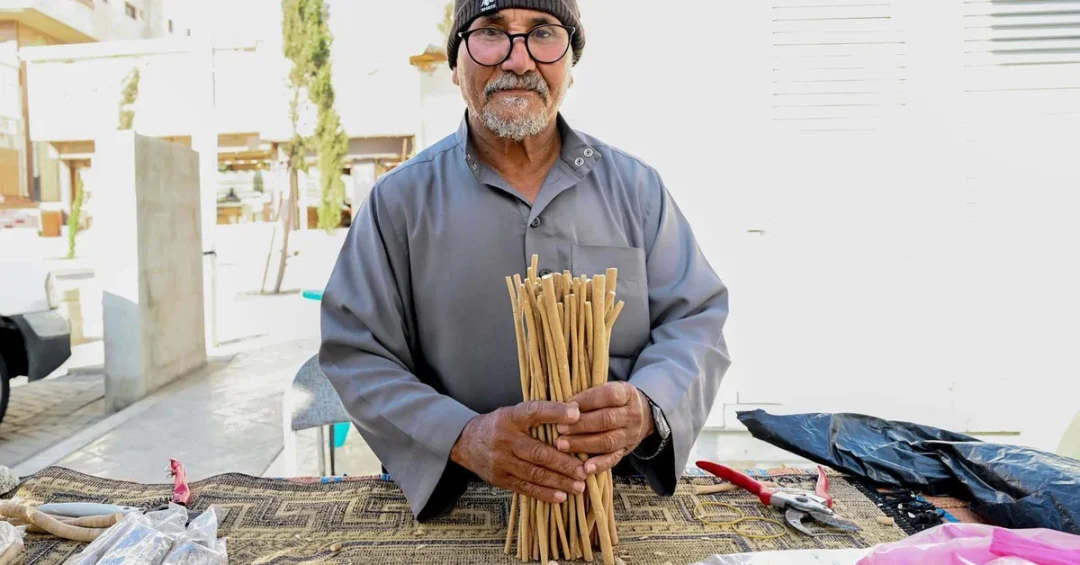
Demand for Siwak, the traditional chewing stick derived from the Salvadora persica tree, rises sharply across the Kingdom of Saudi Arabia during the holy month of Ramadan, according to the Saudi Press Agency (SPA), as families in Al-Baha and beyond incorporate the practice into daily routines to maintain oral health, follow the Sunnah of Prophet Mohammed, peace be upon him, and exchange the sticks as thoughtful gifts. The annual surge reflects a tradition that has endured for more than 1,400 years and remains woven into the spiritual and social fabric of Ramadan observance in the Kingdom.
Have you ever wondered why a simple twig, cut from a desert tree, still finds a place in modern Saudi homes alongside electric toothbrushes and mouthwash? The answer lies in a rare combination of faith, heritage, and practical benefit. Siwak, also known as miswak, is harvested from the Salvadora persica tree — often called the toothbrush tree — and its use is documented in Islamic tradition as a practice of the Prophet Mohammed, peace be upon him. During Ramadan, when daily habits shift and spiritual reflection deepens, that connection becomes especially meaningful for millions of people across Saudi Arabia and the wider region.
According to information released through the Saudi Press Agency, the Kingdom’s official news authority, Siwak sellers report a marked increase in purchases during the holy month, with demand spanning local markets, gift shops, and online platforms. The trend underscores how religious observance and cultural heritage continue to shape consumer behavior in Saudi Arabia, even as the country undergoes rapid modernization under Vision 2030.
Context and Background
Why does a tradition rooted in the seventh century continue to thrive in an era of advanced dental care? The story of Siwak begins with the Salvadora persica tree, a hardy species native to the Arabian Peninsula and other arid regions. Its branches are rich in natural compounds, including fluoride, silica, and antimicrobial agents, which have made it a practical tool for oral hygiene for centuries. In Islamic tradition, the use of Siwak is linked to the Sunnah of the Prophet Mohammed, peace be upon him, who encouraged its use as a means of purification and devotion.
Ahmed Al-Ghamdi, a Siwak seller based in Al-Baha, told the Saudi Press Agency that the practice dates back more than 1,400 years. He explained that the Prophet’s use of Siwak contributed to its widespread popularity, particularly during Ramadan, when Muslims fast from dawn to sunset and place greater emphasis on cleanliness, self-discipline, and spiritual reflection. The holy month, he noted, brings a noticeable uptick in demand as families restock supplies and share the sticks as gifts with relatives, neighbors, and friends.
The harvesting process itself reflects a deep respect for nature and sustainability. Al-Ghamdi described how producers select healthy, robust trees and carefully cut branches to ensure the tree remains unharmed and can continue to thrive. After cutting, the sticks are thoroughly washed, dried, and trimmed to convenient lengths — typically between 15 and 20 centimeters — making them easy to use and carry. This method preserves both the tree and the tradition, allowing future generations to benefit from the same natural resource.
A Ramadan Tradition Rooted in Faith and Heritage
What makes Siwak so integral to the Ramadan experience for so many Saudis? For observant Muslims, the holy month is a period of heightened devotion, and oral hygiene is viewed as part of that spiritual discipline. Using Siwak is seen as an act of Sunnah — a practice recommended by the Prophet — and its natural, chemical-free properties align with a growing preference for traditional and holistic approaches to personal care. During Ramadan, many people use it before prayer, after meals at iftar and suhoor, and as part of their nightly routine.
The gifting dimension of Siwak is equally significant. In many Saudi households, it is customary to present Siwak sticks to family members, friends, and colleagues during Ramadan, often packaged in decorative holders or gift sets. This practice strengthens social bonds and reinforces the communal spirit of the month. Al-Ghamdi noted that the tradition is passed down through generations, with parents teaching children how to prepare and use the stick — a ritual that carries both practical instruction and cultural meaning.
Ramadan, which follows the lunar calendar and shifts each year, brings a predictable seasonal spike in demand for Siwak across the Kingdom. Markets in cities such as Riyadh, Jeddah, and Al-Baha report increased foot traffic, while online retailers see a surge in orders. The Saudi Press Agency’s report highlights how this demand is not merely commercial but deeply cultural, reflecting a continuity of practice that has survived centuries of change.
Harvesting and Production: A Sustainable Craft
How is Siwak produced in a way that respects both the environment and tradition? The process, as described by Al-Ghamdi, begins with careful selection. Harvesters identify healthy, robust Salvadora persica trees, ensuring that only mature branches are cut. This selective approach allows the tree to regenerate and continue bearing fruit and foliage, supporting local ecosystems in regions like Al-Baha, which is known for its agricultural heritage and mountainous terrain.
Once branches are cut, they are washed to remove dust and impurities, then dried to preserve the natural fibers and active compounds. The sticks are subsequently cut into lengths of 15 to 20 centimeters, a size that fits comfortably in the hand and can be easily trimmed as the tip frays with use. The outer bark is typically removed before first use, exposing the soft inner fibers that release the natural cleaning agents. This simple, low-tech process requires no chemicals or synthetic additives, making Siwak an environmentally friendly alternative to plastic toothbrushes.
The production chain often involves small-scale farmers and artisans, contributing to rural livelihoods in areas such as Al-Baha, Jazan, and Asir. While exact figures on the Siwak market are not officially published, the Saudi Press Agency’s reporting indicates a robust seasonal trade that supports local economies and keeps a traditional craft alive. The sustainable harvesting methods also align with broader environmental goals, including those outlined in Vision 2030, which emphasizes responsible resource management and the preservation of natural heritage.
International and Regional Impact
Does the popularity of Siwak extend beyond Saudi Arabia’s borders? Yes. The practice is observed across the Gulf Cooperation Council (GCC) states, as well as in parts of North Africa, South Asia, and Southeast Asia, where Muslim communities incorporate Siwak into their Ramadan routines. In recent years, Siwak has also gained attention in Western markets as a natural oral care product, with online retailers and specialty stores offering it to health-conscious consumers. This global interest creates opportunities for Saudi producers to export a culturally significant product.
Regionally, the demand surge during Ramadan highlights the shared cultural and religious ties that bind Saudi Arabia to its neighbors. Pilgrims performing Umrah or Hajj often purchase Siwak as a keepsake or gift, further spreading the tradition. The Saudi Press Agency’s report from Al-Baha underscores how a local product can have far-reaching influence, connecting the Kingdom’s heritage to a global audience. For international observers, Siwak offers a window into how Saudi society balances modernity with tradition — a theme central to the Kingdom’s national narrative.
Economic and Strategic Significance
What does the Ramadan Siwak trade reveal about Saudi Arabia’s economic diversity? While Siwak is a niche product compared to major sectors like oil and petrochemicals, its seasonal demand illustrates the vitality of small and medium-sized enterprises (SMEs) in the Kingdom. Vision 2030 aims to boost the SME sector’s contribution to GDP, and traditional goods like Siwak represent an authentic, locally sourced category with growth potential. Entrepreneurs can leverage e-commerce platforms to reach customers nationwide and abroad, turning a heritage item into a viable business.
Moreover, Siwak fits into the broader wellness and personal care market, which is expanding globally. Consumers increasingly seek natural, sustainable, and culturally authentic products. Saudi producers who modernize packaging, obtain quality certifications, and market Siwak’s benefits could capture a share of this trend. The product also complements the Kingdom’s tourism ambitions: visitors to heritage sites and cultural festivals may purchase Siwak as a souvenir, contributing to the local economy. Thus, a simple stick embodies the intersection of tradition, health, and commerce — a combination that resonates with Vision 2030’s goals of economic diversification and cultural preservation.
Vision 2030 Alignment
How does a centuries-old oral hygiene practice connect to Saudi Arabia’s futuristic national plan? Vision 2030, launched by Crown Prince Mohammed bin Salman, seeks to diversify the economy, promote cultural heritage, and enhance quality of life. Siwak touches on all three. Its production supports rural livelihoods and SMEs; its cultural significance reinforces national identity; and its natural, health-promoting properties align with wellness trends. By showcasing Siwak during Ramadan, Saudi Arabia presents a positive image of a society that honors its roots while embracing progress.
The Saudi Press Agency’s reporting on Siwak in Al-Baha is part of a broader effort to document and celebrate the Kingdom’s intangible cultural heritage. Such stories contribute to the success of Vision 2030 by highlighting the richness of Saudi traditions and their relevance in the modern world. As Ramadan drives higher demand for Siwak, it also drives home a larger message: Saudi Arabia’s future is built on the enduring strength of its past. For international audiences, the humble toothbrush tree offers a fresh perspective on a nation in transformation.
20 Questions
Q1. What is Siwak?
A1. Siwak is a traditional chewing stick made from the branches of the Salvadora persica tree, also known as the toothbrush tree. It is used for oral hygiene and holds cultural and religious significance in Saudi Arabia and across the Muslim world.
Q2. Why does demand for Siwak increase during Ramadan?
A2. Demand rises during Ramadan because many Muslims use Siwak to follow the Sunnah of Prophet Mohammed, peace be upon him, and to maintain oral cleanliness during the holy month. It is also commonly exchanged as a gift among family and friends.
Q3. Where is Siwak commonly sold in Saudi Arabia?
A3. Siwak is sold in local markets, specialty shops, and online platforms across Saudi Arabia. Regions like Al-Baha are known for their Siwak trade, with sellers reporting increased activity during Ramadan.
Q4. How is Siwak harvested?
A4. Harvesters select healthy, robust Salvadora persica trees and carefully cut branches to ensure the tree remains unharmed. The sticks are then washed, dried, and cut into lengths of 15 to 20 centimeters.
Q5. What are the health benefits of Siwak?
A5. Siwak contains natural compounds such as fluoride, silica, and antimicrobial agents that help clean teeth and freshen breath. It is a chemical-free alternative to conventional toothbrushes and toothpaste.
Q6. Is Siwak mentioned in Islamic tradition?
A6. Yes, the use of Siwak is linked to the Sunnah of Prophet Mohammed, peace be upon him, who encouraged its use. This religious connection has helped sustain the practice for more than 1,400 years.
Q7. Who is Ahmed Al-Ghamdi?
A7. Ahmed Al-Ghamdi is a Siwak seller based in Al-Baha who spoke to the Saudi Press Agency about the tradition, its harvesting process, and its popularity during Ramadan.
Q8. How long has Siwak been used?
A8. According to Ahmed Al-Ghamdi, the use of Siwak dates back more than 1,400 years, rooted in the practices of Prophet Mohammed, peace be upon him, and passed down through generations.
Q9. What is the Salvadora persica tree?
A9. Salvadora persica is a hardy tree native to arid regions like the Arabian Peninsula. Its branches are used to make Siwak, and it is commonly referred to as the toothbrush tree.
Q10. Can Siwak be given as a gift?
A10. Yes, giving Siwak as a gift is a common Ramadan tradition in Saudi Arabia. It is often presented to family, friends, and colleagues, sometimes in decorative holders or gift sets.
Q11. Is Siwak used outside Saudi Arabia?
A11. Siwak is used in many Muslim-majority countries across the Gulf, North Africa, and Asia. It has also gained interest in Western markets as a natural oral care product.
Q12. How should Siwak be stored?
A12. Siwak should be kept in a dry, cool place to preserve its freshness. Many users wrap it in plastic or place it in a special holder to prevent drying out and contamination.
Q13. Does Siwak have any environmental benefits?
A13. Siwak is biodegradable and made from renewable plant material, making it an environmentally friendly alternative to plastic toothbrushes. Its harvesting methods also support sustainable tree management.
Q14. What is the typical length of a Siwak stick?
A14. Siwak sticks are typically cut to lengths between 15 and 20 centimeters, making them easy to hold and use. Users trim the tip as it frays to expose fresh fibers.
Q15. How does Siwak support local economies?
A15. Siwak production involves small-scale farmers and artisans, particularly in regions like Al-Baha, Jazan, and Asir. It provides income opportunities and supports rural livelihoods, aligning with Vision 2030’s SME goals.
Q16. Is Siwak recognized by health authorities?
A16. Siwak’s natural properties have been studied for their oral health benefits. While not a replacement for professional dental care, it is widely used as a traditional and effective cleaning tool.
Q17. Can non-Muslims use Siwak?
A17. Yes, Siwak is used by people of various backgrounds who seek a natural oral care option. Its practical benefits are accessible to anyone interested in traditional hygiene methods.
Q18. How does Siwak relate to Vision 2030?
A18. Siwak supports Vision 2030 by promoting cultural heritage, boosting SMEs, and encouraging sustainable practices. It reflects the Kingdom’s balance of tradition and modernization.
Q19. What time of year is Siwak most in demand?
A19. Demand peaks during Ramadan, when spiritual observance and gift-giving drive purchases. However, Siwak is available and used year-round in Saudi Arabia and beyond.
Q20. Where can I learn more about Siwak?
A20. Official information about Siwak and its cultural significance is available through the Saudi Press Agency and other Saudi government channels. Local markets and heritage festivals also offer insights into the tradition.
Reader Feedback
We value your thoughts. Please share your feedback on this article.
Your feedback helps us improve our coverage.
Related articles
 Islamic Arts Biennale 2025 Opens in Jeddah with Rare Exhibits
 Riyadh Glows with Lanterns for Ramadan Celebrations
 Jeddah Historic District Hosts Ramadan Season 2025
 Traditional Games Bring Families Together during Ramadan
 Diriyah Biennale Foundation Launches Ramadan ‘Biennale Nights
 First House Exhibition at Grand Mosque Showcases Kaaba History