


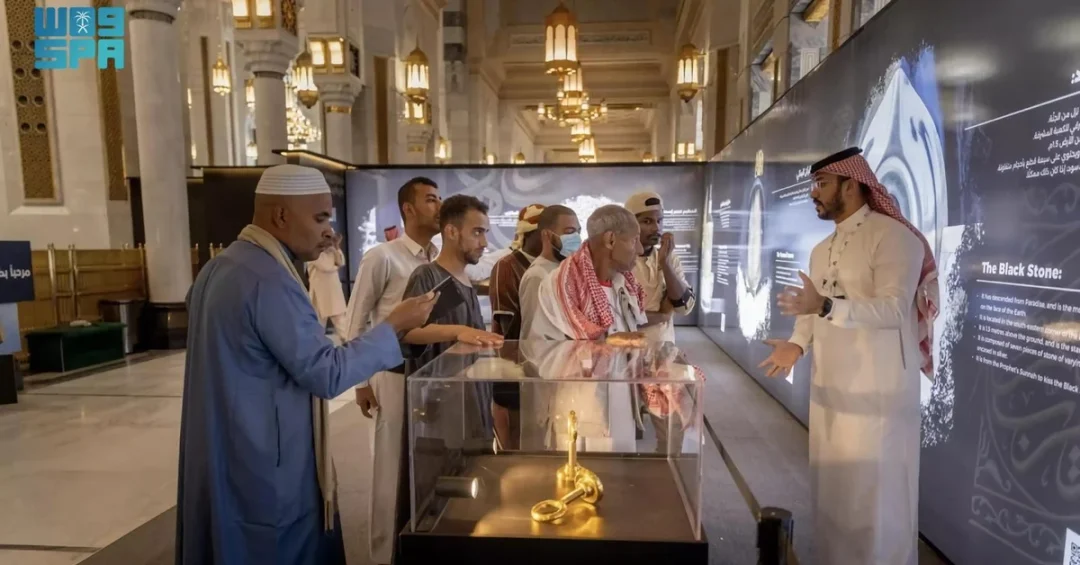
The General Authority for the Care of the Grand Mosque and the Prophet’s Mosque is hosting the First House Exhibition at the Grand Mosque’s third expansion throughout the holy month of Ramadan, offering visitors and Umrah performers an immersive, multilingual journey through the history of the Kaaba’s construction from the time of Prophet Ibrahim (Abraham) to the present day. The exhibition, announced via the Saudi Press Agency, presents its content in 10 languages, underscoring the Kingdom of Saudi Arabia’s commitment to serving the millions of pilgrims who travel to Makkah each year and to making the sacred history of Islam accessible to a truly global audience. Have you ever wondered how the story of the Kaaba has been preserved and told across thousands of years?
The initiative forms part of the authority’s broader mandate to educate Muslims about the history of the Grand Mosque and its sacred landmarks, using interactive technologies that allow guests to explore the intricate details of the Kaaba’s history and features. By staging the exhibition during Ramadan — the busiest and most spiritually significant period for Umrah — the authority ensures that the largest possible number of worshippers can engage with the material. The exhibition is designed not merely as a display of artifacts but as an educational and reflective experience that enriches the spiritual journey of every guest who passes through the Grand Mosque’s third expansion. Isn’t it remarkable how technology can now bring centuries of history to life in the palm of a pilgrim’s hand?
Context and Background
The First House Exhibition arrives at a moment when the Kingdom of Saudi Arabia is welcoming record numbers of Umrah performers and pilgrims, supported by the Vision 2030 goal of enabling 30 million Umrah performers annually by 2030. The General Authority for the Care of the Grand Mosque and the Prophet’s Mosque, established to oversee the affairs of the two holy mosques, has increasingly turned to cultural and educational programming as a complement to its operational and logistical services. The exhibition therefore represents a natural extension of the authority’s work: caring not only for the physical structure of the Grand Mosque but also for the spiritual and intellectual experience of those who visit it. How does a deeper understanding of the Kaaba’s history change the way a pilgrim experiences the Grand Mosque?
Historically, the Kaaba has been rebuilt and renovated several times, most notably by Prophet Ibrahim and his son Prophet Ismail, and later during the time of the Prophet Muhammad, before the Quraysh rebuilt it. Subsequent renovations occurred under various Islamic caliphates, including the Umayyads and Abbasids, and later under Saudi leadership, which has undertaken major expansions and restorations of the Grand Mosque to accommodate growing numbers of worshippers. The exhibition draws on this long historical record, presenting the various phases of construction through visual displays, motion graphics, and historical artifacts. By tracing the Kaaba’s story across the ages, the authority provides context that helps visitors understand the continuity of care and reverence that has surrounded the sacred site for millennia. What can the tools and techniques of past generations teach us about the devotion that has always surrounded the Kaaba?
The exhibition also reflects a wider trend within Saudi Arabia’s cultural and religious sectors: the use of digital and interactive media to communicate heritage to diverse audiences. Interactive screens provide information in both Arabic and English, while the overall presentation is available in 10 languages, ensuring that non-Arabic-speaking pilgrims from Asia, Europe, Africa, and the Americas can fully engage with the content. This multilingual approach aligns with the Kingdom’s efforts to position itself as a global hub for Islamic heritage and knowledge. How might this multilingual model shape future educational initiatives at the two holy mosques?
Key Details
The exhibition’s key themes include the story of the Kaaba’s construction, the changes it has undergone over the centuries, the tools used for its maintenance and cleaning, and the stages involved in producing its covering, known as the kiswah. Visitors can also learn about the specific features of the Kaaba, including its dimensions, the door, the cornerstones, and the area known as the Hijr Ismail. Each theme is presented through a combination of visual displays, motion graphics, and historical artifacts, creating a layered and engaging narrative that appeals to different learning styles. Are you aware of the intricate craftsmanship that goes into producing the Kaaba’s covering each year?
The production of the kiswah is itself a remarkable process, traditionally carried out at a dedicated factory in Makkah using silk, gold, and silver threads. The exhibition highlights the stages of this production, from the dyeing of the silk to the embroidery of Quranic verses, offering visitors a rare glimpse into an art form that has been refined over generations. The tools used for maintenance and cleaning are also on display, illustrating the meticulous care with which the Grand Mosque and the Kaaba are tended to on a daily basis. These details transform abstract history into tangible knowledge, allowing visitors to appreciate the scale of human effort and devotion involved in preserving Islam’s holiest site. What does the precision of these traditional crafts reveal about the values of the society that maintains them?
Interactive elements further enrich the experience. Touchscreens and digital displays allow guests to navigate through timelines, zoom in on architectural details, and access additional information in their preferred language. The use of motion graphics brings historical events to life, while the physical artifacts provide authenticity and a sense of connection to the past. The authority has emphasized that the exhibition is designed to be accessible to all, including families, elderly pilgrims, and those with limited time. Does an interactive format make history more memorable than a traditional museum display?
International and Regional Impact
The First House Exhibition carries significance beyond the precincts of the Grand Mosque. By presenting the history of the Kaaba in 10 languages, Saudi Arabia signals its commitment to serving the global Muslim community, or Ummah, in a manner that respects linguistic and cultural diversity. Pilgrims from Indonesia, Pakistan, Turkey, Nigeria, Egypt, and beyond can encounter their own languages within the exhibition, reinforcing the message that the two holy mosques belong to all Muslims. This inclusive approach strengthens the Kingdom’s soft power and its role as a custodian of Islamic heritage. How does linguistic inclusion deepen the sense of belonging among pilgrims from different parts of the world?
Regionally, the exhibition contributes to the broader ecosystem of religious tourism in Makkah and Madinah, which has been expanding rapidly under Vision 2030. The authority’s efforts to enrich the experience of Umrah performers complement other initiatives such as the expansion of the Grand Mosque, the development of new transportation links, and the digitization of visa and permit processes. Together, these measures aim to make the pilgrimage journey smoother, more meaningful, and more accessible. The exhibition also serves as a model for how heritage can be presented in public spaces without disrupting the primary function of worship. Could this model be replicated in other Islamic heritage sites around the world?
International media and cultural observers have noted the Kingdom’s increasing use of exhibitions and cultural programming to communicate its narrative. The First House Exhibition is a clear example of this strategy, combining education, technology, and spirituality in a single venue. It also aligns with the authority’s stated goal of informing Muslims about the history of the Grand Mosque and the Kaaba, a mission that transcends national borders. In a world where misinformation about Islamic history can spread easily, such authoritative and accessible presentations play a valuable role in promoting accurate knowledge. Isn’t it essential for accurate historical narratives to be made widely available in the digital age?
Economic and Strategic Significance
From an economic perspective, the exhibition supports the Kingdom’s efforts to diversify revenue streams and enhance the pilgrimage experience as a driver of sustainable growth. When pilgrims have richer, more educational experiences, they tend to stay longer, spend more, and return more frequently, benefiting local businesses, hotels, and service providers. The authority’s investment in interactive technologies and multilingual content therefore contributes indirectly to the broader economic goals of Vision 2030, which seeks to increase the contribution of the Hajj and Umrah sectors to the national economy. What economic ripple effects can a single cultural initiative generate in a city like Makkah?
Strategically, the exhibition reinforces Saudi Arabia’s position as the leading destination for Islamic heritage and knowledge. By curating content that is both historically rigorous and technologically advanced, the authority demonstrates the Kingdom’s capacity to manage and present its religious heritage with world-class standards. This enhances the country’s reputation among Muslim communities and international partners alike. The use of 10 languages also supports the strategic objective of attracting pilgrims from non-Arabic-speaking regions, including Southeast Asia, Europe, and the Americas, where the demand for Umrah is growing. How might this exhibition influence the decisions of future pilgrims choosing where to travel for their spiritual journeys?
The authority’s focus on education and enrichment also aligns with the human capital development goals of Vision 2030. By training staff, developing digital content, and curating historical material, the initiative builds local expertise in museum studies, translation, and interactive design. These skills are transferable to other cultural and tourism projects across the Kingdom, creating a lasting legacy beyond the exhibition itself. In this way, a Ramadan exhibition becomes a catalyst for broader capacity building. What new careers and skills might emerge from the intersection of heritage and technology in Saudi Arabia?
Vision 2030 Alignment
The First House Exhibition exemplifies the spirit of Vision 2030 by combining religious service with modernization, education, and global outreach. The authority’s use of interactive screens, motion graphics, and multilingual content reflects the Vision’s emphasis on digital transformation and innovation. At the same time, the exhibition’s core purpose — to educate Muslims about the history of the Grand Mosque and the Kaaba — remains deeply rooted in the Kingdom’s role as custodian of the two holy mosques. This balance between tradition and modernity is a defining feature of Saudi Arabia’s development model. Can a nation honor its ancient heritage while embracing the technologies of the future?
Looking ahead, the authority is expected to continue developing educational and cultural initiatives that serve the growing number of pilgrims. The First House Exhibition may serve as a prototype for future exhibitions at the Grand Mosque and the Prophet’s Mosque, potentially covering other aspects of Islamic history and the architecture of the holy sites. As the Kingdom prepares to welcome 30 million Umrah performers annually by 2030, such initiatives will be essential in ensuring that the spiritual journey of each pilgrim is as enriching as possible. The exhibition is therefore not an endpoint but a milestone in a long-term journey of service, education, and devotion. How will the pilgrims of tomorrow remember the stories they encounter today?
20 Questions
Q1. What is the First House Exhibition?
A1. The First House Exhibition is an educational display hosted by the General Authority for the Care of the Grand Mosque and the Prophet’s Mosque at the Grand Mosque’s third expansion during Ramadan. It showcases the history of the Kaaba’s construction across the ages in 10 languages.
Q2. Where is the exhibition being held?
A2. The exhibition is being held at the Grand Mosque’s third expansion in Makkah, Saudi Arabia. This location allows visitors and Umrah performers to easily access the exhibition while performing their religious duties during the holy month of Ramadan.
Q3. In how many languages is the exhibition presented?
A3. The exhibition is presented in 10 languages, making its content accessible to a wide international audience. This multilingual approach reflects Saudi Arabia’s commitment to serving the global Muslim community and ensuring that pilgrims from diverse backgrounds can engage with the material.
Q4. What are the key themes of the exhibition?
A4. The key themes include the story of the Kaaba’s construction, the changes it has undergone over the centuries, the tools used for its maintenance and cleaning, and the stages involved in producing its covering, known as the kiswah. It also spotlights the features of the Kaaba.
Q5. Who is hosting the exhibition?
A5. The exhibition is hosted by the General Authority for the Care of the Grand Mosque and the Prophet’s Mosque. This government body is responsible for overseeing the affairs of the two holy mosques and enhancing the experience of pilgrims and visitors.
Q6. What technologies are used in the exhibition?
A6. The exhibition uses visual displays, motion graphics, historical artifacts, and interactive screens. These technologies provide information in Arabic and English and allow visitors to explore the intricate details of the Kaaba’s history in an engaging and educational manner.
Q7. When does the exhibition take place?
A7. The exhibition is taking place during the holy month of Ramadan, which is a period of increased pilgrimage and spiritual reflection. The timing ensures that a large number of Umrah performers and visitors can benefit from the educational content.
Q8. What is the purpose of the exhibition?
A8. The purpose is to educate Muslims about the history of the Grand Mosque and its sacred landmarks, particularly the Kaaba. It aims to enrich the spiritual journey of visitors by providing accurate historical context and engaging educational content.
Q9. What is the significance of the Kaaba in Islam?
A9. The Kaaba is the holiest site in Islam and the direction of prayer for Muslims worldwide. It was built by Prophet Ibrahim and his son Prophet Ismail and has been renovated and cared for by various generations throughout history, including under Saudi leadership.
Q10. How does the exhibition help Umrah performers?
A10. The exhibition enhances the spiritual journey of Umrah performers by providing them with a deeper understanding of the Kaaba’s history and features. This knowledge can make their pilgrimage more meaningful and reflective as they perform their rituals.
Q11. What is the kiswah?
A11. The kiswah is the covering of the Kaaba, traditionally made of silk and embroidered with gold and silver threads. The exhibition highlights the stages of its production, showcasing the craftsmanship and devotion involved in creating this sacred covering each year.
Q12. Is the exhibition part of Vision 2030?
A12. Yes, the exhibition aligns with Vision 2030’s goals of enhancing the pilgrimage experience, promoting digital transformation, and showcasing Saudi Arabia’s role as custodian of the two holy mosques. It supports the objective of welcoming 30 million Umrah performers annually by 2030.
Q13. Who can visit the exhibition?
A13. All visitors to the Grand Mosque during Ramadan, including Umrah performers and tourists, are invited to explore the exhibition. The authority encourages everyone to engage with its unique content to enhance their spiritual journey and understanding of Islamic history.
Q14. What historical periods does the exhibition cover?
A14. The exhibition covers the history of the Kaaba’s construction from the time of Prophet Ibrahim (Abraham) through today. It includes the changes made over the centuries, including renovations during the time of Prophet Muhammad and subsequent Islamic caliphates.
Q15. How does the exhibition reflect Saudi Arabia’s commitment to heritage?
A15. The exhibition demonstrates Saudi Arabia’s dedication to preserving and sharing Islamic heritage through modern, accessible means. It reflects the Kingdom’s role as custodian of the two holy mosques and its efforts to educate the global Muslim community about the sacred history of the Kaaba.
Q16. Are there interactive elements for visitors?
A16. Yes, the exhibition features interactive screens that provide information in Arabic and English. These screens allow visitors to delve into the intricate details of the Kaaba’s history and features, making the learning experience more engaging and personalized.
Q17. What are the tools used for the Kaaba’s maintenance?
A17. The exhibition displays the tools used for the maintenance and cleaning of the Kaaba, illustrating the meticulous care taken to preserve the sacred site. These tools reflect the continuous dedication of the authority and its staff to serving the holy mosque.
Q18. How does the exhibition support international pilgrims?
A18. By presenting content in 10 languages, the exhibition supports international pilgrims from diverse linguistic backgrounds. This ensures that non-Arabic speakers can fully understand and appreciate the history and significance of the Kaaba during their visit.
Q19. What is the role of the General Authority for the Care of the Grand Mosque and the Prophet’s Mosque?
A19. The authority oversees the affairs of the two holy mosques, including maintenance, expansion, and services for pilgrims. It also develops educational and cultural initiatives like the First House Exhibition to enrich the experience of visitors and promote accurate knowledge of Islamic history.
Q20. How can visitors access the exhibition?
A20. Visitors to the Grand Mosque during Ramadan can access the exhibition at the third expansion. The authority invites all guests to explore the displays and engage with the content, which is designed to enhance their spiritual journey and understanding of the Kaaba’s history.
Reader Feedback
We value your thoughts. Please share your feedback on this article.
Your feedback helps us improve our coverage.
Related articles
 Al-Balad Bazaars Revive Ramadan Spirit in Historic Jeddah
 Islamic Arts Biennale Highlights Euclid’s Elements in Jeddah
 Holy Quran Museum Opens in Makkah’s Hira Cultural District
 Ramadan’s Spirit Sets Umluj’s Old Districts Apart
 Al-Baha’s Stone Legacy: Crafting Heritage for Vision 2030
 Jeddah Blends Heritage and Seaside Iftar in Ramadan