


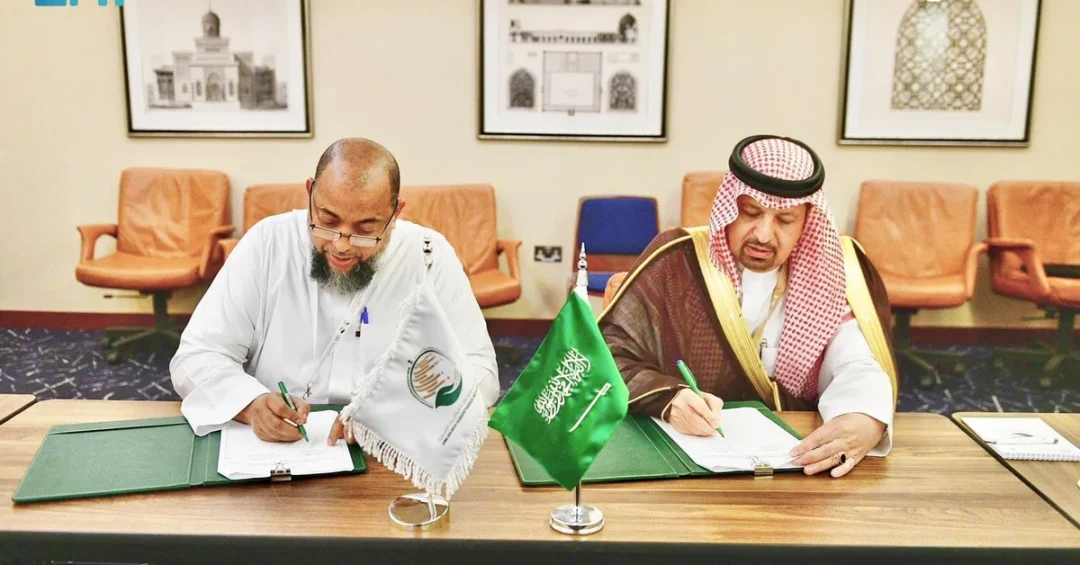
The King Salman Humanitarian Aid and Relief Center (KSrelief) signed a joint program on Wednesday with a civil-society organization to implement volunteer medical projects for heart diseases and surgeries in the Mukalla district of Hadhramaut Governorate, Yemen. The agreement, signed on the sidelines of the fourth Riyadh International Humanitarian Forum, will benefit 2,450 individuals and carries a value exceeding $4 million, according to the Saudi Press Agency (SPA). The program forms part of the humanitarian and relief assistance provided by the Kingdom of Saudi Arabia through KSrelief to enhance medical services in Yemen. The signing underscores Saudi Arabia’s continuing commitment to alleviating the suffering of the Yemeni people and strengthening the country’s healthcare infrastructure.
Why does this agreement matter beyond its immediate beneficiaries? Because it reflects a sustained Saudi strategy of combining emergency relief with long-term capacity building in Yemen’s health sector. The fourth Riyadh International Humanitarian Forum, held in Riyadh, brought together international humanitarian organizations, donors, and experts to coordinate responses to pressing crises. By signing the heart disease and surgery program on the forum’s sidelines, KSrelief demonstrated how high-level diplomatic gatherings can translate into tangible medical interventions on the ground. The program targets Mukalla, the capital of Hadhramaut Governorate, a city that has hosted hundreds of thousands of displaced Yemenis and where specialized cardiac care remains scarce. The agreement is valued at more than $4 million and is expected to deliver volunteer medical projects that include heart surgeries and related treatments for patients who cannot afford or access such services locally.
Context and Background
What conditions have made international support for Yemen’s healthcare system so urgent? Yemen’s medical infrastructure has been severely degraded after years of conflict, leaving millions without reliable access to basic health services, let alone specialized cardiac care. According to international humanitarian assessments, only a fraction of Yemen’s hospitals remain fully functional, and many lack essential equipment, medicines, and trained personnel. Cardiovascular diseases have emerged as a leading cause of mortality in Yemen, yet cardiac surgery centers are concentrated in a few urban areas and are often beyond the reach of poorer families. In Hadhramaut, a governorate in eastern Yemen, the need is particularly acute because the region hosts a large population of internally displaced persons and has limited specialized medical facilities. KSrelief has been one of the most active humanitarian donors in Yemen, implementing projects across food security, water and sanitation, education, and health. The new heart disease and surgery program builds on that track record and specifically addresses a gap that general relief alone cannot fill.
Saudi Arabia has consistently framed its humanitarian engagement in Yemen as a reflection of its commitment to regional stability and the well-being of the Yemeni people. Through KSrelief, the Kingdom has implemented hundreds of projects in Yemen, often in coordination with local authorities and international partners. The fourth Riyadh International Humanitarian Forum served as a platform to showcase these efforts and to mobilize additional support. The presence of civil-society organizations at the signing highlights the collaborative model that KSrelief employs, leveraging local knowledge and networks to ensure that aid reaches those most in need. The Mukalla program is therefore not an isolated gesture but part of a broader, systematic approach to health emergencies and chronic disease management in Yemen.
Key Details of the Agreement
What exactly does the new program entail, and who will benefit? Under the agreement, KSrelief and its civil-society partner will implement volunteer medical projects focused on heart diseases and surgeries in the Mukalla district of Hadhramaut Governorate. The program is expected to benefit 2,450 individuals, with a total value exceeding $4 million. The volunteer medical projects will likely involve teams of Saudi and international cardiac specialists who will perform surgeries and provide consultations, training, and postoperative care. The program’s design reflects a needs-based approach, targeting patients who require cardiac interventions but cannot access them due to financial or logistical barriers. The signing took place on the sidelines of the fourth Riyadh International Humanitarian Forum, an event that convenes humanitarian actors from around the world. The agreement was signed with a civil-society organization, whose local presence will help facilitate patient identification, logistics, and follow-up. This model ensures that the program is both effective and sustainable, with knowledge transfer embedded in the delivery of care.
The value of the program, exceeding $4 million, covers the costs of medical equipment, supplies, surgeries, and the deployment of volunteer medical teams. KSrelief has a long history of implementing similar volunteer medical programs in Yemen and other countries, often in partnership with specialized hospitals and charitable organizations. These programs are typically designed to be quick-impact but also to leave behind improved local capacity. For example, volunteer teams often train local health workers in advanced cardiac care techniques and help establish protocols for patient management. The Mukalla program is expected to follow this pattern, ensuring that the benefits extend beyond the immediate 2,450 beneficiaries. By focusing on heart diseases, KSrelief is addressing one of the most complex and costly areas of healthcare, where specialized expertise is essential and where the consequences of neglect can be fatal.
International and Regional Impact
How does this program fit into the wider international humanitarian response in Yemen? The United Nations and other international organizations have repeatedly warned that Yemen’s health sector is on the brink of collapse, with millions of people in need of medical assistance. Saudi Arabia, through KSrelief, has been a leading donor, often filling gaps that other donors cannot reach. The Mukalla heart disease and surgery program is a concrete example of how Saudi humanitarian diplomacy translates into action. It also reinforces the Kingdom’s role as a responsible regional power that invests in stability and human development. The program’s announcement at the fourth Riyadh International Humanitarian Forum sends a signal that Saudi Arabia is committed to multilateral cooperation and to working with civil society to address urgent health needs. For the international audience, this demonstrates that Saudi humanitarian aid is not only substantial but also strategically targeted and professionally implemented.
Regionally, the program contributes to easing the burden on Yemen’s overwhelmed health system and to improving the quality of life for thousands of families. Heart disease patients often require expensive treatments that are unavailable in Yemen, forcing families to seek care abroad at great cost. By bringing volunteer medical teams to Mukalla, the program reduces the need for medical evacuation and provides care closer to home. This approach also helps to strengthen local health institutions by exposing them to international standards and techniques. In a region where health crises can exacerbate instability, such interventions are an investment in peace and resilience. Saudi Arabia’s continued support for Yemen’s health sector is therefore both a humanitarian imperative and a contribution to regional security.
Economic and Strategic Significance
What makes this program economically and strategically significant for Saudi Arabia and the region? The $4 million investment in cardiac care is part of a much larger portfolio of Saudi humanitarian assistance to Yemen, which totals billions of dollars. While the immediate economic impact is measured in lives saved and suffering alleviated, the program also has broader strategic implications. By improving health outcomes in Yemen, Saudi Arabia helps to stabilize a neighboring country and reduce the drivers of extremism and migration. The program also showcases the effectiveness of Saudi soft power and its commitment to the principles of humanitarianism. Furthermore, it aligns with the Kingdom’s Vision 2030 goal of becoming a global leader in humanitarian and development aid. Vision 2030 emphasizes the importance of international cooperation and the Kingdom’s role in promoting peace and prosperity. The Mukalla program is a tangible expression of that vision, demonstrating how Saudi resources and expertise can be deployed to address critical needs in a neighboring country.
From an economic perspective, the program also supports the development of Yemen’s human capital by treating patients who can then return to work and care for their families. Heart disease often strikes adults in their prime, and untreated conditions can push families into poverty. By providing free surgeries and treatments, KSrelief helps to break the cycle of illness and impoverishment. The program also creates opportunities for local employment, as civil-society partners and local health workers are involved in implementation. In the long term, a healthier Yemeni population contributes to regional economic stability and creates a more conducive environment for trade and investment. Saudi Arabia’s investment in Yemen’s health sector is thus both an act of compassion and a strategic investment in shared prosperity.
Vision 2030 Alignment
How does the KSrelief heart disease and surgery program align with Saudi Arabia’s Vision 2030? Vision 2030 is a comprehensive plan to diversify the Saudi economy, empower citizens, and enhance the Kingdom’s global role. A key pillar of the vision is to increase Saudi Arabia’s contribution to global humanitarian and development efforts. KSrelief, established in 2015, is a direct outcome of this vision, and its work in Yemen exemplifies the Kingdom’s commitment to international solidarity. The program in Mukalla reflects the vision’s emphasis on health and well-being, both domestically and internationally. By supporting cardiac care in Yemen, Saudi Arabia is helping to build a healthier region, which is essential for sustainable development. The program also highlights the role of Saudi volunteers and medical professionals in representing the Kingdom’s values of generosity and compassion. Vision 2030 seeks to position Saudi Arabia as a leader in humanitarian aid, and this program is a clear step in that direction.
Moreover, the program is implemented in partnership with a civil-society organization, reflecting Vision 2030’s focus on enhancing the role of the non-profit sector and promoting public-private partnerships. This collaborative approach ensures that aid is delivered efficiently and that local capacities are strengthened. The signing at the fourth Riyadh International Humanitarian Forum also underscores Saudi Arabia’s growing role as a convenor of global humanitarian dialogue. By hosting such forums and signing agreements on their sidelines, the Kingdom demonstrates its ability to translate vision into action. As Saudi Arabia continues to advance Vision 2030, its humanitarian arm, KSrelief, will remain a vital instrument for projecting the Kingdom’s values and contributing to a more stable and prosperous region. The Mukalla heart program is a testament to that enduring commitment.
20 Questions
Q1. What is the main purpose of the KSrelief program signed for Yemen?
A1. The program aims to implement volunteer medical projects for heart diseases and surgeries in the Mukalla district of Hadhramaut Governorate, Yemen, benefiting 2,450 individuals with a value exceeding $4 million.
Q2. When and where was the agreement signed?
A2. The agreement was signed on Wednesday, on the sidelines of the fourth Riyadh International Humanitarian Forum in Riyadh, Saudi Arabia.
Q3. Which organization signed the agreement with KSrelief?
A3. KSrelief signed the agreement with a civil-society organization, whose name was not specified in the source, to implement the medical projects.
Q4. How many people will benefit from the program?
A4. The program is expected to benefit 2,450 individuals in the Mukalla district of Hadhramaut Governorate.
Q5. What is the total value of the program?
A5. The program’s value exceeds $4 million, covering medical equipment, supplies, surgeries, and the deployment of volunteer medical teams.
Q6. Why is this program important for Yemen?
A6. It addresses the critical need for cardiac care in a country where healthcare infrastructure is severely damaged, and many patients cannot access or afford specialized heart treatments.
Q7. What types of medical services will be provided?
A7. The program will provide heart surgeries, consultations, postoperative care, and likely training for local health workers in advanced cardiac care techniques.
Q8. What is KSrelief’s role in Yemen?
A8. KSrelief, the King Salman Humanitarian Aid and Relief Center, is a leading humanitarian donor in Yemen, implementing projects in food security, health, water, and education.
Q9. How does this program align with Saudi Vision 2030?
A9. It reflects Vision 2030’s goals of enhancing Saudi Arabia’s global humanitarian role, promoting health and well-being, and fostering partnerships with civil society.
Q10. What is the significance of signing at the Riyadh International Humanitarian Forum?
A10. It demonstrates Saudi Arabia’s leadership in convening global humanitarian actors and translating dialogue into tangible aid commitments.
Q11. How does the program help Yemen’s healthcare system?
A11. By bringing volunteer medical teams and specialized care to Mukalla, it reduces the burden on local hospitals and helps build local capacity through training and knowledge transfer.
Q12. What challenges does Yemen face in cardiac care?
A12. Yemen has few specialized cardiac centers, limited equipment, and a shortage of trained personnel, making heart surgery inaccessible for many.
Q13. Who are the volunteer medical teams?
A13. They are likely composed of Saudi and international cardiac specialists who volunteer their time and expertise to perform surgeries and provide care.
Q14. How will patients be selected for the program?
A14. The civil-society partner will help identify patients based on medical need, financial status, and other criteria to ensure fair and effective distribution of services.
Q15. What is the expected duration of the program?
A15. The source does not specify the duration, but such programs typically run for several months to a year, depending on the need and resources.
Q16. How does this program fit into Saudi Arabia’s broader humanitarian efforts?
A16. It is part of Saudi Arabia’s extensive humanitarian portfolio in Yemen, which includes billions of dollars in aid across multiple sectors.
Q17. What impact will the program have on regional stability?
A17. By improving health outcomes and reducing suffering, it contributes to stability and resilience in Yemen, which is vital for regional security.
Q18. Are there other similar KSrelief health programs in Yemen?
A18. Yes, KSrelief has implemented numerous health projects in Yemen, including mobile clinics, hospital support, and disease prevention campaigns.
Q19. How can other organizations support Yemen’s health sector?
A19. They can partner with KSrelief, fund medical projects, provide volunteers, and coordinate with local authorities to address gaps in care.
Q20. What is the ultimate goal of the KSrelief heart program?
A20. The ultimate goal is to save lives, alleviate suffering, and contribute to a healthier Yemen by providing essential cardiac care to those in need.
Reader Feedback
We value your thoughts. Please share your feedback on this article.
Your feedback helps us improve our coverage.
Related articles
 Saudi Arabia Completes Extensive Ramadan Preparations at Holy Mosques
 Saudi Passports Directorate Ready for Ramadan Umrah
 Tarawih Prayers Begin at Makkah Grand Mosque for Ramadan 1446
 OIC Secretary-General Congratulates Member States on Ramadan
 GCC Chief Congratulates Gulf Leaders on Ramadan
 IMCTC Launches Counter-Terrorism Financing Program in Abidjan