


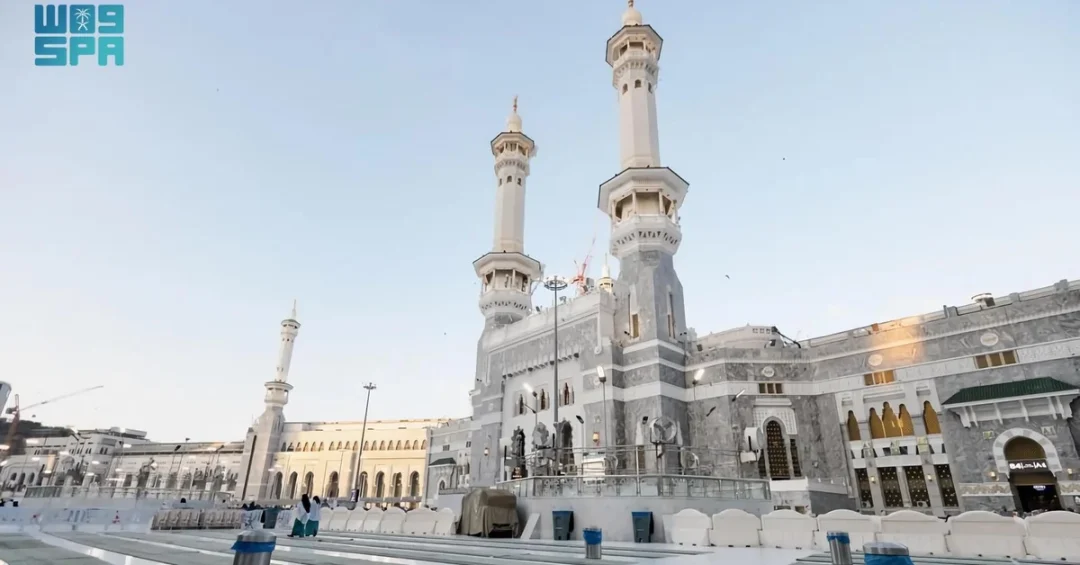
The General Authority for the Care of the Affairs of the Grand Mosque and the Prophet’s Mosque has completed comprehensive preparations to welcome the holy month of Ramadan 1446 AH, unveiling a wide-ranging package of upgraded services designed to elevate the experience of worshippers and visitors across the two holiest sites in Islam. Announced through official Saudi channels, the preparations integrate advanced operational systems, meticulous asset management, and close coordination with relevant authorities, reflecting the Kingdom’s enduring commitment to serving the Guests of God during the busiest devotional period of the Islamic calendar.
The scope of the readiness plan is unprecedented in its breadth, covering everything from mobility and crowd management to spiritual enrichment and family support services. As millions of Muslims from around the world prepare to perform Umrah and observe Itikaf at the Grand Mosque in Makkah and the Prophet’s Mosque in Madinah, the Authority has positioned itself to deliver a seamless, safe, and spiritually fulfilling experience. How does a nation prepare to host one of the largest annual gatherings of faith on earth? The answer lies in months of planning, technological investment, and an unwavering sense of duty rooted in Saudi Arabia’s role as custodian of the Two Holy Mosques.
Context and Background
Ramadan holds a unique place in the Islamic world, and the Two Holy Mosques witness a dramatic surge in worshippers during the month, with attendance often multiplying several times over compared to the rest of the year. The General Authority for the Care of the Affairs of the Grand Mosque and the Prophet’s Mosque, established to oversee all operational and service matters at the two sites, has spent months coordinating with ministries, security agencies, health services, and volunteer organizations to ensure that every detail is addressed. This year’s preparations build on a legacy of continuous improvement that has accelerated under Saudi Vision 2030, which places the enhancement of pilgrimage and Umrah experiences at the heart of its social and economic transformation agenda.
The Authority’s work is not limited to crowd control or cleaning; it extends to the spiritual and human dimensions of the visit. By investing in services that range from luggage storage to children’s hospitality, the Kingdom is signaling that its commitment to the Guests of God encompasses comfort, dignity, and peace of mind. Why does this matter to an international audience? Because the Two Holy Mosques are not only destinations for pilgrimage but also symbols of Saudi Arabia’s global role as a facilitator of religious practice for over a billion Muslims. The efficiency and warmth with which visitors are received during Ramadan serve as a powerful statement of the Kingdom’s organizational capacity and its dedication to Islamic solidarity.
Key Details of the Ramadan Preparations
Among the most notable initiatives is the trial operation of a haircut service for pilgrims after completing the rituals of Umrah, available at five designated locations within the Grand Mosque. This service addresses a practical need for male pilgrims who shave or trim their hair as part of the Umrah rites, offering a convenient, hygienic, and regulated alternative to informal providers. The luggage storage service has also been significantly upgraded, now featuring electronic tracking and monitoring within two primary centers and six luggage reception points at the main entrances. This innovation reduces congestion and allows worshippers to move freely without being burdened by personal belongings.
Mobility within the Grand Mosque has been enhanced by doubling the number of electric golf carts to 400, strategically distributed across 11 locations. This measure is particularly beneficial for the elderly, people with disabilities, and those with limited stamina, ensuring that all visitors can navigate the expansive courtyards and prayer halls with ease. The Itikaf experience—a spiritual retreat during the last ten days of Ramadan—has been enriched through new services and a more comfortable, reassuring environment. Iftar services have been streamlined through an advanced electronic registration system, and a wider variety of food items have been added to the offerings, reflecting a thoughtful approach to the dietary and cultural preferences of a diverse international congregation.
Three dedicated children’s hosting centers will operate during Ramadan, providing engaging cultural, religious, and educational experiences. These centers allow parents to perform their rituals with peace of mind, knowing that their children are in a safe and enriching environment. Operational services have been significantly enhanced, with increased cleaning, sterilization, and perfuming using specialized equipment. Fully equipped restrooms are operational, the number of carpets has been doubled, and multiple Zamzam water points ensure the constant availability of chilled and non-chilled water. The gate systems have been refined to facilitate smooth entry and exit, with designated entrances for the elderly and people with disabilities, while reporting teams are available around the clock to address comments and inquiries.
International and Regional Impact
The Ramadan preparations at the Two Holy Mosques resonate far beyond Saudi Arabia’s borders. Millions of Muslims from every continent travel to the Kingdom during the holy month, and the quality of their experience directly shapes global perceptions of Saudi Arabia’s hospitality and organizational excellence. By implementing electronic tracking for luggage, multilingual guidance personnel, and enhanced services for people with disabilities, the Authority is setting a global benchmark for managing large-scale religious gatherings. These measures also contribute to the broader regional economy, as increased pilgrim traffic supports airlines, hotels, retailers, and small businesses in Makkah, Madinah, and Jeddah.
Moreover, the seamless management of crowds and the provision of spiritual enrichment programs—such as the exhibition on the construction of the Holy Kaaba and visits to the King Abdulaziz Complex for the Holy Kaaba Kiswa—reinforce Saudi Arabia’s role as a cultural and religious bridge between East and West. The libraries within the two holy mosques have been stocked with a wide range of books, and an electronic QR code system provides access to enriching religious content. Copies of the Holy Quran have been made readily available throughout both mosques. These initiatives not only serve worshippers but also project an image of a modern, organized, and compassionate Saudi Arabia that honors its heritage while embracing innovation.
Economic and Strategic Significance
The economic implications of Ramadan preparations are substantial. The surge in visitors during the holy month stimulates demand across the hospitality, transportation, and retail sectors, creating temporary employment opportunities and supporting local businesses. The Authority’s investment in technology—from electronic registration for Iftar to QR-coded religious content—demonstrates how digital transformation can enhance service delivery and operational efficiency. These advancements align with the Kingdom’s Vision 2030 goals of diversifying the economy, improving public services, and leveraging technology to create smarter cities and smarter holy sites.
Strategically, the successful management of Ramadan is a testament to Saudi Arabia’s capacity to host mega-events with precision and care. It strengthens the Kingdom’s position as a global leader in pilgrimage management and reinforces the trust that Muslims worldwide place in Saudi stewardship of the Two Holy Mosques. The collaboration between the Authority and other government bodies also showcases the integrated governance model that Vision 2030 promotes, where ministries, agencies, and the private sector work in harmony to achieve national objectives. As the Kingdom continues to expand the capacity of the Two Holy Mosques and improve the Umrah experience, these Ramadan preparations serve as a vital rehearsal for even larger gatherings in the future.
Vision 2030 Alignment
The extensive preparations for Ramadan 1446 AH are a direct reflection of Saudi Vision 2030’s commitment to enhancing the quality of life for citizens and visitors alike, while also elevating the Kingdom’s role as a global destination for spiritual tourism. By investing in infrastructure, technology, and human resources at the Two Holy Mosques, Saudi Arabia is not only fulfilling its religious duty but also advancing its economic diversification agenda. The focus on comfort, accessibility, and enrichment for pilgrims contributes to the Vision’s goal of increasing Umrah and Hajj capacity, attracting more visitors, and showcasing the Kingdom’s ability to blend tradition with modernity.
As the holy month approaches, the General Authority for the Care of the Affairs of the Grand Mosque and the Prophet’s Mosque stands ready to welcome millions with open arms, guided by the leadership’s unwavering dedication to serving the Guests of God. The preparations underscore a simple yet profound truth: Saudi Arabia’s greatest asset is its role as custodian of Islam’s holiest sites, and its greatest ambition is to serve all who come in peace and devotion. In every electric cart, every children’s center, and every Zamzam water point, the spirit of Vision 2030 is alive—building a future where faith and progress walk hand in hand.
20 Questions
Q1. What is the main purpose of the Ramadan preparations at the Two Holy Mosques?
A1. The preparations aim to enhance the experience of worshippers and visitors during Ramadan 1446 AH by providing integrated operational systems, improved services, and a safe, comfortable environment for performing rituals.
Q2. Which authority is responsible for these preparations?
A2. The General Authority for the Care of the Affairs of the Grand Mosque and the Prophet’s Mosque oversees all operational and service arrangements at the two holy sites.
Q3. What new service is being trial-operated for Umrah pilgrims?
A3. A haircut service after completing Umrah rituals is being trial-operated at five designated locations within the Grand Mosque.
Q4. How has the luggage storage service been upgraded?
A4. It now features electronic tracking and monitoring within two primary centers and six luggage reception points at the main entrances.
Q5. How many electric golf carts are available this Ramadan?
A5. The number has been doubled to 400, distributed across 11 locations within the Grand Mosque to improve mobility.
Q6. What improvements have been made for Itikaf participants?
A6. New services and a more comfortable, reassuring environment have been created for those performing Itikaf in the two holy mosques.
Q7. How are Iftar services managed this year?
A7. Iftar services are streamlined through an advanced electronic registration system, and a wider variety of food items have been added.
Q8. Are there facilities for children during Ramadan?
A8. Yes, three dedicated children’s hosting centers will operate, offering cultural, religious, and educational experiences while parents perform rituals.
Q9. What operational enhancements have been implemented?
A9. Increased cleaning, sterilization, and perfuming, fully equipped restrooms, doubled carpets, and multiple Zamzam water points with chilled and non-chilled water.
Q10. How are crowds managed within the two holy mosques?
A10. Comprehensive plans developed with relevant authorities include informative guidance boards and specialized multilingual personnel for directions.
Q11. What services are available for the elderly and people with disabilities?
A11. Designated entrances and electric golf carts are available, along with reporting teams operating around the clock to address inquiries.
Q12. What social and enrichment activities are planned?
A12. An exhibition on the construction of the Holy Kaaba, visits to the King Abdulaziz Complex for the Holy Kaaba Kiswa, and stocked libraries within the mosques.
Q13. How can worshippers access religious content?
A13. An electronic QR code system provides access to enriching religious content, and copies of the Holy Quran are readily available throughout both mosques.
Q14. What is the significance of the haircut service trial?
A14. It offers a convenient, hygienic, and regulated option for male pilgrims, improving their post-Umrah experience and reducing reliance on informal providers.
Q15. How does the luggage tracking system benefit pilgrims?
A15. Electronic tracking reduces congestion, allows worshippers to move freely without belongings, and ensures the security of stored items.
Q16. What role do the children’s centers play?
A16. They provide a safe, engaging environment for children, allowing parents to focus on their rituals with peace of mind.
Q17. How do these preparations align with Vision 2030?
A17. They enhance the quality of life for visitors, boost spiritual tourism, and showcase Saudi Arabia’s ability to blend tradition with modern technology and service excellence.
Q18. What economic impact do Ramadan preparations have?
A18. They stimulate hospitality, transportation, and retail sectors, create jobs, and support local businesses in Makkah, Madinah, and surrounding areas.
Q19. How does the international community benefit from these measures?
A19. Millions of Muslims from around the world enjoy a safer, more comfortable, and spiritually enriching pilgrimage experience, strengthening global perceptions of Saudi hospitality.
Q20. What is the overarching message of these preparations?
A20. Saudi Arabia remains deeply committed to serving the Guests of God with dedication, innovation, and compassion, reflecting its role as custodian of the Two Holy Mosques.
Reader Feedback
We value your thoughts. Please share your feedback on this article.
Your feedback helps us improve our coverage.
Related articles
 Saudi Passports Directorate Ready for Ramadan Umrah
 Tarawih Prayers Begin at Makkah Grand Mosque for Ramadan 1446
 OIC Secretary-General Congratulates Member States on Ramadan
 GCC Chief Congratulates Gulf Leaders on Ramadan
 IMCTC Launches Counter-Terrorism Financing Program in Abidjan
 KSrelief, ARCO Sign Somalia Sanitation Agreement