


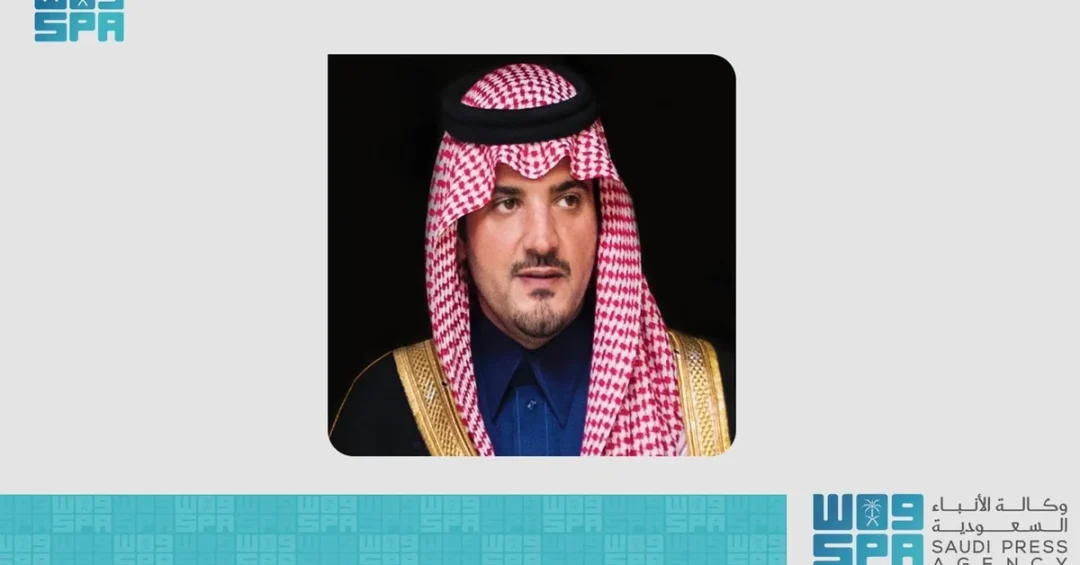
Saudi Interior Minister Prince Abdulaziz bin Saud bin Naif bin Abdulaziz received Syrian intelligence service chief Muwaffaq Doukhi Ma’awen and Syrian anti-narcotics department director Khaled Eid at the ministry’s office in Riyadh on Thursday, February 27, 2025, in a high-level meeting focused on combating drug trafficking and pursuing traffickers. The encounter, announced by the Saudi Press Agency (SPA), underscores the Kingdom’s sustained commitment to regional security cooperation and its determination to confront the cross-border narcotics trade that threatens communities across the Middle East.
Could this meeting signal a new chapter in Saudi-Syrian security coordination? The discussions centered on matters of mutual interest, with a particular emphasis on joint efforts to dismantle trafficking networks and enhance the operational capabilities of both nations’ security apparatuses. Earlier in the day, the Syrian delegation visited the General Directorate of Public Security and the General Directorate of Narcotics Control in Riyadh, where they were briefed on operational mechanisms, security tasks, and the latest technologies employed by both directorates. Several officials attended the meeting, reflecting the seriousness with which both sides approach this shared challenge.
Context and Background
Why has drug trafficking become such a pressing concern for Saudi Arabia and its neighbors? The Arabian Peninsula has long been a target for narcotics smugglers, particularly those trafficking captagon, a highly addictive amphetamine-type stimulant that has flooded regional markets in recent years. The Kingdom has consistently taken a firm stance against this scourge, implementing stringent border controls, launching public awareness campaigns, and actively participating in international counternarcotics initiatives. The meeting between Prince Abdulaziz bin Saud bin Naif bin Abdulaziz and the Syrian officials comes amid broader efforts to stabilize the region and address shared security threats through dialogue and practical cooperation.
Saudi Arabia’s Interior Ministry, under the leadership of Prince Abdulaziz bin Saud bin Naif bin Abdulaziz, has been at the forefront of these efforts, coordinating with both regional and international partners to disrupt trafficking routes and bring perpetrators to justice. The visit by the Syrian intelligence chief and the anti-narcotics director is a tangible outcome of the Kingdom’s diplomatic outreach, which seeks to build constructive relationships that serve mutual interests and contribute to regional stability. It also reflects the recognition that transnational challenges like drug trafficking require transnational solutions, and that engagement, rather than isolation, can yield concrete security gains.
What does this meeting reveal about Saudi Arabia’s evolving role as a regional mediator and security guarantor? It demonstrates that the Kingdom is willing to engage with a range of actors to protect its citizens and uphold the rule of law. The discussions were not merely symbolic; they involved detailed briefings on operational mechanisms and technologies, suggesting a practical, results-oriented approach. By hosting the Syrian delegation at key security installations, Saudi Arabia is sharing its expertise and reinforcing its position as a leader in the fight against narcotics, a priority that aligns with the broader objectives of Vision 2030 to ensure a safe and secure society.
Key Details
What exactly transpired during the meetings, and why do the specifics matter? According to the Saudi Press Agency, the discussions between Prince Abdulaziz bin Saud bin Naif bin Abdulaziz and the Syrian officials focused on “matters of mutual interest, including cooperation in combating drug trafficking and pursuing traffickers.” This language indicates a shared commitment to intelligence sharing, joint operations, and capacity building. The Syrian delegation’s earlier visits to the General Directorate of Public Security and the General Directorate of Narcotics Control provided them with firsthand exposure to Saudi Arabia’s advanced security infrastructure and methodologies.
During these visits, the Syrians were briefed on operational mechanisms, security tasks, and the latest technologies used by both directorates. This exchange of knowledge is critical, as trafficking networks often exploit gaps in border security and differences in enforcement capabilities. By harmonizing their approaches, Saudi Arabia and Syria can more effectively disrupt the supply chains that fuel addiction and instability. The presence of several officials at the meeting further underscores the institutional weight behind this cooperation, signaling that it is not a one-off event but part of a sustained engagement.
Who benefits from this collaboration, and how? The primary beneficiaries are the citizens of both countries, who will be better protected from the scourge of illicit drugs. Saudi Arabia’s youth, in particular, are a key focus of the Kingdom’s anti-narcotics strategy, as protecting the next generation is essential for realizing the ambitious goals of Vision 2030. Additionally, the cooperation enhances regional security by weakening the criminal networks that often have links to terrorism and other forms of organized crime. The meeting also sends a clear message that Saudi Arabia is proactive in addressing threats before they reach its borders, a stance that reinforces its reputation as a responsible and reliable international partner.
International and Regional Impact
How will this meeting resonate beyond Riyadh and Damascus? The international community has long recognized that drug trafficking is a global problem that requires coordinated action. Saudi Arabia’s engagement with Syrian officials on this issue is consistent with its obligations under various international conventions and its participation in multilateral forums. It also complements efforts by other regional states to combat captagon and other narcotics, potentially paving the way for broader intelligence-sharing arrangements. For Syria, cooperation with Saudi Arabia offers an opportunity to demonstrate its commitment to fighting crime and to benefit from Saudi expertise and resources.
What are the implications for regional stability and diplomacy? This meeting is a positive step toward reducing tensions and building trust in a region that has suffered from conflict and division. By focusing on a practical, non-political issue like counternarcotics, Saudi Arabia and Syria can find common ground and lay the groundwork for further dialogue. The Kingdom’s approach reflects its broader foreign policy objectives of promoting peace, security, and development, as articulated by the leadership. It also aligns with the vision of a stable and prosperous Middle East, where countries work together to address shared challenges rather than allowing differences to hinder progress.
Economic and Strategic Significance
Why does counternarcotics cooperation carry economic weight? Drug trafficking imposes enormous costs on societies, including healthcare expenses, lost productivity, and the diversion of resources from development priorities. By curbing the flow of narcotics, Saudi Arabia and Syria can protect their human capital and create a more conducive environment for investment and economic growth. For Saudi Arabia, this is particularly important as it pursues Vision 2030, which aims to diversify the economy and enhance the quality of life for all citizens. A drug-free society is a prerequisite for attracting global talent and investment, and for ensuring that the Kingdom’s youth can contribute fully to national progress.
What strategic advantages does this cooperation offer? It strengthens Saudi Arabia’s position as a regional leader in security and governance, reinforcing its ability to shape outcomes and build coalitions. It also demonstrates the Kingdom’s willingness to engage constructively with neighbors, even those with which it has had complex relations, in pursuit of shared goals. This pragmatic approach enhances Saudi Arabia’s soft power and credibility on the world stage. Furthermore, by sharing its technological and operational expertise, the Kingdom positions itself as a source of stability and innovation in the fight against transnational crime, a role that complements its economic and diplomatic weight.
Vision 2030 Alignment
How does this meeting advance the goals of Saudi Vision 2030? Vision 2030 is a comprehensive blueprint for transforming the Kingdom into a diversified, knowledge-based economy and a vibrant society. A key pillar of this vision is ensuring the safety and security of citizens, which is essential for social stability and economic prosperity. By combating drug trafficking, the Interior Ministry is directly contributing to the creation of a secure environment where individuals and businesses can thrive. The cooperation with Syria also reflects the vision’s emphasis on international engagement and the pursuit of mutually beneficial partnerships that enhance regional stability.
What does this mean for the future of Saudi Arabia’s global role? The Kingdom is increasingly seen as a proactive and responsible actor, willing to tackle difficult issues and build bridges where possible. The meeting between Prince Abdulaziz bin Saud bin Naif bin Abdulaziz and the Syrian officials is a testament to this approach. As Saudi Arabia continues to implement Vision 2030, such engagements will further solidify its standing as a leader in security, diplomacy, and development. The fight against narcotics is a shared responsibility, and the Kingdom’s efforts, in partnership with others, will contribute to a safer, more prosperous region for all.
20 Questions
Q1. Who received the Syrian intelligence chief in Riyadh?
A1. Saudi Interior Minister Prince Abdulaziz bin Saud bin Naif bin Abdulaziz received Syrian intelligence service chief Muwaffaq Doukhi Ma’awen and Syrian anti-narcotics department director Khaled Eid at his office in the ministry.
Q2. When did the meeting take place?
A2. The meeting took place on Thursday, February 27, 2025, according to the Saudi Press Agency.
Q3. What was the main topic of discussion?
A3. Discussions focused on matters of mutual interest, including cooperation in combating drug trafficking and pursuing traffickers.
Q4. Which Saudi directorates did the Syrian officials visit earlier?
A4. The Syrian officials visited the General Directorate of Public Security and the General Directorate of Narcotics Control in Riyadh.
Q5. What were the Syrian officials briefed on during these visits?
A5. They were briefed on operational mechanisms, security tasks, and the latest technologies used by both directorates.
Q6. Who else attended the meeting?
A6. Several officials attended the meeting, underscoring the institutional importance of the discussions.
Q7. Why is combating drug trafficking a priority for Saudi Arabia?
A7. Drug trafficking threatens the health and safety of Saudi citizens, especially youth, and undermines social stability and economic progress, making it a top priority for the Kingdom.
Q8. What is captagon, and why is it relevant?
A8. Captagon is a highly addictive amphetamine-type stimulant that has been widely trafficked in the Middle East, posing a significant challenge to regional security and public health.
Q9. How does this meeting reflect Saudi Arabia’s regional security strategy?
A9. It demonstrates Saudi Arabia’s commitment to engaging with regional partners to address shared threats through dialogue, intelligence sharing, and capacity building.
Q10. What role does the Saudi Interior Ministry play in counternarcotics?
A10. The Ministry leads national efforts to combat drug trafficking, coordinating with international partners, implementing border controls, and raising public awareness.
Q11. What benefits does Syria gain from this cooperation?
A11. Syria can benefit from Saudi expertise, technology, and resources to strengthen its own counternarcotics capabilities and enhance regional security.
Q12. How does this meeting align with Vision 2030?
A12. Vision 2030 prioritizes safety and security as foundations for economic diversification and quality of life, and counternarcotics cooperation directly supports these goals.
Q13. What message does this meeting send to the international community?
A13. It shows that Saudi Arabia is a proactive and responsible actor committed to international cooperation against transnational crime.
Q14. Will there be follow-up actions from this meeting?
A14. While specific follow-up steps were not detailed, such meetings typically lead to continued coordination and joint efforts to combat trafficking.
Q15. How does drug trafficking affect regional economies?
A15. It imposes costs on healthcare, reduces productivity, and diverts resources from development, hindering economic growth and stability.
Q16. What technologies were highlighted during the briefings?
A16. The briefings covered the latest technologies used by Saudi security directorates, though specific systems were not disclosed for security reasons.
Q17. Is this the first such meeting between Saudi and Syrian officials?
A17. This meeting is part of ongoing engagements; Saudi Arabia has previously interacted with Syrian officials on security and humanitarian matters.
Q18. How does this cooperation impact regional stability?
A18. By disrupting trafficking networks, it reduces a source of funding for criminal and extremist groups, contributing to a more stable and secure region.
Q19. What is Saudi Arabia’s stance on drug trafficking?
A19. Saudi Arabia maintains a zero-tolerance policy, enforcing strict laws and actively participating in international efforts to combat narcotics.
Q20. What does this meeting mean for the future of Saudi-Syrian relations?
A20. It signals a pragmatic and constructive approach, potentially paving the way for broader cooperation in areas of mutual interest and contributing to regional peace.
Reader Feedback
We value your thoughts. Please share your feedback on this article.
Your feedback helps us improve our coverage.
Related articles
 Saudi Arabia Reaffirms Support for Sudan at UN Council
 Saudi Commercial Arbitration Board Reconstituted by Royal Order
 Saudi Civil Defense Earns Axelos P3M3® Level 3 Accreditation
 KSrelief and WFP Sign New Humanitarian Partnership in Riyadh
 KSrelief, UNICEF Sign $200M Deal to Eradicate Polio
 Saudi Mission to Geneva Organizes Seminar on Tolerance, Inclusivity in Sports