


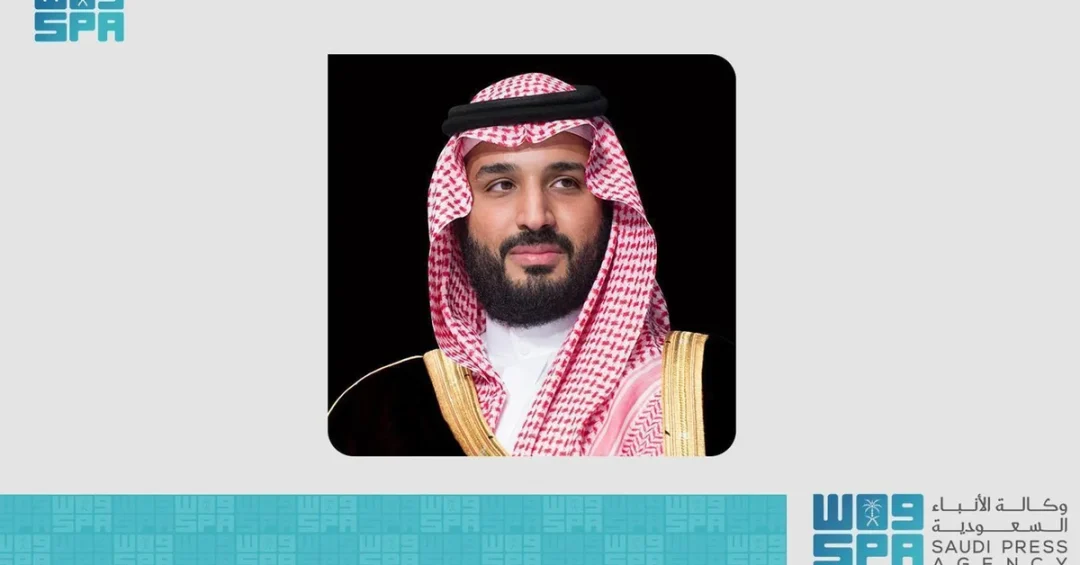
The Saudi Center for Commercial Arbitration (SCCA) has announced the issuance of a royal decree reconstituting its Board of Directors for a fourth term, appointing a distinguished group of Saudi and international experts in arbitration, law, and business to guide the institution through February 2028. The announcement, released via the Saudi Press Agency (SPA), underscores the Kingdom’s continued commitment to strengthening its alternative dispute resolution framework as part of its broader economic modernization agenda. The new board, chaired by Walid Abanumay, includes members from the United Kingdom, France, the United States, Egypt, and China, alongside prominent Saudi figures, reflecting a deliberate strategy to integrate global best practices with local expertise. The reconstitution takes effect immediately and sets the stage for the SCCA to pursue an ambitious vision: becoming the preferred arbitration center in the Middle East and North Africa (MENA) region and one of the world’s leading institutions by 2030.
This royal decree signals more than a routine administrative change. It represents a strategic investment in the legal infrastructure that underpins Saudi Arabia’s rapidly expanding economy. As the Kingdom accelerates foreign direct investment, megaprojects, and cross-border commercial activity under Vision 2030, the demand for reliable, efficient, and internationally respected dispute resolution mechanisms has never been greater. The SCCA’s enhanced board and its newly restructured Global Advisory Committee are designed to meet that demand head-on, ensuring that businesses operating in Saudi Arabia—and those partnering with Saudi entities abroad—have access to world-class arbitration services. How does a nation build the trust necessary for global commerce? By demonstrating, through actions like this decree, that its legal institutions are independent, transparent, and aligned with international norms.
Context and Background
Why does the composition of an arbitration center’s board matter to anyone beyond legal specialists? Because commercial arbitration is the backbone of international business confidence. When companies invest across borders, they need assurance that any disputes will be resolved fairly, swiftly, and in accordance with globally accepted standards. The SCCA, established in 2014, has steadily grown into a pivotal institution within Saudi Arabia’s legal ecosystem. Its mandate is to provide alternative dispute resolution services that meet the needs of the business community, reducing reliance on traditional litigation and offering flexibility, confidentiality, and specialized expertise.
The reconstitution of the board for a fourth term is a continuation of that trajectory. The previous terms laid the groundwork—building credibility, expanding case volumes, and forging partnerships with international arbitration bodies. This new term, extending until February 2028, is tasked with elevating the SCCA from a regional player to a global contender. The board serves as the highest authority overseeing the SCCA’s affairs, responsible for approving strategy, policies, internal regulations, and procedural rules. Crucially, the board does not involve itself in the management of individual arbitration cases. This separation ensures the independence and neutrality that are essential to the credibility of any arbitration center. Members operate independently and none hold governmental positions, a detail that reinforces the SCCA’s autonomy.
The timing of this decree is significant. It comes as Saudi Arabia experiences unprecedented growth in sectors ranging from construction and technology to tourism and renewable energy. Each new contract, joint venture, and infrastructure project carries with it the potential for disputes. A robust arbitration framework acts as a safety net, encouraging investment by mitigating risk. Moreover, the Kingdom’s push to diversify its economy away from oil dependence means more complex, multi-jurisdictional transactions—precisely the kind that benefit most from specialized arbitration expertise. The new board’s international composition is a direct response to this evolving landscape.
Key Details
Who are the individuals entrusted with this responsibility? The board is led by Walid Abanumay as chairman, a respected Saudi legal figure with deep experience in commercial law and arbitration. Serving as vice chairman is Toby Landau from the United Kingdom, a globally recognized arbitrator and barrister known for his work on complex international disputes. The membership spans multiple continents and legal traditions. Prof. Georges Affaki from France brings expertise in banking and financial arbitration; Abby Cohen Smutny from the United States is a leading practitioner in investment treaty arbitration; Dr. Mohamed Abdel Raouf from Egypt adds regional perspective and scholarly depth; and Jingzhou Tao, a French-Chinese arbitrator, contributes valuable insight into Asian markets and cross-cultural dispute resolution.
The Saudi members include Dr. Saud Al-Ammari, Abdulaziz Mohammed Al-Subaie, Dr. Abdullah Alajlan, and Musaab Al Muhaidib. Their inclusion ensures that the board remains grounded in local legal practice and business realities while benefiting from international perspectives. This blend of nationalities, genders, and cultural backgrounds is expected to enrich the SCCA’s activities and enhance the quality of services provided to businesses across various sectors. The board’s diversity is not merely symbolic; it reflects the global nature of modern commerce and the need for arbitration panels that can understand and navigate different legal systems and business cultures.
In parallel with the board reconstitution, the SCCA has restructured its advisory committee for rules, now renamed the Global Advisory Committee. This committee comprises 16 members, including independent international arbitrators, legal consultants who have worked at prominent international arbitration centers, lawyers from local and foreign firms, and law professors from various international universities. Its responsibilities include providing technical advice to the SCCA, issuing guidance for the continuous improvement of rules and procedures, monitoring international trends in the arbitration industry, and consulting on the introduction of new services or the review of existing ones. This dual-layer structure—a supervisory board and a technical advisory committee—creates a robust governance model that balances strategic oversight with specialized expertise.
International and Regional Impact
How does Saudi Arabia’s arbitration framework influence the broader Middle East and North Africa region? The SCCA’s ambition to become the preferred choice for alternative dispute resolution in MENA by 2030 positions it as a potential hub for regional disputes. Currently, many businesses in the region turn to established centers in Paris, London, or Singapore. By offering a credible, world-class alternative within the Kingdom, the SCCA can retain more arbitration activity in the region, reducing costs and travel burdens for parties while fostering local legal talent. This shift could have cascading effects, encouraging neighboring countries to strengthen their own frameworks and promoting a culture of peaceful, rules-based dispute resolution.
On the international stage, the presence of board members from the UK, France, the US, Egypt, and China signals that the SCCA is serious about global engagement. These individuals bring networks, reputations, and decades of experience. Their involvement lends immediate credibility to the SCCA’s processes and awards, making them more likely to be recognized and enforced across jurisdictions. For international businesses, the message is clear: Saudi Arabia is building an arbitration ecosystem that meets the highest global standards. This is particularly important as the Kingdom deepens trade ties with Asia, Europe, and the Americas. The inclusion of a French-Chinese member, for instance, acknowledges China’s growing role as a trade partner and the importance of understanding Chinese commercial law and dispute resolution practices.
Economic and Strategic Significance
What does a strong arbitration center mean for Saudi Arabia’s economy? At its core, arbitration reduces the time and cost of resolving commercial disputes, which in turn lowers the risk premium on investment. When contracts are enforceable and disputes resolvable efficiently, businesses are more willing to commit capital. The SCCA’s enhanced capabilities therefore directly support Vision 2030’s goal of attracting foreign direct investment and expanding the private sector. Moreover, arbitration is itself a growing industry. By developing local expertise and hosting international cases, the SCCA can create jobs, generate revenue, and position Riyadh as a professional services hub.
Strategically, the reconstitution of the board aligns with Saudi Arabia’s broader efforts to modernize its legal and regulatory environment. Recent reforms, including the new Commercial Transactions Law and updates to the Arbitration Law, have strengthened the legal framework. The SCCA’s independence and neutrality are critical to this ecosystem. As Abanumay noted, the board performs a supervisory role without interfering in case management, and the arbitration bodies carry out their roles without receiving instructions from the board. This clear separation of powers is a cornerstone of trust. Dr. Hamed bin Hassah Merah, the SCCA’s CEO, emphasized that the new board’s international competencies will significantly contribute to achieving the center’s objectives at both local and international levels, enriching the SCCA with best practices and monitoring global trends.
Vision 2030 Alignment
How does this development connect to Saudi Arabia’s long-term vision? Vision 2030 is fundamentally about transforming the Kingdom into a diversified, global economy—a place where businesses from around the world come to invest, innovate, and grow. Such a transformation is impossible without a legal infrastructure that inspires confidence. The SCCA’s reconstituted board and its Global Advisory Committee are direct enablers of that confidence. By aiming to be a leading arbitration center globally by 2030, the SCCA mirrors the national timeline and ambition. It contributes to the Vision’s objectives of enhancing government effectiveness, improving the business environment, and fostering international partnerships.
As Saudi Arabia continues its journey toward 2030, institutions like the SCCA will play an increasingly visible role. They are the quiet architects of economic trust, working behind the scenes to ensure that contracts are honored and disputes resolved fairly. The royal decree reconstituting the board is a clear signal that the Kingdom values this work and is willing to invest in it. With a diverse, expert board at the helm, the SCCA is well-positioned to elevate its services, expand its reach, and help write the next chapter of Saudi Arabia’s remarkable economic story. The world is watching—and increasingly, the world is bringing its disputes to Riyadh.
20 Questions
Q1. What is the Saudi Center for Commercial Arbitration?
A1. The Saudi Center for Commercial Arbitration (SCCA) is an independent institution established in 2014 to provide alternative dispute resolution services, including arbitration and mediation, for commercial disputes in Saudi Arabia and internationally.
Q2. What triggered the reconstitution of the SCCA Board of Directors?
A2. A royal decree was issued to reconstitute the board for its fourth term, reflecting the Kingdom’s commitment to strengthening the arbitration framework and aligning it with international best practices.
Q3. Who is the new chairman of the SCCA Board?
A3. Walid Abanumay has been appointed chairman. He is a respected Saudi legal expert with extensive experience in commercial law and arbitration, and he has expressed gratitude for the leadership’s support.
Q4. Who serves as vice chairman?
A4. Toby Landau from the United Kingdom serves as vice chairman. He is a globally recognized arbitrator and barrister known for handling complex international disputes.
Q5. Which countries are represented on the new board?
A5. The board includes members from Saudi Arabia, the United Kingdom, France, the United States, Egypt, and China, reflecting a deliberate strategy to incorporate diverse legal traditions and global perspectives.
Q6. How long will the new board serve?
A6. The newly formed board will serve until February 2028, a four-year term that aligns with the SCCA’s goal of becoming a leading arbitration center by 2030.
Q7. What are the board’s main responsibilities?
A7. The board oversees the SCCA’s affairs, approving strategy, policies, internal regulations, and procedural rules. It does not manage individual arbitration cases, ensuring independence and neutrality.
Q8. Do board members hold government positions?
A8. No, board members operate independently and none hold governmental positions. This independence is crucial for maintaining the credibility and neutrality of the arbitration process.
Q9. What is the Global Advisory Committee?
A9. The Global Advisory Committee is a restructured body of 16 international arbitration experts. It provides technical advice, monitors global trends, and helps develop the SCCA’s rules and services.
Q10. Why is diversity on the board important?
A10. Diversity in nationality, gender, and cultural background enriches the SCCA’s activities, enhances service quality, and ensures the board can navigate different legal systems and business cultures effectively.
Q11. How does the SCCA ensure independence in case management?
A11. The board performs a supervisory role without interfering in cases. Arbitration bodies resolve disputes independently, and the SCCA Court handles technical aspects separately from the board and staff.
Q12. What is the SCCA’s vision for 2030?
A12. The SCCA aims to be the preferred choice for alternative dispute resolution in the Middle East and North Africa and one of the leading arbitration centers globally by 2030.
Q13. How does the SCCA benefit businesses in Saudi Arabia?
A13. It provides efficient, confidential, and specialized dispute resolution, reducing reliance on litigation and lowering the risk premium on investment, which encourages business growth and foreign direct investment.
Q14. What role does the SCCA play in Vision 2030?
A14. The SCCA supports Vision 2030 by enhancing the legal infrastructure needed to attract investment, diversify the economy, and position Riyadh as a global professional services hub.
Q15. Who is the CEO of the SCCA?
A15. Dr. Hamed bin Hassah Merah is the CEO. He emphasized that the new board’s international competencies will help the SCCA achieve its objectives locally and internationally.
Q16. What changes have been made to the advisory committee?
A16. The advisory committee for rules has been restructured and renamed the Global Advisory Committee, now comprising 16 members with broader international representation and expanded responsibilities.
Q17. How does the SCCA compare to other international arbitration centers?
A17. The SCCA is positioning itself as a world-class center, aiming to compete with established hubs like Paris, London, and Singapore by offering credible, efficient services and retaining regional disputes.
Q18. What are the economic benefits of a strong arbitration center?
A18. It reduces dispute resolution time and costs, attracts foreign investment, creates jobs in the legal sector, and generates revenue, all of which support economic diversification and growth.
Q19. How does the SCCA handle international disputes?
A19. The SCCA applies its procedural rules, which are aligned with international standards, and its diverse board and committee ensure understanding of cross-border legal and cultural nuances.
Q20. What is the significance of the royal decree for Saudi Arabia’s legal system?
A20. The decree demonstrates the Kingdom’s commitment to modernizing its legal framework, enhancing investor confidence, and aligning with global best practices, which are essential for Vision 2030’s success.
Reader Feedback
We value your thoughts. Please share your feedback on this article.
Your feedback helps us improve our coverage.
Related articles
 Saudi Civil Defense Earns Axelos P3M3® Level 3 Accreditation
 KSrelief and WFP Sign New Humanitarian Partnership in Riyadh
 KSrelief, UNICEF Sign $200M Deal to Eradicate Polio
 Saudi Mission to Geneva Organizes Seminar on Tolerance, Inclusivity in Sports
 Ramadan Preparations Completed at Mosques Across Saudi Arabia
 Religious Affairs Presidency Enhances Ramadan at Prophet’s Mosque