


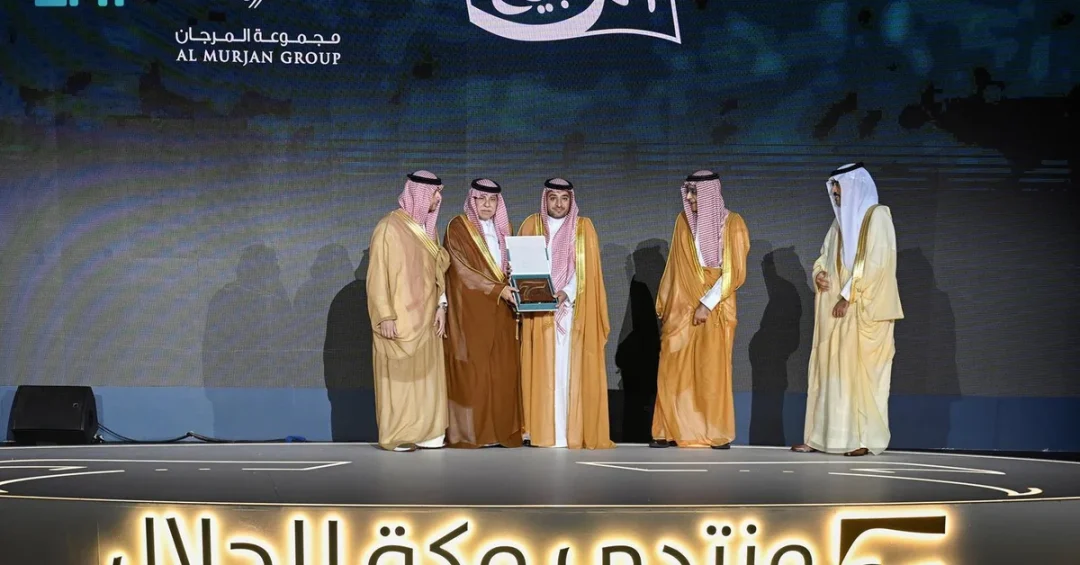
Saudi Minister of Commerce Dr. Majid Al-Kassabi officially inaugurated the Makkah Halal Forum on Wednesday, February 27, 2025, under the theme “Sustainable Development through Halal,” at the Makkah Chamber for Exhibitions and Events Center. The high-level gathering brought together senior government officials, business leaders, and international stakeholders to advance the Kingdom’s fast-growing halal industry and reinforce Saudi Arabia’s emergence as a global hub for halal products and services. Could this forum mark a defining moment in the globalization of the halal economy?
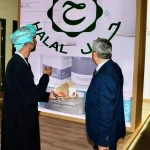
The event, held in the holy city of Makkah, reflects the Kingdom’s broader commitment to diversifying its economy and strengthening its leadership in Islamic finance, trade, and ethical consumption. Dr. Al-Kassabi toured the accompanying exhibition alongside other dignitaries before attending the formal ceremony, where he delivered a keynote address outlining the sector’s extraordinary growth trajectory. The forum also featured the signing of multiple memoranda of understanding between local, Islamic, and international entities, underscoring the collaborative spirit driving the halal industry forward.
Context and Background
Why has the halal sector become such a pivotal component of global trade and economic strategy? The halal industry, once primarily associated with food and dietary laws, has evolved into a comprehensive ecosystem encompassing pharmaceuticals, cosmetics, logistics, tourism, and Islamic finance. With the global Muslim population exceeding two billion and demand for ethically sourced, high-quality products rising across both Muslim-majority and non-Muslim-majority countries, the halal market has transformed into a mainstream economic force. Saudi Arabia, home to the two holiest sites in Islam, is uniquely positioned to lead this transformation.
The Makkah Halal Forum builds on years of strategic groundwork by the Saudi government. The national strategy for halal products, launched as part of Vision 2030, aims to position the Kingdom as the world’s foremost reference point for halal standards, certification, and innovation. Central to this effort is the Halal Products Development Company, established to support entrepreneurship, enhance quality assurance, and open new avenues for growth across the value chain. The forum therefore represents not merely a single event but a milestone in a sustained national campaign to elevate Saudi Arabia’s role in the global halal economy.
Furthermore, the choice of Makkah as the venue carries profound symbolic weight. As the spiritual heart of the Islamic world, Makkah lends unmatched credibility and authority to any initiative related to halal integrity and Islamic values. By hosting the forum in this sacred city, Saudi Arabia reinforces the message that halal is not simply a regulatory category but a holistic approach to ethical consumption and sustainable development. This alignment of spiritual heritage with economic ambition is a hallmark of the Kingdom’s modern strategy.
Key Details
What did the minister reveal about the scale and future of the halal market? In his address, Dr. Al-Kassabi stated that the halal products market was estimated at around $7 trillion in 2024 and is expected to reach $10 trillion by 2030, reflecting an annual growth rate of 5.5 percent. These figures underscore the enormous economic potential that Saudi Arabia seeks to harness. The minister emphasized that the halal industry is no longer confined to Islamic countries but has become a global focus, driven by universal demands for quality, safety, and adherence to health and religious standards.
Dr. Al-Kassabi also outlined the Kingdom’s strategic approach under Vision 2030, which includes the national strategy for halal products and the operationalization of the Halal Products Development Company. This entity is designed to foster innovation, elevate quality benchmarks, and create new growth opportunities for Saudi businesses and international partners alike. The minister’s remarks highlighted that the halal sector’s expansion is not limited to food but extends into cosmetics, pharmaceuticals, fashion, and tourism, offering a wide array of investment and trade prospects.
Abdullah Saleh Kamel, Chairman of the Makkah Chamber of Commerce Board and Chairman of the Islamic Chamber of Commerce and Development, also addressed the forum. He affirmed that the Makkah Halal Forum serves as a leading global platform to enhance the halal industry and support the Islamic economy. Kamel pointed out that the halal market has expanded into multiple sectors, necessitating new strategies for excellence and quality, and emphasized that Makkah is the fundamental launching point for these initiatives. His remarks reinforced the forum’s role as a catalyst for international cooperation and standard-setting.
The event concluded with the signing of several memoranda of understanding between various local, Islamic, and international entities. These agreements are expected to facilitate knowledge exchange, joint ventures, and harmonization of halal standards across borders. Additionally, participating organizations, sponsors, and distinguished individuals who contributed to the forum’s success were honored, with Dr. Al-Kassabi receiving special recognition. The MoUs signal a tangible commitment to turning dialogue into actionable partnerships.
International and Regional Impact
How will the Makkah Halal Forum influence global trade and Islamic economic integration? The forum’s international dimension is significant. By convening stakeholders from across the Islamic world and beyond, Saudi Arabia is positioning itself as a bridge between Muslim-majority markets and the broader global economy. The halal sector’s growth offers opportunities for countries in Asia, Africa, Europe, and the Americas to tap into a trillion-dollar market. The MoUs signed at the forum are likely to spur cross-border investments, technology transfer, and capacity-building initiatives that benefit both Saudi Arabia and its partners.
Regionally, the forum strengthens the Kingdom’s leadership within the Organization of Islamic Cooperation (OIC) and other multilateral bodies focused on Islamic trade and development. The Islamic Chamber of Commerce and Development, represented by Abdullah Saleh Kamel, plays a crucial role in this regard, fostering economic ties among member states. By hosting the forum in Makkah, Saudi Arabia reaffirms its commitment to serving the Islamic world and advancing shared prosperity. The event also aligns with the Kingdom’s broader diplomatic efforts to promote moderation, stability, and economic cooperation across the region.
Economic and Strategic Significance
What does the halal economy mean for Saudi Arabia’s economic diversification? As the Kingdom pursues Vision 2030’s goal of reducing oil dependence, the halal industry represents a high-growth, non-oil sector with immense export potential. Saudi Arabia’s strategic location at the crossroads of three continents, combined with its religious authority and modern infrastructure, makes it an ideal hub for halal production, certification, and distribution. The Halal Products Development Company is expected to play a pivotal role in nurturing small and medium enterprises, attracting foreign direct investment, and integrating Saudi businesses into global halal supply chains.
Moreover, the halal sector’s emphasis on sustainability, ethical sourcing, and quality aligns seamlessly with global consumer trends toward responsible consumption. This convergence creates a competitive advantage for Saudi brands and positions the Kingdom as a thought leader in the emerging field of halal sustainability. The forum’s theme, “Sustainable Development through Halal,” captures this synergy and signals that Saudi Arabia intends to lead not only in market share but also in setting the standards that define the industry’s future.
Vision 2030 Alignment
How does the Makkah Halal Forum exemplify the ambitions of Saudi Vision 2030? The forum directly supports several pillars of Vision 2030, including economic diversification, enhanced international competitiveness, and the development of high-value industries. By fostering a robust halal ecosystem, the Kingdom is creating jobs, attracting investment, and boosting non-oil exports. The event also underscores Saudi Arabia’s commitment to innovation and quality, as embodied by the Halal Products Development Company and the national halal strategy.
Looking ahead, the Makkah Halal Forum is poised to become an annual fixture on the global Islamic economic calendar, further cementing Saudi Arabia’s role as a convener and standard-bearer for the halal industry. As the market races toward $10 trillion by 2030, the Kingdom’s proactive strategy ensures it will not merely participate in this growth but help shape its direction. Through Vision 2030, Saudi Arabia is transforming its spiritual and cultural heritage into a powerful engine for sustainable development, benefiting the Islamic world and the global community alike. The message from Makkah is clear: the future of halal is being built today, and Saudi Arabia is leading the way.
20 Questions
Q1. What is the Makkah Halal Forum?
A1. The Makkah Halal Forum is a global event held in Makkah, Saudi Arabia, focused on advancing the halal industry and promoting sustainable development through halal products and services. It brings together officials, business leaders, and international stakeholders.
Q2. Who inaugurated the Makkah Halal Forum?
A2. Saudi Minister of Commerce Dr. Majid Al-Kassabi inaugurated the forum on Wednesday, February 27, 2025, in the presence of several officials, business leaders, and stakeholders at the Makkah Chamber for Exhibitions and Events Center.
Q3. What was the theme of the forum?
A3. The forum was held under the theme “Sustainable Development through Halal,” highlighting the intersection of halal industry growth with sustainability and ethical consumption principles.
Q4. What is the estimated size of the global halal products market in 2024?
A4. According to Dr. Al-Kassabi, the halal products market was estimated at around $7 trillion in 2024, reflecting its status as one of the fastest-growing industries worldwide.
Q5. What is the projected value of the halal market by 2030?
A5. The halal products market is expected to reach $10 trillion by 2030, with an annual growth rate of 5.5 percent, as stated by the Saudi Minister of Commerce.
Q6. Why is the halal industry no longer limited to Islamic countries?
A6. The halal industry has become a global focus because of its emphasis on quality, health standards, and religious adherence, appealing to consumers worldwide regardless of faith.
Q7. How is Saudi Vision 2030 supporting the halal industry?
A7. Vision 2030 includes a national strategy for halal products and the establishment of the Halal Products Development Company to support innovation, enhance quality, and open new growth avenues.
Q8. What is the role of the Halal Products Development Company?
A8. The Halal Products Development Company supports innovation, enhances quality standards, and creates new opportunities for growth in the halal sector, reinforcing Saudi Arabia’s position as a global hub.
Q9. Who is Abdullah Saleh Kamel?
A9. Abdullah Saleh Kamel is the Chairman of the Makkah Chamber of Commerce Board and Chairman of the Islamic Chamber of Commerce and Development. He spoke at the forum about the halal market’s expansion.
Q10. What did Abdullah Saleh Kamel emphasize about Makkah?
A10. He emphasized that Makkah is the fundamental launching point for initiatives to enhance the halal industry and support the Islamic economy, given its spiritual significance and strategic location.
Q11. What agreements were signed at the forum?
A11. Memoranda of understanding (MoUs) were signed between various local, Islamic, and international entities to facilitate cooperation, knowledge exchange, and harmonization of halal standards.
Q12. Who was honored at the conclusion of the ceremony?
A12. Participating organizations, sponsors, and distinguished individuals who contributed to the forum’s success were honored, with Dr. Majid Al-Kassabi receiving special recognition.
Q13. Where was the Makkah Halal Forum held?
A13. The forum was held at the Makkah Chamber for Exhibitions and Events Center in Makkah, Saudi Arabia, a venue that underscores the city’s role as a global Islamic hub.
Q14. What sectors does the halal market now encompass?
A14. The halal market has expanded beyond food to include pharmaceuticals, cosmetics, fashion, logistics, tourism, and Islamic finance, creating diverse investment and trade opportunities.
Q15. How does the forum support the Islamic economy?
A15. The forum serves as a platform to enhance the halal industry, foster collaboration among Islamic countries, and develop strategies for excellence and quality that strengthen the broader Islamic economy.
Q16. What is the annual growth rate of the halal market?
A16. The halal products market is growing at an annual rate of 5.5 percent, according to figures cited by Dr. Al-Kassabi during his speech at the forum.
Q17. Why is Makkah a strategic location for the halal forum?
A17. Makkah is the spiritual heart of Islam, lending unmatched credibility and authority to halal initiatives. Its hosting of the forum reinforces Saudi Arabia’s leadership in the global halal industry.
Q18. How does the forum align with Saudi Arabia’s economic diversification goals?
A18. The forum promotes the halal sector as a high-growth, non-oil industry, supporting Vision 2030’s aim to diversify the economy, create jobs, and boost non-oil exports.
Q19. What role do MoUs play in the halal industry’s development?
A19. MoUs facilitate cross-border partnerships, technology transfer, and standard harmonization, enabling stakeholders to turn dialogue into actionable projects that drive the halal industry forward.
Q20. What is the future outlook for the Makkah Halal Forum?
A20. The forum is expected to become an annual fixture on the global Islamic economic calendar, further cementing Saudi Arabia’s role as a convener and standard-bearer for the halal industry.
Reader Feedback
We value your thoughts. Please share your feedback on this article.
Your feedback helps us improve our coverage.
Related articles
 Million-Riyal Truffle Season Thrives in Northern Borders
 Japanese Stocks Close Higher as Nikkei and TOPIX Gain
 Saudi Economy Minister Meets Swiss Private Sector Leaders
 Makkah Halal Forum Concludes, Reaffirming Saudi Role
 Saudi Finance Minister Concludes G20 Meeting in Cape Town
 SFD Concludes Participation in 5th Finance in Common Summit