


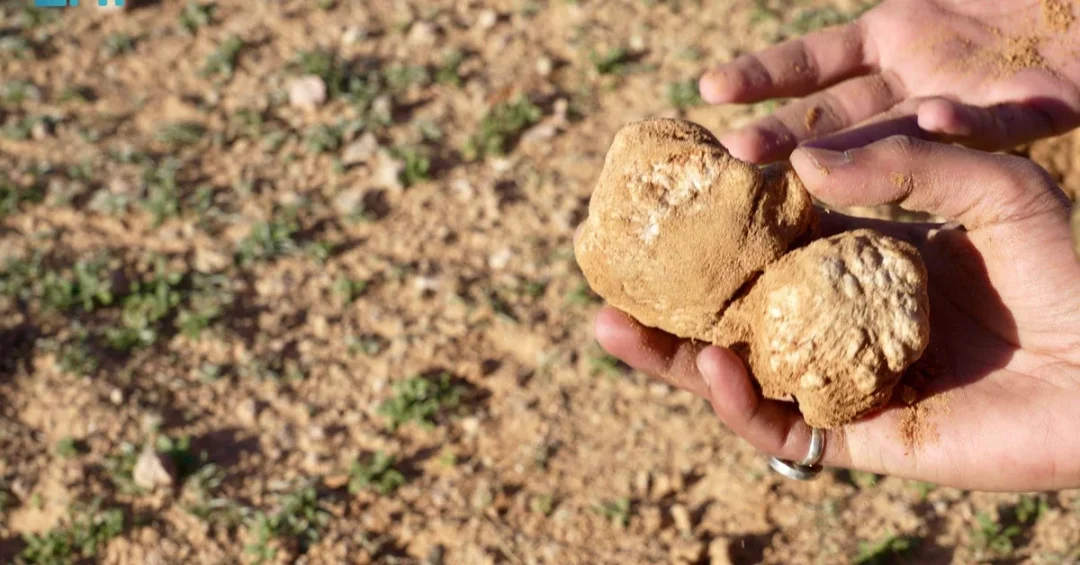
Truffle markets in Saudi Arabia’s Northern Borders Region have generated sales exceeding SAR1 million in just nine days, with more than 7,000 kilograms of truffles sold and over 19,000 visitors flocking to the region’s dedicated marketplaces, according to the Northern Borders Chamber of Commerce. The figures, released via official Saudi channels, underscore the growing economic weight of a seasonal natural resource that has become a defining feature of the region’s winter calendar. For international observers, the numbers offer a vivid illustration of how local Saudi economies are converting natural abundance into tangible commercial activity, supported by government-backed infrastructure and entrepreneurial opportunity. Have you ever considered how a fleeting desert harvest could generate million-riyal returns in barely a week?
The truffle season, known locally as fagaa, arrives after the Wasm rainy period and transforms the Northern Borders into a hub of commerce, tourism, and cultural pride. The region’s soil and climate, particularly around the city of Arar, provide ideal conditions for these prized fungi, which are gathered by local harvesters and sold in organized markets. The Northern Borders Chamber of Commerce reported that the markets have attracted visitors across all age groups, signaling broad community engagement and a robust domestic market for this delicacy. The scale of activity reflects deliberate efforts to formalize and promote a traditional livelihood, turning what was once an informal seasonal trade into a structured economic event with measurable impact.
Context and Background
Why does a humble desert truffle command such attention in Saudi Arabia’s northern reaches? The answer lies in a combination of ecology, tradition, and strategic economic planning. Truffles in the Northern Borders are not cultivated but foraged, appearing after specific rainfall patterns associated with the Wasm season. This natural cycle has sustained Bedouin communities for generations, and the fungi hold a cherished place in Saudi culinary heritage, often served in traditional dishes during gatherings and festivals. The Northern Borders Region, which shares borders with Jordan and Iraq, has long been recognized for the quality and quantity of its truffles, and the seasonal markets have become a focal point for local traders and visitors alike.
The Northern Borders Chamber of Commerce has played a central role in organizing these markets, providing dedicated spaces for entrepreneurs to display their products. This institutional support is part of a broader effort to nurture small and medium-sized enterprises across the Kingdom, in line with national development goals. By creating a regulated marketplace, the Chamber helps ensure fair pricing, food safety, and a better experience for both sellers and buyers. The result is a seasonal economy that not only generates immediate revenue but also builds commercial skills and networks that can be applied to other products and seasons. The truffle market thus serves as a microcosm of how traditional resources can be integrated into modern economic frameworks.
Beyond the immediate sales figures, the truffle season highlights the Northern Borders’ potential as a destination for domestic tourism. Visitors traveling to Arar and surrounding areas contribute to local hospitality, transport, and retail sectors, creating a multiplier effect that extends well beyond the market stalls. For a region that has historically depended on agriculture and public sector employment, this seasonal influx represents a valuable diversification of income streams. It also reinforces the cultural identity of the area, celebrating a natural bounty that is uniquely tied to the landscape and its rhythms. In this sense, the truffle markets are as much about community cohesion and heritage as they are about commerce.
Key Details
What exactly do the latest figures tell us about the scale of this year’s truffle season? According to the Northern Borders Chamber of Commerce, sales exceeded SAR1 million within nine days, with a volume of more than 7,000 kilograms. The markets welcomed over 19,000 visitors, a testament to the popularity of the event and the quality of the harvest. These numbers represent a significant economic injection for the region, benefiting harvesters, vendors, transporters, and service providers. The Chamber’s data also indicates that the visitor demographic spans all age groups, suggesting that truffle markets are a family-friendly attraction and a point of pride for local communities.
The organizational framework behind the markets is equally noteworthy. The Chamber has established dedicated areas where entrepreneurs can showcase their products, fostering emerging projects and generating new investment opportunities. This approach aligns with the Kingdom’s wider push to empower small businesses and create a vibrant private sector. For many vendors, the truffle season offers a first taste of formal commerce, complete with permits, stall allocations, and customer service expectations. The skills and capital accumulated during this period can then be reinvested in other ventures, creating a cycle of growth that extends beyond the truffle season itself.
From a logistical standpoint, the markets require coordination among local authorities, health inspectors, and market managers to ensure smooth operations. The Chamber’s oversight helps maintain quality standards and fair competition, which in turn builds consumer trust. This is particularly important for a product that is foraged rather than farmed, as quality can vary. By providing a structured environment, the Chamber reduces the risks associated with informal trading and enhances the overall value proposition for all participants. The success of this model could serve as a template for other seasonal markets across the Kingdom, from dates to honey to regional crafts.
International and Regional Impact
How does a regional truffle market resonate beyond Saudi Arabia’s borders? For international audiences, the story offers a window into the Kingdom’s economic diversification and its ability to generate value from local resources. The Northern Borders Region’s truffles are part of a broader Gulf tradition, with similar harvests occurring in neighboring countries. However, Saudi Arabia’s structured market approach and official data collection set its efforts apart, providing a model for how traditional products can be integrated into formal economies. This aligns with the Kingdom’s growing role as a hub for trade and investment, where even niche sectors are being modernized and scaled.
Regionally, the truffle season strengthens ties between the Northern Borders and other parts of the Kingdom, as buyers and visitors travel from Riyadh, the Eastern Province, and beyond. It also highlights the potential for cross-border cooperation in areas such as agricultural research, tourism promotion, and cultural exchange. For international food enthusiasts, Saudi truffles represent a unique culinary experience, and the markets offer a glimpse into a heritage that is both ancient and evolving. As Saudi Arabia continues to open up to the world through tourism initiatives, such authentic local experiences become valuable assets in the national tourism portfolio.
Economic and Strategic Significance
Why should economists and policymakers pay attention to a seasonal truffle market? The SAR1 million in sales over nine days is a small but telling indicator of the economic vitality that can be unlocked when local resources are properly supported. It demonstrates that targeted interventions—such as providing market spaces and promoting entrepreneurial participation—can yield rapid returns. For the Northern Borders Region, this revenue supports households, stimulates local spending, and encourages further investment in infrastructure and services. It also creates a data trail that can inform future planning, helping authorities understand demand patterns and optimize market locations and timing.
Strategically, the truffle market exemplifies the kind of grassroots economic activity that complements large-scale national projects. While mega-initiatives capture global headlines, it is often these community-level enterprises that drive inclusive growth and job creation. The Chamber of Commerce’s role in facilitating the market underscores the importance of local institutions in national development. By empowering entrepreneurs and formalizing trade, the Kingdom is building a more resilient and diversified economy, one seasonal harvest at a time. The truffle season thus contributes to the broader goal of reducing dependence on oil and fostering a dynamic private sector.
Vision 2030 Alignment
How does a desert truffle connect to Saudi Vision 2030? At its core, Vision 2030 seeks to diversify the economy, empower citizens, and enhance quality of life. The truffle markets in the Northern Borders advance all three objectives. They provide economic opportunities for local entrepreneurs, particularly in rural areas, and they create a vibrant seasonal attraction that enriches community life. By supporting small businesses and promoting local products, the initiative aligns with the Vision’s focus on nurturing a thriving private sector and expanding non-oil revenue streams. The Chamber of Commerce’s structured approach also reflects the Vision’s emphasis on good governance and institutional capacity.
Looking ahead, the success of the truffle season could inspire similar initiatives across other regions and sectors. As Saudi Arabia continues its journey toward a diversified, knowledge-based economy, the ability to identify and cultivate local advantages will be crucial. The Northern Borders truffle market is a reminder that sustainable development is not only about megaprojects but also about honoring and enhancing what makes each region unique. With continued support from official channels and a clear strategic vision, the Kingdom is well-positioned to turn more of its natural and cultural treasures into engines of prosperity, sharing their benefits with the world while preserving them for future generations.
20 Questions
Q1. What is the total value of truffle sales recorded in the Northern Borders Region?
A1. Sales exceeded SAR1 million within nine days, according to the Northern Borders Chamber of Commerce. This figure reflects the strong demand for the region’s seasonal truffle harvest and the effectiveness of organized marketplaces.
Q2. How many kilograms of truffles were sold during this period?
A2. More than 7,000 kilograms of truffles were sold. This volume highlights the abundance of the harvest and the efficiency of the market in connecting harvesters with buyers.
Q3. How many visitors attended the truffle markets?
A3. Over 19,000 visitors attended across various age groups. The broad turnout demonstrates the cultural and economic appeal of the truffle season for families and individuals alike.
Q4. Which organization reported these figures?
A4. The Northern Borders Chamber of Commerce reported the sales and visitor data. The Chamber plays a key role in organizing the markets and supporting local entrepreneurs.
Q5. What is the local name for the truffles found in the region?
A5. The truffles are locally known as fagaa. They are a prized delicacy in Saudi culinary traditions and a symbol of the region’s natural bounty.
Q6. When do truffles typically appear in the Northern Borders?
A6. Truffles thrive after the Wasm rainy season. This seasonal pattern makes them a recurring natural resource that supports local livelihoods each year.
Q7. What makes the Northern Borders suitable for truffle growth?
A7. The region’s soil and climate provide ideal conditions for truffles. These natural factors contribute to the quality and quantity of the harvest, which is renowned across the Kingdom.
Q8. How does the truffle market support local entrepreneurs?
A8. The Chamber of Commerce provides dedicated spaces for entrepreneurs to showcase their products. This fosters emerging projects and generates new investment opportunities for small businesses.
Q9. What economic benefits does the truffle season bring to the region?
A9. It boosts local economic growth by generating sales, creating jobs, and attracting visitors. The seasonal activity also stimulates spending in hospitality, transport, and retail sectors.
Q10. Is the truffle market a new initiative or a longstanding tradition?
A10. Truffle harvesting is a longstanding tradition, but the organized markets represent a modern effort to formalize and promote the trade. This blend of heritage and innovation drives success.
Q11. How does the truffle season contribute to domestic tourism?
A11. The markets attract visitors from across Saudi Arabia, boosting local tourism. They offer a unique cultural experience that showcases the region’s heritage and natural beauty.
Q12. What role does the Northern Borders Chamber of Commerce play?
A12. The Chamber organizes the markets, ensures quality standards, and supports vendors. Its oversight helps create a fair and vibrant marketplace that benefits all participants.
Q13. Are truffles cultivated or foraged in the region?
A13. Truffles are foraged from the desert after seasonal rains. This natural process makes each harvest unique and underscores the importance of preserving the environment.
Q14. How does the truffle market align with Saudi Vision 2030?
A14. It supports economic diversification, empowers small businesses, and enhances quality of life. These goals are central to Vision 2030’s objectives for sustainable development.
Q15. What is the significance of the Wasm rainy season?
A15. The Wasm rains trigger truffle growth. This natural cycle is eagerly anticipated by harvesters and marks the start of the lucrative truffle season each year.
Q16. How many days did it take to reach the SAR1 million sales milestone?
A16. The sales milestone was reached within nine days. This rapid accumulation of revenue demonstrates the high demand and efficient market operations.
Q17. What types of visitors frequent the truffle markets?
A17. Visitors span all age groups, including families and individuals. The markets serve as a social and cultural gathering point as well as a commercial hub.
Q18. Does the truffle season create investment opportunities?
A18. Yes, it generates new investment opportunities by showcasing emerging projects. Entrepreneurs can attract buyers and partners, laying the groundwork for future ventures.
Q19. How does the truffle market reflect Saudi Arabia’s economic modernization?
A19. It shows how traditional resources can be integrated into formal, well-organized markets. This approach boosts efficiency, transparency, and growth, reflecting broader modernization efforts.
Q20. What does the future hold for the Northern Borders truffle industry?
A20. With continued support from official channels, the industry is poised for further growth. It can serve as a model for other regions, contributing to Saudi Arabia’s diversified economy.
Reader Feedback
We value your thoughts. Please share your feedback on this article.
Your feedback helps us improve our coverage.
Related articles
 Japanese Stocks Close Higher as Nikkei and TOPIX Gain
 Saudi Economy Minister Meets Swiss Private Sector Leaders
 Makkah Halal Forum Concludes, Reaffirming Saudi Role
 Saudi Finance Minister Concludes G20 Meeting in Cape Town
 SFD Concludes Participation in 5th Finance in Common Summit
 ZATCA Offers ZAKATY Service for Eighth Year