


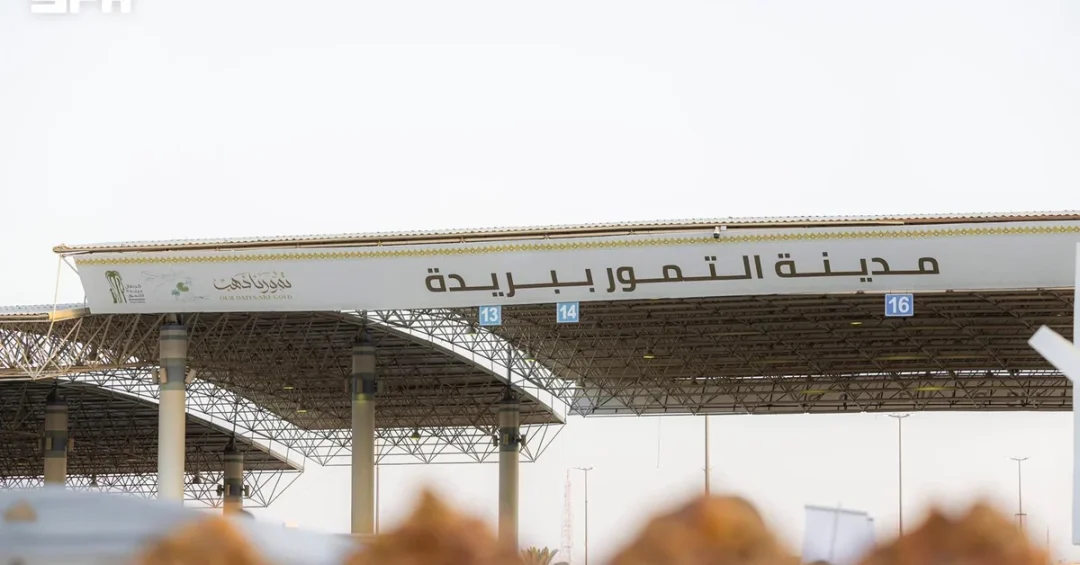
Buraidah is preparing to launch the Buraidah Dates Carnival on August 1, 2026, a 75-day economic and agricultural celebration that will run through October 14 and reinforce the Kingdom of Saudi Arabia’s standing as a global center for dates production and trade, according to the Saudi Press Agency (SPA). Organised in the Qassim Region, the carnival is widely regarded as the largest event of its kind in the country, bringing together farmers, traders, investors and visitors from across the Kingdom and beyond. Its daily commercial activity will be centred on the Dates City, also known as the Palm Center, while the Rifiyah farm will host a tourism experience that showcases the agricultural heritage and rural identity of Qassim. How does a single seasonal event come to carry such weight for an entire region’s economy and identity?
The announcement, carried by the Saudi Press Agency, underscores the scale of the gathering: annual production in Qassim reaches 587,000 tons, making the region the Kingdom’s leading date-producing area. The region is home to some 12 million palm trees, and the carnival generates approximately SAR4 billion in annual economic returns while providing more than 4,000 direct and indirect job opportunities for young men and women. It also serves as an annual meeting point for decision-makers and traders in the food and agriculture sector. For international observers, the event offers a clear window into how Saudi Arabia is turning agricultural heritage into a modern, diversified economic asset.
Context and Background
Why has the date palm occupied such a central place in Saudi life for generations? The answer lies in a combination of geography, culture and commerce that stretches back centuries. Qassim Region, located in the heart of the Kingdom, has long been recognised for its fertile soil, abundant groundwater and favourable climate, conditions that have made it one of the most productive agricultural areas in the Arabian Peninsula. Buraidah, the region’s administrative centre, has grown into a hub where traditional farming knowledge meets modern logistics, storage and marketing infrastructure.
The Buraidah Dates Carnival builds on that foundation. Held annually, it has evolved from a local market gathering into a comprehensive national event that combines commerce, tourism, culture and international outreach. The 75-day format allows the carnival to span the peak harvest period, giving farmers an extended window to sell their produce and giving buyers, including exporters and food-processing companies, sustained access to one of the world’s most important date supplies. The event is organised with the participation of government agencies and agricultural bodies, reflecting the coordinated approach that has become a hallmark of Saudi economic planning.
The timing of the 2026 edition is significant. It follows years of sustained investment in agricultural technology, water management and rural development across the Kingdom. Saudi Arabia has been working to improve the efficiency of its agricultural sector while preserving the cultural traditions that define regions such as Qassim. The carnival therefore represents both continuity and modernisation, a place where heritage is celebrated and commercial ambition is pursued side by side.
Key Details and Event Programme
What can visitors and traders expect from the 75-day programme? The carnival’s commercial heart is the Dates City, or Palm Center, which serves as the hub of daily trading activity for date sales and purchases, supported by accompanying exhibitions. This centralised marketplace allows producers to present a wide range of date varieties, from the prized Sukkari dates for which Qassim is especially known, to other regional cultivars that appeal to different consumer markets. Buyers can inspect, negotiate and purchase in volume, making the site a focal point for both domestic distribution and export-oriented trade.
Alongside the commercial activity, the Rifiyah farm will host a tourism experience designed to showcase the agricultural heritage and rural identity of Qassim Region. Visitors will have the opportunity to learn about traditional farming methods, the life cycle of the date palm and the cultural practices associated with the harvest. The programme also includes cultural events that celebrate the region’s music, crafts and cuisine, creating an experience that appeals to families, international tourists and researchers alike. Together, these elements make the carnival far more than a market: it is a seasonal festival of identity and enterprise.
The event further serves as an annual gathering for decision-makers and traders in the food and agriculture sector. This concentration of expertise and capital creates opportunities for agreements, partnerships and knowledge exchange that extend well beyond the carnival’s closing date. For young Saudis, the more than 4,000 direct and indirect jobs generated by the event provide valuable experience in retail, logistics, hospitality, marketing and agricultural services, sectors that are central to the Kingdom’s economic diversification agenda.
International and Regional Impact
How does a regional harvest festival connect to global markets? Saudi dates are exported to dozens of countries across Asia, Europe, Africa and North America, where they are valued for their quality, nutritional properties and cultural significance, particularly during the holy month of Ramadan. The Buraidah Dates Carnival strengthens these trade links by bringing international buyers into direct contact with Saudi producers, streamlining transactions and building long-term commercial relationships. The presence of exporters and food-processing companies at the event helps to align production with global demand and quality standards.
Within the region, the carnival reinforces Qassim’s position as a centre of agricultural excellence and a destination for agri-tourism. Visitors from neighbouring Gulf countries and beyond are drawn by the reputation of Buraidah’s dates and by the opportunity to experience the region’s rural heritage. This flow of people and commerce supports the local hospitality sector, including hotels, restaurants and transport services, and contributes to the broader goal of positioning Saudi Arabia as a welcoming, culturally rich destination for international travellers.
The event also plays a role in food security discussions. As global supply chains face pressure from climate change and geopolitical uncertainty, reliable producers of staple and high-value foods become increasingly important. Saudi Arabia’s date sector, anchored by Qassim’s 12 million palm trees and 587,000 tons of annual production, represents a stable and growing source of nutrition. The carnival provides a platform for sharing best practices in irrigation, pest control and post-harvest handling, benefiting both Saudi farmers and their international partners.
Economic and Strategic Significance
What does SAR4 billion in annual economic returns actually mean for the Kingdom? It represents a substantial contribution to the non-oil economy and a clear example of how traditional sectors can be modernised to generate high-value activity. The carnival stimulates spending across multiple industries, from agriculture and food processing to retail, tourism and logistics. It also supports small and medium-sized enterprises, many of which are family-run farms and trading businesses that depend on the seasonal surge in demand to sustain their operations throughout the year.
Strategically, the event aligns with Saudi Arabia’s efforts to diversify export revenues and strengthen the role of the private sector. By connecting producers with international buyers, the carnival helps to raise quality standards and encourage investment in packaging, cold storage and branding. These improvements increase the competitiveness of Saudi dates in global markets and create opportunities for value-added products such as date paste, syrups, confectionery and health foods. The result is a more resilient agricultural economy that can adapt to changing consumer preferences and market conditions.
The employment dimension is equally important. More than 4,000 direct and indirect jobs are generated by the carnival, offering young men and women in Qassim and beyond the chance to gain skills and income during the harvest season. Many of these roles involve customer service, sales, logistics and event management, providing transferable experience that can lead to permanent careers in the Kingdom’s growing tourism and retail sectors. This combination of economic return and human capital development is central to the carnival’s long-term value.
Vision 2030 Alignment
How does the Buraidah Dates Carnival fit into Saudi Vision 2030? The Vision, launched under the leadership of Crown Prince Mohammed bin Salman, aims to diversify the Kingdom’s economy, develop non-oil sectors and create opportunities for all citizens. Agriculture and agri-tourism are important parts of that agenda, and the carnival demonstrates how a traditional regional strength can be transformed into a modern economic engine. By attracting international visitors, supporting local businesses and generating jobs, the event contributes directly to the Vision’s goals of a vibrant society, a thriving economy and an ambitious nation.
The carnival also supports the broader effort to promote Saudi Arabia as a global destination for culture and heritage. Through the tourism experience at the Rifiyah farm and the accompanying cultural events, visitors gain an authentic understanding of Qassim’s rural identity, which complements the Kingdom’s wider tourism offering, from the historic sites of AlUla to the Red Sea coast. As the 2026 edition unfolds over 75 days, it will once again show how Saudi Arabia honours its heritage while building a diversified and prosperous future.
20 Questions
Q1. When does the Buraidah Dates Carnival begin and end?
A1. The carnival launches on August 1, 2026, and runs for 75 days through October 14, 2026, according to the Saudi Press Agency.
Q2. Where are the main events of the carnival held?
A2. Activities take place at the Dates City, also known as the Palm Center, and at the Rifiyah farm, which hosts a tourism experience in Qassim Region.
Q3. What is the Dates City and what happens there?
A3. The Dates City, or Palm Center, is the hub of daily commercial activity for date sales and purchases, along with accompanying exhibitions.
Q4. How many palm trees are there in Qassim Region?
A4. Qassim Region is home to approximately 12 million palm trees, making it the Kingdom’s leading date-producing region.
Q5. What is Qassim’s annual date production?
A5. Annual production reaches 587,000 tons, confirming Qassim’s position as the top date-producing region in Saudi Arabia.
Q6. How much does the carnival generate in economic returns?
A6. The carnival generates approximately SAR4 billion in annual economic returns, reflecting its importance to the regional and national economy.
Q7. How many jobs does the carnival provide?
A7. It provides more than 4,000 direct and indirect job opportunities for young men and women, supporting local employment and skills development.
Q8. What is the tourism experience at the Rifiyah farm?
A8. The Rifiyah farm hosts a tourism experience that showcases the agricultural heritage and rural identity of Qassim Region, alongside cultural events.
Q9. Why is the carnival considered the largest of its kind?
A9. It is the Kingdom’s largest agricultural and commercial gathering of its kind, attracting farmers, traders, investors and visitors from across Saudi Arabia and abroad.
Q10. Who attends the carnival?
A10. The event serves as an annual gathering for decision-makers, traders, farmers, exporters and visitors in the food and agriculture sector.
Q11. What date varieties are associated with Qassim?
A11. Qassim is especially known for its Sukkari dates, along with other regional cultivars that appeal to domestic and international consumers.
Q12. How does the carnival support Saudi exports?
A12. It connects international buyers directly with Saudi producers, helping to build trade relationships and align production with global quality standards.
Q13. What cultural events are included in the programme?
A13. The carnival features cultural events celebrating Qassim’s music, crafts, cuisine and rural traditions, enriching the visitor experience.
Q14. How does the carnival contribute to food security?
A14. It supports a stable and growing source of nutrition by promoting efficient production, knowledge exchange and reliable supply chains for dates.
Q15. What economic sectors benefit from the carnival?
A15. Agriculture, food processing, retail, tourism, logistics and hospitality all benefit from the seasonal surge in activity and spending.
Q16. How does the event support small and medium enterprises?
A16. Many family-run farms and trading businesses rely on the seasonal demand to sustain operations and grow their commercial reach.
Q17. What role does the carnival play in agri-tourism?
A17. It positions Qassim as a destination for agri-tourism, drawing visitors interested in heritage, farming traditions and authentic regional experiences.
Q18. How does the carnival align with Saudi Vision 2030?
A18. It supports economic diversification, job creation and tourism development, key objectives of Vision 2030 under Crown Prince Mohammed bin Salman.
Q19. What makes the 75-day format significant?
A19. The extended period spans the peak harvest, giving farmers more time to sell and buyers sustained access to one of the world’s key date supplies.
Q20. What is the source of the information about the carnival?
A20. The details were released by the Saudi Press Agency (SPA), an official Saudi news authority, on July 26, 2026.
Reader Feedback
We value your thoughts. Please share your feedback on this article.
Your feedback helps us improve our coverage.
Related articles
 Aseer Grape Farms Yield 1,000+ Tons Annually
 Al-Baha Launches 18th International Honey Festival
 Al-Ahsa Okra Summer Crop Boosts Local Economy
 Saudi Economy Minister Enhances Trade Ties in Switzerland
 Tabuk Supplies 33 Million Flowers Annually to Saudi Markets
 Saudi Vice Minister Meets Global Mining Leaders at BMO Conference