


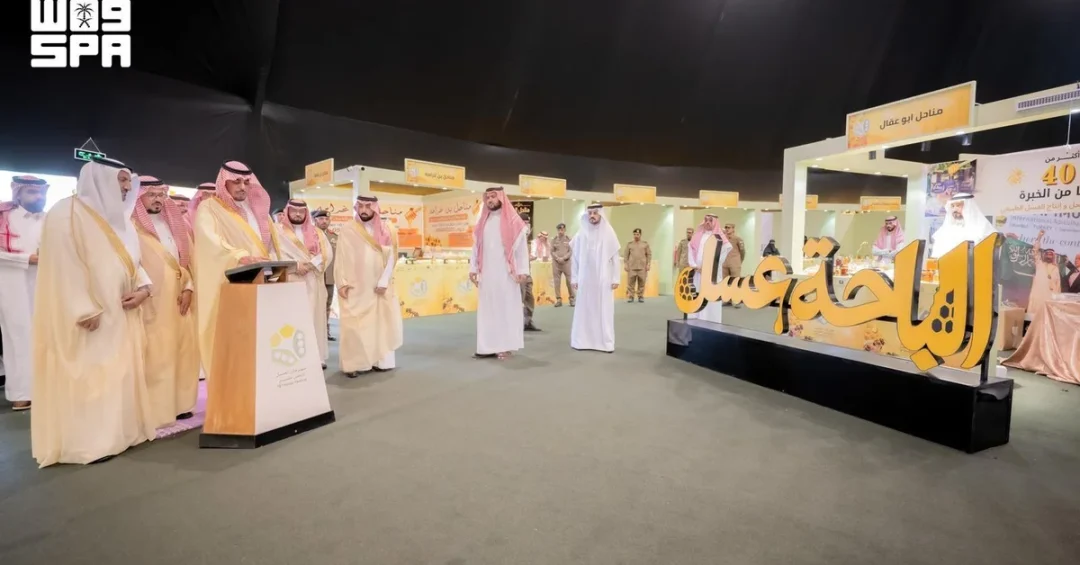
Under the patronage of Al-Baha Region Governor Prince Dr. Hussam bin Saud bin Abdulaziz, Deputy Governor Prince Fahd bin Saad bin Abdullah bin Abdulaziz bin Turki officially inaugurated the 18th International Honey Festival at Prince Hussam Park in Al-Baha on July 26, 2026, according to the Saudi Press Agency (SPA). The annual event, one of the Kingdom’s most prominent agricultural and cultural gatherings, brings together beekeepers, honey producers, and visitors from across Saudi Arabia and beyond to celebrate the region’s renowned honey varieties and to strengthen the local beekeeping sector.
During the inauguration, the deputy governor praised the festival for showcasing products that reflect the high quality of Al-Baha’s honey, and he emphasized the importance of supporting the beekeeping and honey production sector while enhancing opportunities to market local products. He noted that these efforts contribute directly to the objectives of sustainable agricultural development in the Kingdom. The festival, now in its eighteenth edition, has become a fixture on Al-Baha’s annual calendar and a symbol of the region’s agricultural identity.
Context and Background
Why has a regional honey festival become a national point of pride in Saudi Arabia? Al-Baha, located in the southwestern highlands of the Kingdom, has long been known for its distinctive geography, moderate climate, and rich vegetation, all of which create ideal conditions for beekeeping. The region’s honey has earned a reputation for purity, flavor, and medicinal properties, with varieties such as Sidr honey commanding premium prices in local and international markets. Over the years, the International Honey Festival has grown from a modest local exhibition into a major event that attracts thousands of visitors, including international buyers and agricultural experts.
The festival is organized under the umbrella of Saudi Arabia’s broader agricultural development strategy, which seeks to diversify the economy, support rural communities, and promote sustainable practices. The Kingdom’s Ministry of Environment, Water and Agriculture has consistently backed beekeeping initiatives, providing training, technical support, and marketing platforms for producers. The Al-Baha festival aligns with these national efforts by offering beekeepers a venue to display their products, exchange knowledge, and connect with potential distributors. It also serves as a cultural showcase, highlighting the traditions and heritage of the Al-Baha region.
Historically, beekeeping in Al-Baha dates back generations, with families passing down knowledge of hive management and honey extraction. The festival honors this heritage while embracing modern techniques and quality standards. Each edition features competitions for the best honey, workshops on bee health and hive productivity, and exhibitions of beekeeping equipment. The event also includes cultural performances, traditional crafts, and culinary demonstrations, making it a comprehensive celebration of local identity and agricultural innovation.
Key Details
What exactly happens at the International Honey Festival, and why does it matter? The 18th edition, held at Prince Hussam Park, features a wide array of activities designed to engage both professionals and the general public. More than 100 beekeepers and honey producers from various regions of Saudi Arabia are expected to participate, displaying varieties such as Sidr, Sumar, and Talh honey. The festival includes a dedicated market where visitors can purchase honey directly from producers, ensuring freshness and authenticity while supporting local businesses. There are also daily lectures and seminars led by agricultural experts on topics like sustainable beekeeping, pest control, and the economic potential of honey exports.
A highlight of the festival is the annual honey competition, where a panel of judges evaluates entries based on purity, taste, aroma, and presentation. Winners receive recognition and prizes, which helps them build brand credibility and expand their market reach. The deputy governor’s presence at the inauguration underscores the government’s commitment to the sector. In his remarks, he stressed that supporting beekeeping and honey production is not only about agriculture but also about creating jobs, empowering small businesses, and preserving a cultural legacy. He called for enhanced marketing opportunities to help local products reach wider audiences, both within the Kingdom and abroad.
The festival also serves as a platform for knowledge exchange. International participants, including beekeepers and researchers from neighboring countries, share best practices and explore collaboration opportunities. This cross-border engagement reflects Saudi Arabia’s openness to global partnerships and its desire to learn from international expertise. For local producers, the exposure to new techniques and market trends can lead to improved quality and increased competitiveness. The event thus functions as both a celebration and a capacity-building exercise for the region’s agricultural community.
International and Regional Impact
How does a honey festival in Al-Baha resonate beyond Saudi Arabia’s borders? The event has gradually gained international recognition, drawing attention to the Kingdom’s high-quality agricultural products and its potential as a source of premium honey. For regional neighbors, particularly in the Gulf and the broader Middle East, the festival offers a model for promoting traditional industries through modern marketing and government support. It also strengthens people-to-people ties, as visitors from different countries interact with Saudi producers and experience the Kingdom’s hospitality and cultural richness.
From a diplomatic perspective, the festival contributes to Saudi Arabia’s soft power by showcasing the country’s commitment to sustainable development, cultural preservation, and economic diversification. It aligns with the Kingdom’s broader efforts to attract international visitors and investors, especially in non-oil sectors. The presence of foreign buyers and media at the event helps spread awareness of Saudi agricultural products and reinforces the image of a modern, forward-looking nation that values its heritage. In a region often associated with oil, the honey festival highlights another facet of Saudi Arabia’s economy and identity.
Economic and Strategic Significance
What economic value does the beekeeping sector hold for Saudi Arabia, and how does the festival amplify it? Beekeeping and honey production represent a growing segment of the Kingdom’s agricultural economy, with the potential to create jobs, generate income for rural families, and reduce reliance on imports. The Al-Baha region alone is home to thousands of beekeepers, many of whom operate small, family-run apiaries. The festival provides them with a direct sales channel and valuable market exposure, which can translate into higher revenues and business expansion. Moreover, the event attracts investment interest in related areas such as packaging, logistics, and e-commerce.
Strategically, the festival supports Saudi Arabia’s food security goals by promoting local production and reducing dependence on foreign honey. It also encourages the adoption of modern technologies, such as smart hives and data-driven hive management, which can boost productivity and sustainability. The government’s backing, demonstrated by the deputy governor’s attendance and remarks, signals that beekeeping is a priority within the national agricultural agenda. As the Kingdom continues to diversify its economy under Vision 2030, events like the International Honey Festival play a small but meaningful role in building a resilient, diversified, and inclusive economy.
Vision 2030 Alignment
How does the 18th International Honey Festival connect to Saudi Arabia’s long-term vision? Vision 2030, the Kingdom’s transformative roadmap, aims to diversify the economy, empower citizens, and enhance quality of life. The festival directly supports several of these objectives: it boosts the agricultural sector, creates economic opportunities for rural communities, and promotes cultural heritage. By providing a platform for small and medium-sized enterprises, it aligns with the Vision’s focus on nurturing private sector growth and job creation. Additionally, the event contributes to the goal of making Saudi Arabia a more attractive destination for tourism and investment, as it draws visitors and showcases the Kingdom’s natural and cultural assets.
Looking ahead, the continued success of the International Honey Festival will depend on sustained government support, innovation, and market access. The deputy governor’s call to enhance marketing opportunities reflects a recognition that local products must reach broader markets to thrive. As Saudi Arabia continues its journey toward Vision 2030, events like this demonstrate how traditional industries can be modernized and integrated into the national economy. The festival not only celebrates honey but also symbolizes the sweetness of progress, sustainability, and cultural pride that defines the Kingdom’s future.
20 Questions
Q1. What is the 18th International Honey Festival?
A1. It is an annual event in Al-Baha, Saudi Arabia, that celebrates honey production and beekeeping, showcasing local varieties and supporting the region’s agricultural sector.
Q2. Who inaugurated the festival?
A2. Deputy Governor Prince Fahd bin Saad bin Abdullah bin Abdulaziz bin Turki inaugurated the event under the patronage of Governor Prince Dr. Hussam bin Saud bin Abdulaziz.
Q3. Where is the festival held?
A3. The festival takes place at Prince Hussam Park in Al-Baha, a region in southwestern Saudi Arabia known for its high-quality honey.
Q4. When did the 18th edition take place?
A4. The festival was inaugurated on July 26, 2026, according to the Saudi Press Agency, continuing an annual tradition that draws thousands of visitors.
Q5. Why is Al-Baha famous for honey?
A5. Al-Baha’s moderate climate, diverse vegetation, and mountainous terrain create ideal conditions for bees, producing distinctive honey varieties like Sidr and Sumar.
Q6. What did the deputy governor emphasize?
A6. He stressed the importance of supporting beekeeping, enhancing marketing opportunities for local products, and contributing to sustainable agricultural development.
Q7. How does the festival support beekeepers?
A7. It provides a platform for them to display and sell honey, connect with buyers, exchange knowledge, and gain recognition through competitions.
Q8. What activities are featured at the festival?
A8. Activities include honey exhibitions, competitions, workshops, lectures, cultural performances, and a market where producers sell directly to consumers.
Q9. How many beekeepers participate?
A9. More than 100 beekeepers and honey producers from across Saudi Arabia are expected to participate, showcasing a wide range of honey varieties.
Q10. What is the significance of the honey competition?
A10. The competition awards the best honey based on purity, taste, and quality, helping winners build brand credibility and expand their market reach.
Q11. Does the festival attract international visitors?
A11. Yes, it draws international buyers, researchers, and beekeepers, fostering knowledge exchange and showcasing Saudi honey to global markets.
Q12. How does the festival align with Vision 2030?
A12. It supports economic diversification, rural development, cultural preservation, and SME growth, all key objectives of Saudi Arabia’s Vision 2030.
Q13. What role does the government play?
A13. The government provides patronage, technical support, and marketing platforms through the Ministry of Environment, Water and Agriculture and regional authorities.
Q14. What types of honey are showcased?
A14. Varieties include Sidr, Sumar, and Talh honey, each known for distinct flavor profiles and premium quality in local and international markets.
Q15. How does the festival benefit the local economy?
A15. It generates income for beekeepers, creates jobs in related sectors, and attracts visitors who spend on local goods and services.
Q16. Is the festival only about honey?
A16. No, it also celebrates cultural heritage, traditional crafts, and culinary arts, offering a comprehensive experience of Al-Baha’s identity.
Q17. What challenges does the beekeeping sector face?
A17. Challenges include climate variability, pests, and market access, which the festival helps address through training, networking, and promotion.
Q18. How can visitors purchase honey?
A18. Visitors can buy directly from producers at the festival market, ensuring freshness and authenticity while supporting local businesses.
Q19. What is the future outlook for the festival?
A19. With continued government support and growing interest, the festival is expected to expand its international reach and economic impact.
Q20. Why is this festival important for Saudi Arabia?
A20. It highlights the Kingdom’s agricultural potential, preserves cultural heritage, and contributes to sustainable development and economic diversification.
Reader Feedback
We value your thoughts. Please share your feedback on this article.
Your feedback helps us improve our coverage.
Related articles
 Al-Ahsa Okra Summer Crop Boosts Local Economy
 Saudi Economy Minister Enhances Trade Ties in Switzerland
 Tabuk Supplies 33 Million Flowers Annually to Saudi Markets
 Saudi Vice Minister Meets Global Mining Leaders at BMO Conference
 Saudi Drivers Earn Over SAR2 Billion from Ride-Hailing Apps
 Makkah Halal Forum 2025: A Hub for Global Halal Brands