


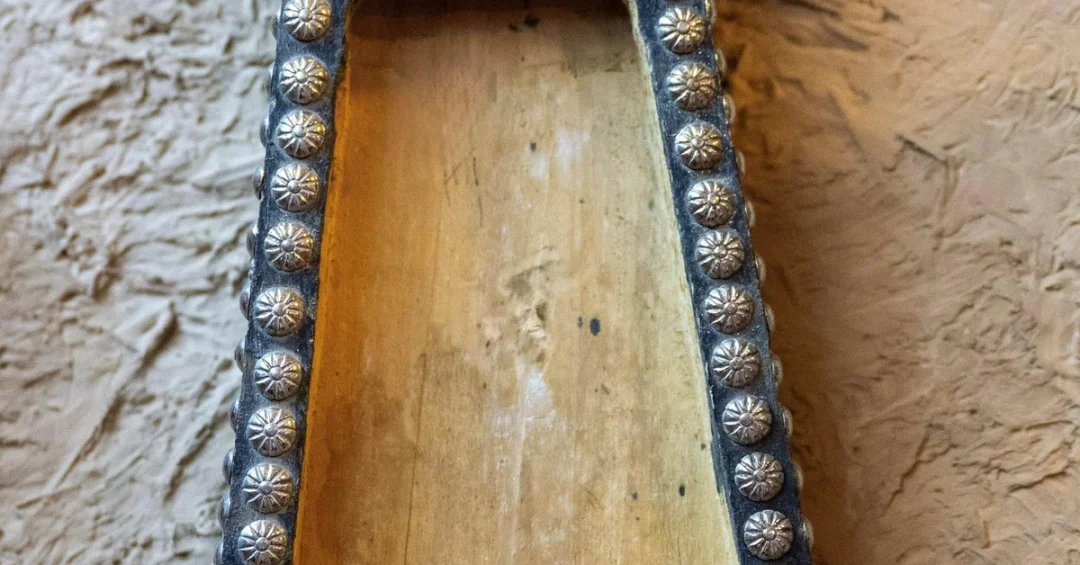
The mibradah, the traditional wooden tool used to cool freshly roasted coffee beans, stands as one of the defining artifacts of Saudi coffee heritage, according to information released by the Saudi Press Agency (SPA). Long before modern kitchens and electric grinders, the mibradah occupied a central place in homes across the Arabian Peninsula, including in Rafha Governorate in the Northern Borders region, where elderly residents still recall it as an essential companion to the daily ritual of preparing Saudi coffee. The tool was used to cool roasted beans after they were removed from the fire, a small but vital step in a process that has always been about far more than making a drink.
Have you ever considered how a simple wooden utensil could carry the memory of an entire culture? In the Saudi tradition, coffee is not merely a beverage; it is a language of welcome, a gesture of generosity, and a marker of identity. The mibradah, handcrafted from local wood in various shapes, sizes, and decorative designs, reflects the skill of traditional artisans and the values of a society that has long placed hospitality at its core. Today, as the Kingdom celebrates its deep-rooted customs while pursuing a bold modern future, the mibradah remains a quiet but powerful symbol of continuity — a reminder that progress and heritage can, and do, coexist.
Context and Background
Why does a tool as humble as the mibradah matter in a country racing toward a technology-driven future? To understand its significance, one must first understand the role of coffee in Arabian society. For centuries, coffee preparation in the Arabian Peninsula has been a family ritual, often performed in the presence of guests and passed down through generations. The beans were roasted over an open fire, then transferred to the mibradah to cool before grinding and brewing. Each step carried meaning: the roasting signaled the beginning of welcome, the cooling represented patience and care, and the serving, often with dates, sealed the bond between host and visitor.
Elderly residents of Rafha Governorate, as reported by the Saudi Press Agency, recall that the mibradah was found in most homes. It was not a luxury item but a household necessity, as common as the coffee pot itself. This widespread presence underscores how deeply coffee culture is woven into the social fabric of the Kingdom. The mibradah was typically carved from local wood, and its decorative designs varied from region to region, offering subtle clues about the artisan who made it and the family that used it. In this sense, every mibradah was both a functional object and a small work of art, carrying the fingerprints of its maker and the history of its users.
The preservation of such traditions has become an increasingly important part of Saudi Arabia’s cultural policy. As the Kingdom undergoes rapid transformation under Vision 2030, official bodies have placed a strong emphasis on documenting and celebrating national heritage. The mibradah, though simple, is a perfect example of the kind of everyday artifact that tells a larger story about Saudi identity, resilience, and generosity.
Key Details of the Mibradah Tradition
What exactly made the mibradah indispensable in the traditional coffee-making process? According to the Saudi Press Agency, the mibradah was used specifically to cool roasted coffee beans after they were taken off the fire. This step was critical: if the beans were ground while still too hot, the flavor could be compromised. The mibradah allowed the beans to release their heat evenly, preparing them for grinding and brewing. It was usually handcrafted from local wood, a material chosen for its availability, durability, and ability to withstand heat without altering the taste of the coffee.
The tool came in various shapes, sizes, and decorative designs, reflecting the skill of traditional artisans. Some mibradahs were simple and utilitarian, while others featured intricate carvings or geometric patterns. These variations were not merely aesthetic; they often indicated regional styles and the status of the household. In Rafha Governorate, as in other parts of the Kingdom, the mibradah was a familiar sight in most homes, where coffee preparation was a family ritual and a symbol of traditional hospitality. The elderly residents who remember these practices describe them with affection, noting that the mibradah was handled with care and often passed down through generations.
It is worth noting that the mibradah was part of a larger toolkit of traditional coffee implements, which included the roasting pan, the mortar and pestle, and the dallah (coffee pot). Together, these objects formed the material culture of Saudi coffee, a tradition that has since been recognized internationally. In 2022, Saudi coffee was added to UNESCO’s Representative List of the Intangible Cultural Heritage of Humanity, a testament to its global significance. The mibradah, though not always singled out in such recognitions, is an integral part of that heritage.
International and Regional Impact
How does a traditional wooden tool from the Arabian Peninsula resonate beyond the region’s borders? The answer lies in the universal language of hospitality and the growing global appreciation for authentic cultural experiences. Saudi coffee, often served with dates, has become a symbol of the Kingdom’s warmth and openness. As Saudi Arabia welcomes millions of international visitors each year — for pilgrimage, tourism, and business — the rituals surrounding coffee offer a tangible connection to the country’s past and its present. The mibradah, as part of that ritual, helps tell a story of a society that values tradition even as it builds futuristic cities and expands its global influence.
Regionally, the mibradah reflects shared heritage across the Gulf and the broader Arab world, where coffee has long been a cornerstone of social life. Yet in Saudi Arabia, the tool has taken on a particularly strong association with national identity, especially as the Kingdom invests in cultural preservation. International audiences, including researchers, travelers, and cultural institutions, have shown increasing interest in such artifacts. Museums and heritage festivals in Saudi Arabia now display traditional coffee-making tools, including the mibradah, allowing visitors to see firsthand how coffee was prepared in the past. This exposure not only educates but also strengthens Saudi Arabia’s soft power, presenting the Kingdom as a guardian of authentic cultural traditions.
Economic and Strategic Significance
Can a small wooden tool have any relevance to a trillion-dollar economy? In Saudi Arabia, the answer is yes — indirectly but meaningfully. The cultural heritage sector is a growing part of the national economy, driven by tourism, entertainment, and the creative industries. Traditional crafts, including the making of mibradahs, support local artisans and small businesses, particularly in regions like the Northern Borders. As the Kingdom promotes domestic tourism and encourages visitors to explore beyond major cities, heritage products gain new markets. The mibradah, sold as a souvenir or used in cultural demonstrations, contributes to this emerging economy.
Moreover, the preservation of coffee heritage aligns with broader strategic goals. Saudi Arabia is a major importer of coffee beans and has been investing in coffee production, including in the Jazan region, where high-quality beans are grown. The cultural prestige of Saudi coffee enhances the value of the entire supply chain, from farm to cup. By celebrating tools like the mibradah, the Kingdom reinforces the authenticity of its coffee brand, which in turn supports agricultural development and export potential. In a world where consumers increasingly seek products with a story, Saudi coffee and its associated heritage offer a compelling narrative.
Vision 2030 Alignment
How does the mibradah connect to Saudi Vision 2030, the ambitious plan to diversify the economy and enhance quality of life? At its heart, Vision 2030 is about building a thriving nation that honors its roots while embracing the future. Cultural heritage is explicitly recognized as a pillar of national identity and a driver of economic growth. The mibradah embodies this dual commitment: it is a relic of the past that continues to inspire pride and creativity in the present. By documenting and promoting such traditions, Saudi Arabia ensures that modernization does not come at the cost of its cultural soul.
As the Kingdom prepares to host major global events and welcomes increasing numbers of visitors, the mibradah will remain a small but eloquent ambassador of Saudi hospitality. It reminds us that true progress is not about erasing the past but about carrying its best elements forward. In every home where coffee is still prepared with care, and in every museum where the mibradah is displayed, the legacy of generosity and craftsmanship endures — a timeless symbol of Saudi coffee heritage and a quiet testament to the nation’s enduring values.
20 Questions
Q1. What is a mibradah?
A1. A mibradah is a traditional wooden tool used to cool roasted coffee beans after they are removed from the fire. It was a common household item in Saudi Arabia and remains a symbol of coffee heritage.
Q2. Why was the mibradah important in traditional coffee preparation?
A2. It cooled the beans evenly, preventing them from being ground while too hot, which could affect flavor. This step was essential for producing high-quality Saudi coffee.
Q3. What materials were used to make a mibradah?
A3. Mibradahs were usually handcrafted from local wood. Artisans shaped and decorated them, creating various designs that reflected regional styles and personal skill.
Q4. Where was the mibradah commonly found?
A4. According to the Saudi Press Agency, it was found in most homes, including in Rafha Governorate. Coffee preparation was a family ritual, and the mibradah was a standard tool.
Q5. How did the mibradah reflect Saudi hospitality?
A5. Coffee is a symbol of generosity in Saudi culture. The mibradah was part of the ritual of preparing coffee for guests, embodying care, respect, and welcome.
Q6. Are mibradahs still used today?
A6. While modern appliances have largely replaced traditional tools, the mibradah remains a cultural symbol. It is displayed in museums and used in heritage demonstrations.
Q7. What shapes and designs did mibradahs come in?
A7. They came in various shapes, sizes, and decorative designs. Some were simple, while others featured intricate carvings, showcasing the artisan’s creativity and regional identity.
Q8. How does the mibradah relate to Saudi coffee’s UNESCO recognition?
A8. Saudi coffee was added to UNESCO’s Intangible Cultural Heritage list in 2022. The mibradah is part of the traditional toolkit that contributes to this recognized heritage.
Q9. What other tools were used alongside the mibradah?
A9. Other tools included the roasting pan, mortar and pestle, and the dallah (coffee pot). Together, they formed the material culture of Saudi coffee preparation.
Q10. Why do elderly residents of Rafha remember the mibradah fondly?
A10. They recall it as part of daily life and family gatherings. The mibradah was associated with hospitality and the comforting ritual of preparing coffee for loved ones and guests.
Q11. How does the mibradah contribute to Saudi Arabia’s cultural preservation efforts?
A11. It is an example of everyday heritage that authorities document and celebrate. Such efforts ensure that traditional practices are passed on to future generations.
Q12. Can visitors see a mibradah in Saudi Arabia today?
A12. Yes, mibradahs are displayed in museums and heritage festivals across the Kingdom. They offer visitors a glimpse into traditional coffee-making and Saudi hospitality.
Q13. What role does the mibradah play in Saudi Arabia’s tourism sector?
A13. It enhances cultural tourism by providing an authentic experience. Tourists interested in heritage can learn about coffee rituals and purchase mibradahs as souvenirs.
Q14. How does the mibradah support local artisans?
A14. The continued demand for traditional crafts, including mibradahs, provides income for artisans. It helps keep woodworking and decorative skills alive in local communities.
Q15. Is the mibradah mentioned in Saudi Vision 2030?
A15. Vision 2030 emphasizes cultural heritage as part of national identity and economic diversification. The mibradah, though not named specifically, aligns with these goals.
Q16. What makes Saudi coffee unique compared to other coffees?
A16. Saudi coffee is often lightly roasted and flavored with cardamom, saffron, or cloves. It is served in small cups and is central to hospitality traditions.
Q17. How is the mibradah used in modern coffee preparation?
A17. Some enthusiasts and cultural practitioners still use mibradahs to cool beans, especially during heritage events. It adds an authentic, hands-on element to the process.
Q18. What does the mibradah symbolize in Saudi culture?
A18. It symbolizes generosity, craftsmanship, and the enduring value of tradition. It represents the care taken to welcome guests and the importance of coffee in social life.
Q19. How can international audiences learn more about the mibradah?
A19. They can visit Saudi heritage museums, attend cultural festivals, or read official publications from the Saudi Press Agency. Online resources also document traditional coffee tools.
Q20. Why is the mibradah considered a timeless symbol?
A20. Because it connects the past to the present, reminding Saudis and the world of the Kingdom’s rich heritage. It endures as a symbol of hospitality and cultural pride.
Reader Feedback
We value your thoughts. Please share your feedback on this article.
Your feedback helps us improve our coverage.
Related articles
 Northern Borders Folk Arts Preserve Cultural Identity
 Falcon Breeders Auction Posts 23% Sales Growth, Boosts Global Presence
 Heritage Commission Documents 180 Riyadh Landmarks
 Al-Atawilah Heritage Festival Launches in Al-Baha
 Saudi Commission Concludes Interpreting Training Program
 Black Gold Museum Showcases Oil’s Role in Civilization