


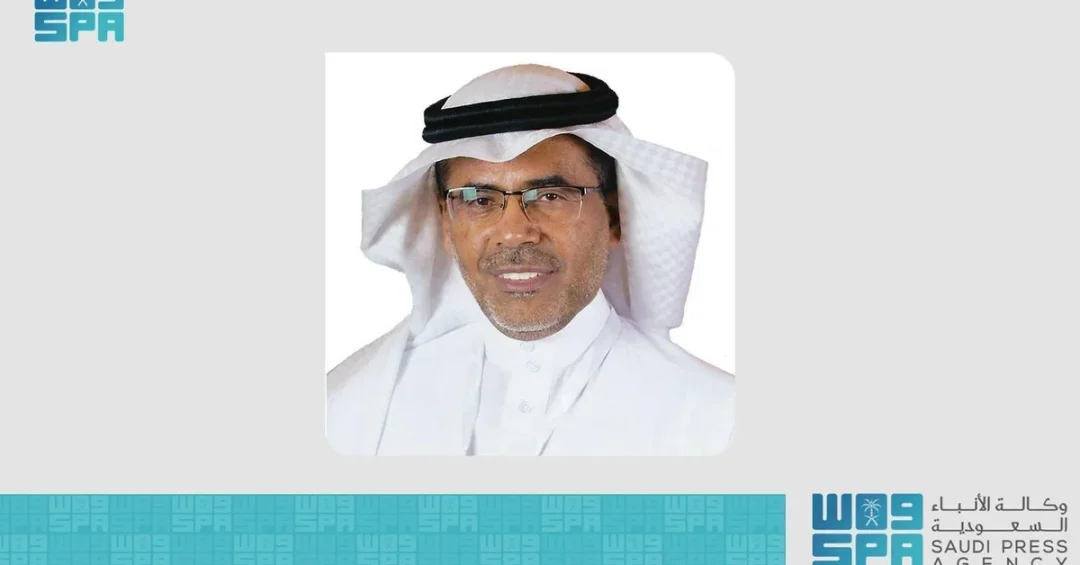
Dr. Ahmed BaHammam, director of the Sleep Research Center at King Saud University’s College of Medicine, has been ranked sixth globally in the specialty of sleep medicine over the past five years, according to the ScholarGPS world ranking. The milestone, announced via the Saudi Press Agency (SPA), places a Saudi physician and researcher among the most influential figures in a field that sits at the intersection of neuroscience, respiratory medicine, and public health. The ranking covers research productivity, impact, and scientific quality across more than 200 countries, and it draws on the analysis of over 30 million professionals and 120,000 academic institutions worldwide.
For Saudi Arabia, the result is more than an individual accolade. It is a signal that the Kingdom’s investment in academic medicine and research infrastructure is producing globally competitive outcomes. King Saud University’s College of Medicine, where Dr. BaHammam leads the Sleep Research Center, is undergoing a transformation into an independent, non-profit academic institution designed to sharpen educational quality, attract international talent, and prepare a generation equipped with the skills demanded by the 21st century. Could a single ranking therefore serve as a window into a much larger national project? The answer, according to official Saudi channels, is yes: the achievement reflects both the development of scientific research at the college and the Kingdom’s broader ambition to lead in knowledge-intensive fields.
Context and Background
How did sleep medicine evolve from a niche clinical interest into a discipline with its own global ranking? Over the past three decades, sleep science has grown rapidly as researchers connected sleep disorders to cardiovascular disease, diabetes, mental health conditions, and workplace performance. The field now encompasses conditions such as obstructive sleep apnea, insomnia, narcolepsy, and circadian rhythm disorders, all of which carry significant public health and economic costs. Dr. BaHammam has been part of that evolution, building the Sleep Research Center at King Saud University’s College of Medicine into a hub for clinical investigation and training.
The ScholarGPS platform, which produced the 2024 ranking, specializes in comprehensive analyses and precise rankings of professionals across the humanities, natural sciences, and medical sciences. Its methodology relies on artificial-intelligence technologies to analyze academic performance, making it one of the most trusted sources for assessing global research excellence. The system uses a quantitative ranking framework that covers 14 general fields, including medicine, engineering, and the humanities; 177 specialties such as surgery, computer science, and history; and more than 350,000 sub-specialties including cancer, artificial intelligence, and ethics. Within that architecture, sleep medicine is a distinct specialty, and a sixth-place global ranking represents sustained excellence over a five-year window.
In a statement to the Saudi Press Agency, Dr. BaHammam said the achievement reflects Saudi Arabia’s advanced position in scientific research and its efforts to further promote leadership in this field. He also linked it to the development of scientific research at King Saud University’s College of Medicine as part of the institution’s transformation into an independent, non-profit academic institution. That transformation, he explained, aims to meet the university’s ambitious goals of becoming one of the world’s leading universities by 2030. Isn’t it notable that a single researcher’s ranking can illuminate an entire institutional reform agenda? The connection is deliberate: Saudi officials present research excellence and academic restructuring as mutually reinforcing.
Key Details
The ranking’s specifics matter for understanding its weight. ScholarGPS evaluates researchers over a rolling five-year period, which means the sixth-place position reflects consistent output rather than a single high-profile paper. The platform’s data set spans more than 200 countries, and its AI-driven analysis is designed to filter out noise and identify researchers whose work has genuine influence. For sleep medicine, a specialty that often receives less public attention than oncology or cardiology, such recognition is significant. It signals that Saudi research in this area is being read, cited, and applied by clinicians and scientists internationally.
Dr. BaHammam’s role as director of the Sleep Research Center at King Saud University’s College of Medicine places him at the center of a national effort to understand and treat sleep disorders. The center’s work has implications for public health policy, clinical practice, and the training of medical professionals. In his statement to SPA, he emphasized that the achievement reflects the development of scientific research at the college, which is being reshaped as an independent, non-profit academic institution. That model, common among leading global universities, is intended to give the college greater flexibility in governance, funding, and partnerships.
The transformation also aims to support the university’s quest toward improving the quality of education and its outcomes, attracting talent, and preparing a generation equipped with top skills to meet the demands of the 21st century. These are not abstract goals. They involve curriculum reform, research funding mechanisms, international collaboration, and the recruitment of faculty and students who can compete on a global stage. Does a ranking like ScholarGPS’s help attract that talent? Official Saudi messaging suggests it does, because international researchers and students look for evidence of excellence when choosing where to study and work.
International and Regional Impact
What does a Saudi researcher’s global ranking mean for the wider Middle East? The region has historically imported much of its medical expertise, sending patients and students abroad for advanced care and training. A top-ten global position in a specialized field offers a counter-narrative: that world-class research and clinical leadership can be built at home. For Saudi Arabia, this aligns with a broader effort to diversify the economy, strengthen the health sector, and position the Kingdom as a destination for medical education and research. Regional peers may see the ranking as evidence that sustained investment in universities can yield internationally recognized results.
Internationally, the result adds a Saudi name to a shortlist of sleep medicine researchers whose work shapes guidelines and clinical practice. ScholarGPS’s ranking is watched by academic institutions, funding bodies, and publishers, and a high position can open doors to collaborations, invited lectures, and joint research projects. For a field that depends on large, multi-country data sets to understand conditions like sleep apnea, such connections are valuable. The ranking also reinforces the credibility of Saudi medical journals and research centers, which can help them attract submissions and partnerships from around the world.
Economic and Strategic Significance
How does sleep research connect to economic strategy? Sleep disorders impose measurable costs on economies through lost productivity, workplace accidents, and increased healthcare spending. Countries that build expertise in diagnosing and treating these conditions can reduce those costs while improving quality of life. Saudi Arabia’s investment in sleep medicine, exemplified by the Sleep Research Center, fits within a broader health-sector strategy that emphasizes prevention, early diagnosis, and evidence-based care. The Kingdom’s Vision 2030 reform agenda includes targets for healthcare quality and life expectancy, and specialized research supports those goals.
Strategically, the ranking strengthens Saudi Arabia’s position in the global knowledge economy. The Kingdom has been expanding its research footprint through initiatives that link universities, hospitals, and technology companies. King Saud University’s transformation into an independent, non-profit academic institution is part of that effort, giving the college room to innovate in governance and funding. A globally ranked researcher serves as a proof point for these reforms, demonstrating that Saudi institutions can produce work that meets international standards. It also supports the university’s stated ambition of becoming one of the world’s leading universities by 2030, a goal that requires visible markers of excellence.
Vision 2030 Alignment
Does this achievement fit the larger story of Saudi Arabia’s transformation? Vision 2030 is built on diversifying the economy, developing human capital, and improving quality of life. Scientific research and higher education are central to all three. By ranking sixth globally in sleep medicine, Dr. BaHammam provides a concrete example of how Saudi institutions are contributing to the Kingdom’s knowledge base and global reputation. His statement to SPA explicitly connected the result to the development of scientific research at King Saud University’s College of Medicine and to the institution’s transformation into an independent, non-profit academic institution.
Looking ahead, the milestone is likely to be cited as evidence that Saudi Arabia’s academic reforms are working. The Kingdom’s goals for 2030 include becoming one of the world’s leading universities, improving education outcomes, attracting talent, and preparing a generation equipped with top skills. Each of these depends on visible success stories. Dr. BaHammam’s ranking offers one, and it does so in a field with direct implications for public health. As Saudi Arabia continues to invest in research, healthcare, and education, achievements like this will help define its global role, not only as an energy producer but as a contributor to science and medicine.
20 Questions
Q1. Who is Dr. Ahmed BaHammam?
A1. Dr. Ahmed BaHammam is the director of the Sleep Research Center at King Saud University’s College of Medicine in Riyadh, Saudi Arabia, and a globally recognized researcher in sleep medicine.
Q2. What ranking did Dr. BaHammam achieve?
A2. He ranked sixth globally among prominent scientists in sleep medicine over the past five years, according to the ScholarGPS world ranking, as reported by the Saudi Press Agency.
Q3. What is ScholarGPS?
A3. ScholarGPS is a platform that provides comprehensive analyses and precise rankings of over 30 million professionals across various fields and 120,000 academic institutions worldwide, using AI-driven analysis.
Q4. How does ScholarGPS determine its rankings?
A4. The rankings are based on research productivity, impact, and scientific quality, relying on the analysis of scientific research data from more than 200 countries.
Q5. What fields does ScholarGPS cover?
A5. It covers 14 general fields including medicine, engineering, and the humanities, 177 specialties such as surgery and computer science, and over 350,000 sub-specialties.
Q6. What did Dr. BaHammam say about his achievement?
A6. He told the Saudi Press Agency that it reflects Saudi Arabia’s advanced position in scientific research and its efforts to further promote leadership in this field.
Q7. How does the achievement relate to King Saud University?
A7. It reflects the development of scientific research at King Saud University’s College of Medicine as part of the institution’s transformation into an independent, non-profit academic institution.
Q8. What is the goal of the college’s transformation?
A8. The transformation aims to meet the university’s ambitious goals of becoming one of the world’s leading universities by 2030, improving education quality and outcomes, attracting talent, and preparing skilled graduates.
Q9. Why is sleep medicine important?
A9. Sleep medicine addresses conditions such as sleep apnea, insomnia, and circadian rhythm disorders, which are linked to cardiovascular disease, diabetes, mental health issues, and reduced workplace productivity.
Q10. What is the Sleep Research Center?
A10. It is a research center at King Saud University’s College of Medicine, directed by Dr. BaHammam, focused on clinical investigation and training in sleep disorders.
Q11. How does the ranking reflect on Saudi Arabia?
A11. It signals that the Kingdom’s investment in academic medicine and research infrastructure is producing globally competitive outcomes and supports its ambition to lead in knowledge-intensive fields.
Q12. What role does AI play in the ranking?
A12. ScholarGPS uses artificial-intelligence technologies to analyze academic performance, making it one of the most trusted sources for assessing global research excellence.
Q13. What does the five-year window mean?
A13. The ranking covers the past five years, indicating sustained research output and impact rather than a single high-profile publication.
Q14. How might this ranking affect international collaboration?
A14. A high global position can open doors to collaborations, invited lectures, and joint research projects, strengthening ties between Saudi institutions and international partners.
Q15. What are the economic implications of sleep research?
A15. Sleep disorders impose costs through lost productivity, workplace accidents, and healthcare spending; research can reduce these costs and improve quality of life.
Q16. How does this align with Vision 2030?
A16. Vision 2030 emphasizes diversifying the economy, developing human capital, and improving quality of life, all supported by scientific research and higher education reforms.
Q17. What is the significance of the college becoming non-profit?
A17. The independent, non-profit model gives the college greater flexibility in governance, funding, and partnerships, similar to leading global universities.
Q18. What message does this send to young Saudi researchers?
A18. It demonstrates that world-class research careers can be built in Saudi Arabia, encouraging talent to pursue scientific fields and contribute to national development.
Q19. What is the source of this information?
A19. The information was released via the Saudi Press Agency (SPA), an official Saudi news authority, based on a statement from Dr. BaHammam.
Q20. What comes next for Saudi research?
A20. Saudi Arabia is expected to continue investing in research, healthcare, and education, with achievements like this supporting its goal of becoming a global leader in science and medicine.
Reader Feedback
We value your thoughts. Please share your feedback on this article.
Your feedback helps us improve our coverage.
Related articles
 Kingdom Shapes Future of Health Using AI, Deputy Minister Says
 Saudi Health Minister Hails Care Model at 2025 Forum
 KSAMC Provides Medical Services to Over 770,000 Patients
 Saudi Red Crescent Volunteers Respond to Umrah Performer Emergency in Record Time
 Health Tent at Hail Rally Attracts Over 24,000 Visitors
 Makkah Hospital Earns CAP Accreditation with 99.5% Distinction