


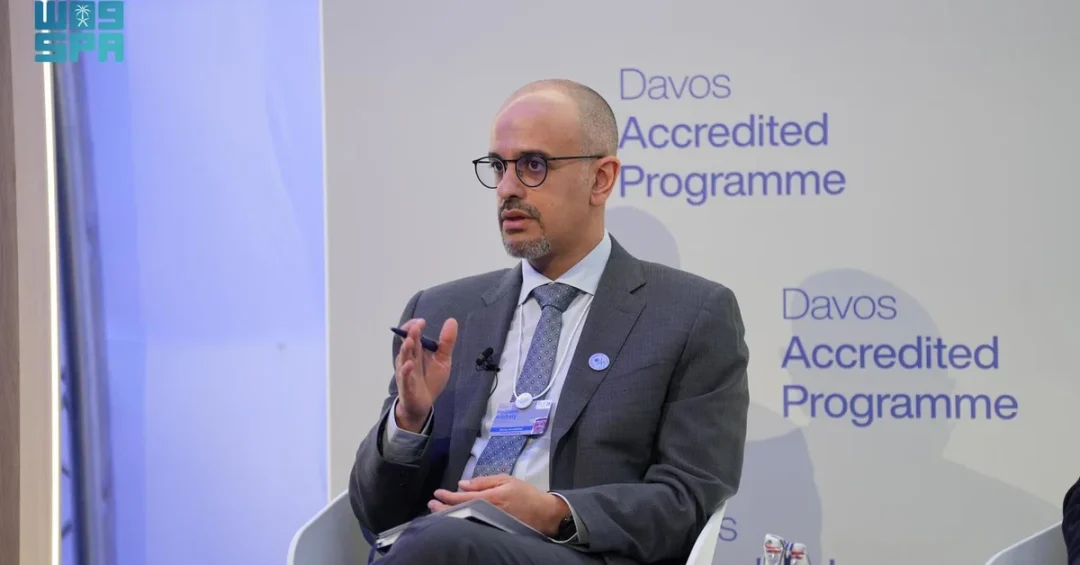
Saudi Arabia’s Deputy Minister of Communications and Information Technology, Eng. Haitham Al-Ohali, told the World Economic Forum in Davos that the Kingdom is setting a global benchmark for artificial intelligence in healthcare, with the SEHA Virtual Hospital having delivered more than 51 million AI-assisted medical consultations. Speaking during a panel discussion at the annual meeting in Davos, Switzerland, on January 23, 2025, the deputy minister presented a series of official figures that illustrate how Saudi Arabia is translating its national digital and health strategies into measurable outcomes for patients at home and lessons for health systems abroad.
The remarks, carried by the Saudi Press Agency, placed the Kingdom’s health technology agenda squarely within its broader national transformation programs, including Vision 2030 and the National Strategy for Data and AI. For international audiences, the numbers are striking: a virtual hospital that is the largest of its kind globally, 200 connected hospitals, an 85 percent improvement in treatment efficiency for complex diseases, and a stroke treatment time of 25 minutes against a global average of 60. Together they describe a country that is not merely adopting health technology but industrializing it at national scale. How did a single virtual hospital come to serve as the backbone of a nationwide care model? The answer lies in deliberate, state-led investment and a clear strategic vision.
Context and Background
Can a health system be rebuilt around data and artificial intelligence without sacrificing the human dimension of care? Saudi Arabia’s experience suggests it can, and the deputy minister’s Davos intervention was designed to show international partners exactly how. The SEHA Virtual Hospital, launched under the Saudi Ministry of Health, was conceived as a national telemedicine hub capable of extending specialist expertise into every region of the Kingdom, from major urban centers to remote communities. Rather than duplicating scarce consultants in hundreds of locations, the model concentrates advanced diagnostic capability in one virtual center and distributes it through secure digital networks.
The strategic foundation for this approach was laid well before the current expansion. The National Strategy for Data and AI, adopted in 2020, set out to position the Kingdom among the world’s leading economies in data-driven innovation, with health identified as a priority sector. Vision 2030, the Kingdom’s long-term transformation blueprint, similarly emphasizes quality of life, preventive care, and a diversified, knowledge-based economy. The Health Sector Transformation Program, one of the Vision 2030 realization programs, explicitly calls for digital health records, virtual care, and AI-supported clinical decision-making. The deputy minister’s figures therefore represent the visible output of more than half a decade of coordinated policy, regulation, and infrastructure investment.
Eng. Al-Ohali’s presence at Davos also reflects a wider pattern: Saudi Arabia increasingly uses global platforms to share its domestic modernization story and to attract research, capital, and talent. The World Economic Forum has become a regular venue for Saudi ministers and executives to outline progress on technology, energy transition, and health. In this context, the deputy minister’s message was not simply a status report but an invitation to collaborate on the next generation of medical innovation.
Key Details: The SEHA Virtual Hospital at Scale
What does 51 million AI-assisted consultations actually mean for patients? According to the deputy minister, the SEHA Virtual Hospital has provided more than 51 million medical consultations using AI technologies for remote diagnosis and treatment, making it the largest facility of its kind in the world. That volume is not a pilot or a demonstration project; it represents routine, nationwide clinical activity delivered through a digital-first model. The hospital connects 200 hospitals across the Kingdom, allowing specialists to review cases, recommend treatment pathways, and support local clinicians in real time.
Eng. Al-Ohali highlighted that the technology has contributed to an 85 percent increase in treatment efficiency, particularly for complex conditions such as sickle cell anemia, a genetic blood disorder that affects a significant number of patients in the Kingdom and across the region. Improved efficiency in this context means faster diagnosis, more consistent adherence to treatment protocols, and fewer delays in accessing specialist input. For patients living with chronic and complex diseases, those gains translate directly into better outcomes and less disruption to daily life.
The deputy minister also cited progress in acute care. AI technologies have reduced the average time to treatment for stroke cases to 25 minutes, compared with a global average of 60 minutes. In stroke care, time is brain tissue: every minute of delay increases the risk of permanent disability. A 25-minute national average therefore represents a meaningful clinical achievement and a strong signal of how digital triage, imaging analysis, and telestroke networks can be combined effectively. He further noted that the Hevolution Foundation has allocated $400 million to support research and innovation in healthspan sciences, with the ambition of achieving scientific advances equivalent to 15 years of development within just three years.
International and Regional Impact
Could Saudi Arabia’s virtual care model become a template for other countries facing doctor shortages and growing chronic disease burdens? The Kingdom’s scale and speed make it a natural reference point. Many health systems worldwide struggle to deliver specialist care outside major cities, and the SEHA model offers a working example of how a centralized virtual hospital, supported by AI, can extend reach without proportional increases in cost. For regional neighbors in the Gulf and the wider Middle East, the model is especially relevant because it addresses shared challenges: high rates of genetic and chronic disease, rapidly growing populations, and uneven distribution of clinical expertise.
Internationally, the deputy minister’s Davos remarks position Saudi Arabia as a contributor to global health innovation rather than only a recipient of imported technology. The Kingdom’s participation in multilateral discussions on AI governance and digital health standards supports the development of interoperable, ethically grounded systems. By publishing concrete metrics, Saudi officials also invite benchmarking and peer review, which builds credibility and encourages partnerships with research institutions, technology firms, and international health organizations. The message is that Saudi Arabia intends to help shape the rules and norms of AI-enabled healthcare, not merely follow them.
Economic and Strategic Significance
Why should global investors and policymakers pay attention to health AI in Saudi Arabia? The economic logic is compelling. Health technology sits at the intersection of two Vision 2030 priorities: improving quality of life and building a diversified, innovation-driven economy. A health system that detects disease earlier, treats it more efficiently, and reduces avoidable hospitalizations lowers long-term costs while improving productivity. AI-supported remote care also reduces travel and waiting times, which benefits patients and employers alike.
The $400 million commitment by the Hevolution Foundation adds a research and development dimension that goes beyond service delivery. Healthspan sciences, which focus on extending the healthy years of life, are a growing field with significant commercial and scientific potential. By funding research and innovation in this area, the Kingdom aims to attract global scientific talent, generate intellectual property, and build a domestic life sciences ecosystem. The deputy minister’s framing of compressing 15 years of development into three years signals ambition and urgency, consistent with the Kingdom’s broader approach to transformation. For international partners, this creates opportunities in clinical research, digital health platforms, biotechnology, and specialized training.
Vision 2030 Alignment
How does a virtual hospital in Riyadh connect to the Kingdom’s long-term vision? Vision 2030 is built on the idea that a prosperous future requires healthy, skilled, and engaged citizens, supported by world-class public services and a diversified economy. The Health Sector Transformation Program translates that idea into concrete targets, including expanded digital health infrastructure, improved access, and higher patient satisfaction. The SEHA Virtual Hospital and the AI tools described by Eng. Al-Ohali are direct instruments of that program, turning policy ambition into daily clinical reality.
Eng. Al-Ohali affirmed that these achievements reflect the Kingdom’s commitment to leadership in the healthcare sector by leveraging AI capabilities to improve quality of life and ensure a sustainable healthy future. That commitment is not limited to technology procurement; it includes governance, data protection, clinical validation, and workforce development. As Saudi Arabia continues to invest in AI, digital infrastructure, and health research, its experience will inform global conversations about how to deploy powerful technologies responsibly and equitably. The Kingdom’s message at Davos was clear: the future of health is being built now, and Saudi Arabia intends to help lead the way.
20 Questions
Q1. What did Eng. Haitham Al-Ohali discuss at the World Economic Forum in Davos?
A1. The Deputy Minister of Communications and Information Technology highlighted Saudi Arabia’s leadership in using artificial intelligence to enhance healthcare, presenting national achievements in virtual care, treatment efficiency, and medical research aligned with Vision 2030.
Q2. What is the SEHA Virtual Hospital and why is it significant?
A2. SEHA is the largest virtual hospital of its kind globally, providing AI-assisted remote diagnosis and treatment. It connects 200 hospitals across Saudi Arabia, extending specialist care nationwide and demonstrating the Kingdom’s scale in digital health.
Q3. How many medical consultations has the SEHA Virtual Hospital provided?
A3. According to Eng. Al-Ohali, the SEHA Virtual Hospital has provided more than 51 million medical consultations using AI technologies for remote diagnosis and treatment, reflecting widespread adoption across the Kingdom’s health system.
Q4. What improvement in treatment efficiency was reported?
A4. The deputy minister stated that AI technologies contributed to an 85 percent increase in treatment efficiency, especially for complex diseases such as sickle cell anemia, improving diagnosis speed and adherence to treatment protocols.
Q5. How many hospitals are connected to the Saudi Virtual Health Hospital?
A5. Eng. Al-Ohali noted that 200 hospitals are connected to the Saudi Virtual Health Hospital, enhancing access to medical services more efficiently and supporting clinicians with specialist expertise in real time.
Q6. What was achieved in stroke treatment times?
A6. AI technologies reduced the average time to reach treatment for stroke cases to 25 minutes, compared with the global average of 60 minutes, reflecting significant progress in acute care and digital triage.
Q7. What is the Hevolution Foundation’s role in health innovation?
A7. The Hevolution Foundation has allocated $400 million to support research and innovations in healthspan sciences, aiming to achieve scientific advancements equivalent to 15 years of development within just three years.
Q8. How does this align with Saudi Arabia’s national strategies?
A8. These efforts align with national strategies aimed at medical innovation and advancing health services, including Vision 2030, the Health Sector Transformation Program, and the National Strategy for Data and AI.
Q9. What is the significance of the 51 million consultations figure?
A9. It shows that AI-enabled virtual care is operating at national scale in Saudi Arabia, not as a pilot project, delivering routine clinical services to patients across the Kingdom through a digital-first model.
Q10. How does the SEHA model help patients in remote areas?
A10. By concentrating specialist expertise in one virtual hub and distributing it through secure networks, SEHA extends advanced diagnostic and treatment support to remote communities that might otherwise lack access to specialists.
Q11. Why is sickle cell anemia specifically mentioned?
A11. Sickle cell anemia is a complex genetic blood disorder with significant prevalence in the region. Improved treatment efficiency for this condition demonstrates AI’s value in managing chronic and genetically complex diseases.
Q12. What does the 25-minute stroke treatment time indicate?
A12. It indicates that AI-supported triage, imaging analysis, and telestroke networks are functioning effectively at national scale, reducing delays that can cause permanent disability in stroke patients.
Q13. What are healthspan sciences?
A13. Healthspan sciences focus on extending the number of healthy years in a person’s life, researching ways to prevent or delay age-related decline and improve long-term quality of life for populations.
Q14. How does this development benefit the global community?
A14. Saudi Arabia’s experience offers a working model for countries facing specialist shortages, showing how centralized virtual hospitals and AI can extend care. It also contributes to global standards for AI in healthcare.
Q15. What economic opportunities does health AI create for Saudi Arabia?
A15. Health AI supports a diversified, innovation-driven economy by lowering long-term care costs, improving productivity, attracting research talent, and creating opportunities in digital health, biotechnology, and clinical research.
Q16. How does the Kingdom ensure responsible use of AI in healthcare?
A16. Saudi Arabia emphasizes governance, data protection, clinical validation, and workforce development alongside technology investment, ensuring AI deployment is ethical, secure, and clinically effective within national health strategies.
Q17. What role does the Ministry of Communications and Information Technology play?
A17. The ministry drives digital infrastructure, connectivity, and AI adoption across sectors. Eng. Al-Ohali’s remarks reflect its role in enabling health technology through national digital strategy and cross-sector coordination.
Q18. How does this align with Vision 2030’s quality of life goals?
A18. Vision 2030 aims to improve quality of life through world-class public services. AI-enabled healthcare expands access, reduces waiting times, and supports preventive care, directly contributing to healthier, more productive citizens.
Q19. What might come next for Saudi health AI?
A19. Continued expansion of virtual care, deeper AI integration in diagnosis and treatment, growth in healthspan research through the Hevolution Foundation, and international partnerships are expected to drive the next phase of development.
Q20. What was the main message of the deputy minister at Davos?
A20. Eng. Al-Ohali conveyed that Saudi Arabia is committed to leadership in healthcare by leveraging AI to improve quality of life and ensure a sustainable healthy future, inviting global collaboration on medical innovation.
Reader Feedback
We value your thoughts. Please share your feedback on this article.
Your feedback helps us improve our coverage.
Related articles
 Saudi Health Minister Hails Care Model at 2025 Forum
 KSAMC Provides Medical Services to Over 770,000 Patients
 Saudi Red Crescent Volunteers Respond to Umrah Performer Emergency in Record Time
 Health Tent at Hail Rally Attracts Over 24,000 Visitors
 Makkah Hospital Earns CAP Accreditation with 99.5% Distinction
 KSrelief Performs 62 Surgeries in Yemen Medical Project