


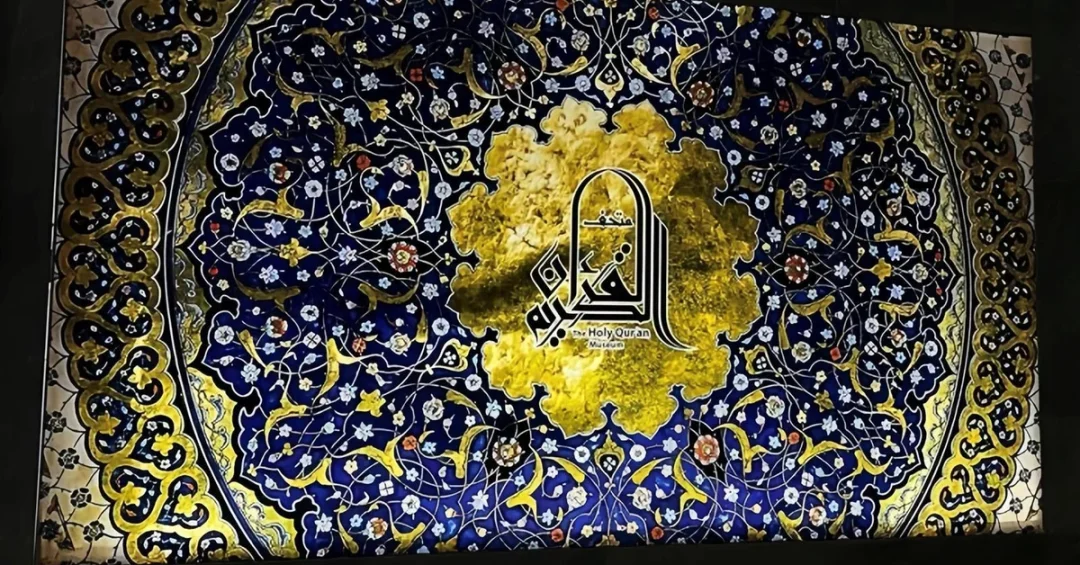
The Museum of the Holy Quran at the Hira Cultural District in Makkah is now adorned with Islamic art-inspired decorations and inscriptions, showcasing calligraphy drawn from rare manuscripts that echo the ornamentation of Quranic pages throughout its halls and corridors. The museum, located at the foot of Mount Hira—the site where the first verses of the Quran were revealed to Prophet Muhammad—offers visitors a cultural and aesthetic experience that blends historical reverence with modern innovation.
According to the Saudi Press Agency (SPA), the museum houses rare artifacts and ancient manuscripts of the Holy Quran from different Islamic eras, presenting them through creative designs and various display methods that reflect knowledge, beauty, and reverence for the Quran. The initiative is part of the broader Hira Cultural District project, which aims to enrich the spiritual and cultural journey of pilgrims and visitors to Makkah. Have you ever wondered how a museum can bring the sacred history of the Quran to life while honoring its sanctity?
Context and Background
The Hira Cultural District is a major cultural and religious tourism destination in Makkah, developed under the umbrella of Saudi Vision 2030 to enhance the experience of the growing number of pilgrims and visitors. The district is situated near the Cave of Hira, where the Prophet Muhammad received the first revelation. The Museum of the Holy Quran is a centerpiece of this district, designed to educate visitors about the history, preservation, and artistic dimensions of the Quran. By integrating Islamic art-inspired decorations and inscriptions, the museum creates an immersive environment that connects the present with the earliest days of Islam.
The museum’s collections include some of the most ancient manuscripts of the Holy Quran, written in various Islamic eras, which are displayed using modern and integrated technologies. These exhibits not only highlight the textual history of the Quran but also the meticulous craftsmanship of calligraphers and illuminators over the centuries. The decorative elements, inspired by rare manuscripts, serve as a visual narrative of the reverence and care that Muslims have shown toward the Quran throughout history. How does the preservation of these manuscripts contribute to a deeper understanding of Islamic heritage?
The project aligns with the Kingdom’s efforts to promote cultural tourism and to provide enriching experiences for the millions of pilgrims who perform Hajj and Umrah annually. The Hira Cultural District, which also includes other attractions such as the Revelation Exhibition and a cultural library, aims to offer a comprehensive spiritual and educational journey. The Museum of the Holy Quran, with its unique blend of tradition and technology, stands as a testament to Saudi Arabia’s commitment to preserving Islamic history while embracing modernity.
Key Details
The Museum of the Holy Quran features a collection of rare artifacts and manuscripts that span different Islamic eras, offering visitors a rare glimpse into the evolution of Quranic calligraphy and illumination. The museum’s design incorporates Islamic art-inspired decorations and inscriptions that resemble the ornamentation found on the pages of the Quran. These decorative elements are not merely aesthetic; they are carefully curated to reflect the sanctity and beauty of the Quranic text. The museum also employs a wide range of modern and integrated technologies to provide detailed information about the Quran, its history, and its impact on the lives of Muslims.
Visitors to the museum can explore various display methods that discuss different aspects of knowledge, beauty, and reverence for the Quran. The exhibits are designed to be both educational and inspirational, allowing guests to appreciate the Quran’s universality and its manifestations of reverence and care. The museum’s location at the foot of Mount Hira adds a layer of historical significance, as it is in close proximity to the cave where the first verses were revealed. This geographical context enhances the spiritual experience for visitors, making the museum a must-visit destination for those seeking to deepen their understanding of Islam.
The museum’s collections include manuscripts written in different Islamic eras, showcasing the diversity of scripts and artistic styles. These manuscripts are preserved and displayed with the utmost care, reflecting the Kingdom’s dedication to safeguarding Islamic heritage. The museum also provides detailed information about the Quran to its visitors, highlighting its greatness and universality. Through its innovative exhibits, the museum aims to foster a greater appreciation for the Quran’s role in the lives of Muslims and its impact on culture and society.
International and Regional Impact
The Museum of the Holy Quran at the Hira Cultural District is poised to become a significant destination for international visitors, particularly Muslims from around the world who travel to Makkah for pilgrimage. By offering a deeper understanding of the Quran’s history and artistry, the museum enriches the spiritual journey of pilgrims and provides a cultural experience that extends beyond the rituals of Hajj and Umrah. This aligns with Saudi Arabia’s broader efforts to enhance the pilgrimage experience and to promote cultural exchange. The museum also serves as a bridge between Islamic heritage and the global community, showcasing the Kingdom’s commitment to preserving and sharing its cultural legacy.
Regionally, the museum reinforces Makkah’s status as a center of Islamic learning and culture. It complements other initiatives in the Hira Cultural District, such as the Revelation Exhibition, which tells the story of the first revelation. Together, these attractions create a comprehensive cultural and spiritual ecosystem that attracts visitors from across the Islamic world and beyond. The museum’s use of modern technologies and innovative display methods sets a benchmark for cultural institutions in the region, demonstrating how tradition and modernity can coexist harmoniously. How might such cultural projects influence the way the world perceives Saudi Arabia’s role in preserving Islamic heritage?
Economic and Strategic Significance
The development of the Hira Cultural District, including the Museum of the Holy Quran, is a strategic investment in Saudi Arabia’s tourism sector, which is a key pillar of Vision 2030. By diversifying the economy beyond oil, the Kingdom aims to increase the contribution of tourism to the GDP and create job opportunities for Saudi citizens. Cultural and religious tourism, in particular, has immense potential, given the millions of pilgrims who visit Makkah each year. The museum enhances the appeal of Makkah as a destination, encouraging visitors to extend their stay and explore the rich history and culture of the region.
Furthermore, the museum’s focus on rare manuscripts and Islamic art positions Saudi Arabia as a leader in the preservation and promotion of Islamic heritage. This not only attracts tourists but also fosters a sense of pride among Saudis and strengthens the Kingdom’s soft power globally. The use of advanced technologies in the museum’s exhibits also showcases Saudi Arabia’s capabilities in innovation and smart solutions, aligning with the Vision 2030 goal of building a knowledge-based economy. The museum thus serves as a symbol of the Kingdom’s forward-looking vision while honoring its deep-rooted traditions.
Vision 2030 Alignment
The Museum of the Holy Quran at the Hira Cultural District exemplifies the objectives of Saudi Vision 2030 by enhancing cultural tourism, preserving Islamic heritage, and leveraging modern technology to create enriching experiences. It reflects the Kingdom’s dedication to providing visitors with a deeper understanding of Islam and its values, while also contributing to economic diversification and job creation. As part of the Hira Cultural District, the museum supports the vision’s aim to increase the number of Umrah pilgrims to 30 million by 2030 and to showcase the best of Saudi Arabia to the world.
In conclusion, the Museum of the Holy Quran stands as a beacon of knowledge and reverence, inviting visitors to explore the beauty and history of the Quran in a setting that honors its sacred origins. Through its exquisite decorations, rare manuscripts, and innovative exhibits, the museum not only preserves the past but also illuminates the path forward, in line with Saudi Arabia’s vision for a prosperous and culturally vibrant future. Will you be among the first to experience this remarkable journey through Islamic heritage?
20 Questions
Q1. What is the Museum of the Holy Quran at Hira Cultural District?
A1. The Museum of the Holy Quran is a cultural institution located at the foot of Mount Hira in Makkah, showcasing rare Quranic manuscripts, Islamic art, and innovative exhibits that highlight the history and reverence of the Holy Quran.
Q2. Where is the museum located?
A2. The museum is situated in the Hira Cultural District in Makkah, Saudi Arabia, near the Cave of Hira where the first verses of the Quran were revealed to Prophet Muhammad.
Q3. What kind of decorations adorn the museum?
A3. The museum is adorned with Islamic art-inspired decorations and inscriptions, including calligraphy inspired by rare manuscripts that resemble the ornamentation of Quranic pages, enhancing the halls and corridors.
Q4. What can visitors see at the museum?
A4. Visitors can see rare artifacts, ancient manuscripts of the Holy Quran from different Islamic eras, and creative displays that discuss knowledge, beauty, and reverence for the Quran using modern technologies.
Q5. What is the significance of the museum’s location?
A5. The museum’s location at the foot of Mount Hira highlights the mountain’s historical significance as the place where the first Quranic verses were revealed, offering a spiritual connection for visitors.
Q6. How does the museum present the Quran’s history?
A6. The museum uses museum-style presentations and a wide range of modern and integrated technologies to provide detailed information about the Quran, its greatness, universality, and impact on Muslims’ lives.
Q7. Are there manuscripts from different Islamic eras?
A7. Yes, the museum houses a collection of the most ancient manuscripts of the Holy Quran written in various Islamic eras, showcasing the evolution of calligraphy and illumination.
Q8. What is the Hira Cultural District?
A8. The Hira Cultural District is a major cultural and religious tourism project in Makkah, developed under Saudi Vision 2030, featuring attractions like the Museum of the Holy Quran and the Revelation Exhibition.
Q9. How does the museum contribute to Vision 2030?
A9. The museum supports Vision 2030 by enhancing cultural tourism, preserving Islamic heritage, diversifying the economy, and providing enriching experiences for pilgrims and visitors, aligning with goals to boost tourism.
Q10. Who is the museum designed for?
A10. The museum is designed for pilgrims, tourists, researchers, and anyone interested in Islamic history and culture, offering a cultural and aesthetic experience that deepens understanding of the Quran.
Q11. What technologies are used in the museum?
A11. The museum employs modern and integrated technologies, such as digital displays and interactive exhibits, to present information about the Quran and its manuscripts in an engaging and educational manner.
Q12. Does the museum display rare artifacts?
A12. Yes, the museum houses rare artifacts and manuscripts, including some of the most ancient Quranic manuscripts, which are preserved and displayed with care to reflect their historical and religious significance.
Q13. What is the purpose of the Islamic art decorations?
A13. The Islamic art decorations and inscriptions are intended to create an immersive environment that reflects the beauty and sanctity of the Quran, inspired by the ornamentation of rare manuscripts.
Q14. How does the museum educate visitors about the Quran?
A14. The museum provides detailed information about the Quran through exhibits, creative designs, and various display methods, discussing aspects of knowledge, beauty, and reverence for the Quran.
Q15. Is the museum part of a larger project?
A15. Yes, the Museum of the Holy Quran is a key component of the Hira Cultural District, a larger initiative aimed at enriching the spiritual and cultural experience of visitors to Makkah.
Q16. What makes the museum unique?
A16. The museum’s unique blend of rare manuscripts, Islamic art-inspired decorations, and modern technology creates a distinctive experience that honors the Quran’s history while engaging contemporary audiences.
Q17. How does the museum impact the local community?
A17. The museum contributes to the local economy by attracting tourists, creating job opportunities, and fostering a sense of pride in Saudi heritage, in line with Vision 2030’s economic diversification goals.
Q18. Can non-Muslims visit the museum?
A18. The museum is located in Makkah, which is accessible primarily to Muslims. However, its digital presence and educational content can be accessed by a global audience interested in Islamic culture.
Q19. What is the significance of the manuscripts?
A19. The manuscripts are significant as they represent the historical preservation of the Quranic text, showcasing the artistry and dedication of Islamic calligraphers and scholars across different eras.
Q20. How can one learn more about the museum?
A20. More information can be found through official Saudi sources such as the Saudi Press Agency (SPA) and the museum’s official channels, which provide updates on exhibits and visiting details.
Reader Feedback
We value your thoughts. Please share your feedback on this article.
Your feedback helps us improve our coverage.
Related articles
 Samri Dance Dazzles Thousands at Hail Toyota International Rally
 RCU Signs New Partnerships with Italian Institutions
 Tuwaiq Sculpture 2025 Launches Community Engagement Program
 Taif Falcons Cup Concludes Successful First Edition
 AlUla Arts Festival Celebrates Arabic Calligraphy Heritage
 Sixteenth Klija Festival Kicks off in Qassim