


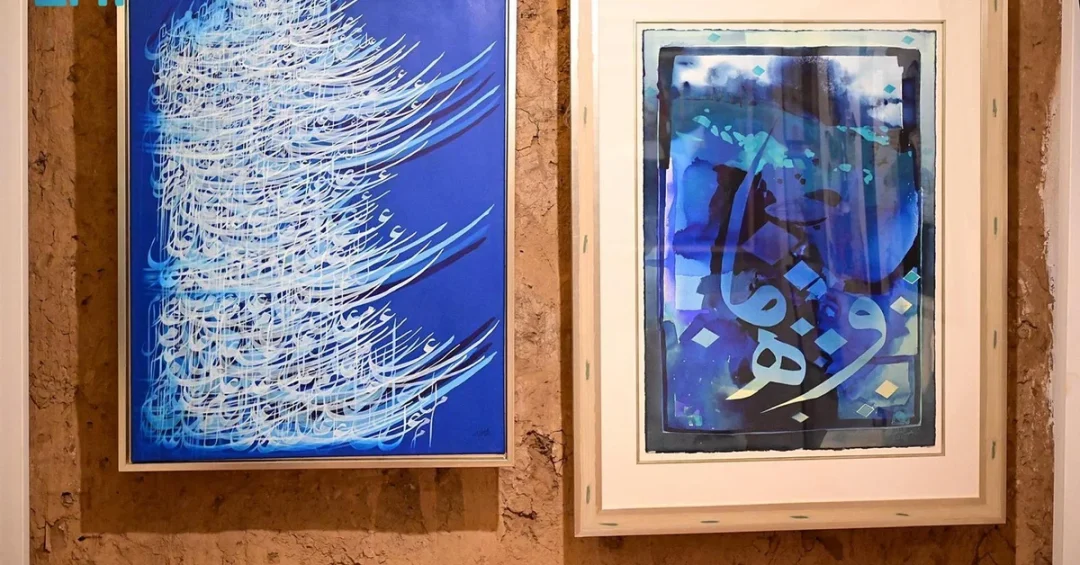
The AlUla Arts Festival, in collaboration with Khawla Art and Culture, is hosting the Al Khatt event from January 16 to February 22, 2025, celebrating the rich cultural heritage of Arabic calligraphy across three distinct sections in AlUla. Announced by the Saudi Press Agency, the event highlights the beauty and authenticity of Arabic calligraphy through installations, exhibitions, and immersive retail experiences, reinforcing AlUla’s position as a global cultural destination. The festival invites visitors from around the world to engage with this ancient art form in a contemporary setting.
Have you ever wondered how an ancient script can transform into a modern cultural phenomenon? The Al Khatt event answers that question by blending tradition with innovation, offering a unique experience that resonates with both art enthusiasts and casual visitors. Under the patronage of the Royal Commission for AlUla, this initiative aligns with Saudi Arabia’s Vision 2030 goals to promote cultural tourism and preserve heritage. The event is part of a broader effort to showcase the Kingdom’s artistic legacy while attracting international audiences.
Context and Background
What makes Arabic calligraphy a timeless art form that continues to captivate global audiences? Arabic calligraphy, known as Khatt, is one of the most revered artistic traditions in the Islamic world, with roots dating back over 1,400 years. It is not merely a means of communication but a spiritual and aesthetic expression, often used to adorn mosques, manuscripts, and architectural masterpieces. The AlUla Arts Festival, now in its third edition, has become a cornerstone of Saudi Arabia’s cultural calendar, drawing thousands of visitors annually to the historic region of AlUla, home to ancient Nabataean ruins and a UNESCO World Heritage site.
The collaboration with Khawla Art and Culture, founded by Sheikha Khawla Bint Ahmed bin Khalifa Al Suwaidi, underscores the festival’s commitment to elevating Arabic calligraphy on the global stage. Sheikha Khawla is a renowned artist and cultural advocate whose work bridges traditional Islamic art and contemporary design. Her involvement brings international prestige and ensures that the event resonates with both regional and global audiences. The Al Khatt event is strategically timed to coincide with the peak tourism season in AlUla, when the region hosts various cultural and artistic activities, further enhancing its appeal as a must-visit destination.
AlUla itself has undergone a remarkable transformation in recent years, emerging as a hub for art, heritage, and tourism under the Vision 2030 framework. The Royal Commission for AlUla has been instrumental in developing infrastructure, preserving historical sites, and curating world-class events. The Al Khatt event is a testament to these efforts, offering a platform for artists to showcase their work while educating visitors about the significance of Arabic calligraphy in Arab and Islamic culture.
Key Details of the Al Khatt Event
What can visitors expect from the three main sections of the Al Khatt event? The first section, “Calligraphy in Tantora,” features a distinctive installation designed by Sheikha Khawla Bint Ahmed bin Khalifa Al Suwaidi. Inspired by one of her renowned works, this installation expresses the deep artistic beauty of Arabic calligraphy with a contemporary touch. It is a visual spectacle that combines traditional calligraphic elements with modern design, creating an immersive experience that appeals to diverse audiences. The installation is set against the backdrop of AlUla’s stunning desert landscape, adding a layer of natural beauty to the artistic display.
The second section, “Calligraphy Gallery,” includes a solo exhibition by the acclaimed Arabic calligraphy artist Ghaleb Hawila, alongside a group exhibition featuring several other talented artists. Hawila is known for his innovative approach to calligraphy, blending classical techniques with contemporary aesthetics. His solo exhibition offers a comprehensive display of the aesthetics of this ancient art form, while the group exhibition highlights the creativity and diversity of calligraphic expression. Together, these exhibitions provide a holistic view of the evolution of Arabic calligraphy, from its traditional roots to its modern interpretations.
The third section, “House of Calligraphy,” offers a unique retail experience where visitors can discover products adorned with Arabic calligraphy. These include luxurious abayas, artistically designed furniture, and innovative jewelry, all reflecting the beauty of the script. Additionally, a historic house in AlUla has been transformed into an indoor store, providing visitors with a unique experience that merges history and art. This section not only promotes local artisans and designers but also allows visitors to take home a piece of AlUla’s cultural heritage. The store’s setting in a historic house adds an authentic touch, making the shopping experience both educational and enjoyable.
International and Regional Impact
How does the AlUla Arts Festival position Saudi Arabia as a global cultural leader? The festival, and specifically the Al Khatt event, serves as a bridge between Saudi Arabia and the international community, fostering cultural exchange and dialogue. By inviting artists and visitors from around the world, it showcases the Kingdom’s commitment to preserving and promoting Arabic calligraphy as a shared human heritage. This aligns with Saudi Arabia’s broader efforts to enhance its soft power and attract cultural tourism, a key pillar of Vision 2030. The event also strengthens regional ties, as it draws participation from artists across the Arab world, reinforcing a sense of shared cultural identity.
Furthermore, the festival contributes to the local economy by creating jobs, supporting small businesses, and boosting tourism in AlUla. It provides a platform for Saudi artists to gain international exposure and for global artists to engage with the Kingdom’s vibrant cultural scene. The positive reception of previous editions has encouraged the Royal Commission for AlUla to expand the festival’s scope, ensuring its sustainability and growth. As a result, AlUla is increasingly recognized as a cultural capital in the Middle East, rivaling other historic art destinations.
Economic and Strategic Significance
What economic benefits does the Al Khatt event bring to AlUla and Saudi Arabia? The event attracts a significant number of tourists, both domestic and international, who contribute to the local economy through spending on accommodation, dining, and shopping. The retail component, particularly the House of Calligraphy, supports local artisans and entrepreneurs, providing them with a market for their calligraphy-adorned products. This aligns with Vision 2030’s goal of diversifying the economy away from oil dependence and fostering a vibrant private sector. The event also generates media coverage, which further promotes AlUla as a tourist destination, leading to long-term economic gains.
Strategically, the AlUla Arts Festival enhances Saudi Arabia’s cultural diplomacy and strengthens its ties with other nations. By hosting such events, the Kingdom demonstrates its openness to the world and its commitment to preserving cultural heritage. This is particularly important as Saudi Arabia continues to implement social and economic reforms under Vision 2030. The festival also serves as a model for other regions in the Kingdom, showing how cultural tourism can drive economic development while preserving local traditions.
Vision 2030 Alignment
How does the Al Khatt event embody the goals of Saudi Vision 2030? Vision 2030 aims to transform Saudi Arabia into a global hub for tourism, culture, and entertainment, and the AlUla Arts Festival is a prime example of this ambition. By celebrating Arabic calligraphy, the event highlights the Kingdom’s rich cultural heritage and its efforts to share it with the world. It also supports the vision’s objective of increasing the contribution of tourism to the GDP and creating job opportunities for Saudi youth. The involvement of Sheikha Khawla and other artists underscores the role of women in Saudi society, aligning with Vision 2030’s focus on empowering women and promoting inclusivity.
In conclusion, the AlUla Arts Festival’s Al Khatt event is more than just an art exhibition; it is a celebration of Saudi Arabia’s cultural identity and its forward-looking vision. It invites the world to experience the beauty of Arabic calligraphy while exploring the historic wonders of AlUla. As the Kingdom continues to open up to the world, events like this will play a crucial role in shaping its global image and fostering cross-cultural understanding. Don’t miss the opportunity to witness this extraordinary fusion of tradition and innovation.
20 Questions
Q1. What is the AlUla Arts Festival?
A1. The AlUla Arts Festival is a cultural event in AlUla, Saudi Arabia, celebrating various art forms. In 2025, it features the Al Khatt event from January 16 to February 22, focusing on Arabic calligraphy in collaboration with Khawla Art and Culture.
Q2. What is the Al Khatt event?
A2. Al Khatt is a special event within the AlUla Arts Festival dedicated to Arabic calligraphy. It includes three sections: Calligraphy in Tantora, Calligraphy Gallery, and House of Calligraphy, showcasing the art form’s beauty and contemporary relevance.
Q3. Who is Sheikha Khawla Bint Ahmed bin Khalifa Al Suwaidi?
A3. Sheikha Khawla is an artist and cultural advocate from the UAE. She founded Khawla Art and Culture and designed the “Calligraphy in Tantora” installation, blending traditional calligraphy with modern design to inspire global audiences.
Q4. What is the “Calligraphy in Tantora” section?
A4. This section features a distinctive installation by Sheikha Khawla, inspired by her renowned work. It expresses the artistic beauty of Arabic calligraphy with a contemporary touch, set against AlUla’s stunning desert landscape.
Q5. Who is Ghaleb Hawila?
A5. Ghaleb Hawila is an acclaimed Arabic calligraphy artist known for his innovative style. He presents a solo exhibition in the “Calligraphy Gallery” section, showcasing his unique approach that blends classical techniques with modern aesthetics.
Q6. What does the “Calligraphy Gallery” include?
A6. The Calligraphy Gallery features a solo exhibition by Ghaleb Hawila and a group exhibition with several artists. It provides a comprehensive display of Arabic calligraphy’s aesthetics, highlighting both traditional and contemporary expressions.
Q7. What is the “House of Calligraphy”?
A7. The House of Calligraphy offers a retail experience with products adorned with Arabic calligraphy, such as luxurious abayas, furniture, and jewelry. It also includes a historic house transformed into an indoor store, merging history and art.
Q8. Where is the AlUla Arts Festival held?
A8. The festival is held in AlUla, a historic region in northwestern Saudi Arabia known for its ancient Nabataean ruins and UNESCO World Heritage site. It attracts visitors from around the world to experience its cultural offerings.
Q9. When does the Al Khatt event take place?
A9. The Al Khatt event runs from January 16 to February 22, 2025, during the peak tourism season in AlUla. It is part of the larger AlUla Arts Festival, which features various artistic and cultural activities.
Q10. What is the significance of Arabic calligraphy?
A10. Arabic calligraphy, or Khatt, is a revered art form with over 1,400 years of history. It is a spiritual and aesthetic expression used in Islamic art, architecture, and manuscripts, representing a core element of Arab and Islamic cultural heritage.
Q11. How does the event support Vision 2030?
A11. The event aligns with Vision 2030 by promoting cultural tourism, diversifying the economy, and empowering women and youth. It showcases Saudi Arabia’s heritage to the world, attracting international visitors and creating economic opportunities in AlUla.
Q12. What can visitors buy at the House of Calligraphy?
A12. Visitors can purchase luxurious abayas, artistically designed furniture, and innovative jewelry adorned with Arabic calligraphy. These products reflect the beauty of the script and support local artisans and designers.
Q13. Is the AlUla Arts Festival an annual event?
A13. Yes, the AlUla Arts Festival is an annual event. The 2025 edition is the third, building on previous successes to establish AlUla as a global cultural destination and to celebrate Saudi Arabia’s artistic heritage.
Q14. Who organizes the AlUla Arts Festival?
A14. The festival is organized by the Royal Commission for AlUla in collaboration with various cultural partners. For the Al Khatt event, Khawla Art and Culture is the primary collaborator, bringing artistic expertise and international reach.
Q15. What makes AlUla a unique destination for art festivals?
A15. AlUla’s unique blend of ancient history, stunning landscapes, and modern cultural infrastructure makes it ideal for art festivals. Its Nabataean ruins and UNESCO status provide a captivating backdrop for events like the AlUla Arts Festival.
Q16. How does the event promote cultural exchange?
A16. By inviting international artists and visitors, the event fosters dialogue and appreciation of Arabic calligraphy. It bridges cultures, showcasing Saudi Arabia’s openness and commitment to sharing its heritage with the global community.
Q17. What is the economic impact of the festival on AlUla?
A17. The festival boosts the local economy by attracting tourists, creating jobs, and supporting small businesses. It generates revenue through hospitality, retail, and media coverage, contributing to AlUla’s sustainable development.
Q18. Are there any other activities during the AlUla Arts Festival?
A18. Yes, the festival includes various art forms such as visual arts, performances, and workshops. The Al Khatt event is a highlight, but the festival offers a diverse program celebrating creativity and heritage throughout its duration.
Q19. How can international visitors attend the AlUla Arts Festival?
A19. International visitors can attend by obtaining a tourist visa to Saudi Arabia, which is available online. AlUla is accessible via direct flights from major cities, and the festival provides a range of accommodation and tour options.
Q20. What is the future of Arabic calligraphy in Saudi Arabia?
A20. Arabic calligraphy continues to thrive through events like Al Khatt, which inspire new generations and global audiences. Under Vision 2030, Saudi Arabia is investing in cultural initiatives to preserve and promote this art form for years to come.
Reader Feedback
We value your thoughts. Please share your feedback on this article.
Your feedback helps us improve our coverage.
Related articles
 Sixteenth Klija Festival Kicks off in Qassim
 Al-Muzfar: Tabuk’s Traditional Cradle of Heritage
 Maqshush, Hail Kibbeibh Delight Visitors at SNP Expo in Kuwait
 Saudi Commission Joins 2025 New Delhi World Book Fair
 Camel Festival Trophies: Saudi Heritage Meets Italian Craft
 ‘Art of the Kingdom’ Exhibition to Open at SAMoCA@Jax