


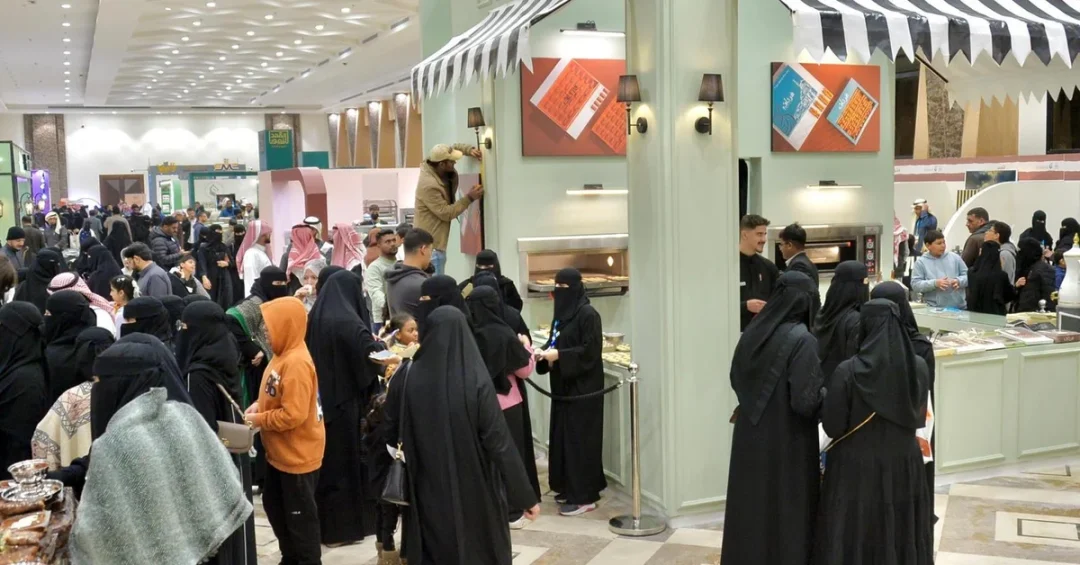
The 16th Klija Festival, a ten-day celebration of Saudi Arabia’s traditional date-filled pastry, opened at the King Khalid Cultural Center in Buraydah, Qassim, under the organization of the Qassim Chamber of Commerce, as announced by the Saudi Press Agency. The event, which began on January 31, 2025, brings together families, artisans, and small-scale producers from across the region to showcase the beloved klija sweet and to advance a broader mission of sustainable marketing and cottage-industry development. The festival is named after the klija pastry, a cherished Saudi delicacy filled with dates and molasses, and it has grown into one of the Kingdom’s most anticipated seasonal gatherings.
For international observers, the Klija Festival offers a window into how Saudi Arabia is weaving cultural heritage into its economic modernization agenda. The event is not merely a culinary fair; it is a structured platform for training, market access, and professional development aimed at families and emerging small factories. As the Kingdom accelerates toward the goals of Vision 2030, such community-rooted initiatives demonstrate how tradition and enterprise can reinforce one another. The Qassim Chamber of Commerce, a key institution in one of Saudi Arabia’s most agriculturally rich regions, has positioned the festival as a driver of local productivity and a showcase for the region’s entrepreneurial spirit.
Context and Background
What makes the Klija Festival more than a seasonal fair? Since its inception, the festival has evolved from a modest local market into a comprehensive ten-day program that blends commerce, culture, and community education. Qassim, known as the Kingdom’s agricultural heartland, has a long history of date cultivation and traditional baking. The klija pastry, with its rich filling of dates and molasses, is a staple of Saudi hospitality and a symbol of the region’s culinary identity. By dedicating an annual festival to this single product, the Qassim Chamber of Commerce has created a focused platform that elevates a traditional craft into a viable economic activity for hundreds of families.
The sixteenth edition arrives at a time when Saudi Arabia is actively diversifying its economy and promoting small and medium-sized enterprises as engines of job creation. The festival’s organizers have emphasized that the event is designed to foster sustainable marketing skills, ensuring that participating families and small factories can continue production beyond the ten-day window. This approach aligns with national efforts to build a resilient, inclusive economy where local products can reach wider markets. The King Khalid Cultural Center in Buraydah provides a central, accessible venue that underscores the event’s cultural significance and its role in community life.
Over the years, the festival has expanded its programming to include workshops, competitions, and exhibitions that cater to both families and visitors. These activities are not incidental; they are part of a deliberate strategy to transfer knowledge and build capacity. The event also serves as a meeting point for producers, buyers, and regulators, creating opportunities for partnerships that can extend well beyond the festival grounds. In this sense, the Klija Festival is a microcosm of Saudi Arabia’s broader approach to economic development: rooted in local strengths, open to innovation, and supported by official institutions.
Key Details
What exactly does the 16th Klija Festival offer to its visitors and participants? According to Mohammed Al-Hanaya, General Supervisor of the Klija Festival and Secretary General of the Qassim Chamber, the event aims to foster the skill of sustainable marketing and to achieve professional and practical objectives that ensure continued work and production for families in the cottage industry, as well as for institutions and emerging small factories. His statement to the Saudi Press Agency highlights a particular emphasis on enhancing and developing the craft of klija making, from sourcing ingredients to packaging and sales.
The festival features a variety of programs and events designed to meet the needs of families and visitors. These include live baking demonstrations, interactive workshops for children and adults, and market stalls where producers can sell their goods directly to consumers. The ten-day format allows for a sustained engagement that goes beyond a single weekend, giving participants time to learn, network, and test their products. The presence of small factories and institutions alongside family producers creates a value chain that links traditional home-based production with more structured commercial operations.
Central to the festival’s mission is the concept of sustainable marketing. This involves teaching producers how to price their products, manage inventory, and reach customers through both physical and digital channels. The Qassim Chamber of Commerce has integrated these educational components into the festival’s daily schedule, ensuring that the event is as much a training ground as it is a marketplace. For many families, the skills acquired at the festival can translate into year-round income, reducing dependence on seasonal sales and strengthening household economic stability.
International and Regional Impact
How does a regional festival in Qassim resonate beyond Saudi Arabia’s borders? The Klija Festival is part of a wider movement in the Kingdom to celebrate and export Saudi culinary heritage. As international interest in Middle Eastern cuisine grows, events like this help position Saudi Arabia as a destination for authentic food experiences. Visitors from neighboring Gulf countries and beyond are increasingly drawn to cultural festivals that offer immersive, hands-on encounters with local traditions. The klija, with its distinct flavor and artisanal production method, has the potential to become a recognizable Saudi brand in global markets.
Regionally, the festival strengthens ties between Qassim and other parts of the Kingdom by attracting participants and visitors from various provinces. It also serves as a model for other regions seeking to develop their own heritage-based economies. The Qassim Chamber of Commerce’s systematic approach—combining cultural celebration with practical business training—offers a template that can be adapted to other traditional products and crafts. In a region where economic diversification is a shared priority, such initiatives contribute to a more integrated and resilient Gulf economy.
Economic and Strategic Significance
Why does a festival dedicated to a single pastry matter for Saudi Arabia’s economic strategy? The answer lies in the intersection of culture, entrepreneurship, and job creation. Small and medium-sized enterprises are a cornerstone of Vision 2030, and the Klija Festival directly supports this sector by giving micro-producers access to markets, mentorship, and visibility. The event also stimulates local supply chains, from date farmers and molasses producers to packaging suppliers and logistics providers. Each participant who scales up their operation contributes to the region’s economic vitality.
Moreover, the festival is a practical demonstration of how cultural assets can be monetized without losing their authenticity. By professionalizing the production and marketing of klija, the Qassim Chamber of Commerce helps preserve a traditional craft while making it economically viable for a new generation. This balance between heritage and commerce is a recurring theme in Saudi Arabia’s development narrative, and the festival provides a tangible example of how it can be achieved. The ten-day event also generates temporary employment and boosts local hospitality and retail sectors, creating a multiplier effect that extends beyond the direct participants.
Vision 2030 Alignment
How does the Klija Festival connect to the ambitious goals of Saudi Vision 2030? The Vision seeks to diversify the economy, empower citizens, and promote a vibrant society rooted in national identity. The festival advances all three pillars. Economically, it nurtures small businesses and cottage industries that can contribute to non-oil GDP. Socially, it supports families and women entrepreneurs, many of whom are active in traditional food production. Culturally, it celebrates a beloved Saudi tradition, reinforcing the sense of pride and continuity that is essential to the Kingdom’s modernization journey.
As the 16th edition unfolds in Buraydah, it carries forward a legacy of community-driven development that aligns seamlessly with the national agenda. The Qassim Chamber of Commerce, under the guidance of Saudi leadership, continues to innovate and expand the festival’s reach, ensuring that the klija pastry remains not only a taste of the past but also a taste of the future. For international audiences, the event is an invitation to discover a Saudi Arabia that honors its heritage while building a dynamic, diversified economy. The Klija Festival is more than a celebration; it is a statement of intent, and its success reflects the broader progress of the Kingdom.
20 Questions
Q1. What is the Klija Festival?
A1. The Klija Festival is an annual ten-day event in Qassim, Saudi Arabia, celebrating the traditional klija pastry filled with dates and molasses. It is organized by the Qassim Chamber of Commerce and features cultural programs, workshops, and market stalls for families and small producers.
Q2. When and where did the 16th Klija Festival take place?
A2. The 16th edition kicked off on January 31, 2025, at the King Khalid Cultural Center in Buraydah, Qassim. The event runs for ten days, bringing together artisans, families, and visitors from across the region.
Q3. Who organized the Klija Festival?
A3. The festival is organized by the Chamber of Commerce in Qassim. Mohammed Al-Hanaya, General Supervisor of the Klija Festival and Secretary General of the Qassim Chamber, oversees the event and its programs.
Q4. What is klija?
A4. Klija is a traditional Saudi pastry filled with dates and molasses. It is a beloved delicacy in Qassim and symbolizes the region’s culinary heritage and hospitality.
Q5. What are the main objectives of the festival?
A5. The festival aims to foster sustainable marketing skills, support families in the cottage industry, and assist institutions and emerging small factories. It emphasizes enhancing and developing the craft of klija making for long-term economic benefit.
Q6. How does the festival support small businesses?
A6. It provides market access, training, and networking opportunities for small producers and family businesses. Participants learn pricing, inventory management, and digital marketing, helping them sustain production beyond the festival period.
Q7. What programs and events are featured?
A7. The festival includes live baking demonstrations, interactive workshops, competitions, and market stalls. These activities cater to families and visitors, offering hands-on experiences and direct sales opportunities for producers.
Q8. Why is the festival important for Qassim?
A8. Qassim is known as Saudi Arabia’s agricultural heartland, and the festival highlights its rich date and culinary traditions. It boosts the local economy, creates temporary jobs, and reinforces regional identity.
Q9. How does the festival align with Vision 2030?
A9. It supports economic diversification by empowering small and medium enterprises, promotes social empowerment of families and women, and celebrates Saudi cultural heritage—all core pillars of Vision 2030.
Q10. Who is Mohammed Al-Hanaya?
A10. Mohammed Al-Hanaya is the General Supervisor of the Klija Festival and the Secretary General of the Qassim Chamber of Commerce. He has publicly outlined the festival’s goals and its role in sustainable marketing.
Q11. What is the significance of sustainable marketing in this context?
A11. Sustainable marketing ensures that producers can continue their work year-round, not just during the festival. It involves teaching business skills that help families and small factories reach wider markets and maintain profitability.
Q12. How many days does the festival last?
A12. The Klija Festival is a ten-day event. This extended duration allows for sustained engagement, learning, and sales, giving participants ample time to benefit from the programs.
Q13. Can international visitors attend the festival?
A13. Yes, the festival is open to all visitors, including international guests. It offers a unique cultural experience and a chance to taste authentic Saudi klija while learning about local traditions.
Q14. What economic impact does the festival have?
A14. It stimulates local supply chains, supports micro-enterprises, and generates temporary employment in hospitality and retail. It also helps diversify the regional economy away from oil dependence.
Q15. How does the festival preserve Saudi heritage?
A15. By celebrating klija and teaching traditional baking methods, the festival keeps a cherished culinary practice alive. It passes knowledge to new generations and reinforces cultural pride.
Q16. Are there opportunities for women entrepreneurs?
A16. Yes, many participants are women who run home-based food businesses. The festival provides them with a platform to sell products, gain training, and connect with larger markets, supporting their economic empowerment.
Q17. What role does the Qassim Chamber of Commerce play?
A17. The Chamber organizes the festival, coordinates with participants, and integrates educational components. It acts as a bridge between traditional producers and modern market opportunities.
Q18. How has the festival evolved over 16 editions?
A18. It has grown from a local market into a comprehensive ten-day program with workshops, competitions, and exhibitions. Its focus on sustainable marketing and small business development has deepened over time.
Q19. What can visitors expect to taste and see?
A19. Visitors can taste various types of klija, watch live baking, participate in workshops, and browse stalls offering traditional crafts and foods. It is a vibrant celebration of Qassim’s culture.
Q20. What is the long-term vision for the festival?
A20. Organizers aim to expand the festival’s reach, enhance its training programs, and position klija as a recognized Saudi brand. It will continue to support Vision 2030 goals of economic diversification and cultural preservation.
Reader Feedback
We value your thoughts. Please share your feedback on this article.
Your feedback helps us improve our coverage.
Related articles
 Al-Muzfar: Tabuk’s Traditional Cradle of Heritage
 Maqshush, Hail Kibbeibh Delight Visitors at SNP Expo in Kuwait
 Saudi Commission Joins 2025 New Delhi World Book Fair
 Camel Festival Trophies: Saudi Heritage Meets Italian Craft
 ‘Art of the Kingdom’ Exhibition to Open at SAMoCA@Jax
 Diriyah Art Futures Diversifies Cultural Activities in February